

CCSD code G5100: Bypass of duodenum billing guide
CCSD code G5100 bills a bypass that leaves the duodenum in place CCSD code G5100...

Last Updated: Oct 16, 2026
Billable Code Specific Code
A78 is the billable ICD-10-CM code for q fever.
Q fever is a notifiable condition in the US and most high-income countries, requiring documentation that satisfies both billing and public health reporting obligations.
Let Pabau's smart automation suggest the right codes, reduce claim denials, and keep your practice compliant—effortlessly.
Automate repetitive tasks and focus on what matters most—your patients.
Reduce coding errors and ensure compliance with the latest regulations.
Clean claims, fewer denials, and faster reimbursements.
Powerful insights and reporting to help your practice thrive.
HIPAA compliant SOC 2 certified GDPR-compliant Trusted by 4,000+ clinics worldwide

ICD-10 code A78 is the billable diagnosis code for Q fever, a zoonotic bacterial infection caused by Coxiella burnetii.
A78 is a single terminal code covering both acute and chronic Q fever; ICD-10-CM provides no further subcategories.
Never substitute spotted fever codes (A77) or other rickettsioses (A79) for A78 when Q fever is confirmed.
Pabau’s claims management software supports accurate ICD-10 diagnosis attachment, reducing coding errors on infectious disease claims.
ICD-10 code A78 classifies Q fever, a bacterial infection caused by the obligate intracellular organism Coxiella burnetii. The code sits within Chapter 1 (Certain infectious and parasitic diseases, A00-B99) under the Rickettsioses block (A75-A79), as maintained by the WHO ICD-10 browser.
Coxiella burnetii spreads primarily through inhalation of contaminated aerosols from infected animals, most commonly cattle, sheep, and goats. Parturient animals shed the organism in high concentrations through birth products, urine, feces, and milk. Farmers, veterinarians, abattoir workers, and laboratory personnel face elevated occupational exposure risk.
The CDC/NCHS ICD-10-CM web tool confirms A78 as a fully billable, specific diagnosis code. It carries no Type 1 or Type 2 Excludes notes and is valid for submission on outpatient and inpatient claims for the 2026 fiscal year. Coders working with claims management software should verify the code against the annual CMS update files each October.

The “Applicable To” notes in the CMS ICD-10-CM tabular list identify three clinical synonyms that map to A78: Infection due to Coxiella burnetii, Nine Mile fever (named after Nine Mile Creek in Montana, where the organism was first isolated), and Quadrilateral fever. When any of these terms appears in the medical record, A78 is the correct code.
Documentation referencing “Q fever hepatitis,” “Q fever endocarditis,” or “Q fever pneumonia” should be evaluated for additional codes before filing, but A78 remains the primary diagnosis code for Q fever regardless of the affected organ system.
Accurate synonym recognition reduces the risk of coders defaulting to a less specific rickettsioses code. See the Chlamydia psittaci infections (psittacosis) ICD-10 coding guide for how synonym mapping works across other respiratory zoonotic codes; the principle is identical here.
Clinicians working in primary care, infectious disease, and occupational health will encounter Q fever most often in patients with recent animal or farm exposure. The functional and integrative medicine settings that see patients with complex fatigue presentations may also encounter chronic Q fever.
Acute Q fever typically presents within two to three weeks of Coxiella burnetii exposure. Common features include:
When imaging shows lobar consolidation rather than a diffuse atypical pattern, rule out co-existing bacterial pneumonia, such as pneumonia due to Streptococcus pneumoniae (see the ICD-10 Code J13 guide), before assigning an additional organ-specific code alongside A78.
Chronic Q fever, defined as infection persisting beyond six months, occurs in a minority of patients. Endocarditis is the most serious chronic presentation, accounting for the majority of Q fever fatalities. Pre-existing valvular disease, pregnancy, and immunosuppression are recognized risk factors for progression to chronic disease.
Diagnosis is confirmed through serological testing, primarily phase I and phase II immunofluorescence assay (IFA) titers. The CDC recommends a phase II IgG titer of at least 1:128 for acute disease confirmation.
A78 is assigned on the basis of confirmed diagnosis; do not assign it for suspected or possible Q fever pending laboratory results. Use the appropriate signs and symptoms code instead until confirmation.
Consistent documentation of the clinical basis for diagnosis supports clean claims and enables accurate patient record-keeping across follow-up encounters.
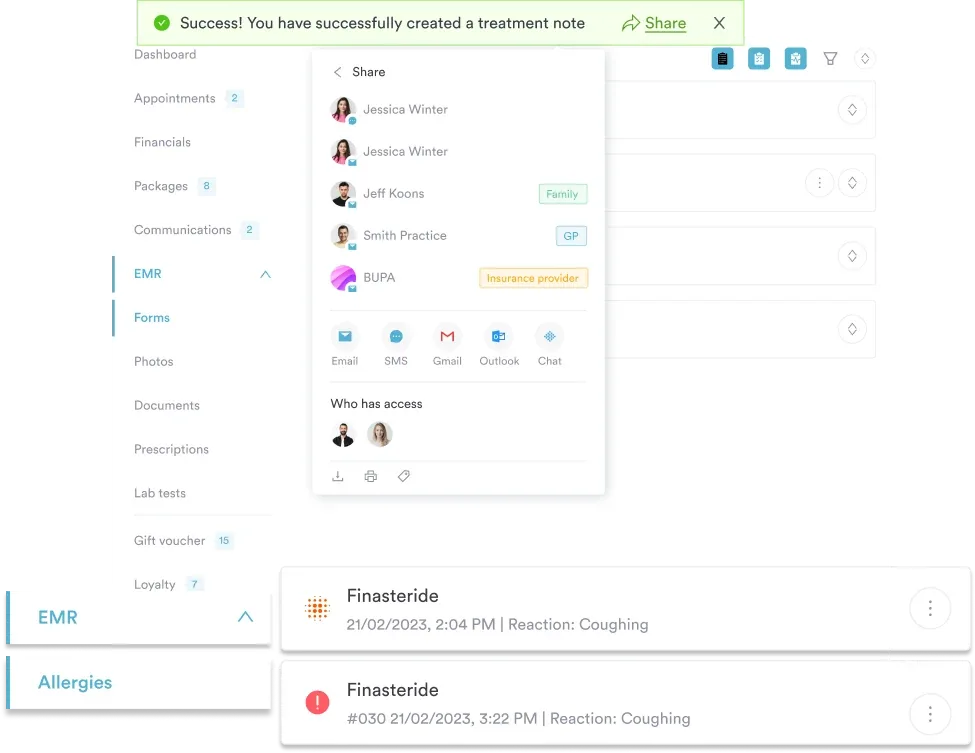
Document the exposure history explicitly in the clinical note for every Q fever encounter. Payers reviewing infectious disease claims frequently request records showing how the diagnosis was established. Noting the occupational or geographic exposure source alongside the serological confirmation strengthens the clinical record and reduces the likelihood of a medical necessity query.
Infectious presentations dominate walk-in demand, and primary care software keeps testing, coding, and follow-up moving at that pace.
A78 is a single-code assignment for confirmed Q fever. The supporting documentation must meet the following standards to support billing and public health reporting obligations.
A complete encounter note for A78 should include:
Q fever is a nationally notifiable disease in the US under CDC surveillance reporting requirements. Clinicians should verify state-specific notification timelines; these obligations exist independently of the billing code but the same encounter documentation supports both. Using digital intake and clinical forms with structured fields for exposure history and laboratory results reduces incomplete documentation at the time of filing. Denials on this code repeat until someone reads the pattern rather than reworking each claim.


Pabau’s integrated claims management and digital forms help your team capture the documentation ICD-10 Code A78 and other infectious disease codes require. Book a demo to see how it works.

Coders frequently need to distinguish A78 from adjacent codes within the Rickettsioses block and from other infectious disease codes that share clinical features. The table below covers the most common differential coding decisions.
The key differentiator for A78 is laboratory-confirmed Coxiella burnetii infection. When serology confirms Q fever specifically, A79.9 (Rickettsiosis, unspecified) is not appropriate even if the physician’s note uses generic rickettsiosis language. Query the physician if the diagnosis term does not align with the serological result.
See the sequelae of poliomyelitis ICD-10 coding guide for how specificity rules apply in other infectious disease categories, and the heart-lung transplant rejection ICD-10 reference, the electric bicycle collision (V24.21XD) guide, and the assault by unspecified means (Y09) reference for how terminal-character and specificity conventions carry across different ICD-10-CM chapters, including the injury and external-cause chapters.
For additional crosswalk support, the AAPC Codify ICD-10-CM lookup and ICD List both provide synonym listings and related code hierarchies for A78 and the surrounding rickettsioses block.
When Q fever results in endocarditis, add the appropriate endocarditis code from category I39 (Endocarditis and heart valve disorders in diseases classified elsewhere), sequenced after A78, as a secondary diagnosis. The same principle applies to Q fever hepatitis: A78 remains the primary infectious disease code, with a hepatitis manifestation code added to capture the organ complication. Always confirm dual-coding decisions against the ICD-10-CM official guidelines and your facility’s coding advisor.
A78 is a low-volume code in most outpatient practices. Payers do not commonly apply frequency edits or prior authorization requirements specifically to Q fever, but the infectious disease category as a whole receives heightened scrutiny from Medicare and commercial payers when documentation is sparse.
Common billing scenarios for A78 include:
Serological testing CPT codes (such as 86638 for Coxiella burnetii antibody testing) typically accompany A78 claims and should be ordered with the diagnosis code pre-populated to avoid medical necessity denials. Practices using compliance management software can set up rule-based alerts that flag missing diagnosis attachments before claims are submitted.
For practice management teams handling infectious disease coding workflows.
The medical forms guide for healthcare practices outlines how structured clinical forms capture complete documentation at the point of care, and practices standardizing note-taking across an EHR may find our guide to clinical documentation software useful for evaluating structured documentation tools.
The CMS ICD-10 codes page publishes updated tabular lists and official coding guidelines each October. Verify A78 remains current and review any addenda that affect the rickettsioses block before the start of each new fiscal year.
Related recent coding references include the familial erythrocytosis billing and coding guide, the acute posthemorrhagic anemia (D62) guide, and the malignant neoplasm of appendix ICD-10 coding reference, all useful when coding infectious or systemic conditions alongside hematologic or oncologic diagnoses.
Miscellaneous codes in other code sets demand the same documentation discipline. HCPCS code S0590 covers integral lens services and needs a written narrative explaining why no specific code fits.
ICD-10 code A78 is the only code for confirmed Q fever in ICD-10-CM, covering both acute and chronic presentations without subcategory distinction. Accurate documentation of the exposure history, serological confirmation, and any organ complications supports clean claims and reduces denial and audit risk.
Pabau’s claims management tools and structured digital forms give infectious disease and primary care practices the documentation infrastructure to support ICD-10 code A78 claims accurately. Practices new to infectious disease billing can start with our medical billing overview.
For teams handling E/M coding alongside infectious disease diagnoses. See how it works by visiting pabau.com/book-demo.

Coding another respiratory zoonotic infection? The ICD-10 code A70 (psittacosis) guide walks through the synonym mapping and specificity rules that mirror the approach used for A78.
Coding a retained foreign body in the breast? superficial breast foreign body code applies at a follow-up visit when the record does not name which breast.
Want to cut coding errors on infectious disease claims? Pabau’s claims management software flags missing diagnosis attachments before submission, reducing denials on low-volume codes like A78.
ICD-10 code A78 is the billable diagnosis code for Q fever, a zoonotic bacterial infection caused by Coxiella burnetii. It falls within the Rickettsioses block (A75-A79) of Chapter 1 in ICD-10-CM and covers both acute and chronic presentations of the disease.
No. ICD-10-CM provides only A78 as a single terminal code for Q fever. There are no subcategories distinguishing acute from chronic disease. Clinicians should document the disease phase in the clinical note to support treatment planning and public health reporting, even though the code itself does not differentiate.
No. A78 should be assigned only when Q fever is confirmed, typically through serological testing. Before confirmation, use the appropriate signs and symptoms codes (such as fever of unknown origin or atypical pneumonia) until the laboratory results support a definitive diagnosis.
For Q fever endocarditis, assign A78 as the primary infectious disease code and add the appropriate endocarditis code from category I39 (Endocarditis and heart valve disorders in diseases classified elsewhere), sequenced after A78, as a secondary code. The infectious organism drives the sequencing, with A78 listed first. Always verify against the ICD-10-CM official guidelines and your facility’s coding policies.
Yes. Q fever is a nationally notifiable condition under CDC surveillance requirements. Providers are required to report confirmed and probable cases to their state or local health department. Notification timelines and reporting formats vary by state; documentation supporting the A78 diagnosis typically satisfies the public health reporting record as well.



