GLP-1 diet plan
A GLP-1 diet plan is a structured eating framework for patients taking semagluti...

2
Last Updated: Oct 13, 2026

The 5-panel drug test screens for THC, cocaine, amphetamines, opiates, and PCP using urinalysis to detect metabolites (byproducts of drug use).
DOT-regulated employers must use HHS-certified laboratories with chain-of-custody procedures, but non-DOT ‘look-alike’ tests are available for general workplace screening.
Detection windows vary widely: marijuana 3-30 days, cocaine 2-4 days, amphetamines 1-3 days, opiates 1-3 days, PCP 7-14 days (urine); hair tests extend to 90 days.
Practice management software like Pabau offers digital forms and secure client records that help occupational health practices document results, manage consent, maintain compliance, and store test data safely.
A ready-to-use 5-panel drug test form covering patient details, substance detection windows, consent declarations, chain-of-custody procedures, test result documentation, and signature blocks for healthcare providers and occupational health practices.
Download templateA 5-panel drug test is a standardized urinalysis screening that detects metabolites from five categories of controlled substances. It was developed in the 1980s by the National Institute on Drug Abuse (NIDA) and is sometimes called the NIDA-5 test.
The test screens for THC (marijuana), cocaine, amphetamines, opiates, and phencyclidine (PCP) — the five most commonly abused drugs in workplace and pre-employment settings. The free 5-panel drug test form above gives occupational health teams a ready-made way to record consent, chain of custody, and results for each screening.
The 5-panel drug test measures drug metabolites (byproducts the body produces when drugs are metabolized) rather than the drugs themselves. This distinction is important because metabolites can remain detectable long after a drug’s effects wear off, making the test valuable for compliance and safety-sensitive employers.
The test is administered by collecting a urine specimen, which is then analyzed using immunoassay screening (billed under CPT code 80307 for presumptive testing) followed by gas chromatography-mass spectrometry (GC-MS) confirmation for positive results.
The test is a legal and regulatory requirement for Department of Transportation (DOT)-regulated safety-sensitive employees in commercial driving, aviation, and maritime industries. Non-DOT employers often use “DOT look-alike” versions to maintain consistent safety standards across their workforce. Healthcare providers, occupational health practices.
The five substance categories in a standard 5-panel test are defined by official SAMHSA (Substance Abuse and Mental Health Services Administration) guidelines and DOT regulations. Each category includes specific drugs and metabolites:
The U.S. Department of Transportation (DOT) updated 5-panel requirements in 2018 to include confirmatory testing for 14 individual drugs within the 5-panel framework, adding semi-synthetic opioids and clarifying testing procedures.
Confirmatory results are typically billed under definitive drug testing codes such as HCPCS code G0483, which covers testing that identifies 22 or more individual drug classes. This ensures that occupational health providers using DOT-regulated protocols can identify a wider range of substances and provide employers with comprehensive safety data.
A 10-panel drug test screens for five additional substances beyond the standard 5-panel: benzodiazepines, barbiturates, methadone, propoxyphene, and quaaludes. The 5-panel is the legally mandated baseline for DOT-regulated industries, while the 10-panel is optional and typically used by employers in healthcare, construction, or high-security sectors who want more comprehensive screening.
The choice between 5-panel and 10-panel depends on the industry risk profile, employer policy, and regulatory requirements. DOT-safety-sensitive roles must use a 5-panel; non-regulated employers may select either based on their specific risk assessment. Cost is slightly higher for 10-panel testing, but the broader substance coverage provides additional insight into substance abuse patterns.
Many practices log scores like these in measurements tracking software, so progress charts update the moment a reassessment is saved.
The downloadable 5-panel drug test form template includes standardized sections required for workplace compliance and clinical accuracy. Each section serves a specific documentation purpose:
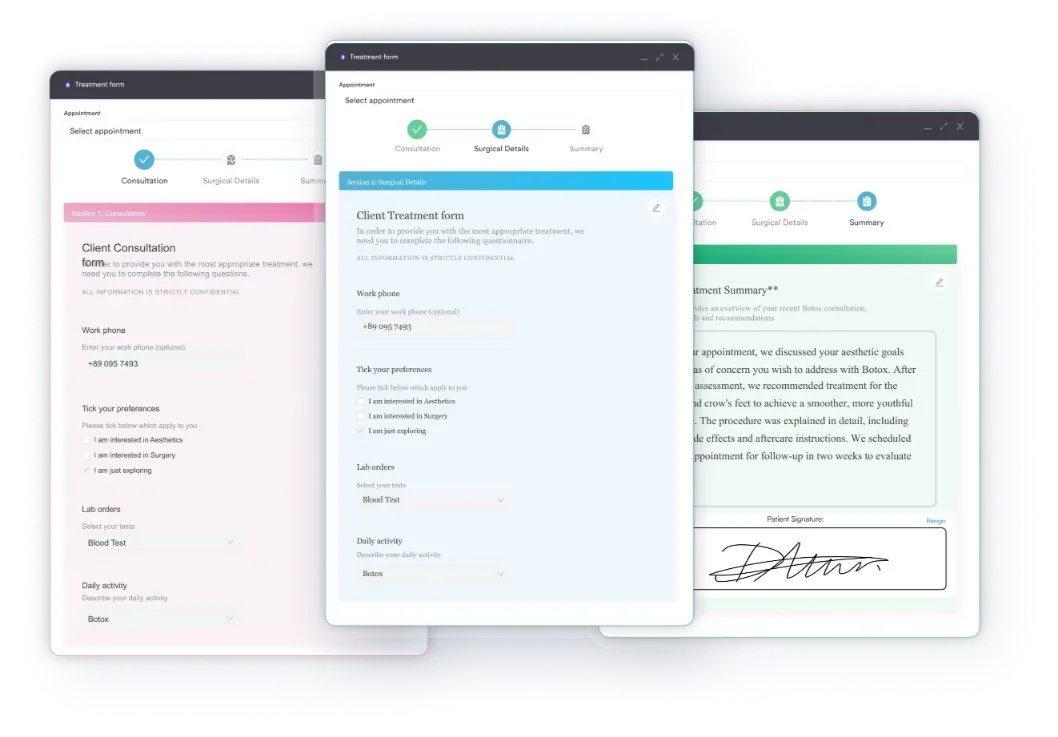
Using digital health forms and consent documentation allows practices to standardize these sections, reduce transcription errors, and ensure every test meets regulatory requirements. Digital forms also automate compliance checks and provide instant access to secure client records for historical comparison.
Follow these five operational steps when administering a 5-panel drug test in your practice or occupational health setting:
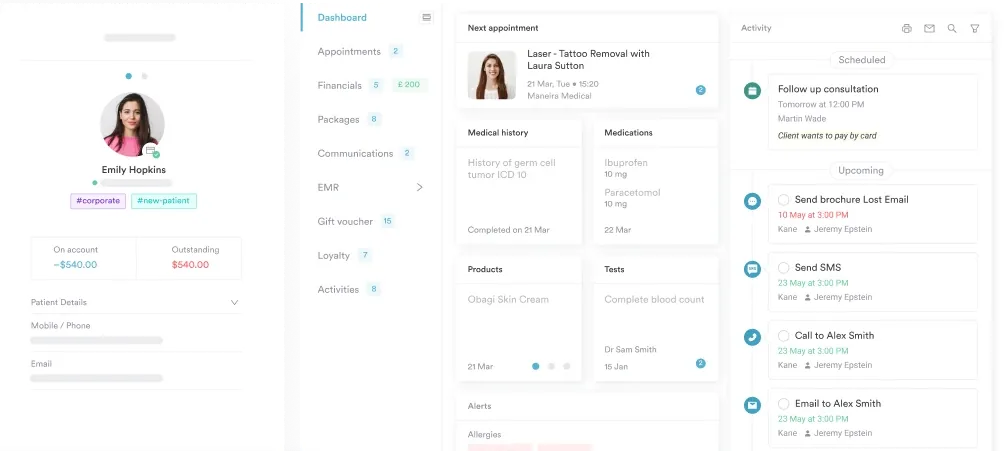
Digital compliance documentation tools and HIPAA-compliant patient records streamline these steps by automating form completion, maintaining audit trails, and triggering result notifications automatically.
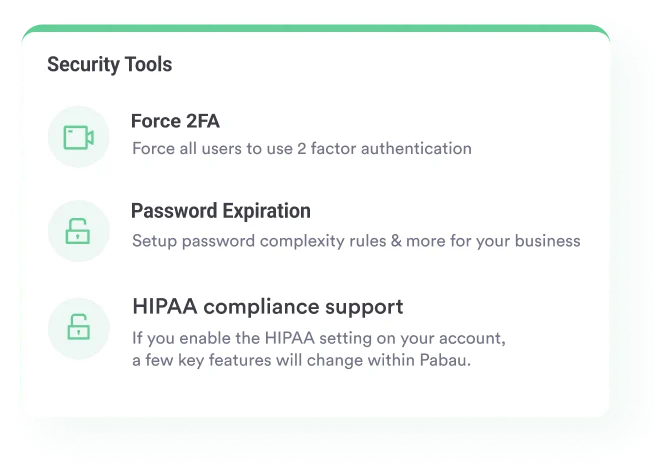
For DOT-regulated safety-sensitive employees, strict regulatory requirements apply. The test must be conducted at an HHS-certified laboratory using SAMHSA-approved collection and testing protocols. Chain-of-custody procedures are non-negotiable, and positive results require confirmed testing by GC-MS and review by a Medical Review Officer (MRO) before the employer is notified.
Negative results are typically available within 1 business day for non-DOT tests; DOT results may take 2-3 business days due to MRO review requirements. Employers should communicate result timelines to participants upfront and pair appointment confirmation and reminder workflows with efficient patient scheduling and appointment management to minimize missed collections and delays.
Detection windows — the period during which a substance can be identified — vary by drug, frequency of use, and biological factors. Marijuana may be detected 3-30 days after use; cocaine 2-4 days; amphetamines and opiates 1-3 days; and PCP 7-14 days.
Hair-based testing extends detection to approximately 90 days but is not part of the standard 5-panel protocol (hair testing is a separate service).
The 5-panel drug test form template supports multiple healthcare and occupational industries:
Proper documentation is both a regulatory requirement and a safeguard against liability. Keep detailed records including the original consent form, chain-of-custody documentation, specimen collection photos or initials, lab result reports, MRO notes (for positive results), and any follow-up communications.
Store records securely for a minimum of 1 year (DOT requires 5 years for safety-sensitive employees).
When a provider runs a follow-up screening, the full testing history is already on one screen.
That means less manual paperwork, fewer transcription errors. Automated notifications also let you update participants the moment the lab reports back.
To keep every 5-panel drug test defensible and compliant, build these six checks into your process:
A 5-panel drug test is a urinalysis screening that detects metabolites from five substances: THC, cocaine, amphetamines, opiates, and PCP. It was developed by NIDA in the 1980s and is the standard screening for DOT-regulated safety-sensitive employees in transportation and other high-risk industries.
Detection windows vary by substance: marijuana 3-30 days, cocaine 2-4 days, amphetamines and opiates 1-3 days, and PCP 7-14 days. Frequency of use and individual metabolism affect the exact window. Hair-based testing (not part of the standard 5-panel) can detect drug use up to 90 days.
The 5-panel screens for THC, cocaine, amphetamines, opiates, and PCP. The 10-panel adds benzodiazepines, barbiturates, methadone, propoxyphene, and quaaludes. The 5-panel is the DOT-mandated standard; the 10-panel is optional for employers wanting broader coverage.
No. The 5-panel is the standard screening protocol; DOT drug tests must use HHS-certified laboratories, chain-of-custody procedures, and Medical Review Officer (MRO) interpretation of positive results. Non-DOT employers may use “DOT look-alike” versions of the 5-panel without the same regulatory overhead.
Negative results typically arrive within 1 business day. DOT positive results may take 2-3 business days due to laboratory confirmation testing and Medical Review Officer review. Non-DOT tests usually return within 24 hours.
SAMHSA-certified cutoff thresholds are: THC 50 ng/mL, cocaine 150 ng/mL, amphetamines 500 ng/mL, opiates 2,000 ng/mL, and PCP 25 ng/mL. Confirmatory testing uses different thresholds (e.g., 15 ng/mL for THC, 100 ng/mL for cocaine, and 10 ng/mL for the heroin metabolite 6-AM). DOT-regulated testing follows federal SAMHSA guidelines strictly.