ICD-10 Code Y76.0: Diagnostic obstetric and gynecological devices
ICD-10 Code Y76.0: Definition and billable status ICD-10 Code Y76.0 is a valid, ...

Last Updated: Oct 23, 2026
Billable Code Specific Code
I45.4 is the billable ICD-10-CM code for nonspecific intraventricular block.
It sits within the I45 category (Other conduction disorders) of the ICD-10-CM tabular list, under the broader chapter I00-I99 (Diseases of the circulatory system).
Let Pabau's smart automation suggest the right codes, reduce claim denials, and keep your practice compliant—effortlessly.
Automate repetitive tasks and focus on what matters most—your patients.
Reduce coding errors and ensure compliance with the latest regulations.
Clean claims, fewer denials, and faster reimbursements.
Powerful insights and reporting to help your practice thrive.
HIPAA compliant SOC 2 certified GDPR-compliant Trusted by 4,000+ clinics worldwide

ICD-10 Code I45.4 describes nonspecific intraventricular block, a cardiac conduction delay not attributable to a named bundle-branch pattern
I45.4 is a valid billable ICD-10-CM code for FY2026, classified under I45 (Other conduction disorders) within the circulatory system chapter
Coding IVCD (intraventricular conduction delay) as I45.4 vs. I45.89 or I45.9 is an active coder debate. Documentation specificity determines the right choice
Practice management software like Pabau helps cardiology and general practice teams capture the ECG documentation that supports I45.4 coding through built-in claims management and digital forms tools
For FY2026, CDC/NCHS confirms I45.4 remains a valid, billable code. Clinicians and coders in cardiology, internal medicine, and general practice encounter this code when a patient’s ECG shows a widened QRS complex that does not conform to classic left bundle-branch block (LBBB), right bundle-branch block (RBBB), or fascicular block morphology.
Understanding when I45.4 is the right choice, and when a more specific code applies, is where most coding questions arise.
ICD-10 Code I45.4 sits at a specific position within the ICD-10-CM hierarchy. Knowing its neighbors helps coders choose the most accurate code when documentation is ambiguous.
The CMS ICD-10-CM tabular list places I45.4 directly between I45.3 (trifascicular block) and I45.5 (other specified heart block). Its position reflects its clinical purpose: a catch-all for ventricular conduction delays that are documented but do not fit neatly into a named morphological category.
The His-Purkinje system conducts impulses from the bundle of His through the right and left bundle branches and their fascicular subdivisions.
When conduction slows or fails in a way that widens the QRS complex without producing a recognizable LBBB or RBBB morphology, the resulting ECG finding is described as a nonspecific intraventricular conduction delay (IVCD). ICD-10 Code I45.4 captures this scenario.
Clinically, the ECG criteria typically include a QRS duration exceeding 120 ms (0.12 seconds) with a morphology that does not meet criteria for complete LBBB or RBBB. Precise ECG documentation matters just as much for related cardiac diagnoses.
In each scenario, the physician or cardiologist must document the finding explicitly. A coder cannot assign ICD-10 Code I45.4 based solely on an ECG printout. The provider’s note must acknowledge the conduction abnormality as a diagnosis or problem.
Comparing the best EHRs for primary care pays off when chronic cardiac care dominates your caseload.
ICD-10 Code I45.4 is a valid billable diagnosis code for FY2026. The AAPC Codify database and ICD10Data.com both confirm its active billable status with no excludes notes that would prevent its use as a principal or secondary diagnosis.
Good documentation to support ICD-10 Code I45.4 generally includes the following elements. Coders working in cardiology and general practice settings should ensure each element is captured before submitting a claim. Digital intake and clinical record workflows.
Broader comparisons of clinical documentation software show the same pattern across coding-heavy specialties.
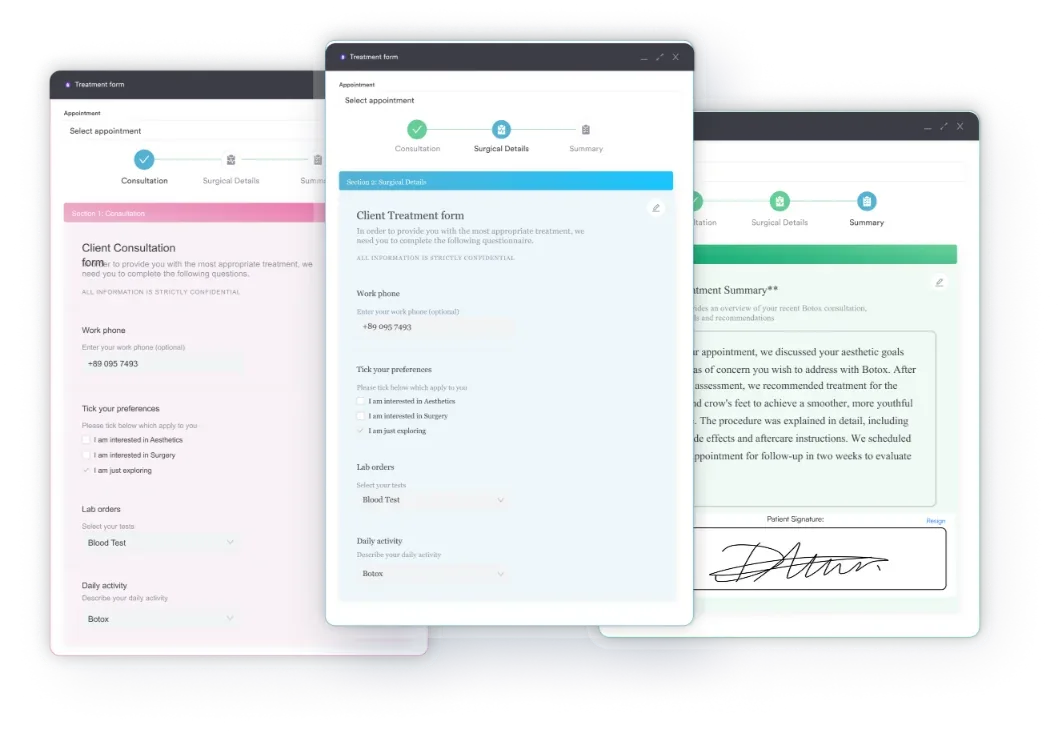
Extended monitoring.
Run a pre-claim documentation checklist for every I45.4 submission: confirm the physician note explicitly names the conduction delay as a diagnosis, verify the ECG report is attached to the encounter, and check that no more specific bundle-branch block code applies. Three minutes of verification prevents days of rework on a denial.
The most frequent question coders bring to AAPC forums and AHIMA communities involves how to code intraventricular conduction delay (IVCD). Three codes compete: I45.4, I45.89, and I45.9. There is no universally agreed answer from CMS or NCHS, which means documentation specificity drives the decision in practice.
The logic runs like this: IVCD as a descriptor is broader than any single ICD-10 category. When a physician documents “nonspecific intraventricular block” or “intraventricular conduction delay, nonspecific,” ICD-10 Code I45.4 is the natural index entry.
The same principle applies elsewhere: the provider’s documented language, not the coder’s interpretation, decides the code. Procedural coding raises the same question. When billing CPT Code 00410, the documented note has to match the code exactly.
The WHO classification framework underlying ICD-10 is designed so that coders select the most specific code that is supported by documentation.
In practice, I45.4 generally wins over I45.9 any time the provider’s note names a conduction abnormality, even broadly.
I45.89 is the better fit when the provider describes a specifically named conduction disorder that is not otherwise classified.

Pabau helps cardiology and general practice teams capture the ECG documentation and clinical notes that support accurate ICD-10 code assignment. See how our claims management and digital forms reduce coding denials.

ICD-10 Code I45.4 functions as either a principal or secondary diagnosis depending on the clinical scenario. Getting sequencing right matters for DRG assignment and for claims that require a primary diagnosis linked to the encounter’s main reason for service.
Assign I45.4 as the principal code when the nonspecific intraventricular block is the primary reason for the encounter. This is most common in outpatient cardiology appointments where ECG interpretation is the main service, or when a patient is admitted to investigate an unexplained conduction abnormality.
More often, I45.4 appears as a secondary code alongside a principal cardiac diagnosis. Common pairings include dilated cardiomyopathy, hypertensive heart disease, or myocarditis as the principal, with I45.4 added to capture the associated conduction abnormality.
Accurate patient care management workflows that capture every active diagnosis at each encounter reduce the risk of missing a secondary I45.4 that affects risk scoring. For practices managing high volumes of cardiac patients.
ICD-10 Code I45.4 sits within a family of conduction codes that coders frequently need to navigate. The table below captures the most relevant crosswalk relationships.
Coders should also note that the ICD-10-CM alphabetical index lists “block, bundle-branch (complete) (false) (incomplete)” with I45.4 as a reference entry. This supports using I45.4 for incomplete or atypical block findings when a more specific code doesn’t apply.
For practices managing coding across multiple sites. Structural causes are often ruled out first with imaging billed under CPT Code 75574 before a nonspecific block code is assigned.
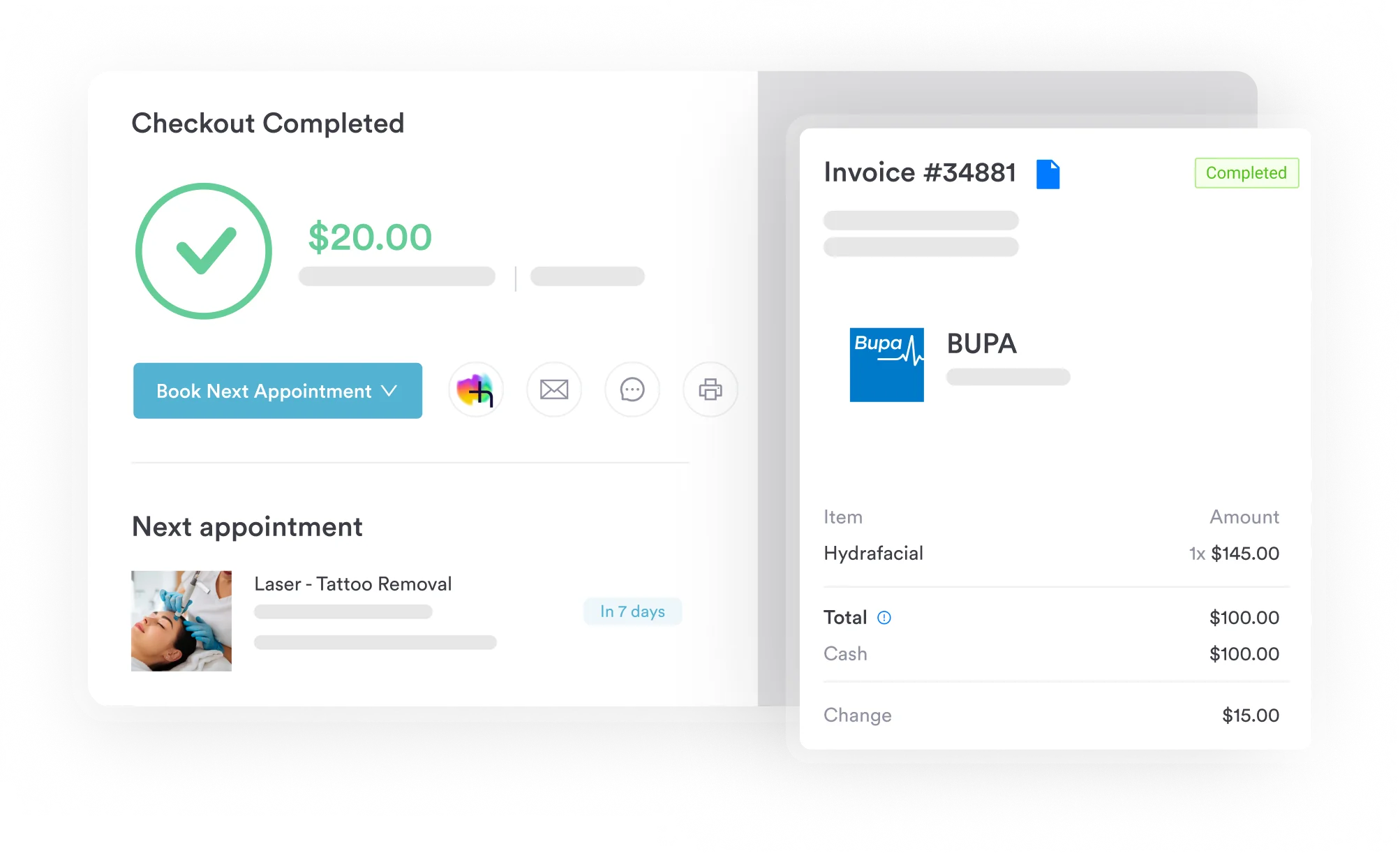
When the ECG report shows widened QRS but the physician note is ambiguous, query the provider before assigning I45.4. Ask specifically: Is the conduction delay attributable to a named left or right bundle-branch block pattern? A one-question query takes 30 seconds and prevents a correction request from the payer weeks later.
A structured workflow prevents the most common coding errors around I45.4. Practices with HIPAA-compliant clinical documentation systems in place can embed these steps into their standard cardiology encounter workflow. Many of these same practices also compare medical billing software options before standardizing on a single claims workflow. Coding sits in the middle of the revenue cycle, between registration and payment posting.
Practices that standardize this five-step check at the point of coding report fewer claim corrections on conduction disorder encounters. Tools built for private practice workflows reduce the time coders spend chasing documentation after the encounter closes.
Nonspecific intraventricular block is a common ECG finding in cardiology and general practice. ICD-10 Code I45.4 is the right code when documentation confirms a conduction delay that doesn’t meet named bundle-branch block criteria.
Getting I45.4 right comes down to documentation quality more than coding complexity. Providers who document explicitly, and coders who query promptly, get it right every time.
Pabau helps cardiology-adjacent practices capture structured clinical documentation at every encounter. From digital intake forms that flag cardiac history fields to clean claim submission workflows, the goal is the same: fewer denials, faster reimbursement, and audit-ready records. Strong EHR security practices reinforce that same audit-ready foundation.
Many teams also pair this checklist with AI clinical documentation tools that flag missing elements before submission. To see how Pabau handles clinical documentation for coding-intensive practices, book a demo.

Need guidance on documenting another commonly billed procedure? CPT Code 01925 covers a similarly structured anesthesia billing scenario for vascular interventions.
Coding pneumoconiosis alongside a tuberculosis diagnosis? ICD-10 code J65 guide explains this combination code for pneumoconiosis documented alongside tuberculosis in a single claim.
Coding a periapical abscess without a sinus tract? ICD-10 code K04.7 guide explains this oral cavity diagnosis code within the K00-K14 range.
A nonspecific intraventricular block is a cardiac conduction delay within the ventricular conduction system that widens the QRS complex on an ECG without producing the specific morphological pattern of a named bundle-branch block such as LBBB or RBBB. It reflects slowed or abnormal conduction through the His-Purkinje system without a classifiable anatomical location.
Yes, ICD-10 Code I45.4 is a valid billable ICD-10-CM diagnosis code for FY2026. It can be used as either a principal or secondary diagnosis and has no Excludes notes that restrict its use in most clinical contexts.
I45.4 (Nonspecific intraventricular block) applies when the provider has documented a recognizable type of conduction delay, even if it is nonspecific. I45.9 (Conduction disorder, unspecified) applies only when documentation is so limited that no type of conduction disorder can be identified. Any provider note naming a block or conduction delay, even broadly, supports I45.4 over I45.9.
ICD-10 Code I45.4 is the most commonly assigned code for IVCD when the provider documents “nonspecific intraventricular block” or “IVCD, nonspecific.” Some coders use I45.89 when the provider describes a specific but unusual conduction disorder not covered by other I45 subcategories. Query the provider when the documentation does not clearly distinguish between these scenarios.
The supporting record should include an ECG or Holter report showing QRS widening, a physician interpretation note that names the conduction finding as a diagnosis in the assessment and plan, and confirmation that no more specific bundle-branch block pattern is present. The provider note, not the ECG printout alone, establishes the diagnosis for coding purposes.
The I45 category includes I45.0 (right fascicular block), I45.10 and I45.19 (right bundle-branch blocks), I45.2 (bifascicular block), I45.3 (trifascicular block), I45.4 (nonspecific intraventricular block), I45.5 (other specified heart block), I45.6 (pre-excitation syndrome), I45.89 (other specified conduction disorders), and I45.9 (conduction disorder, unspecified).