ICD-10 Code V28.01XD: E-bike driver noncollision accident, nontraffic, subsequent encounter
ICD-10 Code V28.01XD: Definition and billable status ICD-10 Code V28.01XD is the...

Last Updated: Oct 20, 2026
Billable Code Specific Code
S32.484A is the billable ICD-10-CM code for nondisplaced dome fracture of right acetabulum, initial encounter for closed fracture.
Each part of the code carries its own documentation requirement.
Let Pabau's smart automation suggest the right codes, reduce claim denials, and keep your practice compliant—effortlessly.
Automate repetitive tasks and focus on what matters most—your patients.
Reduce coding errors and ensure compliance with the latest regulations.
Clean claims, fewer denials, and faster reimbursements.
Powerful insights and reporting to help your practice thrive.
HIPAA compliant SOC 2 certified GDPR-compliant Trusted by 4,000+ clinics worldwide

S32.484A is a billable ICD-10-CM code for a nondisplaced dome fracture of the right acetabulum, initial encounter for closed fracture. It is valid for FY2026, effective October 1, 2025.
The 7th character A covers active treatment during the initial encounter for a closed fracture. Using it on a follow-up visit is a coding error that invites an audit.
Laterality decides the code. S32.484A is right-side only, and S32.485A covers the left acetabulum, so mixing the two produces denials.
Practice management software like Pabau helps orthopedic and trauma practices pair codes correctly, document laterality, and submit HIPAA-compliant claims.
The acetabulum is the cup-shaped socket of the pelvis that meets the femoral head to form the hip joint. The dome, also called the acetabular roof, is the weight-bearing portion directly above the femoral head.
Fractures here matter clinically because the dome carries body weight during standing and walking. A nondisplaced fracture means the fracture line is present but the fragments have not shifted out of position.
Displacement status comes from the physician’s note, the imaging report, or the operative note. Coders should never assume it.
Knowing where S32.484A sits in the ICD-10-CM hierarchy tells you which parent code to reach for when specificity runs out. It also explains why the code lives in the injury chapter rather than the musculoskeletal one. Other nondisplaced fracture codes such as S52.355J follow the same parent-child structure.
According to the CMS ICD-10-CM tabular list, codes in the S32 category need a 7th character to be complete and billable. Submitting S32.484 without one will reject.
The 7th character is one of the most audited elements in ICD-10-CM claims. Billing A for a patient who has already finished definitive treatment is a coding error. The same logic drives codes like S42.409P, where the final character records malunion instead of active care.
Initial encounter does not mean the patient’s first visit to any provider. It means the patient is still in the active treatment phase. A patient who transfers to a new orthopedic surgeon for ongoing treatment is still coded with A.
Once definitive treatment ends, move to D or G based on documented healing. The character S works differently, marking the late effect that remains after healing.
An occupational therapy platform keeps assessments, home programs, and progress notes for these injuries in one record.
The physician’s documentation must establish all three defining elements before S32.484A goes on a claim. Weak documentation on any one of them invites a denial.
Flag any note that reads acetabulum fracture without laterality or displacement. Query the physician before you code it. Assigning S32.484A from an ambiguous note is a compliance risk, because laterality and displacement must come from the physician rather than coder inference.
The S32.48 block covers dome fractures on both sides and in both displacement categories. Picking the wrong member of this family is the most common laterality error in pelvic fracture coding. Teams handling physical therapy billing meet these pairs constantly in post-acute work.
Non-traumatic acetabular conditions sit outside this block. Protrusio acetabuli, for example.
Avoid the unspecified laterality codes when the documentation names the side. S32.483A and S32.486A are last resorts, used only after a physician query fails to settle it.
S32.484A pairs with a procedural CPT code based on the treatment delivered. The choice depends on whether the surgeon performs open reduction, closed treatment, or non-surgical care. The AAPC ICD-10-CM lookup lists the CPT codes commonly reported with this category.
CPT selection depends on the operative note and payer policy. These pairings reflect common practice patterns rather than mandatory combinations. Prior authorization rules vary by payer and should be confirmed before submission. The CMS Physician Fee Schedule lists current Medicare rates by code.
A nondisplaced dome fracture managed conservatively usually maps to CPT 27220. Open reduction codes are not supported when no manipulation happened, and they will fail an audit. Fixation codes for other sites.
The ICD-10-CM Official Guidelines for Coding and Reporting set fracture rules that bear directly on S32.484A. Errors cluster in three fields, namely laterality, displacement, and encounter type. Open fracture claims such as S42.009B carry their own 7th character set. The CDC ICD-10-CM web tool is the official browser for verifying descriptions.
The S32.4 family covers several anatomical locations and both displacement categories. S32.484A applies only when three conditions hold at once. The fracture must be at the dome, nondisplaced, and on the right side. Practices running sports medicine billing see acetabular injuries in high-impact athletes, where code selection draws close scrutiny. An out-of-network claim rests on the paperwork the practice hands over, so what a superbill includes matters. A code lookup that lives beside the desk gets used; one buried in a shared drive does not.
Dome codes (S32.48) are separate from the wall and column codes. Those cover anterior wall (S32.41), posterior wall (S32.42), anterior column (S32.43), and posterior column (S32.44) fractures. Transverse (S32.45), central (S32.46), and associated (S32.47) fractures each have their own subcategory.
These locations are not interchangeable. Use S32.484A only when the documentation describes a dome fracture of the right acetabulum. A displaced associated transverse-posterior fracture of the right acetabulum, seen at follow-up with delayed healing, takes ICD-10 code S32.461G instead.
Most orthopedic billing teams check laterality and encounter type by hand. A coder opens the clinical note, the imaging report, and the claim in three places, then hopes nothing drifted between them. That is where the wrong side or a stale 7th character slips through.
Pabau is practice management software that keeps the clinical note and the claim in one record. Charting, imaging notes, and coding sit on the same patient timeline, so the coder reads one source.
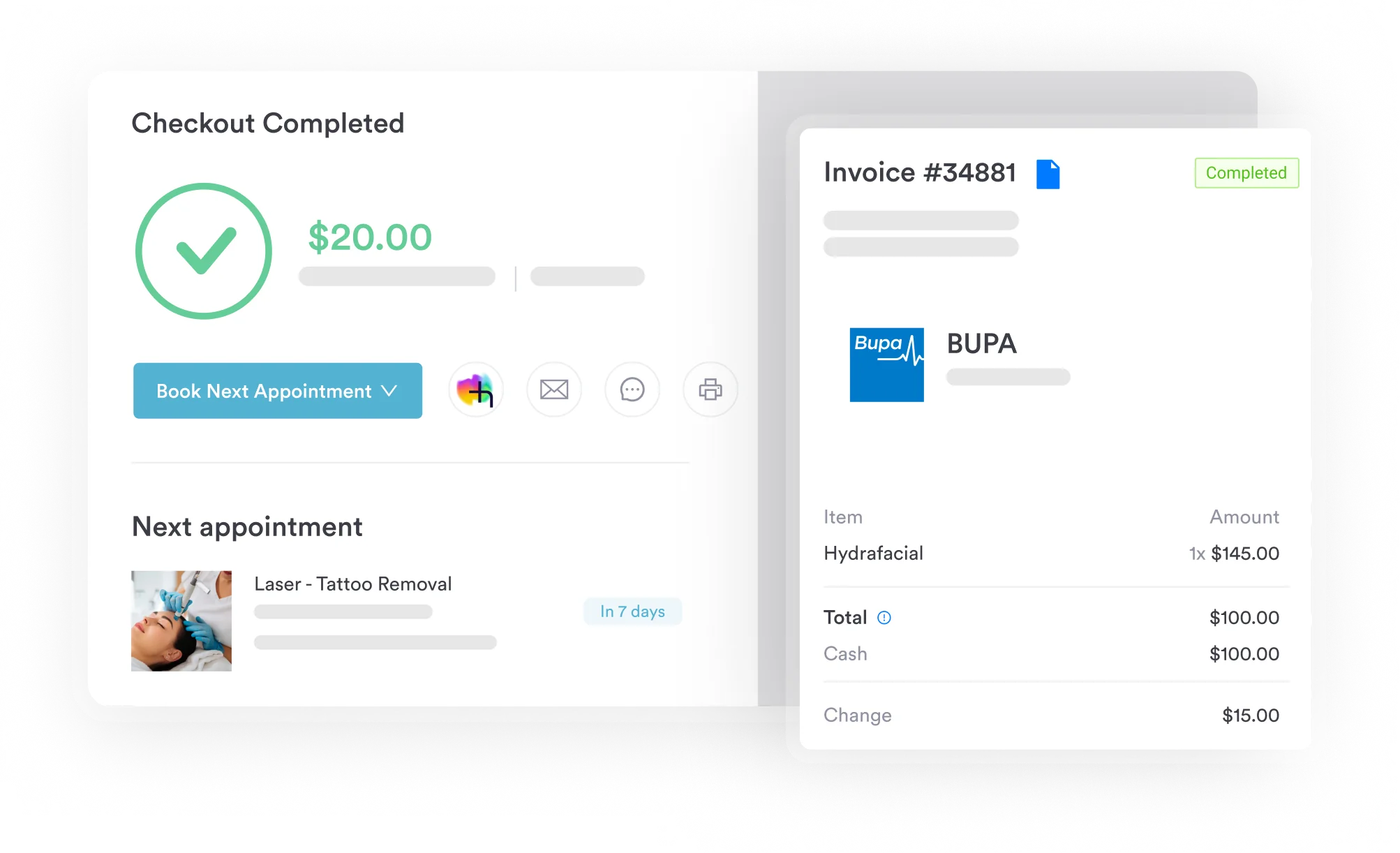
The payoff is fewer reworked claims. Your team spots a missing laterality statement before the claim leaves, not six weeks later in a denial letter. Every Pabau subscription includes the full billing and documentation toolset, so nothing here sits behind a higher tier.

Pabau helps orthopedic, sports medicine, and trauma practices pair codes correctly, document laterality, and submit HIPAA-compliant claims. Fewer denials, less rework.

Acetabular fracture claims live or die on three fields. Take the side, the displacement, and the encounter type from the physician’s own words, and S32.484A holds up under review.
The trade-off worth remembering is that specificity cuts both ways. A precise code pays cleanly, and it also tells an auditor exactly what your documentation has to prove. So treat an ambiguous note as a query, not a judgment call.
Pabau’s practice management software links diagnosis codes to the right CPT pairing and flags incomplete documentation before submission. Book a demo to see how it handles claims for orthopedic and trauma practices.

Coding a malunion of the radial shaft? ICD-10 code S52.355R codes a nondisplaced comminuted radial shaft fracture at a subsequent encounter with malunion.
Need the 7th character for a malunion? S42.409P shows how the extension changes once healing goes wrong.
Documenting a nonunion after fixation? S42.131K covers the coracoid equivalent and what the note has to prove.
Billing open fixation of a fracture? CPT code 21812 walks through internal fixation documentation for rib fractures.
Coding a late effect rather than active care? S43.491S explains how the sequela extension works on a shoulder injury.
S32.484A is a billable ICD-10-CM code for a nondisplaced dome fracture of the right acetabulum. The 7th character A marks the initial encounter for a closed fracture, which means active treatment. Nondisplaced means the fragments stay aligned, and dome means the weight-bearing roof of the hip socket.
Yes. S32.484A is billable and specific, and it is valid for FY2026 from October 1, 2025. It can go on HIPAA-covered transactions without further specificity. The parent code S32.484 is not billable and rejects at payer front-end edits.
A marks the initial encounter for a closed fracture, so the patient is under active treatment. It becomes D during routine healing after definitive treatment, and G when healing is delayed. Use K for nonunion and S for sequela. Keeping A on routine follow-up visits is a common audit error.
S32.484A is the right acetabulum and S32.485A is the left. The two are not interchangeable, and the difference is laterality alone. Laterality must come from the physician’s documentation, or from an imaging report the physician confirms.
A nondisplaced dome fracture treated conservatively usually pairs with CPT 27220. Surgical cases use 27226 or 27228, depending on the complexity of the repair. CT imaging codes 73700 and 73701 may also apply, along with visit codes 99213 and 99214. Final selection follows the operative note and payer policy.
Use S32.484A only while the patient is still in active treatment for the fracture. Switch to S32.484D once definitive treatment is complete and healing is routine. If the physician documents delayed healing, use S32.484G. The 7th character tracks the stage of care, not the visit count.