CPT code 93503: Swan-Ganz catheter billing and modifiers
CPT code 93503: Official descriptor and procedure overview In the AMA CPT code s...

Last Updated: Oct 23, 2026

CCSD code 0514G is the diagnostic test code for the Myotonic dystrophy (gene) test, billed under Chapter 34.1.3, Biochemistry Genetic Analysis, in the UK CCSD Group schedule.
Despite carrying a ‘G’ suffix like many procedure codes, 0514G is a lab-based genetic test, not a surgical or procedural code.
Pre-authorization and referral requirements vary by insurer; always check with Bupa, AXA Health, Aviva, Allianz Care, Freedom Health, or Vitality before ordering the test.
Pabau’s claims management software supports CCSD code submission and Healthcode integration, reducing manual billing errors for UK private practices.
CCSD code 0514G is the code UK private medical insurers use for the Myotonic dystrophy (gene) diagnostic test, a lab-based genetic test rather than a surgical procedure. This guide covers how the code is classified, which insurers recognize it, and what documentation and consent a claim needs.
It also covers how to submit the claim correctly through Healthcode, plus the most common reasons claims for genetic tests get rejected, so your practice can avoid them.
CCSD code 0514G is the code for the Myotonic dystrophy (gene) diagnostic test within the Clinical Coding and Schedule Development (CCSD) Group schedule, the standard coding system UK private medical insurers use for procedures and diagnostic tests. It sits in Chapter 34.1.3, Biochemistry Genetic Analysis.
Despite carrying a “G” suffix like many procedure codes, 0514G is a lab-based genetic test rather than a surgical or procedural code. As the CCSD Group confirms in its FAQs, diagnostic service charges are handled separately from the main procedural schedule, which is consistent with 0514G sitting in a biochemistry and genetic analysis chapter rather than a surgical one.
The test looks for the genetic change behind myotonic dystrophy, an inherited condition that causes progressive muscle weakness and myotonia, meaning muscles that are slow to relax after they contract. Some patients also develop early cataracts or heart rhythm problems.
A doctor typically orders the test when a patient’s symptoms or family history point toward the condition, or to confirm the genetic change in a relative of someone already diagnosed.
Because the full CCSD schedule itself is login-gated at ccsd.org.uk, confirm 0514G’s exact narrative and any chapter-specific coding principles there or via your insurer’s code search portal before billing. Our complete Bupa CCSD codes guide covers how the schedule is structured and how to navigate its chapters.
The CCSD schedule groups codes by clinical specialty or body system, with each chapter carrying its own coding principles and, in some cases, insurer-specific fee modifiers. Chapter 34.1.3 covers biochemistry genetic analysis, which includes 0514G alongside other gene and enzyme tests.
When looking up 0514G, your practice management system or the relevant insurer portal will typically display the chapter number, the test narrative, and any applicable coding principles. Keep that information on file for documentation purposes.
The major UK private medical insurers all use CCSD codes as their standard coding system for procedures and diagnostic tests. Bupa, AXA Health, Aviva, Allianz Care, Freedom Health, and Vitality will each recognize CCSD code 0514G on a correctly submitted claim, provided the test is covered under the patient’s policy and any required pre-authorization has been obtained.
Insurer recognition of a code doesn’t guarantee payment. Reimbursement depends on the patient’s benefit level, any policy exclusions, and whether the test was pre-authorized and ordered by an appropriate specialist. For independent practitioners new to private practice billing, that distinction matters: the code being in the schedule is the starting point, not the finish line.
Pre-authorization rules differ by insurer and policy type. Genetic tests are commonly subject to pre-authorization, and some insurers require the test to be requested by a specialist, such as a neurologist or clinical geneticist, rather than a GP. Always contact the insurer before ordering the test to confirm what your patient’s policy requires.
Practices billing multiple insurers after moving from the NHS to private practice often find that a pre-authorization checklist per insurer is the most effective way to prevent avoidable claim rejections.
Robust documentation is the foundation of a clean CCSD claim. Insurers audit claims against the clinical record, and incomplete notes are one of the most common reasons for delayed payment or outright rejection.
The CCSD Technical Guide (October 2025) sets out the coding conventions and principles that apply across the schedule. Practices should read the chapter-specific principles that govern 0514G’s chapter in particular.
Because genetic results are especially sensitive personal data, many practices apply extra safeguards to these records.
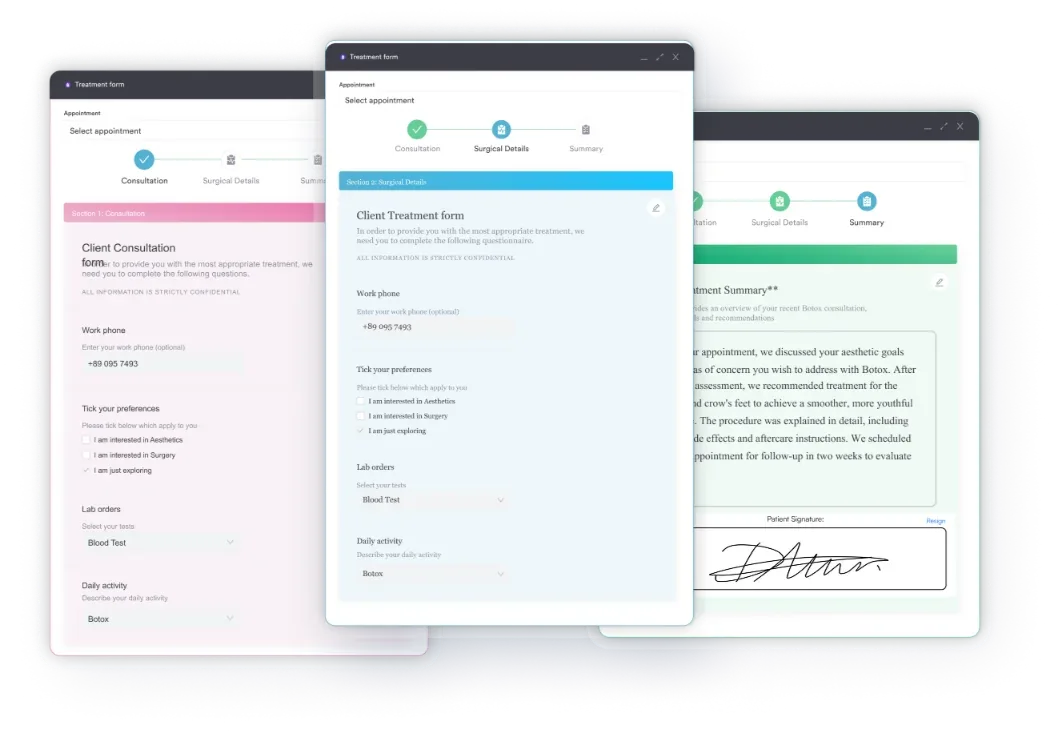
Confirm your practice has a documented consent process for genetic testing, including genetic counselling where appropriate, before the sample is even taken. It’s far easier to produce this at audit if it’s already on file than to reconstruct it afterward.
Accurate CCSD codes are only half the job — day-to-day practice management decides how quickly insurers pay.
The CCSD Technical Guide sets out general coding conventions that apply across the schedule, as well as chapter-specific principles that govern how individual codes may be combined, modified, or reported. Practitioners billing CCSD code 0514G should review the coding principles attached to its chapter before combining it with any other code.
Unbundling, billing separately for something already included in a code’s narrative, is a common trigger for claim rejection and, in some cases, fraud flags. The CCSD Technical Guide sets out when codes may and may not be combined for a single patient episode.
Some genetic panels include several gene or enzyme markers under one code, so billing those markers separately usually isn’t permitted.
Apply the same logic when billing 0514G: Identify what’s included in the code’s narrative, then don’t bill separately for included elements. If you’re unsure whether a combination is permitted, check the coding principles for 0514G’s chapter in the CCSD schedule or contact the insurer’s provider helpline before submission.
For comparison.

Pabau supports Healthcode-integrated claim submission with built-in CCSD code management, helping UK private practices reduce errors and get paid faster.

Most UK private insurers accept electronic claim submission via Healthcode, the standard billing clearinghouse for private medical insurance. Healthcode validates claims against the CCSD schedule before forwarding them to the insurer, so errors in code format or missing fields get flagged before the claim reaches the insurer’s adjudication team.
If a first sample comes back inconclusive, confirm with the insurer whether a repeat test needs fresh pre-authorization before you resubmit. Some insurers treat a repeat test as a new claim rather than a continuation of the original one.
Claim rejections for CCSD codes fall into a small number of recurring categories. Knowing these patterns in advance is the fastest way to shorten your practice’s billing cycle. A consistent pre-submission checklist. Most avoidable denials on this code trace back to eligibility verification that was never run.
When billing CCSD code 0514G, it helps to know which other codes sit nearby in the schedule. Related codes may cover similar but distinct tests, and picking the wrong one, even within the same chapter, can trigger a clinical mismatch query from the insurer’s auditing team.
To find related codes, check the CCSD schedule directly and review the codes around 0514G in Chapter 34.1.3. Compare narratives carefully, since biochemistry and genetic analysis codes can look similar at a glance but cover different tests or panels. The CCSD Technical Guide is also updated periodically through coding bulletins that clarify how specific code groups apply when there’s ambiguity.
Other lab-based CCSD codes worth knowing if your practice orders genetic and biochemistry panels include 0043G. As with 0514G, check the current chapter and narrative for each one before billing, since chapter assignments and panel contents are updated periodically. Practices that bill a narrow set of services keep a coding guide covering that set rather than the whole schedule.
For practices billing a range of CCSD codes across specialties. That’s especially true for genetic results, which count as special category data.
Insurers can audit claims and request clinical records, so documentation needs to hold up under scrutiny for every code you bill, including 0514G.
The Allianz Care UK fee schedule (June 2015) is publicly available and provides a useful cross-reference for CCSD narratives and fee benchmarks, even if you don’t primarily bill Allianz Care.
Because Allianz Care bases its schedule on the CCSD standard, the narratives listed there often clarify the clinical scope of adjacent codes. Use it as a reference tool, then verify against the CCSD schedule itself before submitting.
UK private practices billing CCSD codes face the same administrative friction as any insurance-heavy workflow: referral and pre-authorization tracking, documentation alignment, Healthcode submission, and claim status monitoring all need to happen reliably for every patient episode.
Practice management software like Pabau is built for this environment. Its claims management software includes Healthcode integration that supports electronic submission of CCSD-coded invoices directly from the platform.
For practices ordering 0514G alongside other genetic and biochemistry tests, Pabau lets teams attach clinical notes to each insurance invoice, store insurer recognition numbers per clinician, and track outstanding claims without switching between systems. Pabau also connects to external labs, so results and reports can flow back into the patient record instead of sitting in a separate inbox.
Digital consent and intake forms mean practices aren’t managing paper consent separately from the billing record. Everything sits in one place, ready if an insurer asks for it during an audit.

Billing CCSD code 0514G accurately requires three things: Verifying the code’s current narrative and chapter in the CCSD schedule, confirming pre-authorization requirements with the specific insurer, and aligning your clinical documentation and consent records with the test’s scope before submission. Getting any one of these wrong is enough to delay payment or trigger a rejection.
Pabau’s Healthcode-integrated billing workflow handles the submission side of this process, while its digital forms and claims management tools keep documentation and invoice records connected. To see how Pabau supports CCSD billing in practice, book a demo with the team.

Need a full overview of Bupa CCSD codes and how they work? Bupa CCSD codes: complete guide for UK clinics covers all 20 chapters of the procedural schedule, common claim errors, and how to use Bupa’s code search tool.
Want to see how another lab-based CCSD test is billed? 0607U covers billing for an endometrial microbiome assessment in UK private practice, a useful comparison if your practice orders multiple lab-based diagnostic tests.
Coding a miscarriage claim next? O03.9 miscarriage coding guide covers the complete or unspecified miscarriage code with no complication and its lookalike codes.
CCSD code 0514G is the CCSD Group’s code for the Myotonic dystrophy (gene) diagnostic test, billed under Chapter 34.1.3, Biochemistry Genetic Analysis. Despite the “G” suffix, it’s a lab-based genetic test rather than a surgical or procedural code. UK private medical insurers use it to identify and reimburse this specific test on a submitted claim.
CCSD codes are the standard coding system for UK private healthcare billing, covering both procedures and diagnostic tests. Independent practitioners submit them on insurance invoices to identify what was performed or tested, enabling insurers to process and reimburse claims. The CCSD Group, administered by Grant Thornton UK, maintains codes across chapters covering different clinical specialties, updated periodically through coding bulletins and schedule revisions.
Access the CCSD schedule at ccsd.org.uk, which requires registration and login. Search for 0514G to confirm its current narrative under Chapter 34.1.3, Biochemistry Genetic Analysis, along with any applicable coding principles. Bupa’s public code search tool at codes.bupa.co.uk may also show the narrative for registered providers without full CCSD schedule access.
Submit CCSD-coded claims to Bupa electronically via Healthcode, the standard UK private healthcare billing clearinghouse. Your invoice must include the CCSD code (0514G), the clinician’s Bupa recognition number, the date of service, and the patient’s Bupa membership and pre-authorization reference numbers where applicable. Healthcode validates the claim format before forwarding it to Bupa for adjudication.
Your clinical record should include the clinical indication and family history that prompted the test, written informed consent for genetic testing, the sample collection date and lab reference, the ordering clinician’s GMC and insurer recognition numbers, and the lab report once results are back. Insurers may request this documentation during claims audits, so it should be complete and retrievable at the time of submission.