CCSD Code L1880: Repair of leaking aneurysm of arch of aorta
CCSD Code L1880: Definition and clinical description CCSD Code L1880 is the Clin...

Last Updated: Oct 23, 2026

CCSD code 0054S covers beta-mannosidase activity – a specialist biochemical pathology test used to help diagnose beta-mannosidosis, a rare inherited enzyme (lysosomal storage) disorder. It sits within the UK private healthcare CCSD Schedule maintained by the Clinical Coding and Schedule Development (CCSD) Group.
The test measures how well the enzyme beta-mannosidase is working, usually from a blood sample. Markedly low activity supports a diagnosis of beta-mannosidosis, which is then confirmed with genetic testing of the MANBA gene.
Because it is a diagnostic investigation rather than a surgical procedure, 0054S is usually requested by a specialist and run by a laboratory. All major UK insurers – Bupa, AXA Health, Allianz Care, Vitality – reimburse CCSD-coded diagnostics, but pre-authorisation rules and fees are set by each insurer, not by CCSD.
Practice management software like Pabau supports CCSD code entry, electronic claim submission via Healthcode, and the audit-ready patient records UK insurers expect.
CCSD code 0054S covers beta-mannosidase activity – a specialist biochemical pathology test used to help diagnose beta-mannosidosis, a rare inherited enzyme disorder. It is a diagnostic investigation rather than a surgical procedure, and that distinction shapes how the test is requested, performed, and billed in UK private healthcare.
This guide explains what the beta-mannosidase activity test measures and why it is ordered, which UK private medical insurers reimburse it, how to submit a clean claim through Healthcode, and the documentation that keeps claims from being rejected. Whether you are transitioning from NHS to private practice or an established specialist billing multiple insurers, the process here applies directly to your workflow.
CCSD code 0054S corresponds to beta-mannosidase activity within the CCSD Schedule, the standard coding framework maintained by the Clinical Coding and Schedule Development Group for the UK private healthcare sector. The CCSD Group is administered by Grant Thornton UK and publishes schedules covering both procedures and diagnostic investigations, updated periodically through formal bulletin cycles.
Beta-mannosidase is a lysosomal enzyme – one of the cell’s recycling enzymes. Its job is to help break down mannose-containing sugar chains left over when the body recycles glycoproteins. When the enzyme is missing or barely working, those sugar chains build up inside cells and cause a rare inherited condition called beta-mannosidosis (a lysosomal storage disorder passed on in an autosomal recessive pattern).
The 0054S test measures how much beta-mannosidase activity is present, usually in a blood sample. A markedly low result points toward beta-mannosidosis and is often the first biochemical evidence of the condition.
Because the disorder is rare and its symptoms overlap with other conditions, the enzyme assay is typically ordered when a specialist suspects a lysosomal storage disorder, and it is frequently run as part of a wider panel of lysosomal enzyme tests.
In the laboratory, enzyme activity is measured using a fluorometric assay, most often on white blood cells (leukocytes), blood plasma, a dried blood spot, or cultured skin cells (fibroblasts).
A deficient result is usually confirmed with genetic testing of the MANBA gene, and a urine test for mannose-rich sugar chains can add supporting evidence. Enzyme activity remains the gold-standard confirmation, with genetic testing used to clarify any borderline results.
CCSD codes follow a numeric-plus-suffix pattern: the numeric part identifies the procedure or investigation, and the suffix marks a variant or category. As a laboratory diagnostic test, 0054S is billed as a pathology investigation rather than as an operative procedure – a distinction that matters, because diagnostic and procedural codes are handled differently at claim submission.
Using the exact code as listed in the current CCSD Schedule matters too: an incorrect or outdated code can trigger a rejection or an insurer query. A code lookup that lives beside the desk gets used; one buried in a shared drive does not.
The CCSD Schedule is adopted across the UK private medical insurance (PMI) market as the industry standard. All major insurers use CCSD codes as the basis for claim submission and reimbursement, including for diagnostic investigations like the beta-mannosidase activity test. Each insurer maintains its own fee schedule, pre-authorisation rules, and any insurer-specific restrictions that sit on top of the CCSD framework.
Because beta-mannosidase testing is a specialist, low-volume investigation, it is worth confirming acceptance and the applicable fee with each insurer before the test is carried out. Reimbursement amounts are set by individual insurers, not by the CCSD Group. The table below summarises the main insurers and their portals for code verification.
For clinics billing Bupa, the Bupa CCSD codes guide on this site covers Bupa’s submission process in more detail, including how Bupa structures its fee schedule by chapter and the most common coding errors that trigger Bupa rejections.
Electronic submission via Healthcode is the standard route for UK private healthcare billing. Healthcode is the industry-recognised clearinghouse connecting private providers and laboratories to all major insurers. Claims using CCSD codes, including diagnostic tests like 0054S, should be submitted electronically rather than on paper – both for speed and to keep a traceable audit trail.
A claim for the beta-mannosidase activity test follows the same workflow as any CCSD-coded claim, with a few points specific to diagnostic testing. Using claims management software that integrates with Healthcode reduces manual entry errors and flags incomplete fields before submission.
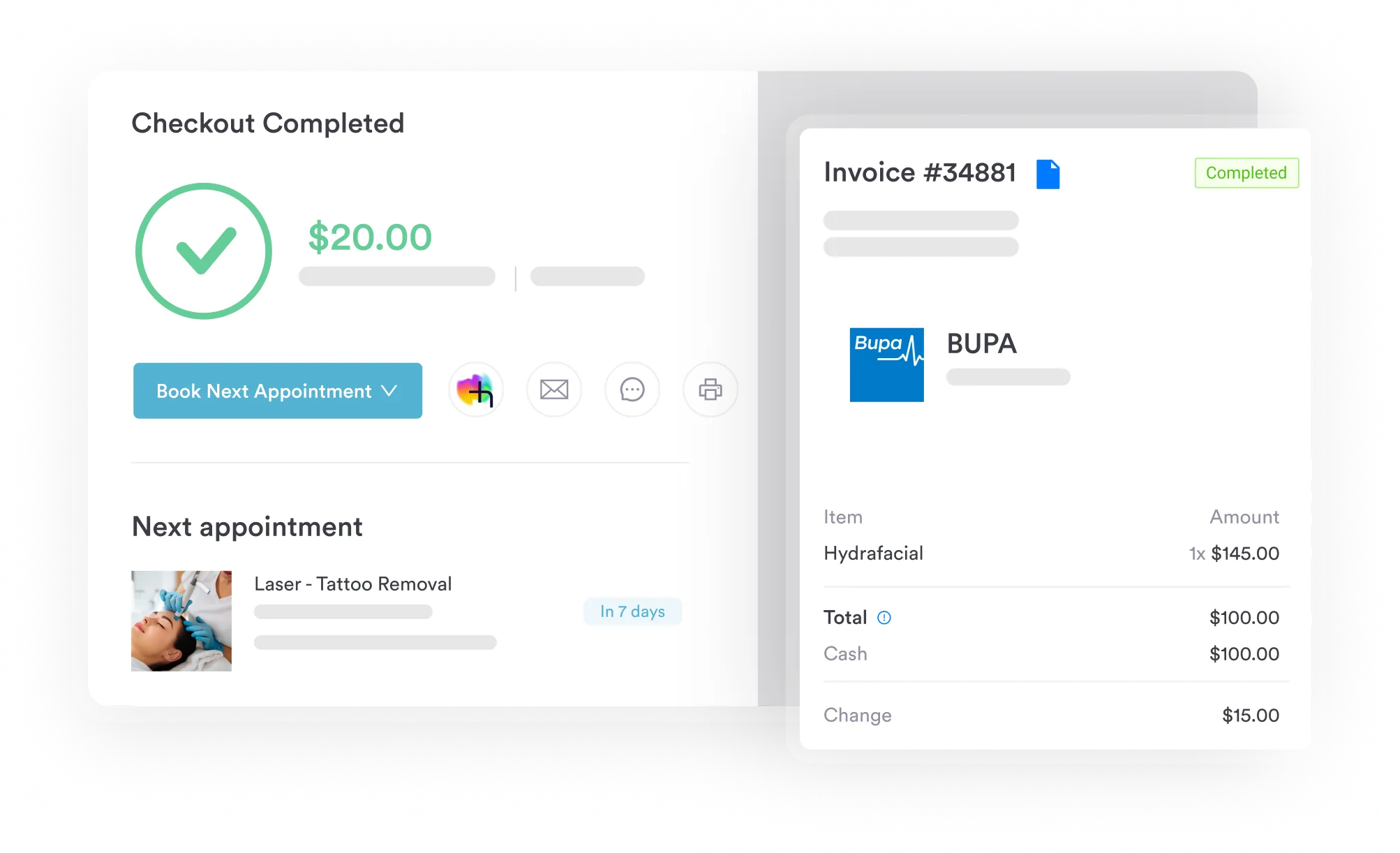
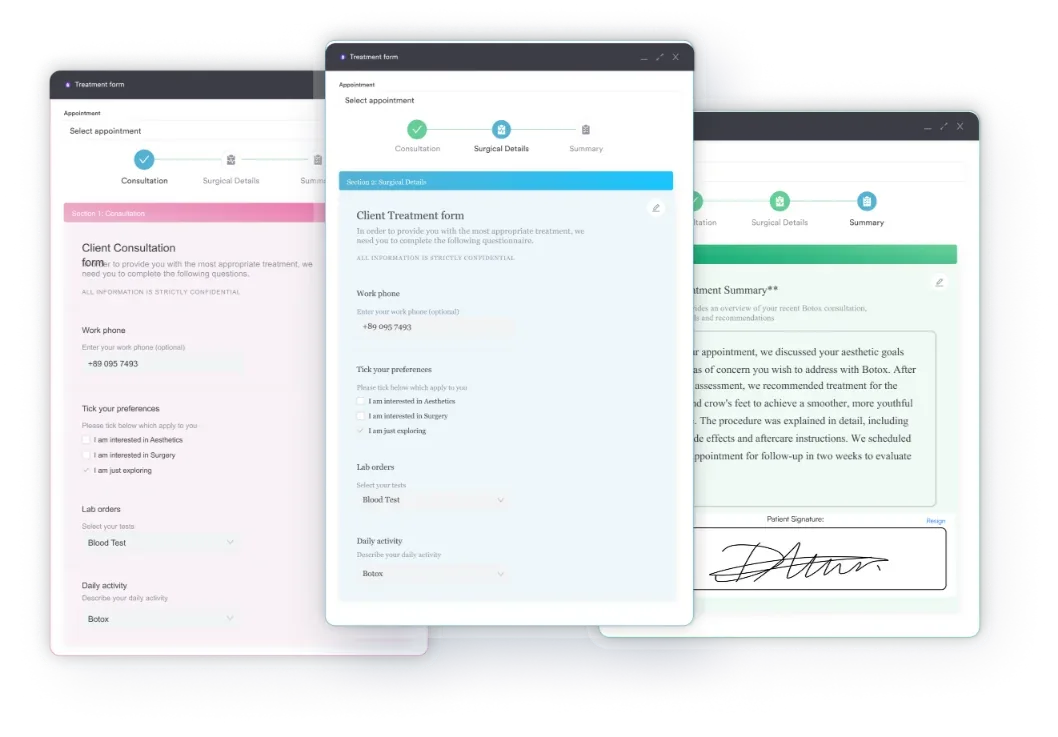
Using digital forms for private clinics to capture patient consent and insurance details at the point of booking reduces the risk of missing information at claim time. When patient data is collected digitally and linked to the patient record, the relevant fields carry through automatically to the billing workflow.
Verify CCSD code 0054S in the live CCSD Schedule before every claim run, not just when you first set up the code. CCSD releases coding principles bulletins several times a year, and narratives or chapter placements can change. A code that was correct last quarter may have been updated. Build a quarterly code audit into your billing calendar and flag any amended codes before they generate rejections.
The CCSD Technical Guide (October 2025 edition) sets out the coding conventions that apply across the schedule. For diagnostic investigations, the principles that matter most are using the correct current code, not splitting a bundled panel of tests into separate charges, and making sure the clinical record justifies the test. What follows covers the error categories that most often affect CCSD diagnostic claims.
As a laboratory investigation, 0054S is usually requested by a consultant or specialist and processed by a pathology laboratory that offers the assay. Two things are worth checking before you bill.
First, whether beta-mannosidase is being run on its own or as part of a lysosomal enzyme panel – if it is part of a panel, follow the CCSD and insurer rules on how the panel is coded rather than billing each enzyme separately. The same panel-billing principle applies to other CCSD-coded panels.
Second, whether the requesting specialist and the laboratory are both recognised by the patient’s insurer, since recognition affects whether the claim is paid.
Insurers set their own rules on which diagnostic tests they cover and at what fee. Always check the insurer’s fee schedule for 0054S before carrying out the test, so the patient knows in advance whether it is covered and you avoid billing surprises later.

Pabau helps UK private clinics submit CCSD-coded claims via Healthcode, track claim status, and maintain the audit-ready patient records insurers expect. See how it works for your practice.

Pre-authorisation is not a formality in UK private healthcare billing. For most CCSD codes, including diagnostic tests like 0054S, the insurer wants an authorisation reference number before it will process a claim. Submitting without one is among the most common and most avoidable reasons for rejection.
Understanding the features that save private practices time in billing usually starts here: a pre-authorisation step built into the booking workflow, rather than added as an afterthought at the point of invoicing.
Each insurer handles pre-authorisation differently. Bupa uses an online portal and may also handle authorisation by telephone for urgent cases. AXA Health has a specialist forms portal that supports online authorisation requests. The Exeter requires the patient to contact the insurer directly with the CCSD code provided by the specialist before the test takes place. Vitality and Allianz Care have their own portal-based processes.
The key practical point: the authorisation process should begin at booking, not at invoicing. If your practice management system can flag missing authorisation references at appointment creation, that single workflow step prevents a significant proportion of rejected claims.
For private healthcare billing in the UK, clinical documentation serves a dual purpose: it supports the patient’s clinical record and provides the evidence an insurer may request when auditing a claim. For CCSD code 0054S, the record should:
UK GDPR and data protection obligations apply to all patient billing records. For a practical framework covering both clinical documentation and data handling.
Keep a dedicated CCSD billing log for each insurer. For each claim submitted, record the CCSD code, authorisation number, submission date, Healthcode reference, and outcome. When an insurer queries a claim, having this log means you can respond with precise information in minutes rather than hours. A spreadsheet works; a practice management system with built-in claim tracking works better.
UK private clinics and specialists billing under CCSD codes face a specific operational challenge: they need to keep patient scheduling, clinical documentation, and insurance billing in sync. When those workflows are siloed across separate systems, errors compound at each handoff. A missed authorisation reference in the scheduling system becomes a rejected claim in the billing system and a clinical note that does not match the invoice.
Practice management software like Pabau brings those workflows together. Pabau is an all-in-one practice management system built for private healthcare providers, and its claims management software supports CCSD code entry and electronic submission via Healthcode, so billing connects directly to the patient record rather than running in a separate system.
Authorisation references captured at booking carry through to the invoice automatically, cutting the most common source of rejection errors. For diagnostic tests like 0054S, Pabau also connects to laboratory partners such as The Doctors Laboratory, so test requests and results can sit alongside the billing record.
For clinics concerned about CQC compliance requirements for private clinics, Pabau’s documentation workflow is designed to produce audit-ready records. Every clinical note is timestamped, attributed to the treating clinician, and linked to the relevant appointment and invoice, which matches the documentation standard insurers expect when reviewing CCSD-coded claims.
Private practices that have recently started running a private practice alongside NHS work. The time saved on manual claim entry, query responses, and rejection follow-up adds up quickly across a high-volume billing practice.
CCSD code 0054S covers beta-mannosidase activity – a diagnostic pathology test that helps identify beta-mannosidosis, a rare inherited enzyme disorder. Billing it well comes down to the same fundamentals as any CCSD claim: confirm the current narrative in the live schedule, secure pre-authorisation before the test, document the clinical reason for ordering it, and submit electronically via Healthcode.
Because it is a diagnostic investigation rather than a procedure, getting the code type right at submission is what matters most for this code.
Pabau’s claims management software brings CCSD code entry, Healthcode submission, and clinical documentation into one connected workflow, reducing the manual steps where errors typically occur. To see how it works for your private practice, book a demo with the Pabau team.

Need a complete reference for Bupa CCSD billing? guide to Bupa’s CCSD codes covers the full Bupa submission process, fee schedule structure, and most common rejection reasons for UK private clinics.
Coding puerperal osteomalacia next? M83.0 puerperal osteomalacia guide covers the 2026 billing status, the eight M83 subcodes, and the documentation payers expect.
Coding dialysis-related bone disease? M83.4 dialysis osteomalacia coding covers the metabolic bone disorder in long-term dialysis patients and why coders often default to the wrong generic code.
For more on how other diagnostic and procedural investigations are coded and billed under the CCSD Schedule, see:
CCSD code 0054S covers beta-mannosidase activity, a diagnostic biochemical pathology test used in UK private healthcare. It measures how well the enzyme beta-mannosidase is working – usually from a blood sample – and helps diagnose beta-mannosidosis, a rare inherited lysosomal storage disorder. The code sits within the CCSD Schedule maintained by the Clinical Coding and Schedule Development Group.
A specialist may order the test when a patient has symptoms that suggest a lysosomal storage disorder and beta-mannosidosis is one of the possibilities. Markedly low beta-mannosidase activity supports the diagnosis, which is then usually confirmed with genetic testing of the MANBA gene. The enzyme test is often run as part of a wider lysosomal enzyme panel.
All major UK private medical insurers use CCSD codes as the industry standard, including for diagnostic tests – Bupa, AXA Health, Allianz Care, Vitality Health, and The Exeter among them. Reimbursement amounts and pre-authorisation requirements are set by each insurer individually and are not determined by the CCSD Group itself.
Pre-authorisation requirements depend on the patient’s insurer and policy. The Exeter requires pre-authorisation before any treatment or test; Bupa and AXA Health handle authorisation through their online portals. Contact the patient’s insurer directly before the test to confirm whether authorisation is required for 0054S under that specific policy.
Electronic submission in UK private healthcare uses Healthcode, the industry-recognised clearinghouse. Enter CCSD code 0054S, attach the pre-authorisation reference number, include any supporting information the insurer requires, and submit via Healthcode or directly through the insurer’s provider portal. Practice management software with Healthcode integration automates much of this and reduces manual entry errors.