CPT code 93503: Swan-Ganz catheter billing and modifiers
CPT code 93503: Official descriptor and procedure overview In the AMA CPT code s...

Last Updated: Oct 23, 2026

CCSD code 0607U does not exist as a native CCSD code: 0607U is a US CPT Proprietary Laboratory Analysis (PLA) code for EMMA (Endometrial Microbiome Metagenomic Analysis), an Igenomix test using RT-PCR across 31 bacterial targets, not a CCSD procedure code.
UK private practices billing this test should use the closest applicable CCSD diagnostic or procedural code and contact CCSD if no standard code fits the procedure.
Coverage varies by insurer: Bupa, AXA Health, Aviva, and Allianz Care each apply their own medical policies to reproductive lab tests; some classify microbiome testing as investigational.
Practice management software like Pabau supports CCSD-coded electronic claim submission via Healthcode, reducing manual errors for UK private reproductive medicine practices.
UK billing administrators searching for CCSD code 0607U often hit a wall. The code identifies EMMA (Endometrial Microbiome Metagenomic Analysis), a molecular diagnostic from Igenomix, in US coding databases and on US payer policy notifications. Reproductive medicine labs use it when submitting claims under American insurance systems.
But search the CCSD Schedule of Procedures and you will not find it. That is not a database error.
This guide explains what 0607U actually is, why UK practice staff encounter it, and how to handle endometrial microbiome testing billing correctly under the CCSD system used by Bupa, AXA Health, Aviva, Allianz Care, and other major UK private health insurers.
The short answer: CCSD code 0607U is not a CCSD code at all. It is a CPT Proprietary Laboratory Analysis (PLA) code issued by the American Medical Association (AMA) under the US Current Procedural Terminology system. All codes in the 0001U-0999U range are AMA PLA codes by definition, assigned to specific proprietary laboratory tests offered by named commercial labs.
CCSD codes, by contrast, are the UK private healthcare sector’s standard for procedure and diagnostic billing. Maintained by the Clinical Coding and Schedule Development group and administered by Grant Thornton UK LLP, CCSD codes follow a distinct numeric format, typically five digits prefixed by chapter, such as W8520 for skin procedures.
CCSD code A7520 follows the same shape, covering a thoracic sympathectomy diagnostic block in Chapter 3. A chapter letter in front of four digits is the quickest test, and 0607U fails it.
CCSD code C2910 fits the pattern as well, covering puncto-canaliculoplasty under the Chapter 4 lacrimal system category. Surgical and diagnostic entries share that format, so the chapter letter test works for either. Look at E4210 for tracheostomy in the ear, nose and throat chapter and the rule holds there too.
The two systems are entirely separate. There is no direct code-to-code equivalence between CPT PLA codes and CCSD codes.
Confusion arises for two reasons. First, UK fertility and reproductive medicine labs sometimes process samples using test methodologies originally developed for and coded under US laboratory billing conventions. Second, some electronic billing platforms display US CPT codes alongside CCSD codes in search results, creating the impression that 0607U is a valid billing code in both markets.
It is not valid under the CCSD system.
A code string can also sit in both schedules with two different meanings. CCSD code A0380 covers stereotactic radiotherapy in the UK, while the identical US HCPCS entry means basic life support ambulance mileage.
According to the AMA’s CPT code set, PLA code 0607U describes an endometrial microbiome assessment via real-time polymerase chain reaction (RT-PCR) measuring 31 bacterial targets, marketed as EMMA. The related code 0608U covers ALICE (Analysis of Infectious Chronic Endometritis), a companion Igenomix test that screens for specific pathogenic bacteria linked to chronic endometritis, rather than the same broader microbiome panel.
Both fall under the reproductive medicine category of PLA codes and are used in the US context for endometrial receptivity and IVF preparatory investigations.
For UK providers, this clinical context matters even if the code itself does not apply. The test measures the composition of the uterine microbiome to assess its suitability for embryo transfer, typically during IVF treatment cycles. Understanding what the test does helps UK billing staff identify the right CCSD code for it.
The endometrial microbiome assessment covered by CPT 0607U is a relatively new laboratory investigation. It analyses the bacterial composition of the endometrial lining using RT-PCR, identifying whether a patient’s uterine environment is dominated by Lactobacillus species, considered optimal for implantation, or disrupted by a broader range of pathogenic bacteria.
Clinically, this test is used in fertility practices to guide decisions about embryo transfer timing and antibiotic pre-treatment. Results typically categorise patients as having a Lactobacillus-dominant (LD) or non-Lactobacillus-dominant (NLD) endometrial profile, with NLD profiles associated with lower implantation rates in some published studies.
Endometrial receptivity investigations like this one are often ordered alongside other fertility diagnostics. Fertility practices managing high test volumes increasingly rely on dedicated IVF clinic management software to keep diagnostic results, consent, and billing aligned in one system.
US payer coverage for 0607U is evolving. Coverage decisions continue to vary by plan and state, and many payers treat endometrial microbiome testing as an emerging rather than established technology, subject to active review. UK practices should not extrapolate US coverage decisions to UK insurer policies.
The US payer landscape does reflect a broader pattern. Reproductive microbiome testing remains subject to medical necessity review in most markets.
Since 0607U has no direct CCSD equivalent, UK private practices offering endometrial microbiome testing have two practical options. The right path depends on whether the lab is an in-house facility or an external laboratory to which specimens are referred.
Other novel laboratory panels have lacked a matching CCSD code before an equivalent was added. CCSD code 0047G for a cardiology gene panel and CCSD code 0054S for a metabolic enzyme assay both went through the same code-request process described below.
The CCSD official website hosts the Schedule of Procedures behind a member login. If your practice does not yet have access, registration is available directly on the site. The schedule is comprehensive. As of the February 2026 edition, it contains 2,859 procedure codes across 20 chapters.
The CCSD Technical Guide (October 2025) explains how codes are structured and how to apply coding principles when no exact match exists for a novel test.
CCSD codes for gynaecological and reproductive medicine procedures sit primarily in Chapter 5 (Pathology and Laboratory) for diagnostic tests and in the relevant surgical chapters for procedural interventions. When searching for an endometrial test code, use terms such as “endometrial,” “uterine biopsy,” or “microbiological analysis” rather than the test brand name or the CPT descriptor.
The CCSD system is coded by anatomical site and procedure type, not by proprietary test name.
For OB/GYN practices already billing reproductive medicine procedures, the same search approach applies for any new test that enters clinical practice before a dedicated CCSD code is created. Practices comparing clinical systems can also review our roundup of the best gynecology EHR options. Document your code selection rationale and keep a record of any CCSD correspondence confirming the appropriate code.
Practices standardizing referral documentation for these cases often start from a structured infertility consultation notes template, keeping the clinical indication and prior test results consistent across referrals.
Contact CCSD directly at ccsd@uk.gt.com when a new or bespoke test has no clear matching code in the schedule. Include the test methodology, clinical indication, and any published clinical evidence. CCSD aims to respond within 14 days and may issue interim coding guidance while a formal code addition is considered.
Coverage for endometrial microbiome assessment varies significantly across UK private health insurers. Most policies distinguish between fertility treatment, usually excluded from standard private medical insurance (PMI) policies, and diagnostic investigations for a pre-existing gynaecological condition, sometimes covered.
The distinction matters because microbiome testing may be ordered either as part of an IVF workup or as a standalone diagnostic for recurrent implantation failure.
The Allianz Care UK recognition page provides the current UK fee schedule for download and uses CCSD codes as its standard throughout, covering procedures across all major chapters. Checking the fee schedule against the CCSD code you intend to use for endometrial testing will confirm whether Allianz Care has a published rate for it.
Bupa’s procedure code search is available at codes.bupa.co.uk and allows providers to verify whether a specific code is recognised and at what reimbursement level.
For practices dealing with Bupa procedure code fee schedules regularly, always check the current schedule rather than relying on rates from previous years. Bupa updates its fee schedule periodically and may reclassify or revise payment rates for diagnostic laboratory tests. The same applies to Australian MBS billing, which changes descriptors and fees periodically, so a year-old printout is not a safe reference.
Most UK private insurers require pre-authorisation for reproductive medicine investigations, including novel laboratory tests. Submitting a claim for an endometrial microbiome test without prior authorisation is one of the most common reasons for denial in this clinical area.
Before the test is performed, confirm with the insurer whether it falls within the patient’s policy coverage and obtain a written authorisation reference.
Endometrial microbiome testing is sometimes performed alongside a diagnostic hysteroscopy in the same treatment episode. In the US, hysteroscopy is billed under a separate CPT code: UK practices billing both procedures should code each one individually rather than bundling them under a single CCSD entry.
Some insurers classify endometrial microbiome testing as investigational, meaning coverage may be refused even with pre-authorisation unless the clinical indication meets specific criteria. For patients with recurrent implantation failure, clinicians should document the medical necessity clearly in the referral letter and include published evidence supporting the test’s diagnostic value in the pre-authorisation request.

Pabau’s claims management tools support electronic CCSD claim submission via Healthcode, reducing errors and speeding up reimbursement for UK private reproductive medicine practices.

Billing an endometrial microbiome test correctly under CCSD is only part of the compliance picture. UK private labs performing RT-PCR-based microbiome analysis must also meet regulatory and data governance requirements specific to the UK.
Labs performing endometrial microbiome assessments should hold UKAS (UK Accreditation Service) accreditation under ISO 15189 for medical laboratories. Most UK private insurers require lab accreditation as a condition of recognising test results for reimbursement. Billing a test performed by a non-accredited lab risks claim denial even if the CCSD code itself is correct.
Endometrial microbiome data is genetic and health data under the UK General Data Protection Regulation (UK GDPR), classified as a special category. Practices must obtain explicit informed consent before processing this data, document the legal basis for processing, and retain data only for as long as clinically necessary.
The ICO (Information Commissioner’s Office) is the relevant supervisory authority. Practices handling microbiome test data as part of their billing and clinical workflows should review their UK GDPR compliance checklist to confirm data handling processes are adequate.
The MHRA (Medicines and Healthcare products Regulatory Agency) regulates in vitro diagnostic devices (IVDs) in the UK. An RT-PCR kit used for endometrial microbiome analysis may be subject to IVD regulations depending on whether it is a CE-marked or UKCA-marked commercial kit or an in-house developed test (IDT).
Labs should confirm regulatory status with the manufacturer and document this in their quality management records. This has no direct impact on CCSD billing but is relevant to the lab’s compliance obligations and may affect insurer acceptance of test results.
Keep a billing log that records, for each endometrial microbiome test billed: The CCSD code used, the insurer pre-authorisation reference, the lab accreditation number, and the date of patient consent. This creates a clear audit trail if an insurer queries a claim months after submission.
Several billing errors appear repeatedly when practices first begin submitting claims for this type of test. Most are avoidable with the right preparation.
Practices running integrated claims management software can reduce several of these errors through automated code validation and submission workflows. For sexual health and reproductive medicine clinics handling high volumes of insurer-billed diagnostic tests, building these checks into the billing workflow rather than relying on manual review significantly lowers the denial rate.
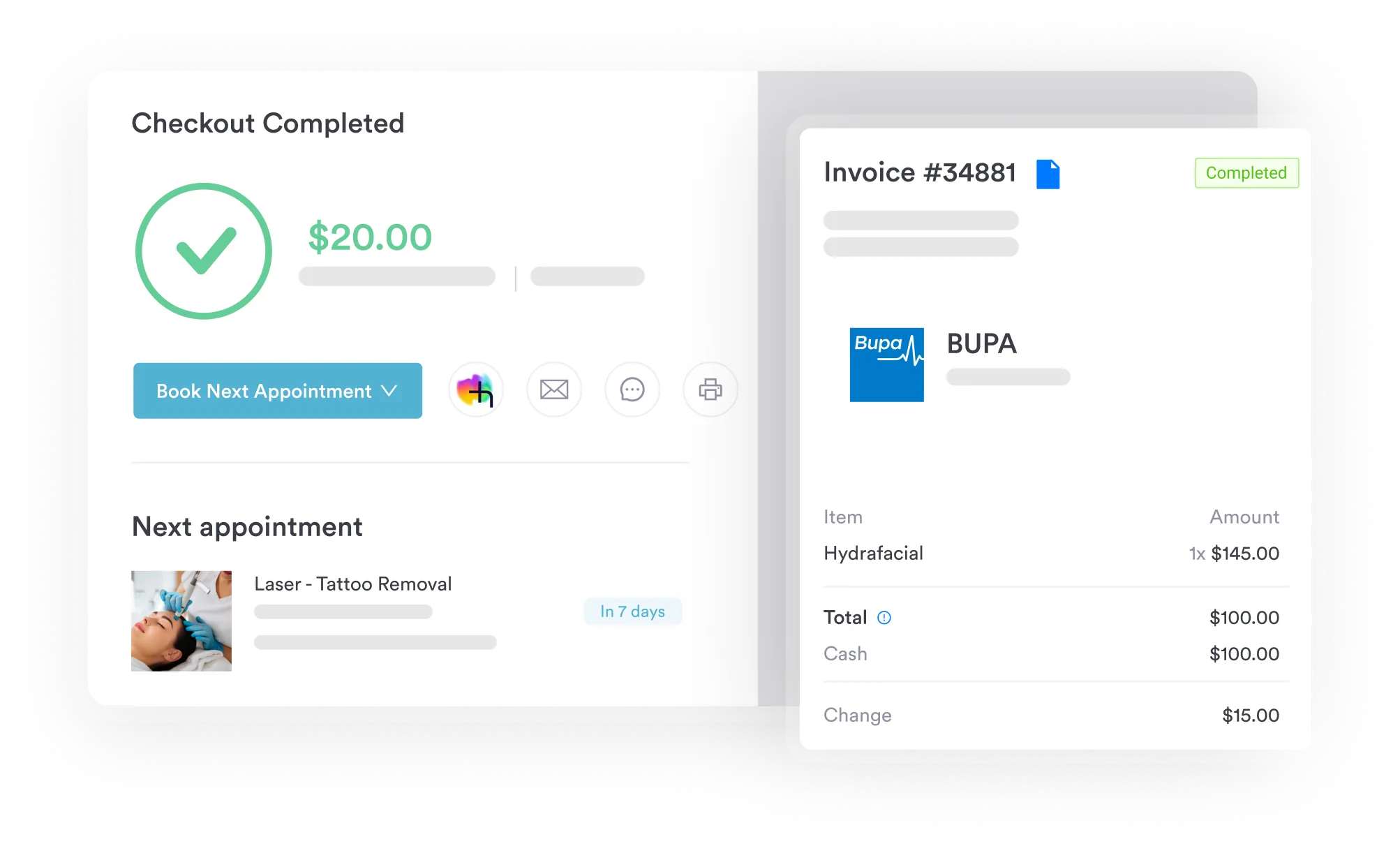
Electronic submission via Healthcode, the UK private healthcare claims clearinghouse, provides real-time validation against insurer rules at the point of submission. Practices not yet submitting electronically through Healthcode should consider this as a priority step for reducing claims processing time.
Pabau’s lab management tools support the documentation side of this workflow, linking test orders, results, and billing codes within a single patient record.
CPT code 0607U is a US PLA code for endometrial microbiome assessment, marketed as EMMA, and has no direct equivalent in the CCSD system. UK private practices encountering this code should use the closest applicable CCSD diagnostic or procedural code, obtain insurer pre-authorisation before the test is performed, and contact CCSD directly if no suitable code exists.
Getting this right requires clean documentation, current fee schedule data, and electronic submission that validates codes against insurer rules before claims leave the practice. Pabau’s claims management software supports CCSD-coded electronic submission via Healthcode, reducing the manual work involved in managing these edge cases for UK fertility and reproductive medicine practices.
To see how Pabau handles billing workflows for private reproductive medicine, book a demo.

Billing a compression therapy device instead? pneumatic compression appliance billing guide covers the full leg pneumatic appliance billed separately from its compressor unit.
Billing for IVF and reproductive medicine procedures? IVF CPT codes explains the US CPT codes used for in vitro fertilisation procedures, useful context for UK labs working across both billing systems.
Managing fertility patient records and billing in one place? Fertility clinic software shows how Pabau supports scheduling, documentation, and claims for UK fertility practices.
CCSD code 0607U is a common search term, but 0607U is not a native CCSD code. It is EMMA, a US CPT Proprietary Laboratory Analysis (PLA) code from Igenomix describing an endometrial microbiome assessment via RT-PCR for 31 bacterial targets. UK private healthcare billing uses the CCSD Schedule of Procedures, which does not include US PLA codes. UK practices should use the closest applicable CCSD diagnostic or procedural code instead.
CPT code 0607U covers EMMA, an endometrial microbiome assessment using real-time polymerase chain reaction (RT-PCR) to identify 31 bacterial targets in the uterine lining. It is used in reproductive medicine to assess whether the endometrial environment is suitable for embryo transfer during IVF treatment. The related code 0608U covers ALICE (Analysis of Infectious Chronic Endometritis), a companion Igenomix test that screens for specific pathogenic bacteria linked to chronic endometritis, rather than the same broader microbiome panel.
Log in to the CCSD schedule at ccsd.org.uk and search Chapter 5 (Pathology and Laboratory) using anatomical terms such as “endometrial” or “uterine microbiological analysis” rather than the test brand name or US CPT descriptor. If no suitable code exists, contact CCSD at ccsd@uk.gt.com with a description of the test methodology and clinical indication. CCSD aims to respond within 14 days. CCSD code 0048F is a recent example of a procedure that went through this same process.
All major UK private health insurers use CCSD codes as the standard for procedure and diagnostic billing, including Bupa, AXA Health, Aviva, Allianz Care, Cigna UK, VitalityHealth, WPA, Healix, Freedom Health, and The Exeter. Each insurer publishes a fee schedule based on CCSD codes, which providers can access through their respective provider portals.
Coverage depends on the insurer and the clinical indication. Most standard PMI policies exclude fertility treatment, but endometrial microbiome testing ordered as a diagnostic investigation for a gynaecological condition, such as recurrent implantation failure, may be covered by some policies. Always obtain written pre-authorisation from the insurer before the test is performed, as coverage terms vary and some insurers classify this test as investigational.