Antipsychotic medication list
An antipsychotic medication list is a structured reference that organizes psychi...

2
Last Updated: Oct 13, 2026

The Drinking Motives Questionnaire-Revised (DMQ-R) is a validated 20-item self-report assessment, developed by Cooper (1994), measuring why clients drink.
Four subscales assess distinct motives: Social (drinking with others), Coping (managing emotions), Enhancement (positive feelings), and Conformity (fitting in).
The DMQ-R takes 5-10 minutes to complete and uses a 5-point frequency scale; a validated 12-item short form (DMQ-R SF) exists for brief assessments.
Clinical teams use DMQ-R results in psychiatric intake workflows and motivational interviewing to identify treatment targets.
The free template on this page is a 12-item practical clinical form based on the DMQ-R’s four motive categories — a quick conversation-starter, not a substitute for the fully validated 20-item DMQ-R described in this guide.
A practical 12-item clinical form based on the four DMQ-R motive categories-Social, Enhancement, Coping, and Conformity-built as a quick, non-diagnostic conversation-starter for mental health, substance use, and counseling intake. This template is not the fully validated 20-item DMQ-R (Cooper, 1994); the scoring section below walks through that validated instrument’s item numbers and scoring method for clinicians who need it.
Download templateDrinking motives questionnaires help clinicians understand the underlying reasons clients consume alcohol, moving beyond simple screening to functional assessment. This guide covers the validated 20-item DMQ-R’s structure, scoring, and clinical applications in full, plus a free practical template you can use to open the conversation during intake.
The Drinking Motives Questionnaires (DMQ-R) are validated self-report instruments that measure why individuals drink. Developed by Cooper in 1994, the revised 20-item version is the most widely used across clinical, research, and population health settings. The questionnaire assesses four distinct motivational dimensions that explain alcohol consumption patterns.
It uses the same self-report format as other behavioral health intake tools.
Unlike simple screening tools that focus on consumption levels or consequences (AUDIT’s quantity/frequency questions, CAGE’s yes/no dependence screen), drinking motives questionnaires target the psychological functions alcohol serves. This functional understanding enables more precise automated assessment workflows and treatment planning tailored to each client’s drinking patterns.
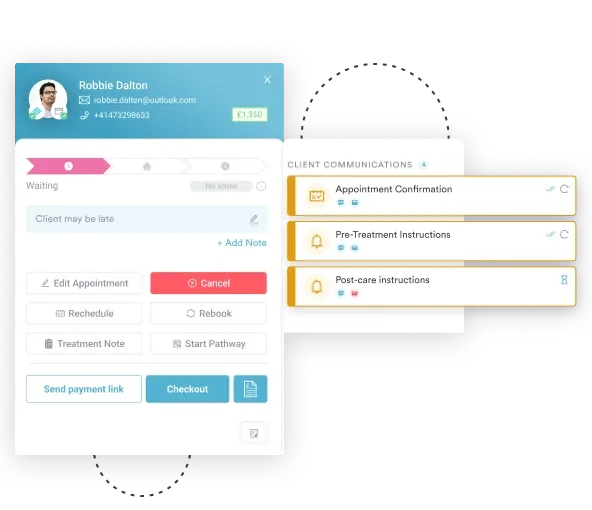
The DMQ-R measures four distinct motivational domains. Each subscale contains 5 items rated on a 5-point frequency scale (almost never/never to almost always/always). Understanding which motives drive a client’s drinking informs targeted intervention.
Coping motives are clinically significant-research shows they predict heavier drinking patterns and greater risk for alcohol use disorder. Identifying high coping scores early allows clinicians to build parallel emotion-regulation skills before alcohol dependency develops.
Three versions of the drinking motives questionnaires exist. Each serves different assessment contexts and populations.
Most clinics use the 20-item DMQ-R as the standard. Its brevity and psychometric strength balance assessment depth with client burden. The short form suits high-volume screening; the three-factor original DMQ (Cooper, Russell, Skinner & Windle, 1992) predates the conformity subscale and is typically reserved for research comparing historical datasets.
Many practices log scores like these in measurements tracking software, so progress charts update the moment a reassessment is saved.
Administration is straightforward. Clients complete the questionnaire independently in the waiting room, during intake. The clinician then reviews responses to shape the assessment and treatment conversation.
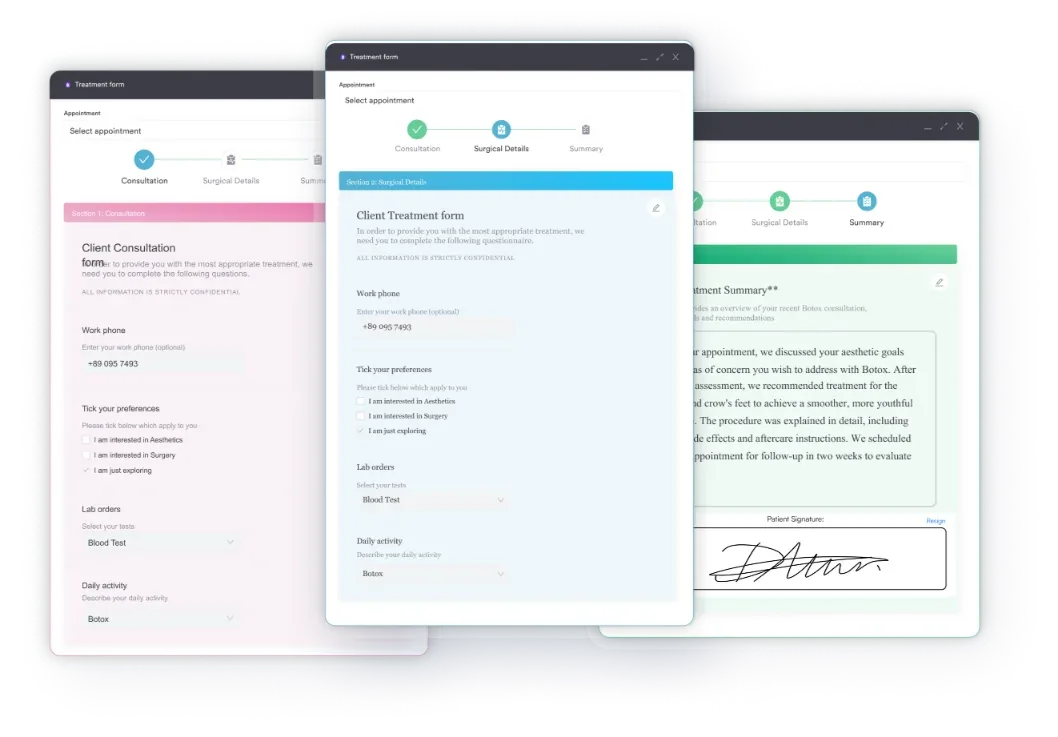
Clients often find completing drinking motives questionnaires validating-the tool names the psychological functions they may not have articulated, opening conversations about coping skills, social influence, and change readiness.
Scoring the DMQ-R is manual and straightforward. Each item receives a raw score (1-5 based on the frequency scale). Subscale scores are the sum of the 5 items assigned to that subscale, giving a possible range of 5-25 per subscale. This produces four subscale scores, not a single total score.
Interpretation: Each subscale score ranges from 5 (almost never) to 25 (almost always). Higher scores indicate stronger endorsement of that motive. No cutoff scores define “high” or “low”-clinicians interpret relative elevation across the four subscales within the client’s profile.
A client with a high Coping score and a low Social score suggests emotion-regulation drinking in solitary contexts, quite different from a profile with high Social and Enhancement scores.
The DMQ-R demonstrates strong reliability and validity across populations. Validation studies typically report internal consistency (Cronbach’s alpha) of 0.80-0.89 across subscales, with test-retest reliability over two to six weeks in the 0.70-0.84 range-indicating stable trait measurement rather than a one-off reading.
Originally validated with adolescents and young adults, the DMQ-R has since been used with adult community and clinical samples, including populations with alcohol use disorder, across multiple countries. It wasn’t, however, specifically designed or normed for a broad adult age range.
Researchers responded by developing a related but distinct instrument, the Drinking Motives Questionnaire for Adults (DMQ-A), purpose-built and validated for adults aged 25-65. It swaps the DMQ-R’s conformity dimension for confidence and taste motives more relevant to that population.
Drinking motives questionnaires earn their clinical value in therapy practice management, where results guide motivational interviewing and skills-building. A client with high Coping scores benefits from emotion-regulation training. High Social scores suggest peer-influence work and refusal skills. High Enhancement scores align with values clarification and non-chemical alternatives to reward. Psychological assessment is only as useful as the record that keeps it comparable over time.
Treatment mapping: Conformity motives call for peer-pressure management and assertiveness training, introduced alongside the coping and enhancement work described above. Structured tools like a resilience worksheet can support coping-motive work between sessions. Using subscale profiles rather than total scores keeps interventions specific and motivating.
The DMQ-R fills a specific niche. Unlike the AUDIT (quantity/frequency/consequences screening), CAGE (yes/no screening for dependence), or MAST (diagnostic severity), the drinking motives questionnaires target psychological function, not drinking patterns or disorder diagnosis. Each tool serves different assessment stages: AUDIT for initial screening, DMQ-R for functional understanding.
Many clinics administer AUDIT first for screening, then DMQ-R if drinking is endorsed, to understand what drives continued use.

Digital intake forms, client portals, and automated documentation tools help clinics administer and score drinking motives questionnaires efficiently without paper or manual entry.

Drinking motives questionnaires help clinicians understand why clients drink, not just how much. The validated 20-item DMQ-R maps its four subscales to evidence-based treatment targets, so formulation is faster and more precise. The 12-item form above isn’t that validated tool — it’s a quick, low-burden way to surface likely motives at intake.
Building assessments like this into digital workflows keeps administration consistent and puts findings where you need them for treatment planning. Use the template to start the conversation at intake. You can also book a demo to see how Pabau handles assessment, scoring, and treatment planning in one place.

Working with older clients too? 7 stages of dementia chart maps the symptoms and duration of each stage, from normal function to severe decline.
Need a plan once drinking motives are identified? Substance abuse treatment plan template turns assessment findings into treatment goals, measurable objectives, and relapse prevention planning.
Supporting a client through withdrawal? Alcohol withdrawal nursing care plan template supports safe tapering and monitoring.
The DMQ-R is a validated 20-item self-report assessment measuring four distinct motivational dimensions for alcohol consumption: Social, Coping, Enhancement, and Conformity. Each item is rated on a 5-point frequency scale. It was developed by Cooper in 1994 and is widely used in clinical, research, and population health settings to identify psychological functions alcohol serves for individuals.
Partly. The DMQ-R was originally developed and validated with adolescents and young adults, and has since been used in adult community and clinical samples across multiple countries. It was not, however, specifically designed or normed for a broad adult age range. For adults aged 25-65, researchers developed a related but distinct instrument-the Drinking Motives Questionnaire for Adults (DMQ-A)-purpose-built and validated for that population, replacing the DMQ-R’s conformity dimension with confidence and taste motives. Clinicians working mainly with adult populations outside the college-age range may want to consider the DMQ-A alongside the DMQ-R.
The DMQ-R SF (short form) contains 12 items (3 per subscale) and takes 2-3 minutes to complete. It sacrifices some measurement precision for speed and is suitable for high-volume screening, brief interventions, and busy clinical contexts where the 20-item version creates excessive patient burden.
You can download a free 12-item practical clinical form based on the DMQ-R’s four motive categories at the top of this page-useful as a quick, non-diagnostic conversation-starter during intake. It is not the fully validated 20-item DMQ-R itself. If you need the validated instrument for research or formal psychometric use, the University of Wisconsin’s Assessment Resource Collection (ARC) hosts the original 20-item DMQ-R questionnaire and scoring syntax free of charge for clinical and research use.
Subscale scores guide treatment planning. High Coping motives suggest emotion-regulation skills training. High Social motives point to peer-influence work and refusal skills. High Enhancement motives require alternative reinforcement and values work. Subscale profiles tailor intervention specificity and increase client motivation by addressing specific drinking functions rather than generic “quit drinking” messaging.
Neither. The drinking motives questionnaires measure psychological functions, not diagnostic criteria or severity. Use AUDIT for initial screening, DMQ-R to understand motivation for continued use, and diagnostic tools (like MINI or SCID) for disorder classification. The DMQ-R complements but does not replace diagnostic assessment.