Journal prompts for mental health
Journal prompts for mental health are guided questions that help people process ...

2
Last Updated: Oct 13, 2026

A body neutrality worksheet teaches clients to shift focus from appearance to body function and sensation, a widely used approach in body image work and eating disorder recovery.
The worksheet prompts self-reflection on body checking behaviors, body avoidance patterns, and interoceptive awareness. These are key targets in CBT and DBT eating disorder treatment.
Clinicians integrate this resource during intake, progress monitoring, and discharge planning to document shifts in client body relationship and track treatment gains.
Pabau, an all-in-one practice management system, offers digital forms and client records that keep completed worksheets secure, organized, and accessible across sessions. That eliminates paper tracking and enables progress comparison.
A therapeutic tool for clients working on body image acceptance, functional awareness, and eating disorder recovery. Includes guided prompts, affirmation exercises, and interoceptive awareness activities.
Download templateA body neutrality worksheet is a structured clinical tool that helps clients move beyond both body shame and unrealistic body positivity toward a grounded, functional relationship with their physical self.
Rather than pushing clients to “love their body,” body neutrality focuses on what the body does, its capabilities, and the sensations it provides. That shift helps in eating disorder recovery, body image work, and general mental health.
Body neutrality was popularized at the Green Mountain at Fox Run wellness retreat in Vermont, where eating disorder specialist Anne Poirier built it into a workshop around 2016. It has since become a widely used concept in eating disorder treatment and body image work.
The approach acknowledges that a person’s worth is not determined by appearance, but by internal qualities and functional capacity. This worksheet operationalizes that philosophy into actionable clinical prompts. Therapists who want a wider view of self-concept can also run the Twenty Statements Test, a free-response identity measure.
Therapists and counselors use this resource during intake assessments, progress check-ins, and discharge planning to help clients identify patterns of body avoidance, recognize body checking behaviors, and build a more neutral, compassionate internal narrative about their physical self.
A body neutrality worksheet is a guided self-reflection tool designed to help clients examine their relationship with their body in a structured way. The worksheet typically includes prompts that encourage clients to:
The worksheet turns therapeutic conversation into self-directed practice. Clients complete it outside sessions, then bring it back to review with their clinician, creating a tangible record of shifts in body perception and expanding dialogue around eating disorder recovery or body image distress.
Introducing this worksheet effectively depends on clinical timing and client readiness. The five operational steps below reflect how clinicians integrate it across the treatment arc:
Store completed worksheets in practice management software like Pabau.
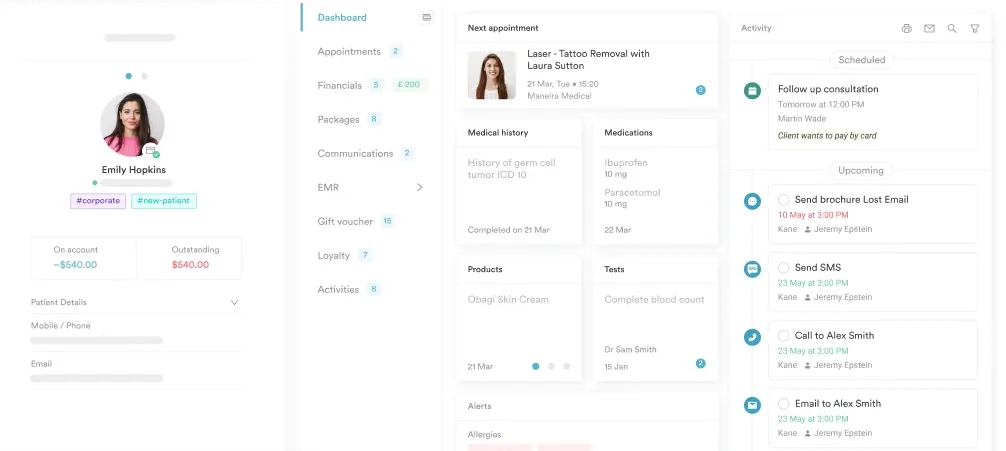
Digital forms sit at the center of practice management software, feeding records, billing, and follow-ups from one entry.
Body neutrality worksheets are effective across diverse clinical presentations and client populations:
Ensure patient compliance and engagement by framing the worksheet as collaborative, part of a shared therapeutic process rather than a homework assignment imposed from above. It slots in alongside your other body image therapy activities.
Understanding body positivity vs body neutrality helps clinicians explain the framework to clients and manage common misconceptions:
Clinicians increasingly use body neutrality with eating disorder clients who feel body shame, and outlets like the American Psychological Association have covered the shift toward function-based body image work. The worksheet turns that approach into a clinician-guided tool.
Structured assessment tools drive better outcomes. This worksheet provides measurable, documented progress:
Store and manage worksheets efficiently using digital intake forms and therapy notes within your practice management system, eliminating paper tracking and enabling rapid progress comparison.
Body neutrality complements structured evidence-based approaches to eating disorders and body image:
Cognitive Behavioral Therapy (CBT). Use the worksheet to identify automatic thoughts about appearance (“My body is disgusting”) and behavioral patterns (mirror checking, clothing avoidance) that maintain eating disorder symptoms. The functional focus directly targets cognitive distortions.
Dialectical Behavior Therapy (DBT). The worksheet supports distress tolerance and mindfulness skills by grounding clients in present-moment bodily sensation and acceptance without judgment. Those are core DBT principles. Clients with emotional dysregulation often use body awareness as a grounding anchor.
Acceptance and Commitment Therapy (ACT). Body neutrality aligns with ACT’s values-based framework: rather than fighting negative body thoughts, clients accept the thoughts while committing to behavior grounded in what they value. The worksheet guides this acceptance practice.
Each modality benefits from the structured, repeatable nature of the worksheet. Clients who struggle with abstract therapeutic concepts often experience clarity when confronted with concrete prompts and written space for reflection. Pairing it with other body acceptance activities, like mindful movement, gratitude practice, and media boundaries, shows clients how to practice body neutrality between sessions.

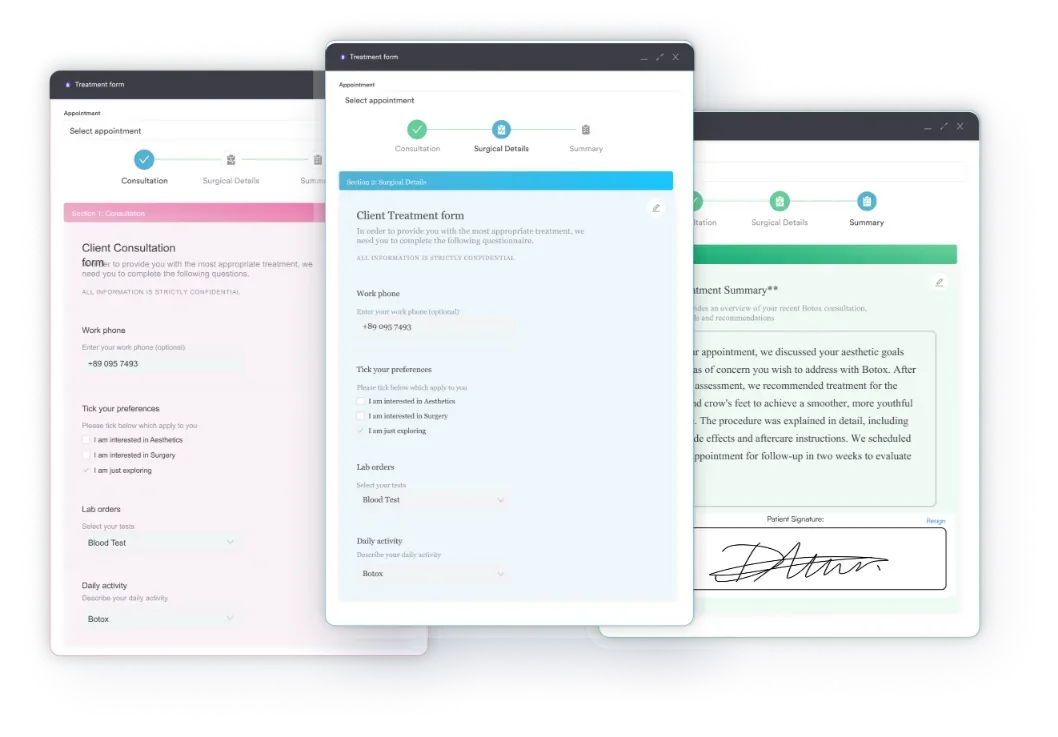
Completed body neutrality worksheets stored securely in client records, with progress comparison tools and automated clinical notes, all in one system.

Eating disorder intake and baseline assessment. A 19-year-old client presents with restrictive eating patterns and preoccupation with body shape. During intake, you introduce body neutrality as an alternative framework and assign the worksheet as homework.
At the next session, the client reports surprise at recognizing how often she checks her reflection. She had not named that pattern before, and the insight becomes the foundation for exposure-response prevention work.
Gender-affirming therapy for a transgender client. A 24-year-old non-binary client reports discomfort with their body related to gender dysphoria. Body positivity affirmations feel inauthentic; instead, you frame body neutrality as valuing what their body allows them to do and experience. The worksheet helps them notice moments when they feel grounded in their body outside the context of appearance.
Trauma recovery and somatic therapy. A 35-year-old trauma survivor has dissociated from bodily sensations for decades. You use the body neutrality worksheet to gently guide interoceptive awareness: noticing breath, temperature, muscle tension without judgment. Over weeks, the client reports feeling “back in my body” and safer in their physical self. That’s a critical breakthrough in trauma processing.
Document each use case in your patient engagement tracking and patient care management workflows to maintain continuity and measure outcomes across your entire clinical team.
Paper worksheets get lost. Digital worksheets get results.
Storing a body neutrality worksheet PDF in a mental health EMR ensures it’s never misplaced, can be assigned electronically with a click, and is instantly available for review at the next session. Unlike loose body image worksheets in PDF form, a digital copy stays tied to the client record.
Clinicians running psychology practice software across multiple sites, or supervising other therapists, benefit especially from standardized, digital worksheet workflows. Every client gets the same structured intervention. Every clinician can see which clients have completed it and compare baseline-to-current scores in seconds.
Additionally.
A body neutrality worksheet connects clinical expertise with client self-discovery. Rather than telling clients to love their bodies, this tool guides them toward acceptance grounded in function, sensation, and internal respect. That supports lasting body image work and eating disorder recovery.
Download the template above and introduce it at your next session. Store completed worksheets in your practice system so progress is visible, documented, and actionable across your team.
Over time, your clients’ language will shift, from “I hate my body” to “My body carries me through each day.” That transformation, captured and tracked in one place, is how change becomes measurable. Book a demo to see how Pabau’s secure client records and digital forms keep body neutrality work organized and integrated into your broader treatment plan.

Want a compassion-focused meditation to pair with this? Loving kindness meditation scripts guide practitioners through metta compassion-focused mindfulness without improvising language.
Screening younger clients for autism risk? M-CHAT-R screening tool flags autism risk in toddlers aged 16 to 30 months, with scoring cutoffs.
Working with couples on boundaries? Marriage boundaries worksheet covers physical, emotional, financial, social, and digital limits with a 5-step session plan.
A body neutrality worksheet is a structured clinical tool that guides clients to examine their relationship with their body through the lens of function, sensation, and capability rather than appearance. Clients complete guided prompts exploring body checking patterns, interoceptive awareness, and affirming statements grounded in body respect.
Body positivity emphasizes loving or accepting appearance; body neutrality focuses on appreciating what the body does and accepting it without requiring emotional attachment or unrealistic positivity. Neutrality is often more accessible for clients in early eating disorder recovery who feel shame about their body.
Yes. Body neutrality directly targets cognitive and behavioral patterns that maintain eating disorders, including body checking, body avoidance, and appearance-focused thoughts. The National Eating Disorders Association publishes body neutrality resources that support shifting focus from appearance to function as part of recovery.
Body neutrality worksheets benefit clients with eating disorders, body dysmorphic disorder, body image distress, gender dysphoria, trauma affecting body safety, and anxiety or depression with body image components. It works across diverse therapeutic modalities (CBT, DBT, ACT, somatic therapy).
Assign during intake as a baseline assessment; repeat every 4-6 weeks during active treatment to track progress. Use again at discharge or milestone points to document treatment gains. Frequency depends on treatment intensity and client readiness.
The National Eating Disorders Association highlights body neutrality as a useful middle-ground approach. It draws on the same CBT and DBT techniques, such as reducing body checking and avoidance, that are well established in eating disorder treatment. Body neutrality reduces shame spirals and offers a more accessible entry point than forced positivity.
Body neutrality is a middle-ground approach to body image: clients neither force self-love nor sink into body hate, but accept the body for what it does. Clinicians often pair body neutrality affirmations with simple body acceptance activities to help clients hold that steady, functional perspective.