Mental health self-care checklist
A mental health self-care checklist is a structured daily tool for tracking the ...

6
Last Updated: Oct 20, 2026

A DBT journal is a structured daily writing tool for practicing Dialectical Behavior Therapy skills between sessions.
It differs from a diary card by adding guided prompts for each DBT module, not just tracking fields.
Clients record emotions, urges, skills used, and one daily win, so patterns are visible at the weekly review.
Practice management software like Pabau stores completed journals in each client’s record, ready for the next session.
A daily journal page with guided prompts for all four DBT modules. It also carries tracking fields for emotions, urges, skills practiced, one daily win, and space for clinical notes.
Download templateMost clients struggle to practice DBT skills between therapy sessions because they have no structured way to record what happened. In a busy psychology practice, clients default to unguided journaling or skip reflection altogether. Skill retention suffers and progress slows.
A DBT journal fixes that. Unlike a daily mood chart, which records emotional states only, it pairs guided prompts with tracking fields. The prompts cover all four DBT modules: mindfulness, distress tolerance, emotion regulation, and interpersonal effectiveness.
This guide covers what the journal is, how clients fill it in each day, prompts for every module, and the fields worth tracking. The free template above is ready to print, share digitally, or customize for your practice.
A DBT journal is a structured daily reflection tool that helps clients practice Dialectical Behavior Therapy skills between sessions. Where a traditional diary invites free-form writing about the day, this journal uses guided prompts and tracking fields tied to the four core modules.
Here is how the two documents differ.
Many therapy practices use both. The diary card tracks which skills were used and how often. The journal captures what prompted the skill and what the client learned from it. A practice that has not introduced a diary card yet can start with a mood tracker bullet journal.
DBT was developed for clients living with borderline personality disorder. Therapists usually hand the journal over after assessment.
The template is built for daily use, and it sits alongside any DBT therapy worksheet your program already runs. Clients work through five steps.
Daily journaling beats sporadic entries, even at five to ten minutes a sitting. Clients who write most days of the week tend to show stronger emotional regulation and stay more engaged in therapy. On a day with no skill to review, a bank of daily journal prompts keeps the client writing.
Mindfulness is the first DBT module. It teaches clients to observe thoughts and emotions without judging them. These prompts guide that practice.
Mindfulness journaling reduces rumination and builds the observing stance that the rest of DBT depends on. Clients who prefer movement to writing can start with a mindfulness walk worksheet and journal afterward.
If your current platform cannot handle digital worksheets, compare Carepatron alternatives before committing.
Emotion regulation is the second module. It focuses on naming, understanding, and shifting difficult emotional states. Use these prompts to build that skill.
ABC PLEASE comes in two halves. ABC stands for Accumulate positive experiences, Build mastery, and Cope ahead. PLEASE stands for treat PhysicaL illness, balanced Eating, Avoid mood-altering substances, balanced Sleep, and Exercise.
Over a few weeks, these prompts train clients to recognize their own emotion cycles. They can then interrupt a cycle with a skill from their coping skills worksheet instead of a harmful habit.
These prompts earn their place after a high-stress or high-urge day. Where urges to self-harm appear, read the entry next to the client’s suicide safety plan.
Distress tolerance journaling validates how painful the moment was while showing the client that they got through it. Pair a high-urge entry with a behavior chain analysis to find the link in the chain worth targeting next.
Interpersonal effectiveness is the fourth module. It teaches clients to ask for what they need, hold a boundary, and keep the relationship intact. These prompts rehearse those conversations on paper.
These prompts build confidence in relationships without asking clients to suppress their needs or turn aggressive. That balance of acceptance and change is the heart of DBT.
The journal handles reflection. The diary card handles measurement, and its fields are what make patterns visible over a month. Standard fields include the following.
Therapists review these fields weekly to spot trends, mark progress, and adjust which skills to practice next. Ratings carried into psychotherapy progress notes keep the clinical record and the client’s own account in step.
An impulsivity test at intake also gives you a baseline to compare later urge ratings against.
A DBT caseload generates a lot of paper. Journals, diary cards, session notes, and homework arrive every week, for every client.
Practices that deliver DBT as a partial hospitalization program also bill H0035, which needs session-level documentation behind every claim. Keeping journals, notes, and skills data in one system means that evidence is already there when you bill.
The payoff is less admin, HIPAA-compliant storage for sensitive mental health records, and more of the hour spent on treatment. Therapists get to open a client’s file and see the past month at a glance.

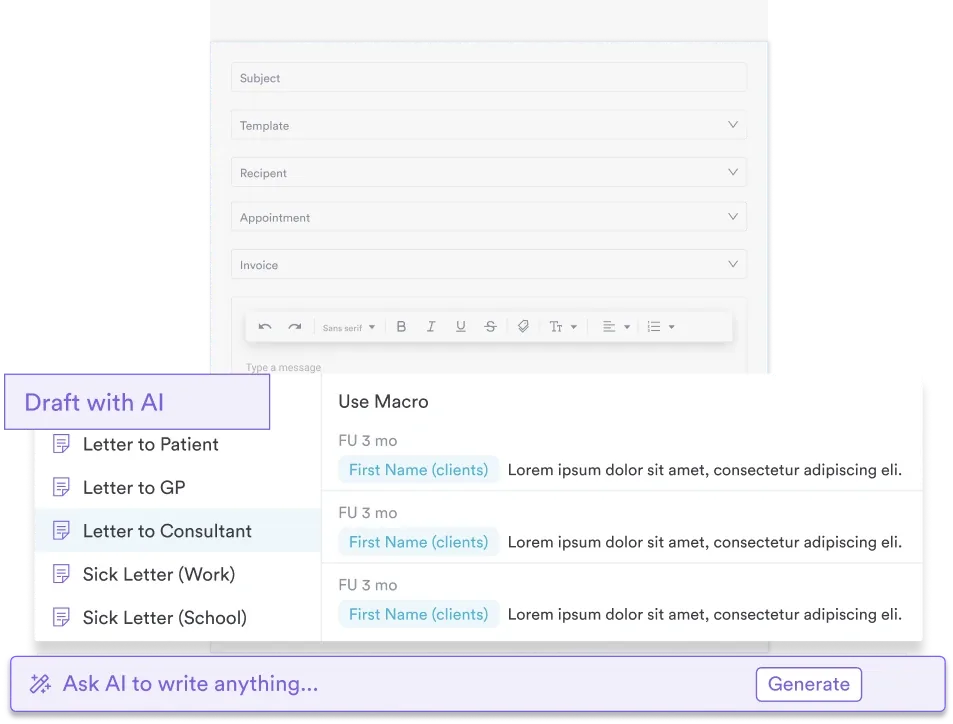
Manage journals, diary cards, progress tracking, and secure client records in one system. Everything a therapist needs for a session sits in the client’s file.

A journal only works if the client can face it on a bad day. Keep the daily entry short, pick one module at a time, and review two or three entries in session rather than all seven.
There is one trade-off worth remembering. More fields give you better data and worse compliance. Start with emotions, urges, skills used, and a daily win, then add fields once the habit holds.
Print the template, hand it out this week, and store the completed pages where your clinical notes already live. Book a demo to see how Pabau keeps DBT journals, diary cards, and progress notes in one client record.

Looking for a consent form framework for your DBT clients? Group therapy informed consent guide covers confidentiality limits, rules, and boundaries to include.
Need a lighter tracker for clients who stall on writing? The daily mood chart captures intensity ratings in under a minute a day.
Want the crisis skill clients reach for first? The DBT STOP skill breaks down how to teach the pause that stops an urge becoming an action.
Building a skills menu with a client? The coping skills checklist gives them a ready list to choose from before the next high-urge day.
Treating a teenager on your DBT caseload? The safety plan for teenagers adds age-appropriate wording and caregiver steps to the same workflow.
A diary card is a standardized grid of emotions, urges, skills, and medication, reviewed with your therapist each week. A journal adds guided prompts tied to the DBT modules and space to reflect on how a skill was applied. Many programs use both, because the card tracks patterns and the journal explains them.
Journaling can supplement self-help, but DBT was designed to be therapist-guided. A trained DBT therapist teaches the skills correctly, tailors them to you, and watches for safety concerns. Self-directed journaling alone carries risk if you are in crisis or managing urges to self-harm.
Daily entries of five to ten minutes work best. Clients who write most days of the week tend to retain skills better than those who write occasionally. Start with three days a week if daily feels like too much, because consistency matters more than length.
They are mindfulness, distress tolerance, emotion regulation, and interpersonal effectiveness. Mindfulness covers observing thoughts without judgment, and distress tolerance covers surviving a crisis without making it worse. Emotion regulation works on shifting difficult feelings, while interpersonal effectiveness covers asking for what you need.
Yes. Edit the PDF with your practice name, logo, and any extra fields your clinical model needs. Store the customized version in your practice management system so every client works from the same document.
The template itself is a blank form. Compliance depends on how you store and handle completed journals. Keep filled pages in a secure clinical records system rather than unencrypted email or a shared drive. A platform with role-based access keeps client privacy protected.