







ICD-10 code T86.42: Liver transplant failure
ICD-10 code T86.42 is the billable ICD-10-CM diagnosis code for liver transplant...

Last Updated: Sep 16, 2026

ICD-10 code V00.02XD is the billable ICD-10-CM diagnosis code for “pedestrian on foot injured in collision with roller-skates, subsequent encounter,” valid for FY2026 (effective October 1, 2025). It belongs to the V00-V09 external cause code range covering pedestrian injuries in transport accidents. Coders use V00.02XD specifically when a patient returns for routine follow-up care after the initial active treatment for a roller-skate collision injury has been completed.
Getting the seventh character right here matters: submitting the non-billable parent V00.02 or the wrong encounter character triggers denials that delay payment and require rework. This reference covers the code’s billable status, the A/D/S seventh character system, documentation requirements, POA exemption, common errors, and related codes.

V00.02XD is a billable ICD-10-CM code for a pedestrian struck by roller-skates, used only at subsequent (follow-up) encounters, not initial treatment.
The parent code V00.02 is non-billable; you must append XA (initial), XD (subsequent), or XS (sequela) to create a valid submission.
V00.02XD is exempt from Present on Admission (POA) reporting, as are all external cause codes under CMS policy.
Pabau’s claims management integration with Claim.MD supports accurate ICD-10 code submission and real-time eligibility checks for US practices.
V00.02XD is a specific, billable ICD-10-CM code. The table below captures the key reference data coders and billing teams need before submitting a claim.
The CDC/NCHS ICD-10-CM web tool provides the official tabular list for FY2026, where you can confirm V00.02XD’s billable status and its position in the V00 hierarchy. For broader context on how ICD-10-CM codes are structured and applied across clinical encounters, the NCHS documentation is the authoritative reference.
The seventh character in ICD-10-CM external cause codes designates the type of encounter: A for initial, D for subsequent, and S for sequela. Each character signals something different to the payer about where the patient is in their care episode.
Character D (subsequent encounter) applies when active treatment has concluded and the patient returns for wound checks, physical therapy, cast or splint changes, or other routine recovery management. The injury itself does not need to be fully resolved. The distinguishing factor is that the provider is no longer delivering acute intervention.
Character S (sequela) is not interchangeable with D. Sequela applies when the presenting condition at the visit is a late effect caused by the original roller-skate collision injury, such as chronic joint instability that develops months later. That distinction matters for accurate medical billing and for payer audits.
All three billable child codes under V00.02 describe the same mechanism: a pedestrian on foot struck by roller-skates. The only variable is the care stage. A common denial trigger is selecting V00.02XA for every visit by default, including follow-up appointments where D is correct.
The CMS ICD-10-CM coding page publishes annual guidelines that confirm this A/D/S framework. ICD-10-CM Official Guidelines for Coding and Reporting, maintained by NCHS and CMS, define subsequent encounter as covering the healing and recovery phase regardless of whether healing is complete at the time of the visit.
V00.02XD applies in any situation where a pedestrian who was previously injured by roller-skates returns for follow-up care after active treatment concluded. The visit purpose drives the character selection, not the date or the number of visits.
In each scenario, the visit is routine and recovery-oriented rather than acutely therapeutic. If the provider is administering a new procedure or surgical intervention for the same injury, reconsider whether V00.02XA applies again for that specific encounter.
Tracking these follow-up encounters accurately is where practice management tooling matters. Pabau’s patient records system allows clinicians to document encounter type and care stage within the clinical note, supporting accurate ICD-10 seventh character selection at the point of care.
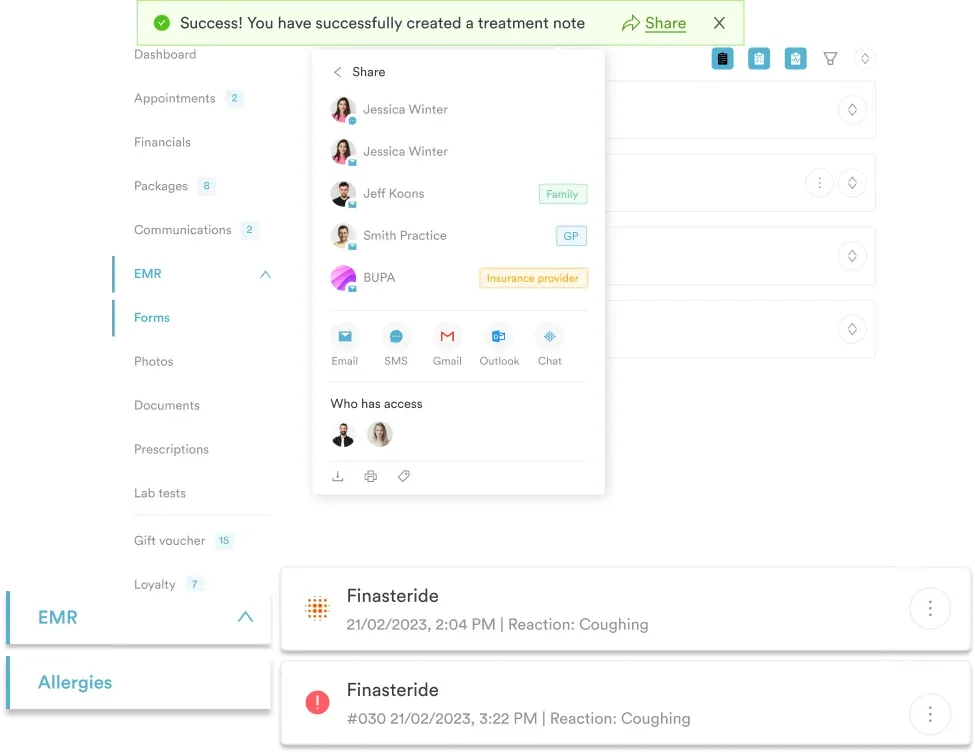
Document the care stage explicitly in the encounter note. A phrase like ‘patient is in recovery phase; initial fracture management completed at [facility] on [date]’ gives the coding team the context needed to assign character D confidently and defends the selection in a payer audit.
External cause codes like V00.02XD require supporting clinical documentation. The medical record must establish both the mechanism of injury (collision with roller-skates) and the stage of care (subsequent encounter) clearly enough for a coder to assign the code without inference.
The AAPC ICD-10-CM code reference highlights that external cause codes are supplemental and must accompany the primary diagnosis code, not replace it. For practices managing medical billing compliance, building documentation templates that capture encounter type, mechanism, and primary diagnosis in a structured format reduces coder ambiguity.
V00.02XD is exempt from Present on Admission (POA) reporting. POA exemption means hospital coders are not required to report whether this external cause code was present at the time of admission.
CMS policy exempts all external cause of morbidity codes (the V00-Y99 range) from POA requirements. Because V00.02XD describes the cause of the injury rather than a clinical condition, it cannot logically be “present on admission” in the way a comorbid disease can. This simplifies inpatient coding workflow for facilities using this code alongside principal diagnosis codes on hospital claims.
For outpatient claims, POA reporting does not apply at all, so the exemption is relevant only in the inpatient hospital setting. Physician office and outpatient facility coders can disregard the POA field for V00.02XD entirely.
These are the most frequent mistakes coders make with ICD-10 code V00.02XD and the V00.02 code family.
Understanding denial codes in medical billing helps coding teams identify which errors triggered a rejection so the right correction is made before resubmission. Claims denied for invalid code or missing required seventh character can often be corrected and resubmitted the same day when the root cause is clear.
V00.02XD sits within the V00 subcategory, which covers pedestrians on foot injured by nonmotorized conveyances. The table below maps the most relevant sibling and parent codes for reference.
The broader V00-V09 range covers all pedestrian transport accident external cause codes. For practices that see a high volume of injury follow-up visits, the WHO ICD-10 browser provides the international hierarchy, while the CDC/NCHS tool gives the US clinical modification (CM) version used for American billing. Also relevant: the ICD-10 coding approach for traumatic injuries follows the same A/D/S framework across other injury categories in the tabular list.
The ICD-10-CM Official Guidelines for Coding and Reporting, published jointly by NCHS and CMS, define subsequent encounter as the period when the patient receives “routine care during the healing or recovery phase.” Key guidance points for FY2026 include:
For practices managing complex injury cases, understanding revenue cycle management workflows ensures these coding guidelines translate correctly into submitted claims without rework. Submitting claims with Claim.MD through Pabau’s Claim.MD clearinghouse integration includes built-in ICD-10-CM and CPT catalogues that validate codes before transmission, reducing rejection rates on external cause code submissions.

Pabau integrates with Claim.MD to validate ICD-10 codes, check eligibility in real time, and submit clean claims for US practices. See how Pabau reduces coding errors and denial rates.

The gap between a correct ICD-10 code and a clean claim is often a documentation and workflow problem, not a coding knowledge problem. Coders work from what is in the clinical note; when the encounter type is not clearly recorded, seventh character errors follow.
Pabau’s claims management software connects the diagnosis coding step directly to the billing workflow. Clinicians document the encounter type in structured notes; that information flows into the billing queue without manual re-entry. For US practices submitting claims electronically, Pabau’s integration with Claim.MD supports over 4,000 US payers via CMS-1500 and 837P formats, with real-time eligibility verification and electronic remittance advice (835). Practices using Claim.MD’s clearinghouse through Pabau can also handle secondary claims, corrected claims, and CARC denial reason tracking without switching between systems.
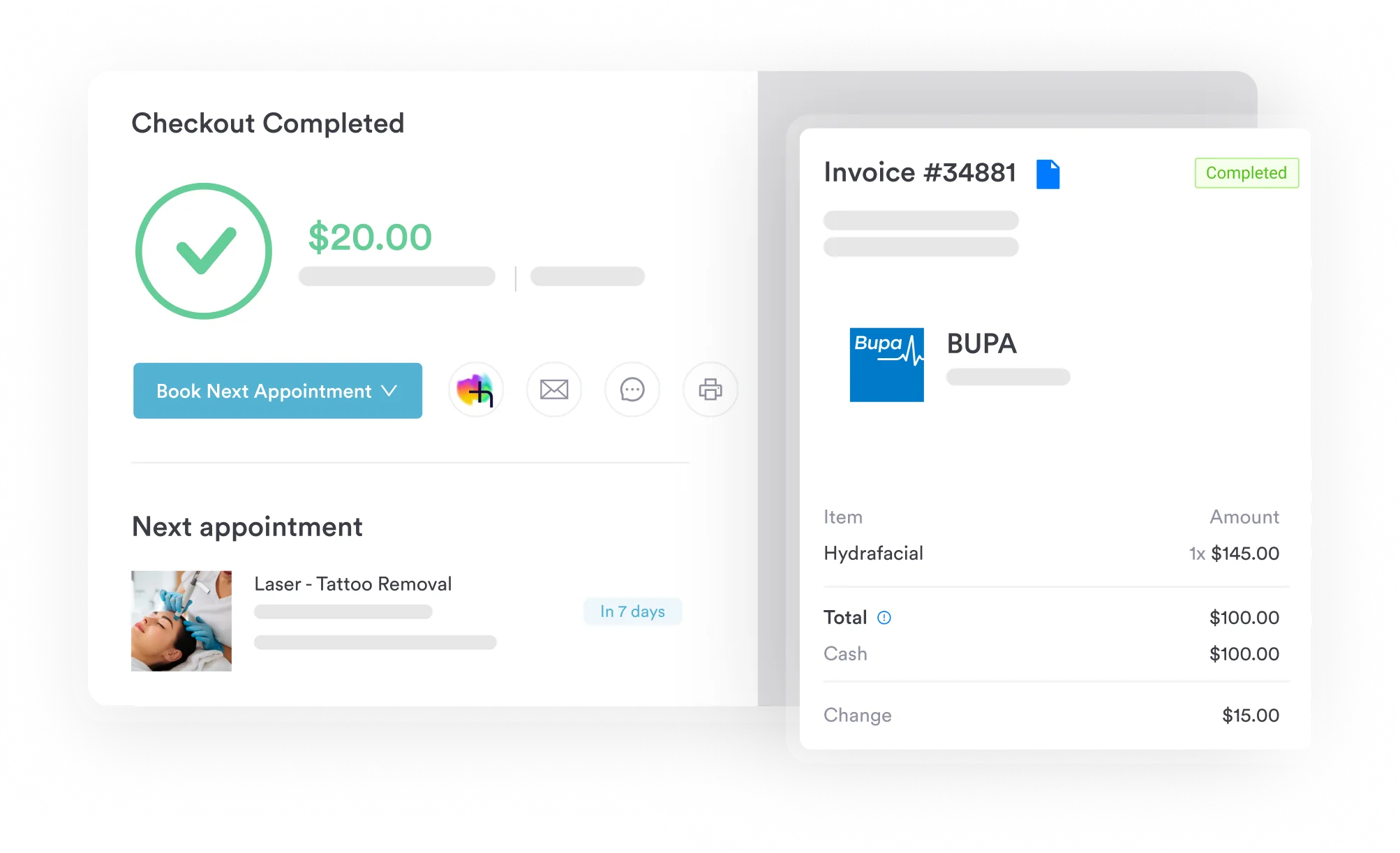
For injury follow-up visits where ICD-10 code V00.02XD or related subsequent encounter codes apply, the structured workflow means the attending clinician’s note captures encounter stage, the coder reviews it in the same system, and the claim is validated against ICD-10-CM catalogues before submission. That closed loop is where most seventh-character errors are caught before they reach a payer. For practices tracking patterns in ICD-10 coding across different code categories, consistent documentation habits built into the workflow make the difference between a clean claims rate above 95% and one that requires regular rework cycles.
Run a quarterly audit of claims submitted with external cause codes. Filter by seventh character and look for V00.02XA appearing on visits that are clearly follow-up encounters. This single check catches the most common seventh-character error pattern and can be corrected prospectively by adding encounter-type fields to your clinical note templates.
ICD-10 code V00.02XD is a specific, billable external cause code for follow-up care after a pedestrian-roller-skate collision injury. The code’s seventh character is the critical variable: D signals routine recovery-phase care to payers, and misassigning XA (initial) or XS (sequela) triggers denials that require rework. Clear documentation of encounter type in the clinical note is the foundation of correct code selection.
Pabau’s billing workflow, connected to Claim.MD for electronic claim submission and electronic remittance advice processing, helps US practices submit ICD-10 coded claims cleanly the first time. To see how Pabau handles diagnosis coding, encounter documentation, and claims management in practice, book a demo with our team.

Need to understand how claims move through the billing cycle? What is medical billing walks through the end-to-end process from encounter to payment posting.
Coding a clean claim starts before submission? Clean claim fundamentals covers the fields and code combinations that clear payer edits on first pass.
Wondering how denial management fits into your revenue cycle? Denial management in healthcare explains how to identify, track, and appeal claim denials systematically.
ICD-10 code V00.02XD is the billable ICD-10-CM diagnosis code for “pedestrian on foot injured in collision with roller-skates, subsequent encounter.” It is an external cause code valid for FY2026, used when a patient returns for routine follow-up care during the healing phase after active treatment for a roller-skate collision injury has been completed.
Use V00.02XA (initial encounter) when the patient is receiving active treatment for the injury. Use V00.02XD (subsequent encounter) once active treatment is complete and the patient is returning for routine recovery care such as wound checks, splint changes, or physical therapy. Continuing to use XA for follow-up visits is a common coding error that payers flag.
Subsequent encounter (seventh character D) applies when the patient is still healing from the original injury and receiving routine care. Sequela (seventh character S) applies when the presenting condition at the visit is a late effect caused by the original injury, such as chronic instability or scarring that develops after the injury healed. The two are not interchangeable; sequela requires a separate code for the late-effect condition sequenced before the external cause code.
Yes, V00.02XD is a billable, specific ICD-10-CM code valid for claim submission in FY2026. The parent code V00.02 is not billable; you must use one of the three child codes (V00.02XA, V00.02XD, or V00.02XS) to submit a valid claim.
Yes, V00.02XD is exempt from POA reporting. CMS policy exempts all external cause of morbidity codes (the V00-Y99 range) from POA requirements. For outpatient claims, POA reporting does not apply at all, so the exemption is relevant only in the inpatient hospital setting.
The sibling codes under V00.02 are V00.02XA (initial encounter) and V00.02XS (sequela). Related codes in the V00 category include V00.01XD (collision with in-line roller-skates, subsequent encounter) and V00.09XD (collision with other pedestrian conveyance, subsequent encounter). All share the same A/D/S seventh character structure.