

ICD-10 Code S42.444P: Medial epicondyle fracture, right humerus
ICD-10 Code S42.444P: full descriptor and code validity ICD-10 Code S42.444P car...

Last Updated: Oct 13, 2026
Billable Code Specific Code
I15.2 is the billable ICD-10-CM code for hypertension secondary to endocrine disorders.
Coders sometimes reach for I15.2 in the wrong situations: Without a documented endocrine cause, when I10 (essential hypertension) actually fits better, or with the sequencing order reversed.
Let Pabau's smart automation suggest the right codes, reduce claim denials, and keep your practice compliant—effortlessly.
Automate repetitive tasks and focus on what matters most—your patients.
Reduce coding errors and ensure compliance with the latest regulations.
Clean claims, fewer denials, and faster reimbursements.
Powerful insights and reporting to help your practice thrive.
HIPAA compliant SOC 2 certified GDPR-compliant Trusted by 4,000+ clinics worldwide

ICD-10 Code I15.2 is the billable FY2026 diagnosis code for hypertension secondary to endocrine disorders, effective October 1, 2025.
Sequencing rule: Always code the underlying endocrine disorder (e.g. pheochromocytoma, Cushing’s syndrome, primary hyperaldosteronism) before I15.2, per ICD-10-CM Official Guidelines Section I.C.9.
I15.2 maps to MS-DRG 304 (Hypertension with MCC) or MS-DRG 305 (Hypertension without MCC) under MDC 05 Circulatory System, per CMS MS-DRG v43.0 (FY2026).
Pabau’s structured client records and AI-assisted clinical documentation help practices capture the underlying endocrine etiology needed to support I15.2 at audit.
ICD-10 Code I15.2 is a billable, specific ICD-10-CM code for hypertension secondary to endocrine disorders. The hypertension has a confirmed hormonal cause — the adrenal glands, thyroid, or pituitary drive blood pressure up through a mechanism doctors can identify and, in many cases, treat directly.
Because the cause is endocrine rather than idiopathic, the code falls under category I15 (secondary hypertension) rather than I10 (essential hypertension). The 2026 edition of I15.2 became effective on October 1, 2025, and is valid for FY2026 claims.
Per the CMS ICD-10-CM code files, the code carries the status “Active” and requires no additional digit for specificity at the I15.2 level.
The table below summarizes the key code attributes coders need before submitting an I15.2 claim. Cross-check this against the CDC/NCHS ICD-10-CM web tool to confirm effective dates for the current fiscal year.
Endocrine hypertension develops when a hormone-secreting condition drives blood pressure up directly, through excess catecholamines, cortisol, aldosterone, thyroid hormone, or growth hormone. It’s often reversible once the underlying condition is treated, which is why correct identification matters clinically, not just for coding.
Practices using GP clinic software that integrates structured problem lists are better positioned to flag the underlying endocrine condition when the blood pressure presentation first appears. The same applies to metabolic health practices, which manage these hormonal conditions directly and need equally structured documentation to keep coding defensible.
The most common underlying causes are:
A physician diagnosis of endocrine hypertension requires documented confirmation of the underlying hormonal cause, typically via biochemical testing:
Confirmation often also includes adrenal or pituitary imaging. Without that workup or diagnostic note, the documentation cannot support I15.2 over I10.
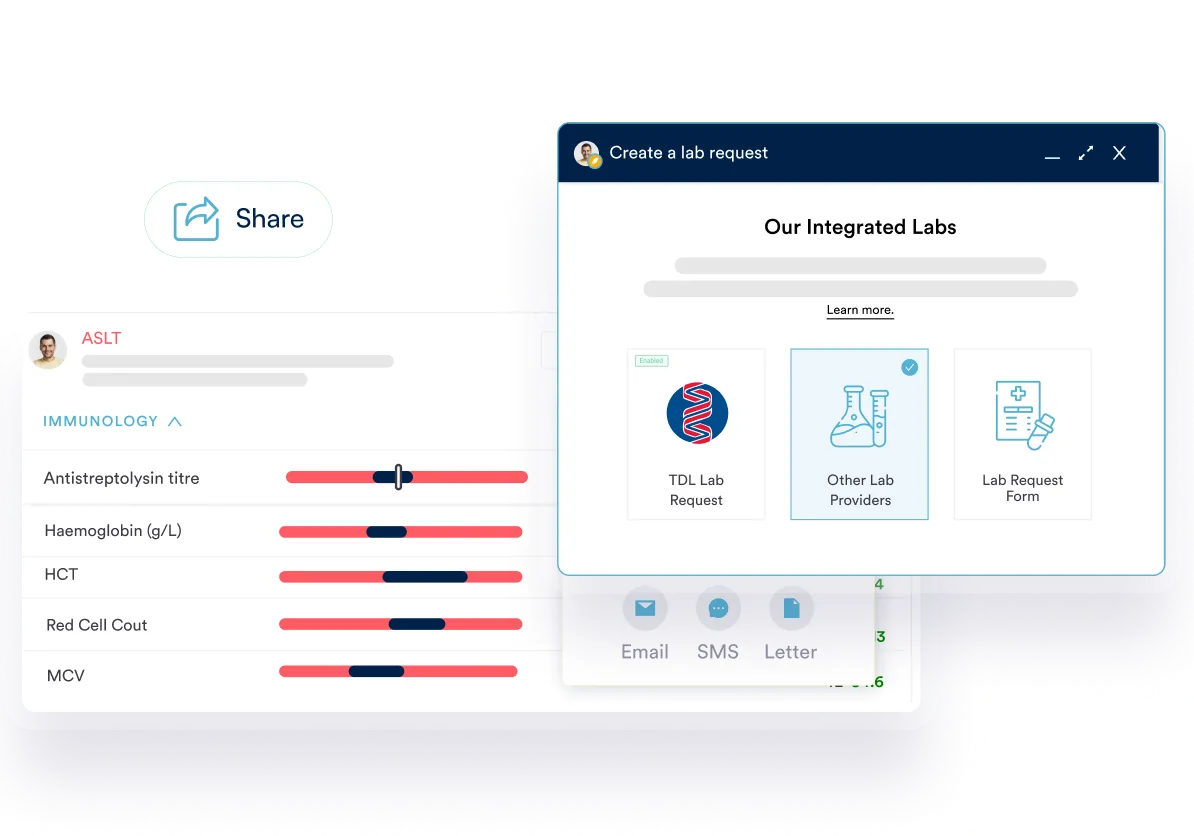
With integrated lab management tools, each result behind an I-code links to its order and reviewing clinician.
Understanding the code hierarchy prevents both undercoding (defaulting to I10 when a specific secondary cause is documented) and overcoding (using I15.2 without a confirmed endocrine etiology). For more on the related parent code.
Note that I15.0 (renovascular hypertension) and I15.1 (hypertension secondary to other renal disorders) are distinct codes reserved for renal causes. If the documented etiology is a kidney or renal-vascular condition, such as renal artery stenosis, rather than a hormonal one, use I15.0 or I15.1 instead of I15.2.
Procedure coding runs on parallel logic. In CPT, a vaccine product such as 90620 for meningococcal group B carries its own code. A separate administration code reports the work of giving the dose.
The ICD-10-CM alphabetical index routes the following clinical terms to I15.2. Coders searching by clinical description rather than code number should confirm the term maps here before assigning the code.
These synonyms reflect how physicians document the diagnosis in clinical notes. When the note uses one of these phrases and confirms the underlying hormonal mechanism, ICD-10 Code I15.2 is the correct assignment. Keeping a coding cheat sheet with ICD-10-CM structure nearby makes that confirmation quick at the point of coding.
The Excludes1 and Excludes2 notes apply at the I15 category level, so they cover I15.2 along with the other I15 subcodes. Getting them wrong means missing a required additional code, or incorrectly reporting two codes that must never appear together. For another example of how excludes rules narrow a code’s use.
Key point: Selecting I15.2 over I10 depends entirely on documentation. If the physician’s note only records “hypertension” without confirming and naming the endocrine cause, I10 remains the correct code. I15.2 should never be assigned on the strength of a blood pressure reading alone.
Coverage boundaries work the same way at the benefit level. An I15.2 encounter bills under the medical benefit, while an influenza dose reported with 90656 routes to the preventive benefit. Cost sharing and frequency limits follow the benefit, not the diagnosis.
Weak documentation is the single most common reason I15.2 claims fail at audit. The physician note must contain specific elements, not just a mention of “hypertension.”
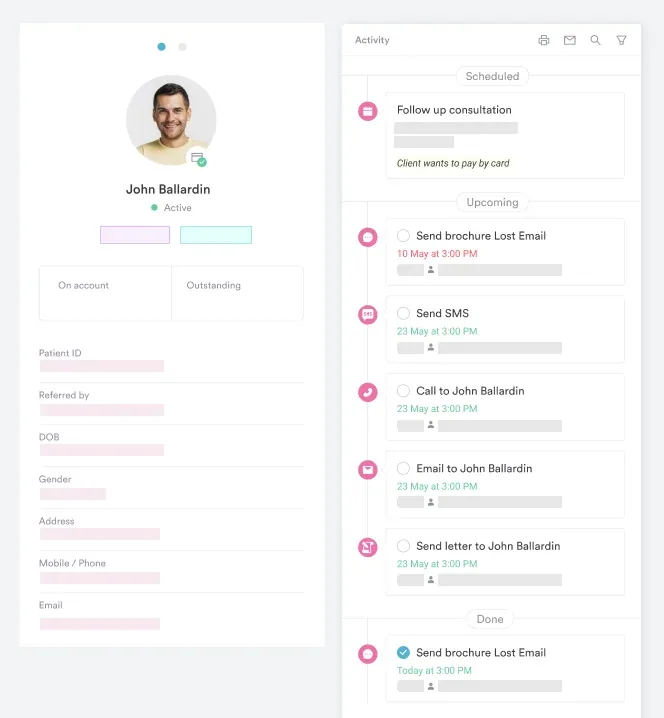
Practices with structured patient records can template these fields into the clinical encounter note, reducing the risk of a missing etiology at submission. A pre-authorization number has to reach the claim, and a missing reference is a common avoidable denial.
A coder cannot assume an endocrine cause from a blood pressure reading alone. The documentation must make the link explicit.
Age limits and counseling notes drive immunization claims the same way etiology drives this one. Reporting 90460 requires a patient through age 18 and documented counseling by the physician or qualified provider.
Build a documentation prompt into your hypertension encounter template: If the note includes an antihypertensive medication and an endocrine workup (aldosterone-renin ratio, plasma metanephrines, cortisol testing, or a thyroid panel), flag for secondary hypertension review before assigning I10 by default. This catches undercoded I15.x cases before claim submission.
The ICD-10-CM official guidelines (Section I.C.9) establish a clear sequencing hierarchy for secondary hypertension. The underlying endocrine condition codes first. I15.2 follows as an additional diagnosis, which signals to the payer that hypertension is a consequence, not the primary reason for the encounter.
Sequencing order for a patient with primary hyperaldosteronism causing secondary hypertension:
When the principal diagnosis for the inpatient encounter is the underlying endocrine condition (such as a pheochromocytoma requiring adrenalectomy), I15.2 typically appears as a secondary diagnosis. If the encounter is primarily for hypertension management and the endocrine cause is incidental context, the sequencing may differ.
Pointer discipline matters on preventive claims as well. A vaccine line reported with 90651 points to Z23, while a chronic code like I15.2 sits further down the claim as background.
The admitting diagnosis and the reason for the encounter drive the principal diagnosis selection, per the WHO ICD-10 classification guidance and its US ICD-10-CM adaptation.
For inpatient claims, I15.2 maps to MDC 05 (Diseases and Disorders of the Circulatory System) under CMS MS-DRG v43.0 (FY2026, effective October 1, 2025).
Hypertension codes split into only two MS-DRGs: The DRG assignment depends on whether a major complication or comorbidity (MCC) is documented in the same encounter, which shifts the reimbursement weight.
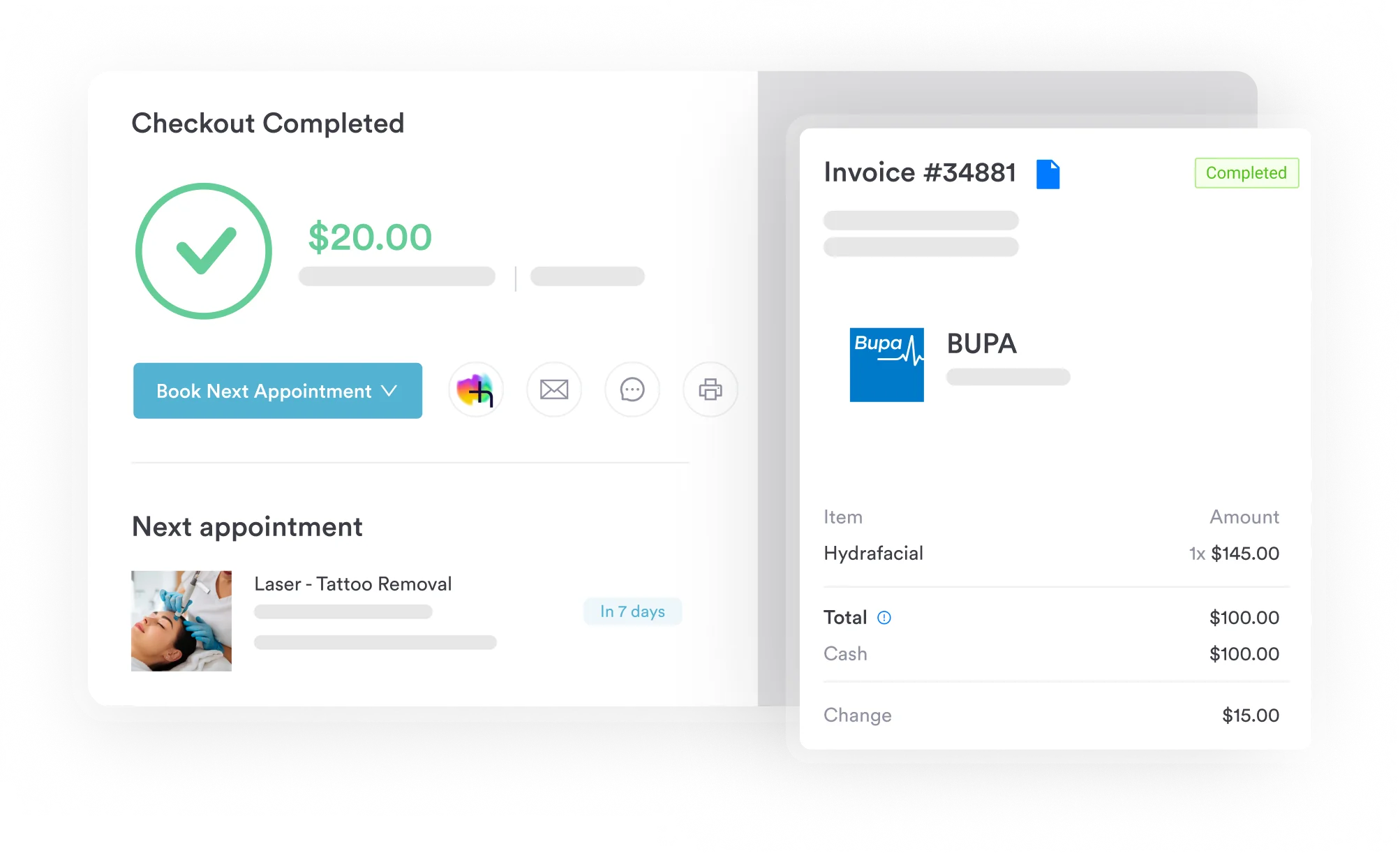
Practices using claims management software can reduce DRG assignment errors by validating the MCC capture before claim submission. For another circulatory system code under MDC 05.
Inpatient grouping logic does not reach vaccine payment. A cell-culture influenza dose reported with 90661 is priced from a vaccine fee schedule rather than absorbed into a DRG weight.
Source: CMS MS-DRG v43.0 Definitions Manual, FY2026 (effective October 1, 2025). DRG relative weights are updated annually; confirm the current weight via the AAPC ICD-10-CM code lookup or the CMS IPPS final rule for the applicable fiscal year.

Pabau helps practices capture the structured documentation that supports specific diagnosis codes like I15.2. See how the platform keeps your coding defensible at audit.

The Present on Admission (POA) indicator is required on all inpatient claims submitted to Medicare and Medicaid. It does not apply to outpatient claims. For ICD-10 Code I15.2, the POA indicator is not exempt, meaning the coder must report it based on clinical documentation.
Hypertension secondary to an endocrine disorder is a chronic condition in most patients, so a “Y” indicator is appropriate when the condition was known prior to admission. Always defer to the physician’s documentation rather than inferring POA status from a previous encounter.
Claim-level flags carry different meanings across code families. A state-supplied MMR dose still reports 90707, with modifier SL marking vaccine stock the practice did not purchase.
Coding accuracy for ICD-10 Code I15.2 depends entirely on the quality of the encounter note. A vague note produces an I10 default. A structured note with the confirmed endocrine etiology, biochemical or imaging results, and treatment plan supports I15.2 without question.
Pabau’s AI-assisted clinical documentation transcribes and structures consult notes in real time, capturing the diagnostic reasoning that coders need to assign specific codes rather than unspecified fallbacks.
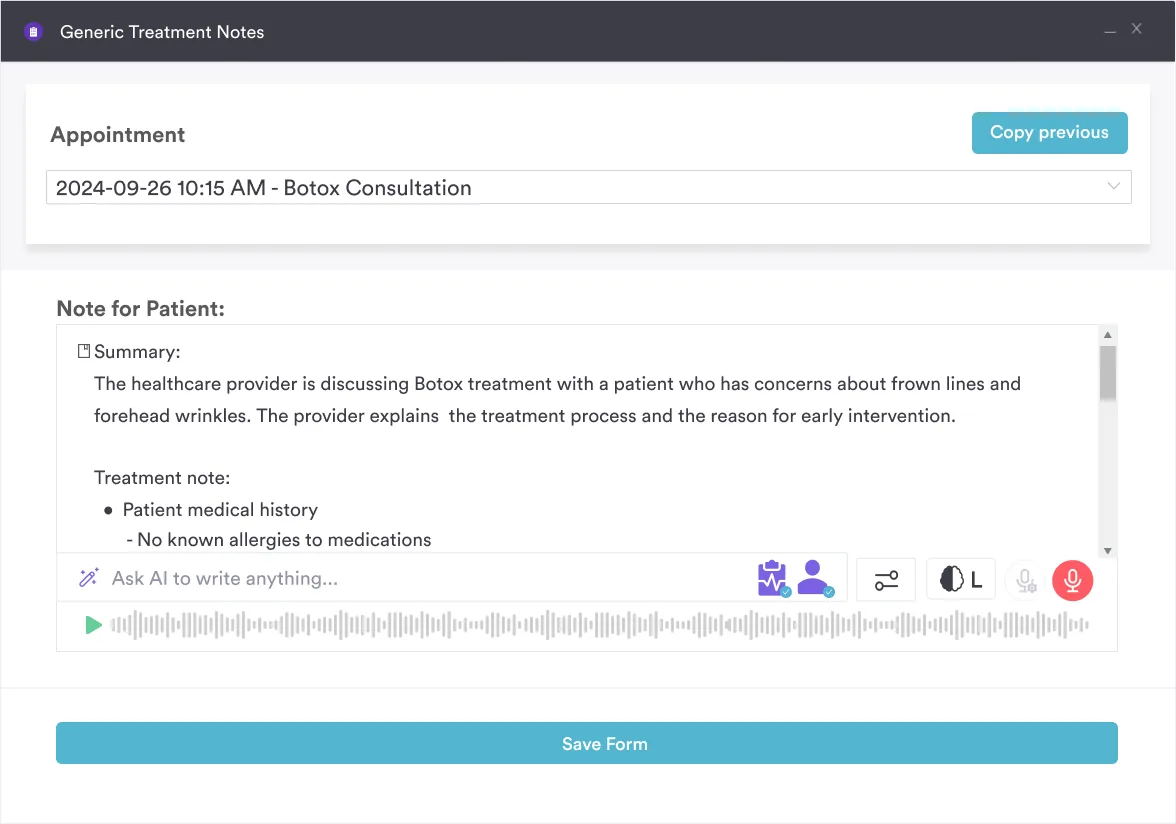
Beyond note capture. This creates an audit trail of the patient’s documented hypertension context before the encounter even begins, and that pre-encounter data, combined with the consultation note, gives coders the full clinical picture.
For practices managing multi-condition chronic patients .
Maintaining HIPAA-compliant practice software throughout this documentation chain protects the practice at audit. Practices wanting to reduce documentation overhead for their teams will find practical workflow changes in reduce documentation time.
Schedule a quarterly coding audit on all secondary hypertension encounters. Filter for I10 claims where an endocrine workup (aldosterone-renin ratio, plasma metanephrines, cortisol testing, or a thyroid panel) was ordered in the same visit. Those encounters are candidates for retrospective review: A confirmed endocrine finding in the note warrants an I15.2 amendment before the claim ages out of the correction window.
Miscoding hypertension secondary to endocrine disorders as essential hypertension (I10) is one of the most preventable claim errors in cardiovascular medicine. The confirmed etiology is usually in the record. The documentation just needs to make it explicit enough for the coder to act on.
Pabau’s structured clinical records and client management tools help practices build the documentation habits that support accurate ICD-10 Code I15.2 assignment, reducing denials and strengthening audit readiness. To see how Pabau works for your practice, book a demo with the team.

Need documentation guidance for a related circulatory code? I51.5 covers myocardial degeneration billing, another commonly under-documented cardiovascular diagnosis.
Coding acute coronary syndrome without a confirmed MI? Acute ischemic heart disease coding guide covers the code used when acute coronary syndrome is documented but a myocardial infarction cannot be specified.
Coding a past myocardial infarction? Old myocardial infarction coding guide covers the code for a past heart attack that is no longer active or symptomatic.
ICD-10 Code I15.2 is the billable ICD-10-CM diagnosis code for hypertension secondary to endocrine disorders, a form of secondary hypertension caused by a hormonal condition such as pheochromocytoma, Cushing’s syndrome, primary hyperaldosteronism (Conn syndrome), or hyperthyroidism. It is active for FY2026 with an effective date of October 1, 2025.
I10 (essential or primary hypertension) is assigned when no identifiable underlying cause is documented. I15.2 is assigned when the physician has confirmed a specific endocrine cause, such as an adrenal, thyroid, or pituitary condition. Coders should default to I10 unless the endocrine etiology is explicitly documented and confirmed with biochemical testing or imaging.
Yes. I15.2 is a billable, specific ICD-10-CM code with active status in FY2026. No additional digit is required. Verify the current-year status using the CDC/NCHS ICD-10-CM web tool before submission.
Per ICD-10-CM Official Guidelines Section I.C.9, the underlying endocrine condition (e.g. pheochromocytoma, primary hyperaldosteronism, Cushing’s syndrome) is sequenced first. I15.2 follows as an additional diagnosis. Reversing this order misrepresents the principal diagnosis and may trigger a claim edit.
I15.2 maps to MS-DRG 304 (Hypertension with MCC) or MS-DRG 305 (Hypertension without MCC) under MDC 05, per CMS MS-DRG v43.0 (FY2026). The assigned DRG depends on whether a major complication or comorbidity is documented in the same inpatient encounter.
Yes. I15.2 is not POA exempt and requires a POA indicator on all inpatient claims submitted to Medicare and Medicaid. Use “Y” if the condition was documented on admission, “N” if it was diagnosed during the inpatient stay, and “U” only when documentation genuinely cannot support a determination.




