ICD-10 Code Y76.0: Diagnostic obstetric and gynecological devices
ICD-10 Code Y76.0: Definition and billable status ICD-10 Code Y76.0 is a valid, ...

Last Updated: Oct 23, 2026
Billable Code Specific Code
A33 is the billable ICD-10-CM code for tetanus neonatorum.
ICD-10 Code A33 designates tetanus neonatorum, a bacterial infection billable only for newborns aged 0 years.
Let Pabau's smart automation suggest the right codes, reduce claim denials, and keep your practice compliant—effortlessly.
Automate repetitive tasks and focus on what matters most—your patients.
Reduce coding errors and ensure compliance with the latest regulations.
Clean claims, fewer denials, and faster reimbursements.
Powerful insights and reporting to help your practice thrive.
HIPAA compliant SOC 2 certified GDPR-compliant Trusted by 4,000+ clinics worldwide

ICD-10 Code A33 (Tetanus neonatorum) is a billable ICD-10-CM code valid for fiscal year 2026, used exclusively for neonatal tetanus diagnoses
Age restriction is absolute: A33 applies only to patients aged 0 years (newborns/neonates). Submitting this code for any older patient triggers an automatic claim denial
A33 is mutually exclusive with A34 (obstetrical tetanus) and A35 (other tetanus), which carries the formal Type 1 Excludes note against both. Selecting the wrong code causes claim rejection and documentation errors
Pabau’s claims management software and structured patient records support accurate ICD-10 code selection, age-edit compliance, and reimbursement documentation
ICD-10 Code A33 is a billable, specific ICD-10-CM diagnosis code for tetanus neonatorum, valid only for newborns aged 0 years. Submitting it for an older patient, or attaching it to the mother’s chart instead of the newborn’s, triggers an automatic payer rejection.
A33 sits within the ICD-10-CM block A30-A49 (Other bacterial diseases), inside chapter A00-B99 (Certain infectious and parasitic diseases). As listed by the Centers for Medicare and Medicaid Services (CMS) and the National Center for Health Statistics (NCHS), this code has been valid and billable from ICD-10-CM’s initial implementation through fiscal year 2026 without modification.
Synonyms accepted under A33 include “autonomic disorder due to tetanus” and “disorder of autonomic nervous system due to tetanus neonatorum.” These alternate descriptions reflect the neurological involvement common in neonatal tetanus cases and may appear in clinical notes as valid documentation of the same diagnosis.
For accurate patient record documentation, the code must be matched to the newborn patient chart, not the mother’s chart. Applying A33 to a maternal record is a common misrouting error that leads to payer rejection.
Tetanus neonatorum is caused by Clostridium tetani infection in a newborn, most commonly through contamination of the umbilical stump during or after delivery. The bacterium produces tetanospasmin, a neurotoxin that blocks inhibitory neurotransmission, resulting in the characteristic muscle rigidity, spasms, and autonomic nervous system dysregulation that define neonatal tetanus.
The World Health Organization’s ICD-10 classification places neonatal tetanus within the broader infectious and parasitic disease chapter, reflecting its status as a vaccine-preventable condition targeted for global elimination. The WHO and UNICEF have set maternal and neonatal tetanus elimination targets for low- and middle-income countries, making accurate coding relevant not only for reimbursement but for epidemiological surveillance. Some payers require prior authorization for this service, and a claim without it is denied regardless of coding. Coders working across several specialties keep a coding reference to hand rather than searching the full manual.
Clinicians documenting neonatal tetanus cases should note whether autonomic nervous system dysfunction was present, as this is captured in the code’s synonyms and may support additional comorbidity coding depending on clinical circumstances. Reviewing how ICD-10 Code G53 (cranial nerve disorders in diseases classified elsewhere) is structured can help coders approach other neurological and autonomic diagnoses with the same precision.
Document autonomic nervous system involvement explicitly in the clinical note when present. The synonym ‘disorder of autonomic nervous system due to tetanus neonatorum’ is accepted under A33 and may support additional comorbidity documentation if the treating clinician records it separately in the patient record.
A33 carries a Newborn/Neonate Dx (0 years) age edit enforced at the payer level. This means the code is only valid for patients in their first year of life, effectively birth through 364 days old.
Submitting A33 on a claim for any patient aged 1 year or older triggers an automatic Age Edit denial. This is not a clinical judgment call for payers; it is a hard system-level rejection. The CDC/NCHS ICD-10-CM coding tool confirms this age restriction as part of the code’s official attributes.
This age edit also means that A33 can never be used on a maternal record, even when the mother is the source of infection or the documentation references neonatal tetanus in a maternal chart note. The code belongs exclusively to the newborn’s encounter record.
That record only exists for a liveborn infant. Where a delivery shows no signs of life at or beyond the gestational age threshold, the fetal record carries ICD-10 Code P95 instead.
Practices maintaining HIPAA-compliant documentation practices should verify patient demographics before code assignment on every neonatal encounter.
Modern primary care platforms template common infection visits, so coding and safety-netting stay consistent under pressure.
The three tetanus codes in ICD-10-CM cover mutually exclusive clinical scenarios. Selecting the wrong one is one of the most common tetanus coding errors and a leading cause of payer rejection for these diagnoses.
A35 carries a Type 1 Excludes note for both A33 and A34. A Type 1 Excludes note means “not coded here,” indicating these codes should never be assigned on the same claim at the same time. A35 is the residual category for wound tetanus, post-surgical tetanus, or any tetanus that does not qualify as neonatal or obstetrical.
A common scenario where coders choose incorrectly: a postpartum patient develops tetanus from an infected delivery wound. The correct code is A34, not A33 (which applies only to the infant) and not A35 (which excludes obstetrical tetanus). Documenting the obstetric care episode clearly in the clinical note is what supports A34 selection.
For a broader look at how other ICD-10-CM diagnostic codes handle exclusion rules and specificity requirements.

Pabau’s claims management software helps neonatal and obstetric practices document diagnoses accurately, reconcile patient demographics before submission, and reduce age-edit denials on codes like A33.

According to the ICD-10-CM Official Guidelines for Coding and Reporting, maintained jointly by CMS and NCHS, diagnostic codes should reflect the highest degree of specificity supported by clinical documentation. For A33, this means the clinical record must confirm all of the following before the code is assigned.
For obstetric coders working with combined mother-infant records, separating the newborn’s encounters into a discrete record is essential. Structured prenatal test documentation templates help keep the mother’s obstetric record and the newborn’s record distinct from intake onward.
The AAPC Codify ICD-10-CM lookup confirms A33’s classification within the other bacterial diseases block and provides additional cross-reference information for related codes in the A30-A49 range.
HIPAA requires that all covered entities use the most current ICD-10-CM code set for electronic health transactions. For FY2026, A33 remains valid and unchanged. Coders should also check whether their practice management or EHR system’s code library has been updated to the current fiscal year release, to avoid submitting a code from a prior year’s inactive table.
Practices using digital intake forms that capture patient date of birth at registration reduce the risk of age-edit errors, since demographic data is available during the coding workflow before chart completion.

Run a pre-submission demographic check on every neonatal encounter. Confirm the patient’s date of birth against the date of service before assigning A33. A single missed age-edit denial on a neonatal tetanus claim can delay reimbursement by 30-60 days and require a full appeal cycle.
Understanding where A33 sits within the ICD-10-CM hierarchy helps coders navigate related encounters and comorbidities accurately. The A30-A49 block covers a range of bacterial infectious diseases beyond tetanus, and knowing the adjacent codes reduces crossover errors.
The ICD-10-CM hierarchy does not include subcategory codes beneath A33. It is a standalone, single-level code with no further specificity subdivisions. This contrasts with many other codes in the A00-B99 chapter that have 4th and 5th character extensions for clinical manifestations or complications. For A33, the code itself represents the maximum specificity available for this diagnosis.
When a neonatal tetanus patient presents with documented complications such as respiratory failure or sepsis, those complications are coded separately using the appropriate ICD-10-CM codes from the relevant chapters, with A33 listed as the underlying cause. Principal diagnosis sequencing follows standard ICD-10-CM conventions: the condition chiefly responsible for the admission is listed first.
Follow-up pediatric visits after discharge are typically billed under an established-patient E/M code such as CPT code 99213.
For practices managing reproductive health procedure codes or neonatal encounters across multiple service lines, centralized code management within a single platform reduces the risk of inconsistent sequencing across records. Reviewing how ICD-10 Code A09 (infectious gastroenteritis and colitis) is classified within the same A00-B99 chapter illustrates how hierarchy navigation applies consistently across conditions.
Practices can also consult the best practices for medical forms at your healthcare practice guide to ensure neonatal intake documentation captures the demographic and clinical data needed for accurate code assignment at the point of care.
Accurate ICD-10 coding does not happen at the point of code selection alone. It depends on clean demographic data, structured clinical documentation, and a billing workflow that flags potential errors before submission.
For neonatal tetanus cases, three workflow points are where documentation errors typically occur: patient registration (incorrect or missing date of birth), chart assignment (applying the code to the maternal record), and pre-submission review (no age-edit check before filing).
Practices using claims management software with built-in demographic validation can catch age-edit mismatches at the workflow level rather than after a denial is received.
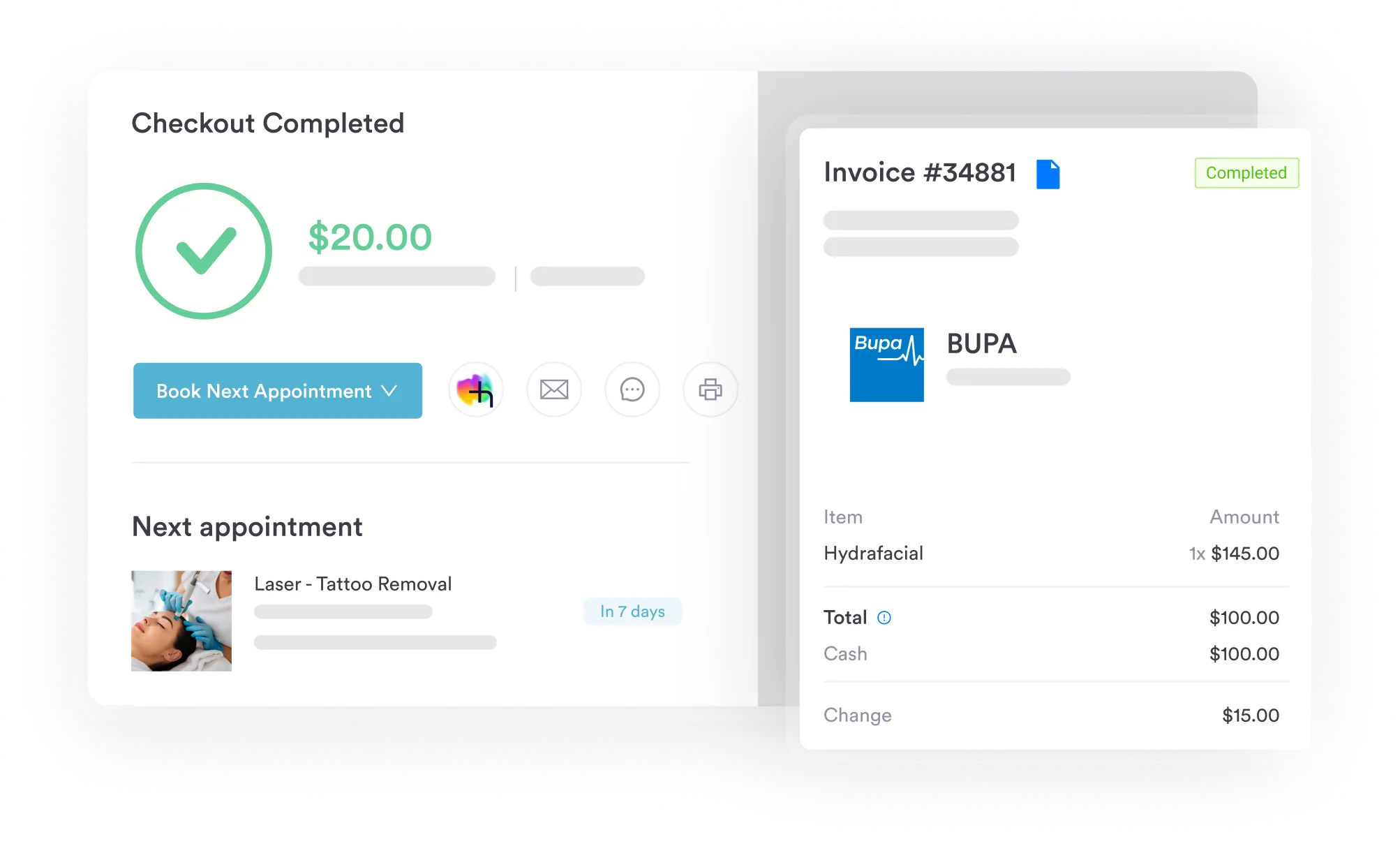
Pabau’s clinical record and billing workflows help neonatal and obstetric practices maintain structured patient records that separate newborn encounters from maternal records, capture date of birth at registration, and support clean claim submission.
For practices also managing compliance management tools across multiple clinical sites, centralized documentation reduces the risk of cross-record coding errors on age-restricted codes like A33.
ICD-10 Code A33 is a straightforward but strictly constrained code. Its billable status is clear, its clinical scope is narrow, and its age restriction is absolute. The most common errors, applying it to patients over 1 year old or to maternal records, are entirely preventable with structured demographic verification built into the coding workflow.
Pabau’s revenue cycle management workflows support the documentation and pre-submission review practices that neonatal and obstetric practices need to code A33 correctly and reduce age-edit denials. To see how Pabau handles neonatal and infectious disease coding workflows, book a demo.

Want the prevention side of infectious disease coding? CPT code 90471: Immunization administration billing guide covers billing for the vaccines that prevent tetanus and other bacterial infections before they start.
Coding another obstetric injury diagnosis? obstetric pelvic organ injury code covers billable status and injury to the bladder or urethra, not other pelvic organs.
Looking for structured clinical documentation tools? Patient intake software helps capture patient demographics accurately at registration, reducing downstream coding errors.
Tetanus neonatorum is a life-threatening bacterial infection in newborns caused by Clostridium tetani, typically transmitted through contamination of the umbilical stump during or shortly after delivery. It presents with muscle rigidity, spasms, trismus, and autonomic nervous system dysfunction in the first two weeks of life.
The ICD-10 code for neonatal tetanus is A33 (Tetanus neonatorum). It is a billable, specific ICD-10-CM code valid for fiscal year 2026, classified under block A30-A49 (Other bacterial diseases) within chapter A00-B99 (Certain infectious and parasitic diseases).
Yes. A33 is a billable and specific ICD-10-CM code that can be used to indicate a diagnosis for reimbursement purposes. It requires no additional character extensions, as it is already at the maximum level of specificity available for this diagnosis.
A33 carries a Newborn/Neonate Dx (0 years) age edit, meaning it is valid only for patients aged 0 years (from birth to less than 1 year old). Submitting this code for a patient aged 1 year or older triggers an automatic claim denial at the payer level.
A33 covers neonatal tetanus in newborns (0 years only). A34 covers obstetrical tetanus in pregnant or postpartum patients. A35 (Other tetanus, or Tetanus NOS) covers all remaining tetanus cases not qualifying as neonatal or obstetrical. A35 carries the formal Type 1 Excludes note against both A33 and A34, so none of the three should ever be coded together on the same claim.