



CCSD code G5100: Bypass of duodenum billing guide
CCSD code G5100 bills a bypass that leaves the duodenum in place CCSD code G5100...

Last Updated: Oct 16, 2026

CPT Code 99213 covers established patient office or outpatient visits totaling 20-29 minutes, representing a Level 3 E/M service under the AMA CPT code set.
Code selection requires either low complexity medical decision-making (MDM) or 20-29 minutes of total time spent on the encounter date – only one pathway needs to be met.
Modifier 25 allows same-day billing alongside a procedure, but documentation must clearly support a separate, significant E/M service or claims face high audit risk.
Pabau’s claims management software helps outpatient practices track E/M code compliance, reduce denials, and maintain clean documentation across billing workflows.
CPT Code 99213 is an established patient office or outpatient visit code covering encounters with low complexity medical decision-making (MDM) or a total time of 20–29 minutes on the date of service. That makes it one of the most frequently billed evaluation and management (E/M) codes in outpatient medicine. This guide explains what the code means, its documentation requirements, MDM and time-based criteria, reimbursement rates, modifier usage, and the key compliance risks.
CPT Code 99213 is one of the most frequently billed E/M codes in outpatient practice. However, a significant share of those claims are coded from habit rather than documentation. As a result, this is one of the highest-risk codes in the Recovery Audit Contractor (RAC) review queue.
According to the American Medical Association (AMA) CPT code set, CPT Code 99213 describes an office or other outpatient visit for the evaluation and management of an established patient requiring low complexity medical decision-making or a total encounter time of 20-29 minutes on the date of service. This guide covers documentation requirements, MDM criteria, time-based coding rules, reimbursement rates, RVU values, modifier usage, and the 99213 vs 99214 decision — along with the compliance areas most likely to draw payer scrutiny. The denial code on the remittance names the reason, and grouping by that reason turns rework into prevention. Practices still filing on paper carry this code on the CMS-1500 form, in the service lines.
The established patient requirement sits at the center of using 99213 correctly. A patient counts as established when they have received a professional service from you — or another provider of the same specialty in your group practice — within the past three years. A patient outside that three-year window is a new patient, and the visit is coded from the 99202–99205 series instead.
Payer policy decides whether a prenatal visit is coded at all. Plans that use global obstetric billing expect routine antepartum care under 59426 rather than an office visit code.
The AMA’s 2021 E/M guideline revisions changed how outpatient visit codes are selected. Specifically, history and physical exam no longer drive code level for office visits. Instead, two pathways now apply: medical decision-making complexity or total time. Whichever pathway the provider chooses, documentation must support it explicitly.
For the MDM pathway, the clinical note must capture the number and complexity of problems addressed, the data reviewed, and the risk of complications or morbidity. For the time pathway, by contrast, the note must state total time on the encounter date. This includes pre-visit chart review, the face-to-face encounter, and post-visit work such as ordering tests and communicating results. To support either pathway.
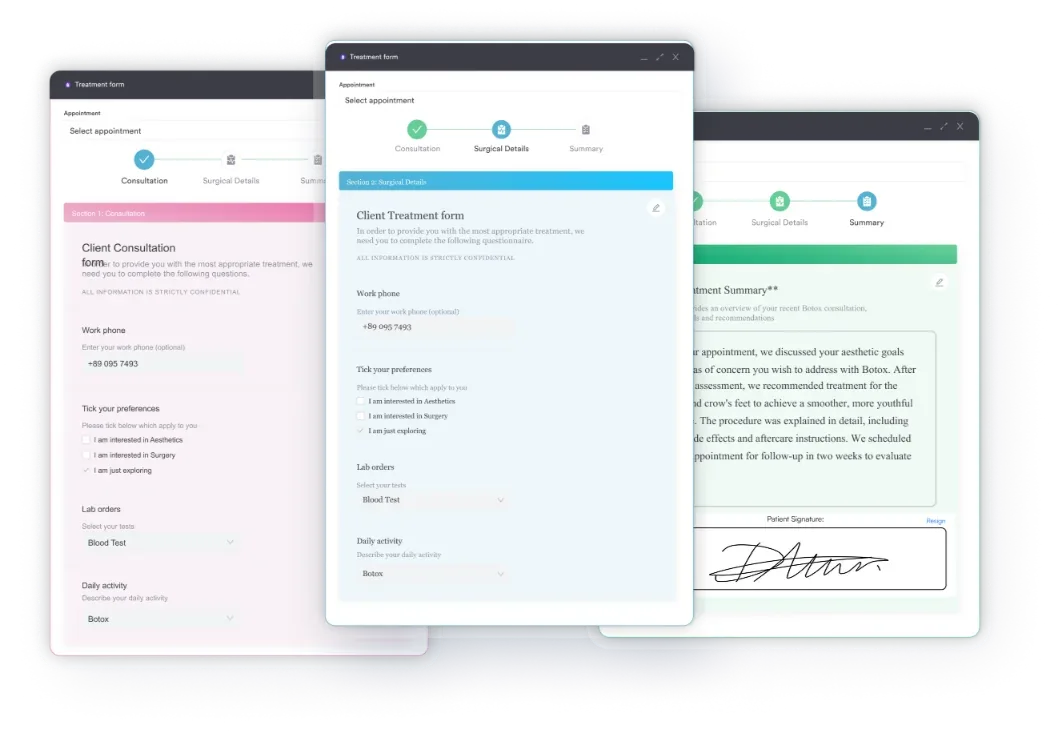
Good documentation practice for 99213 includes the following elements regardless of which pathway is used:
Practices using structured medical forms capture these elements more reliably than those relying on free-text notes. In fact, missing documentation is the most common reason 99213 claims are downgraded on audit.
Under the AMA 2021 E/M framework, low complexity MDM determines eligibility for CPT Code 99213. Specifically, low complexity MDM has three components. However, the note only needs to support at least two of the three at the low complexity level.
| MDM Element | Low Complexity (99213) Threshold |
|---|---|
| Number and complexity of problems | One or more chronic illnesses with exacerbation, progression, or side effects of treatment; OR two or more stable chronic illnesses; OR one undiagnosed new problem with uncertain prognosis; OR one acute illness with systemic symptoms |
| Amount and complexity of data | Limited (reviewing and ordering tests; reviewing records; or independent interpretation of tests) |
| Risk of complications or morbidity | Low (prescription drug management; minor surgery with no identified risk factors; over-the-counter drug management) |
Prescription drug management sits at the low complexity risk threshold. As a result, it is a common anchor for 99213 visits in primary care and psychiatry. For example.
Meeting only one of the three MDM elements at the low complexity level is not enough — two of three must be satisfied. For example, a patient seen for a single stable chronic condition, with no new data reviewed and only reassurance provided, may only support 99212, not 99213.
If insurance billing is more burden than benefit, a DPC-focused EHR supports flat-fee care without claim submission.
The time pathway for CPT Code 99213 requires 20–29 minutes of total time on the encounter date. Importantly, this is not face-to-face time alone. Instead, total time includes all work performed by the reporting provider on that date.
Counted activities include pre-visit chart review, the encounter, ordering and reviewing results, counseling, care coordination, and documentation. However, work performed by clinical staff — not the reporting provider — does not count.
For example, a provider who spends 18 minutes face-to-face and 8 minutes reviewing labs and documenting post-visit has logged 26 minutes total — supporting 99213. By contrast, a provider who spends only 15 minutes total cannot bill 99213 on time alone. For further guidance, the American College of Surgeons publishes practical advice on using time as the controlling factor for E/M coding, a useful reference for training clinical staff.
Document start and stop times, or total time, in the clinical note on the day of service. Brief attestations like ‘total time spent today: 22 minutes’ give auditors the evidence they need without requiring a narrative reconstruction later.
The 99213 vs 99214 decision is the most frequent coding judgment call in outpatient medicine. On one hand, undercoding leaves legitimate revenue on the table. On the other hand, upcoding without documentation exposes the practice to audit and repayment liability.
The core difference is MDM complexity and the time threshold. CPT Code 99214 requires moderate complexity MDM or a total time of 30-39 minutes, while the next level up, 99215, requires high complexity or 40-54 minutes. Here is how 99213 and 99214 compare:
| Factor | CPT Code 99213 | CPT Code 99214 |
|---|---|---|
| MDM complexity | Low | Moderate |
| Total time (time pathway) | 20-29 minutes | 30-39 minutes |
| Problem complexity | Stable chronic illness or acute illness with systemic symptoms | One or more chronic illnesses with severe exacerbation; undiagnosed new problem with uncertain prognosis |
| Data complexity | Limited | Moderate (independent interpretation; discussion with external clinician) |
| Risk | Low (prescription management, minor surgery with risk factors) | Moderate (prescription drug management with identified risk factors; minor surgery with identified risk factors; decision regarding hospitalization or escalation of care) |
| Typical Medicare rate (non-facility) | Approx. $90-$95 | Approx. $129-$134 |
For example, a patient seen for two stable chronic conditions who receives a prescription refill with no complications lands in 99213 territory. However, the same patient presenting with uncontrolled blood sugar, a dosage adjustment, and a new lab order may support 99214. Specifically, that applies when both data complexity and risk tip to moderate. For E/M coding at a higher level. In addition.
A postpartum check is a related encounter that rarely lands at either level. Practices reporting 59410 already include routine postpartum care in the delivery payment.
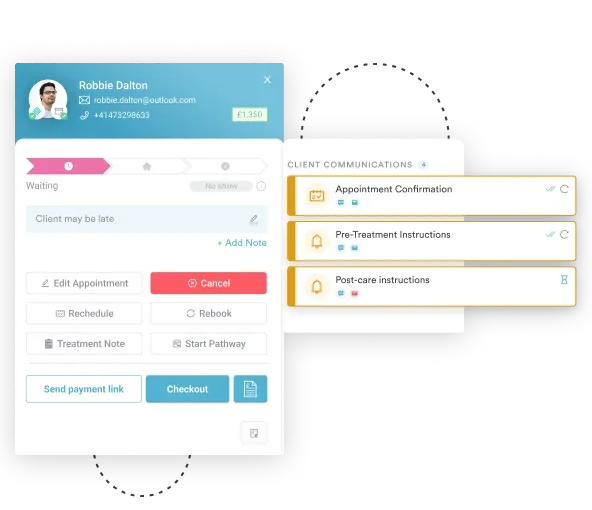
Medicare reimbursement for CPT Code 99213 varies by geographic locality under the Medicare Physician Fee Schedule (MPFS). In addition, rates differ between facility and non-facility settings. Therefore, use the CMS Physician Fee Schedule lookup tool for the most accurate current rate for your locality and setting.
Medicare non-facility rates for 99213 typically fall in the $90–$95 range nationally, though this varies by year and locality. By contrast, private payer rates are set independently. As a result, always verify against your MAC’s fee schedule and active payer contracts before using any figure for budgeting.
The Relative Value Unit (RVU) breakdown for 99213 under the 2026 Medicare RBRVS is:
| RVU Component | Non-Facility Value | Facility Value |
|---|---|---|
| Work RVU (wRVU) | 0.97 | 0.97 |
| Practice Expense RVU (PE RVU) | 0.84 | 0.37 |
| Malpractice RVU (MP RVU) | 0.05 | 0.04 |
| Total RVU (non-facility) | 1.86 | 1.38 |
Furthermore, the Geographic Practice Cost Index (GPCI) multiplier applied by each MAC means practices in high-cost markets will see different dollar amounts than the national average.
Global obstetric packages change the arithmetic. A cesarean billed as 59514 pays for the surgery alone, leaving antepartum and postpartum visits to be reported on their own.
Practices managing high volumes of 99213 visits can use claims management software to track reimbursement by code and identify underpayments. In addition, it flags denials before the timely filing window closes.
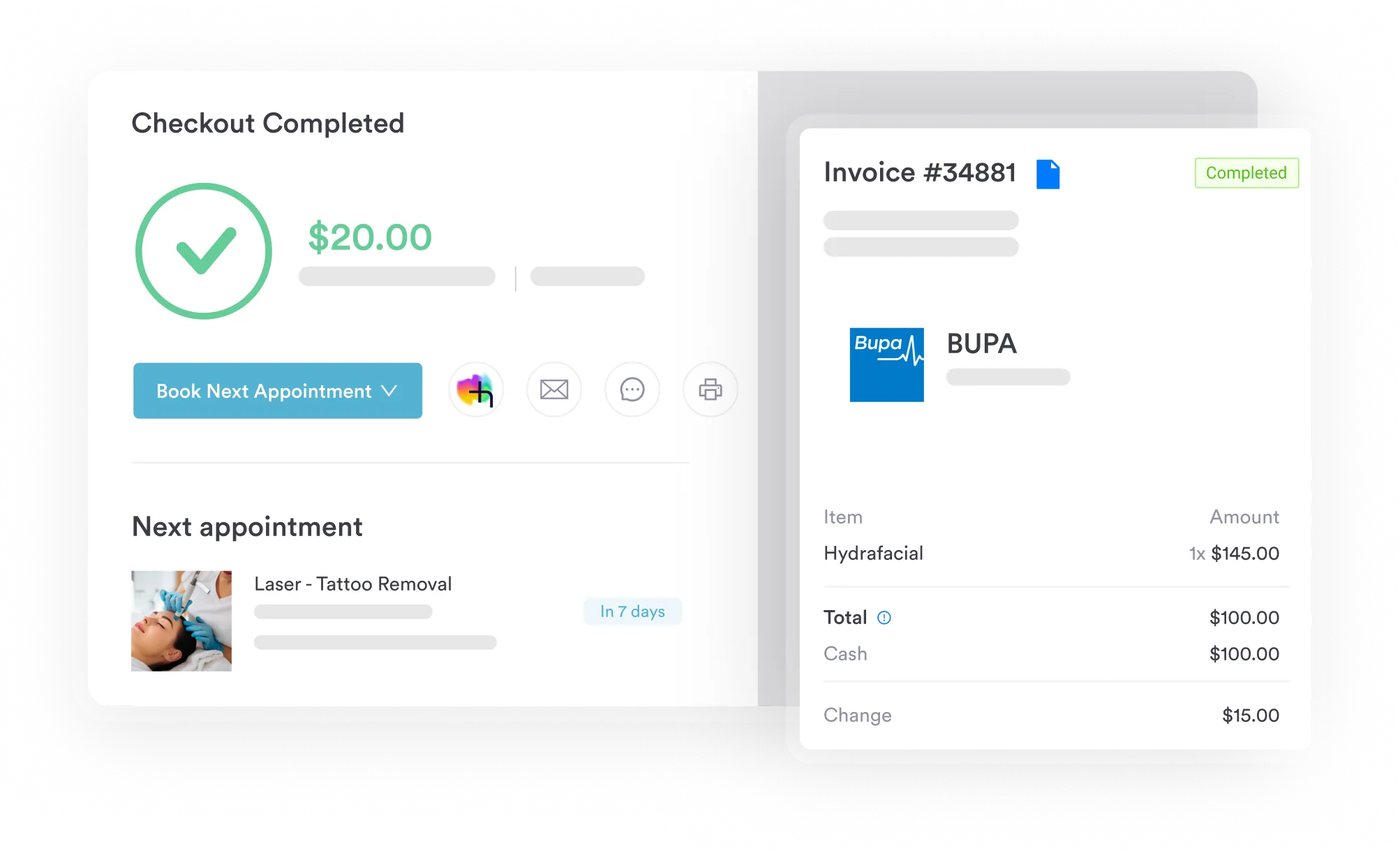

Pabau helps outpatient practices reduce claim denials, automate documentation reminders, and manage E/M coding compliance across every provider. See how it works for your practice.

Two modifiers account for the majority of 99213 billing situations that require additional documentation or reporting adjustments: specifically, Modifier 25 and Modifier 95.
Appending Modifier 25 to CPT code 99213 signals that a significant, separately identifiable E/M service was performed on the same day as a procedure. As a result, it is one of the most scrutinized modifiers in the OIG Work Plan and is frequently flagged by RAC auditors.
Modifier 25 is appropriate when the provider performs a separately documentable E/M service beyond the pre- and post-operative care included in the procedure. For example, a patient presenting for a wound check who also receives an injection (e.g., CPT 20610) may support Modifier 25. In that case, the clinical note must document a distinct decision-making process for the E/M, independent of the injection decision.
Specifically, documentation must show: (1) the E/M reason as distinct from the procedure, (2) the clinical assessment supporting the E/M level, and (3) that the E/M was not the pre-procedural evaluation included in the global period. Furthermore.
Same-day add-on codes work differently from a modifier. A tubal ligation performed during a cesarean is reported with 58611 alongside the delivery code.
Modifier 95 indicates that a service was delivered via synchronous telemedicine. Specifically, CPT Code 99213 is on the CMS telehealth services list and can be billed with Modifier 95 for real-time audio and video visits. However, coverage rules have changed significantly since the Public Health Emergency. Therefore, always verify current CMS guidance and your MAC’s local coverage determinations before billing 99213 with Modifier 95.
Practices offering telehealth visits benefit from dedicated telehealth software that logs session type, start and end time, and the synchronous nature of the encounter. As a result, these fields directly support Modifier 95 claims at audit.
The OIG consistently identifies E/M coding as a high-risk area for overpayments. In particular, CPT codes 99213 and 99214 are the highest-volume office visit codes in Medicare claims data. As a result, they attract proportionally more scrutiny than lower-volume codes.
The most common audit triggers for 99213 include:
In addition.
A regular internal coding audit — even quarterly — is the most effective risk mitigation strategy. Specifically, pull a random sample of 99213 claims and review against MDM and time criteria. The goal is to identify patterns before an external auditor does.
Denials citing the global surgical package follow a similar logic. A post-operative visit after 58661 is bundled unless the patient returns for an unrelated problem.
Run a quarterly E/M distribution report comparing your practice’s 99212-99215 utilization against CMS specialty benchmarks. If your 99213 billing rate deviates significantly from peers, investigate before your MAC does. This report takes under 30 minutes with the right practice management software.
99213 is most common in primary care, but it appears across specialties wherever established patients return for outpatient management. For example, for preventive visits involving new pediatric patients.
Wound care: Routine wound checks for established patients with a stable or healing wound often support 99213. The provider documents the assessment, dressing changes, and care plan. When the wound is deteriorating or requires a complex decision — such as debridement or hospitalization — 99214 may be more appropriate.
Psychiatry and mental health: Medication management visits for stable patients on a single psychiatric medication typically land at 99213. Prescription drug management satisfies the low complexity risk criterion. Practices using prescription management software with structured ePrescribing workflows create an audit trail that supports this MDM element without extra documentation steps.

Internal medicine and chronic disease management: A patient with well-controlled hypertension or stable type 2 diabetes at a routine follow-up is a textbook 99213 scenario. However, “well-controlled” and “stable” must be documented findings, not assumptions. In other words, if the note doesn’t say the condition is stable, an auditor won’t assume it.
For home-based E/M services. Similarly, practices using direct primary care models operate outside fee-for-service, but 99213 criteria still matters for those billing insurance for some patient panels. In either case, good MDM documentation habits translate to quality records in any model. To that end.
Gynecology practices face the same established patient question after operative laparoscopy. Once the global period closes, a follow-up visit for lesions treated under 58662 can be coded at 99213.
CPT Code 99213 is the backbone of established patient outpatient billing. In summary, getting it right means understanding both coding pathways, documenting to whichever is chosen, applying modifiers correctly, and running regular internal audits. Ultimately, catching distribution outliers before payers do is the goal.
Pabau’s claims management tools help outpatient practices maintain cleaner E/M documentation, track denial patterns, and surface underpayments. To see how Pabau handles billing compliance for your practice, book a demo.

Coding peritoneal dialysis supplies next? Disposable catheter tips for dialysis explains the per-10-unit billing rule that catches many billers off guard.
Need the code for dialysis drain bags? Drain bag for dialysis explains when Medicare bundles this supply into the maintenance dialysis payment instead of billing it separately.
Billing for hemodialysis supplies too? Venous pressure clamp billing covers the per-unit descriptor and the missing modifier issue that causes most denials.
CPT Code 99213 is used to bill established patient office or outpatient visits involving low complexity medical decision-making or a total encounter time of 20–29 minutes. It covers routine follow-ups for stable chronic conditions, acute low-severity illnesses, and prescription medication management.
99213 requires low complexity MDM or 20–29 minutes of total time; 99214 requires moderate complexity MDM or 30–39 minutes. Clinically, 99214 applies when there is a severe exacerbation, an undiagnosed new problem, or a moderate-risk decision such as considering hospitalization.
A 99213 visit requires 20–29 minutes of total time on the date of service, including pre-visit chart review, the encounter itself, test ordering, care coordination, and post-visit documentation — not face-to-face time alone.
Yes, when the provider performs a significant, separately identifiable E/M service on the same day as a procedure. The note must document the E/M as distinct from the procedure’s pre- and post-operative care, as Modifier 25 claims are a high-priority RAC audit target.
Medicare non-facility rates for 99213 typically fall in the $90–$95 range nationally, varying by locality and year. Use the CMS Physician Fee Schedule lookup tool and your MAC’s posted rates for accurate current figures.
Yes. 99213 can be billed for synchronous telehealth visits using Modifier 95, as CMS includes it on the Medicare telehealth services list. Always verify current CMS guidance and your MAC’s local coverage determinations before billing, as rules continue to change post-PHE.
No. This established patient office visit code has no age restriction — it applies to pediatric, adult, and geriatric patients alike, as long as the encounter meets the low complexity MDM or 20–29 minute time criteria. Age-banded ranges belong to preventive medicine codes such as 99381–99397, not to E/M visits like this one.
More often than not the claim is not denied but applied to the patient’s deductible, so it reads as unpaid on an explanation of benefits. Genuine denials usually trace back to the established patient rule not being met, missing medical necessity, or a note that fails to support the billed level of service.
There is no fixed frequency cap. Each encounter has to be medically necessary and documented on its own merits, though a billing rate well above your specialty’s norm can prompt a payer review of the pattern.



