Anja Dodevska
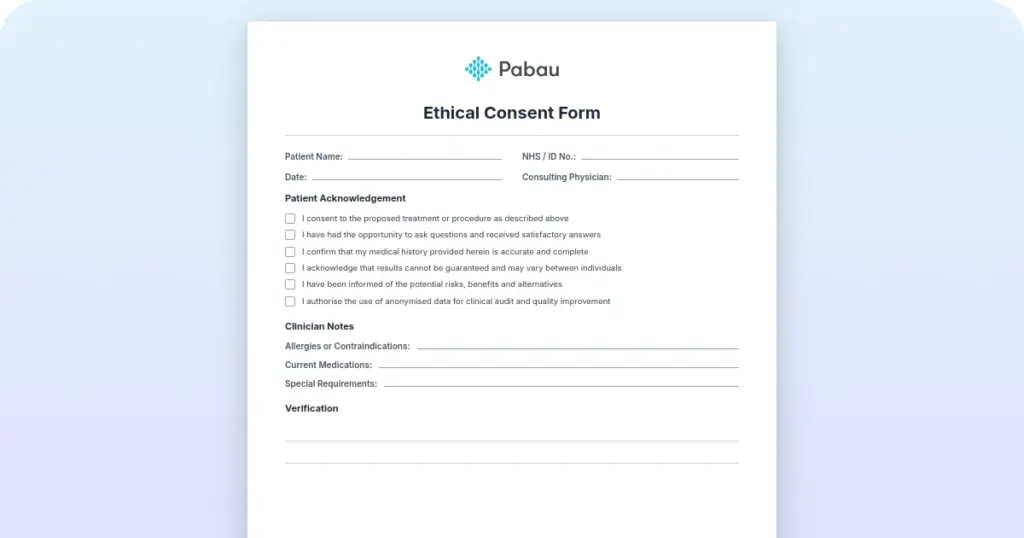
Ethical consent form: free template and what to add
An ethical consent form is a written record that a patient or participant agreed...

2
Last Updated: Oct 26, 2026
Free PDF 3 pages, print-ready Clinician-reviewed
Divorce is one of the most emotionally and logistically complex life transitions your clients will face. A structured divorce worksheet helps therapists guide clients through the financial, emotional, and practical details of separation without overlooking critical information.
Used as a divorce planning worksheet, it turns an overwhelming process into a set of manageable, session-by-session decisions. This resource is designed specifically for mental health professionals who support divorcing clients. It goes beyond legal forms to address the psychological, relational, and self-care dimensions of divorce.
A comprehensive divorce worksheet designed to help mental health professionals guide clients through the emotional, practical, and psychological aspects of divorce proceedings. This structured assessment tool supports therapeutic interventions while documenting key concerns, financial information, co-parenting plans, and treatment goals during this significant life transition.
Upload this PDF, or any form you already use, and Pabau's AI Form rebuilds it with tick boxes, text fields and a signature. Attach it to the treatment once, and every patient gets it on time.
AI Form rebuilds the consent, history and aftercare forms you already use. You review each one, then publish.
Patients complete forms on their phone before they arrive, so the front desk stops retyping paper.
Every signed form is versioned and attached to the treatment record, ready when you need it.
Set how long a consent stays valid. Returning patients skip forms they have already signed.
Supports HIPAA and GDPR compliance AES-256 encryption 4.8 on G2 4.7 on Capterra Trusted by 4,000+ practices worldwide

A divorce worksheet is a structured assessment tool that helps therapists guide clients through financial, emotional, and practical aspects of separation.
The worksheet captures critical information: asset inventory, debt division, child custody preferences, spousal support considerations, and emotional processing needs.
Therapists use divorce worksheets to improve client compliance, reduce missed details, and create a therapeutic roadmap during crisis transitions.
Pabau’s digital forms and client records software helps therapists store, organize, and retrieve completed worksheets securely in compliance with HIPAA regulations.
A divorce worksheet is a structured assessment tool that helps mental health professionals guide clients through the key decisions and information-gathering required during separation proceedings. Unlike legal documents prepared by attorneys, a therapy-focused divorce worksheet addresses both the practical logistics (asset division, child custody, financial planning) and the emotional dimensions (coping strategies, post-divorce adjustment, co-parenting communication).
The worksheet serves three critical functions in your practice: it creates a roadmap for therapy sessions, ensures no important information is missed, and documents the client’s treatment goals and progress throughout the divorce process. For therapists, the divorce worksheet is a clinical tool first — a way to systematize therapeutic work during a crisis transition.
Divorce worksheets work best when integrated into your ongoing therapy protocol, not handed to clients as a standalone homework assignment. The most effective approach is to work through the worksheet collaboratively during sessions, using each section as a prompt for deeper clinical exploration. Many practices fold this straight into their intake assessment and evaluation process for new divorce-related cases.
Start by explaining the worksheet’s purpose: to organize information that will be useful both therapeutically and practically. Many clients feel overwhelmed by the divorce process, and the structure reduces that overwhelm by breaking the transition into manageable components.
Work through the sections in the order that feels clinically relevant to your client’s immediate concerns. If financial anxiety is acute, start with the asset inventory. If custody fears dominate, begin with the parenting plan section.
Use clinical documentation best practices to record the client’s responses and emotional reactions as you progress through the worksheet. This becomes part of your clinical record and gives you data to reference in future sessions when the client circles back to unresolved concerns.
An effective divorce worksheet includes structured sections for both practical and emotional concerns. Therapists customize these sections based on client needs, but the core components remain consistent.
The asset and debt inventory is the section clients most often get wrong, so it anchors the divorce asset worksheet. Prompt the client to list every marital asset, then every debt, and to mark each as marital property (acquired during the marriage, usually subject to division) or separate property (owned before the marriage or inherited).
Assets clients routinely forget to list:
On the debt side, capture the mortgage, home equity loans, credit cards, auto loans, and student loans. A printable divorce asset worksheet the client fills in between sessions — on paper, or in an Excel or Google Sheets version — captures far more than memory does.
The completed inventory then doubles as a property division worksheet their attorney and financial planner can work from, giving both spouses a shared starting point when it comes to splitting assets.
Divorce splits one household budget into two, so the divorce budget worksheet compares current household expenses against projected living costs for each spouse after separation. Walk the client through their income sources and monthly expense categories so they can see whether their current standard of living is realistic on a single income.
Monthly categories worth capturing:
This is where financial anxiety surfaces, especially for a client who relied on a spouse’s income or had little control over money during the marriage. A clear divorce financial worksheet turns a vague fear about the budget for divorce into concrete numbers, and mapping a post-divorce budget gives the client something realistic to aim for.
Recommend they take the completed figures to a certified financial planner for the detailed financial planning a therapist can’t and shouldn’t provide.
This section documents the client’s custody preferences, parenting time hopes, and concerns about the children’s adjustment. The worksheet typically includes space for: desired custody arrangement (sole, joint, physical, legal), preferred parenting schedule, holiday and vacation arrangements, and decision-making responsibilities. Therapists use this section therapeutically to explore the client’s fears about losing time with children, guilt, and co-parenting communication challenges.
The worksheet guides clients to identify relevant factors: the length of the marriage, each spouse’s earning capacity, health status, retirement age, and contribution to the marriage, including career sacrifices, childcare, and household management.
Note: federal alimony tax treatment changed under the Tax Cuts and Jobs Act. For agreements executed after December 31, 2018, spousal support payments are no longer tax-deductible for the payer. Flag this for clients’ awareness, but recommend they consult a financial advisor or tax professional for specifics.
This is the distinctly therapeutic section. It explores grief, identity shifts, social support systems, self-care practices, and the client’s vision for post-divorce life. Prompts might include: “What support systems do you have right now?”, “What emotions are hardest to sit with?”, “What do you want your life to look like in 12 months?”, “What self-care practices help you manage stress?”
This section directly serves the therapeutic work and differentiates a therapy-focused worksheet from a purely legal or financial one. If a client’s distress looks more like clinical depression or anxiety than situational grief, an anxiety and depression test can help you decide whether additional screening is warranted.
The worksheet includes space for the client to draft communication strategies with the ex-spouse: preferred communication channels (email, co-parenting app, text), topics requiring in-person discussion versus written updates, and conflict de-escalation approaches. This helps reduce ongoing conflict and protects children from being caught in the middle.
Co-parenting conflict often escalates in the seconds after a provocative message lands. An impulse control worksheet adds a practiced pause before the reply gets sent.
Therapists use this section to improve client engagement with the divorce process by giving them agency over how communication will work post-separation.
Practices running virtual sessions through a telehealth platform can share and review worksheets on screen.
While the worksheet itself is therapeutic, clients still need to know what documents to gather for their attorney or mediator. For an uncontested divorce, the completed worksheet also works as an uncontested divorce worksheet the client can take straight into mediation.
The worksheet typically includes a checklist: proof of income (tax returns, pay stubs, W-2s), bank statements, investment account statements, property appraisals, mortgage documents, retirement account statements, insurance policies, and any prior separation agreements or prenuptial agreements.
Therapists should clarify that gathering this information is a practical step, not a legal one. You are helping clients become organized and prepared, which also reduces anxiety. Many clients feel empowered when they understand what information matters and why.
When appropriate, point clients toward a secure digital intake and document system for storing sensitive paperwork. Keep your own clinical records stored securely and in compliance with regulations.
Critical disclaimer: This worksheet is a therapeutic and informational tool, not legal advice. Divorce law varies significantly by state (community property versus equitable distribution, child support guidelines, alimony formulas).
Clients must consult with a family law attorney licensed in their jurisdiction for legal guidance. Your role is to support the emotional and practical processing of divorce, not to advise on legal strategy.
The worksheet concludes with a forward-looking section: post-divorce adjustment planning and self-care. This reflects the therapeutic orientation, helping clients envision their lives after the legal process ends. Prompts explore identity reconstruction (“Who am I outside the role of spouse?”), rebuilding social connections, financial independence goals, and mental health support moving forward.
For clients whose self-image took a hit during the marriage.
Structured, evidence-based support during and after divorce is well documented in the clinical literature. Programs that guide divorcing parents through the transition, such as the widely studied New Beginnings Program, have been shown to reduce children’s depression and anxiety and improve parenting quality years later. For clients managing their own mental health, the National Institute of Mental Health (NIMH) is a reliable patient resource. Your divorce worksheet is one part of that kind of structured support.
Completed divorce worksheets contain highly sensitive financial and personal information. As a therapist, you must store these documents securely and in compliance with HIPAA regulations.
If you use electronic health records (EHR) or practice management software, confirm that the system encrypts data at rest and in transit, restricts access to authorized staff only, and includes audit trails for who accesses client records.
Paper worksheets should be stored in a locked file or cabinet separate from other clinical records. When discussing the worksheet with clients, explain your privacy practices: which staff members may access the information, how long it will be retained, and what happens to it after treatment ends.
This builds trust and demonstrates your commitment to confidentiality during an already vulnerable process.
Practice management software like Pabau keeps all client information in one place. This protects client privacy and streamlines your documentation workflow during high-volume divorce cases.
Divorce creates a crisis state. Clients are often emotionally dysregulated, financially stressed, and overwhelmed by the number of decisions they must make. A structured divorce worksheet reduces cognitive load by organizing information into categories and prompting systematic thinking.
For therapists, the worksheet doubles as a clinical assessment tool. It reveals which areas are causing the most distress and which coping resources the client already has available.
Every section here relies on self-report, and a custody dispute gives people a strong reason to present themselves favorably. A social desirability scale tells you how much of that self-presentation is shaping the answers.
Structured assessment tools are a mainstay of couples and family therapy, and professional bodies such as the American Association for Marriage and Family Therapy (AAMFT) support their use to evaluate relationships and track change. The worksheet creates continuity: clients can reference it between sessions, return to sections that need deeper work, and measure their own progress as they move through the divorce process.
If you manage multiple therapy clients going through divorce, build the worksheet into your existing therapy practice management workflow, alongside intake and treatment planning. Some therapists introduce the worksheet in the first session when divorce is identified as a presenting concern; others use it after the initial crisis stabilization phase when the client is ready to engage in structured planning.
Best practice: Work through the worksheet over 3-5 sessions, spending one session per major section (financial, custody, emotional, co-parenting, post-divorce planning). This paces the work clinically and allows time for emotional processing between sections.
Document the client’s responses in your clinical notes, flagging areas of high distress or unresolved conflict for future therapeutic focus.
Store completed worksheets securely using HIPAA-compliant record-keeping practices. If your practice uses EHR software with digital intake forms, upload the completed worksheet as a PDF attachment to the client’s clinical file. This ensures the information is backed up, encrypted, and accessible to authorized clinicians in future sessions.
This worksheet is a therapeutic tool, not legal advice. Divorce law is jurisdiction-specific. Nine U.S. states follow “community property” rules, where marital assets are generally split equally between spouses. The remaining states use “equitable distribution,” which aims for a fair but not necessarily equal division.
Custody laws, alimony guidelines, and tax implications vary widely. Always advise clients to consult a family law attorney licensed in their state.
When clients ask tax questions about alimony, refer them to a certified financial planner or tax professional. The IRS changed the tax treatment of alimony in December 2017 (effective for agreements executed after December 31, 2018): alimony is no longer tax-deductible for payers and no longer taxable income for recipients.
This is critical information for clients negotiating settlement terms, but it’s outside your scope as a therapist.
Include a disclaimer on the worksheet itself: “This worksheet is designed to support therapy and organize information. It is not a legal document and does not constitute legal advice. Consult a licensed family law attorney for legal guidance on your specific situation. Information in this worksheet is confidential and protected by therapist-client privilege.”
Divorce is a clinical crisis that touches every domain of your client’s life: emotional, financial, relational, and identity-based. A structured divorce worksheet helps you systematize your therapeutic response.
By organizing information into key categories (assets, custody, emotions, co-parenting, post-divorce adjustment), the worksheet creates clarity for overwhelmed clients and gives you data to guide your clinical focus session to session.
Use this resource to deepen your divorce therapy work. Customize the sections to fit your client population, integrate the worksheet into your intake and treatment planning workflow, and store completed worksheets with the same care and security you give all sensitive clinical information.
Your structured support during this transition directly improves your client’s mental health outcomes and helps them move through divorce with greater agency and self-awareness. Book a demo to see how Pabau can securely store and organize client worksheets as part of your comprehensive clinical system.

Running group sessions for divorcing clients? Group therapy informed consent explains what to include, from confidentiality limits to rules and boundaries.
Want a resource for co-parenting communication scripts? Assertive communication techniques gives clients practical language for setting boundaries and communicating clearly with an ex-spouse without escalating conflict.
Need a tool for tracking client goals? OCD goals tracker worksheet uses SMART goal sections to track weekly obsession, compulsion, and ERP homework progress.
A divorce worksheet organizes financial, emotional, and practical information to help therapists guide clients through separation proceedings. It identifies assets, debts, custody preferences, and coping strategies while creating a therapeutic roadmap for treatment.
No. A divorce worksheet is a therapeutic and informational tool designed for clinical use. It is not legal advice and does not replace the need for a family law attorney. Always recommend clients consult a lawyer for legal guidance on settlement and custody matters.
Most clients complete the worksheet over 3-5 therapy sessions, spending one session per major section. Pacing allows for emotional processing and deeper clinical work alongside practical information gathering.
Yes. Mediators and couples therapists often use structured worksheets to help both spouses organize information and communicate about key decisions. However, if a mediator is involved, coordinate with them to ensure the worksheet aligns with the mediation process.
Use HIPAA-compliant electronic storage (encrypted EHR software) or a locked paper file cabinet. Completed worksheets contain sensitive financial and personal information, so treat them with the same confidentiality and security as clinical notes.
No. Your role is to help clients organize information and process emotions, not to calculate financial outcomes. Recommend clients consult a certified financial planner, divorce financial analyst, or attorney for valuations and support calculations.
Yes. You can download the template as a ready-to-print PDF, so clients can complete it by hand between sessions, and you can save the finished document straight into their secure file.