Anja Dodevska
Nutrition intake form
A nutrition intake form is a structured questionnaire that records a patientR...

4
Last Updated: Oct 22, 2026
Free PDF 4 pages, print-ready Clinician-reviewed
Precepting a new graduate? Standardizing notes across a busy practice? Either way, a diabetes nursing care plan keeps assessment, diagnosis, and intervention consistent from one shift to the next.
So this guide breaks down each part of the nursing plan of care for diabetes. It works through an example for a patient with type 2 diabetes. Then it hands you a free template to download and adapt to your own workflow.
A ready-to-use care plan template covering patient assessment, NANDA-I nursing diagnoses, evidence-based interventions, short and long-term goals, blood glucose monitoring protocols, medication management (insulin, metformin), nutrition therapy guidance, and patient education for type 1, type 2, and diabetic complications.
Upload this PDF, or any form you already use, and Pabau's AI Form rebuilds it with tick boxes, text fields and a signature. Attach it to the treatment once, and every patient gets it on time.
AI Form rebuilds the consent, history and aftercare forms you already use. You review each one, then publish.
Patients complete forms on their phone before they arrive, so the front desk stops retyping paper.
Every signed form is versioned and attached to the treatment record, ready when you need it.
Set how long a consent stays valid. Returning patients skip forms they have already signed.
Supports HIPAA and GDPR compliance AES-256 encryption 4.8 on G2 4.7 on Capterra Trusted by 4,000+ practices worldwide

A diabetes nursing care plan is a structured framework using NANDA-I diagnoses to guide assessment, interventions, and patient education for both type 1 and type 2 diabetes management.
The template includes blood glucose monitoring protocols, insulin and metformin management, DKA and hypoglycemia monitoring, and foot care education, covering the most common complications.
Standardized nursing care plan language (SNCP) improves documentation efficiency and reduces clinical errors in diabetes data management and handoff communication.
Practice management software like Pabau streamlines care plan completion. Its digital forms and AI-powered clinical documentation (Pabau Scribe, our AI scribe) help clinicians keep HIPAA-compliant, structured records for diabetes patients.
A diabetes nursing care plan is a structured clinical document. It turns patient assessment data into evidence-based nursing interventions. Those interventions line up with the North American Nursing Diagnosis Association International (NANDA-I) taxonomy.
It also forms the base for whole-person diabetes management. In practice, it walks nurses and practice teams through five steps: assessment, diagnosis, goal setting, intervention, and patient education.
The template tackles the core clinical challenges in diabetes care:
Most sample care plans online stop at a blank form. This template links structured patient records to the NANDA-I, NIC (Nursing Interventions Classification), and NOC (Nursing Outcomes Classification) frameworks, so your documentation stays consistent and compliant with healthcare standards.
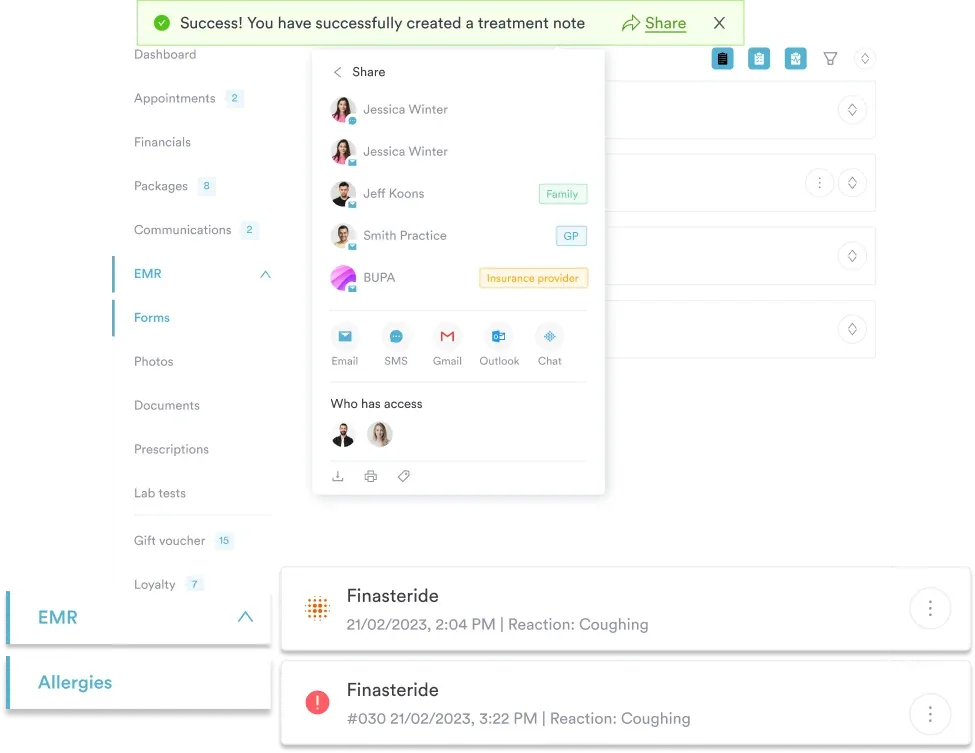
Standardized care plan language also pays off day to day. It sharpens handoffs between shifts and practices, and it cuts documentation errors. Plus.
The template follows a five-step workflow that mirrors the Nursing Process: assessment, diagnosis, planning, implementation, and evaluation. Each step builds on the last, so the finished plan stays patient-centered.
The template also connects to digital intake forms. So clinicians can complete assessments during a consultation or right after it. That cuts transcription delays and improves data accuracy.
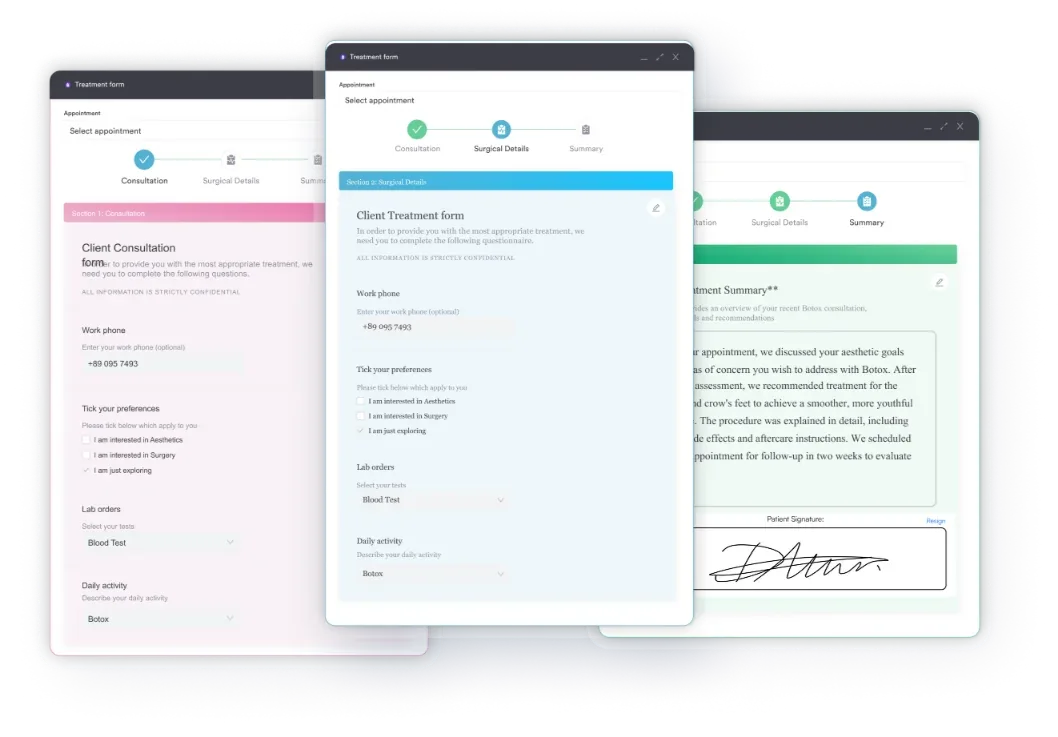
Take a 58-year-old patient, newly diagnosed with type 2 diabetes. Their HbA1c is 8.6%, they take metformin, and they report numbness in both feet. This diabetes nursing care plan example shows how the template turns that picture into prioritized diagnoses, goals, and interventions.
| Nursing diagnosis (NANDA-I) | SMART goal | Key nursing interventions | Evaluation |
|---|---|---|---|
| Risk for Unstable Blood Glucose | Patient maintains fasting glucose 80-130 mg/dL and HbA1c below 7% within 3 months | Teach self-monitoring of blood glucose (SMBG) and continuous glucose monitoring; review carbohydrate counting; time metformin with meals; monitor for hypoglycemia and hyperglycemia | Fasting readings logged in range; HbA1c trend reviewed at the next visit |
| Deficient Knowledge (medication and self-monitoring) | Patient demonstrates glucose testing and describes metformin action using teach-back before discharge | Provide diabetes self-management education and support (DSMES); use teach-back; share education through the patient portal | Teach-back completed; patient states when to test and report readings |
| Risk for Impaired Skin Integrity (diabetic foot) | Patient reports daily foot checks and shows no new lesions at follow-up | Perform monofilament foot screening; teach daily inspection and proper footwear; refer for retinopathy and nephropathy screening | Feet intact at follow-up; screening referrals booked |
The nursing diagnosis for type 2 diabetes usually starts with Risk for Unstable Blood Glucose. From there, you layer on the diagnoses that fit the patient. A NANDA nursing diagnosis for diabetes might add Deficient Knowledge, Imbalanced Nutrition, Risk for Infection, Risk for Impaired Skin Integrity, Fatigue, or Ineffective Health Maintenance.
Then prioritize each nursing diagnosis related to diabetes by clinical urgency and the patient’s own risk factors.
Each goal then anchors the interventions. A typical nursing intervention for type 2 diabetes pairs glucose monitoring with lifestyle coaching. For example, it asks for at least 150 minutes of moderate activity a week, carbohydrate counting with a registered dietitian, and a medication review. That review covers metformin, sulfonylureas, GLP-1 receptor agonists, and SGLT-2 inhibitors.
Digital forms sit at the center of practice management software, feeding records, billing, and follow-ups from one entry.
This nursing care plan for patient with diabetes suits a wide range of teams. It works for registered nurses (RNs), nurse practitioners, and practice teams in primary care.
It also helps nurses across three busy settings. Hospital inpatient units manage newly diagnosed diabetes. Outpatient clinics support type 2 diabetes and lifestyle changes. Endocrinology practices coordinate complex medication regimens.
It is especially useful when practices manage gestational diabetes, prediabetes, or diabetic complications like DKA, hypoglycemia, and diabetic foot ulceration. In those cases, tight protocols and precise documentation directly affect patient safety and payer reimbursement. Gestational diabetes cases also carry on past delivery, where a breastfeeding weaning plan sits alongside the postpartum glucose recheck.
A systematic clinical approach. NANDA-I diagnoses, NIC interventions, and NOC outcomes create one shared language. Every team member understands it. So care varies less, and handoffs between shifts and facilities get safer.
Documentation efficiency and compliance. A structured template cuts the time you spend working out what to record next. It also reduces repetition. Before any discharge or transfer, it confirms that every required element is there: assessment, diagnosis, goals, and interventions. As a result, you stay audit-ready and aligned with HIPAA documentation standards.
Patient safety and complication prevention. The template builds in monitoring for acute complications, such as DKA recognition and hypoglycemia management. It also covers chronic complications, like diabetic foot screening and retinopathy referral. So no critical assessment step slips through. Clear blood glucose targets and insulin adjustment logic then reduce dosing errors.
Improved patient outcomes. Standardized plans set measurable goals and share education through the patient portal. That mix correlates with better glycemic control, which the ADA standards of care put at an HbA1c below 7% for most adults.
It also links to fewer hospitalizations for DKA or hypoglycemia.
A handful of diagnoses come up again and again:
Map each nursing diagnosis related to diabetes to a measurable goal, so the plan stays actionable. The psychiatric evaluation template helps here too. It gives you a framework for the depression and anxiety that often come with diabetes.
The template sets a fasting glucose target of 80-130 mg/dL for most adults, in line with the ADA. HbA1c targets sit below 7% for most patients. You then individualize them for older adults or anyone at risk of hypoglycemia. Three results confirm a diagnosis:
Self-monitoring of blood glucose runs about four times a day for type 1 insulin users. It is less frequent for type 2 patients on oral agents. Glucometer battery replacements, by the way. Nurses then read the results and adjust insulin or metformin dosing with the prescriber, and they record the clinical rationale.
The template includes a medication reconciliation section for insulin, metformin, glipizide, GLP-1 receptor agonists, and SGLT-2 inhibitors. For each drug, it records the mechanism, the typical dose range, and what to watch for. It also flags key education points, such as metformin GI side effects, insulin injection-site rotation, and glipizide hypoglycemia risk. Extended-release metformin also belongs on any do not crush list, so check it before splitting a tablet for a patient who struggles to swallow.
Patients on insulin pump therapy also need supplies billed under E0784, reconciled against their pump settings. And because GLP-1 receptor agonists are prescribed just as often in weight-loss clinics, check that a patient isn’t already on one before you add a new order. Nurses coordinate with pharmacists and prescribers whenever a medication needs adjusting for blood glucose trends or comorbidities.
Working with a registered dietitian, the template sets Medical Nutrition Therapy (MNT) goals. These cover carbohydrate counting, meal timing around insulin, and dietary limits like a low-sodium diet for patients who also have hypertension. Nurses then share the nutrition therapy materials through the patient portal, so patients have a reference to come back to.
The template has structured sections for catching trouble early. One tracks diabetic ketoacidosis (DKA) warning signs: rapid breathing, fruity breath odor, nausea, and confusion. Another tracks hypoglycemia symptoms, like shakiness, sweating, confusion, and loss of consciousness. Nurses teach patients to spot these signs and report them right away.
Routine diabetic foot screening, through visual inspection and monofilament testing, catches problems early. Clear referral protocols for diabetic retinopathy and diabetic nephropathy then help stop complications before they worsen. Following clinical documentation best practices, the team records every safety assessment and passes it on.
Patients with painful diabetic neuropathy benefit from a second tool too. Pair this plan with a pain management treatment template.

Pabau’s digital forms and AI-powered clinical documentation help practices complete structured care plans faster and maintain HIPAA-compliant patient records.

Diabetes nursing care plans turn clinical knowledge into systematic action. So every patient gets consistent, evidence-based assessment and intervention, whatever the provider or setting. The template also eases the documentation burden. It ties every intervention to a measurable goal and a standardized NANDA-I diagnosis, which lifts outcomes.
Practices see the biggest gains when they fold this template into a digital documentation workflow. Practice management software like Pabau captures the data automatically, cuts transcription errors, and frees clinicians to focus on patients rather than paperwork. So download the template today and start building a framework for safer, more efficient diabetes care. And if you want to see how Pabau turns assessments, diagnoses, and goals into one connected patient record, book a demo with our team. Weight loss clinic software keeps measurements, prescriptions and review appointments against one patient record.

Need a structured foot screening tool? Diabetic foot exam template gives nurses a standardized monofilament and skin-integrity checklist that pairs directly with this plan’s foot care goals.
Looking for dietary guidance to pair with this plan? Low-carb diabetic diet plan gives patients a practical meal structure that supports the carbohydrate counting goals set in Medical Nutrition Therapy.
Need a medication reconciliation reference? Diabetes medication list helps nurses track dosing changes across insulin, oral agents, and injectables between visits.
A diabetes nursing care plan is a structured clinical document. It guides nurses through assessment, NANDA-I diagnoses, goal setting, intervention planning, and evaluation. Standardized language (NANDA-I, NIC, NOC) keeps that care consistent and evidence-based.
Common ones include Imbalanced Nutrition, Risk for Unstable Blood Glucose, Deficient Knowledge about medication and self-monitoring, Risk for Infection, Risk for Impaired Skin Integrity (diabetic foot), Ineffective Health Maintenance, and Anxiety related to chronic disease.
Review and update the plan at each visit, usually every 3 months for type 2 diabetes and more often for type 1 or newly diagnosed patients. Each update reflects current blood glucose trends, HbA1c results, medication changes, and progress on goals.
Yes. Type 1 plans emphasize intensive insulin management, carbohydrate counting, and hypoglycemia risk. Type 2 plans focus on oral and injectable medications, with metformin, glipizide, and SGLT-2 inhibitors taken orally and GLP-1 receptor agonists usually injected, plus lifestyle changes. The core assessment and complication sections apply to both.
Patient education is central. It covers blood glucose monitoring, medication administration, carbohydrate counting, diabetic foot care, and the warning signs of DKA and hypoglycemia. The plan documents these goals and reinforces them at each visit.
Yes. For a nursing care plan for gestational diabetes, shift the focus to blood glucose monitoring after the 24-28 week screening, dietary management, and fetal wellbeing. The same assessment, diagnosis, goal, and intervention structure still applies.