Grains food list: whole vs refined grains (free PDF)
A grains food list sorts grain foods into whole and refined groups, so patients ...

3
Last Updated: Oct 20, 2026

A diabetes medication list is a structured record documenting a patient’s current diabetes medications, including drug class, mechanism of action, and clinical considerations.
Metformin is first-line therapy for type 2 diabetes. SGLT2 inhibitors and GLP-1 agonists offer additional cardiovascular and metabolic benefits beyond glucose control.
Accurate medication tracking prevents drug interactions, supports clinical decision-making, and improves care coordination across care teams.
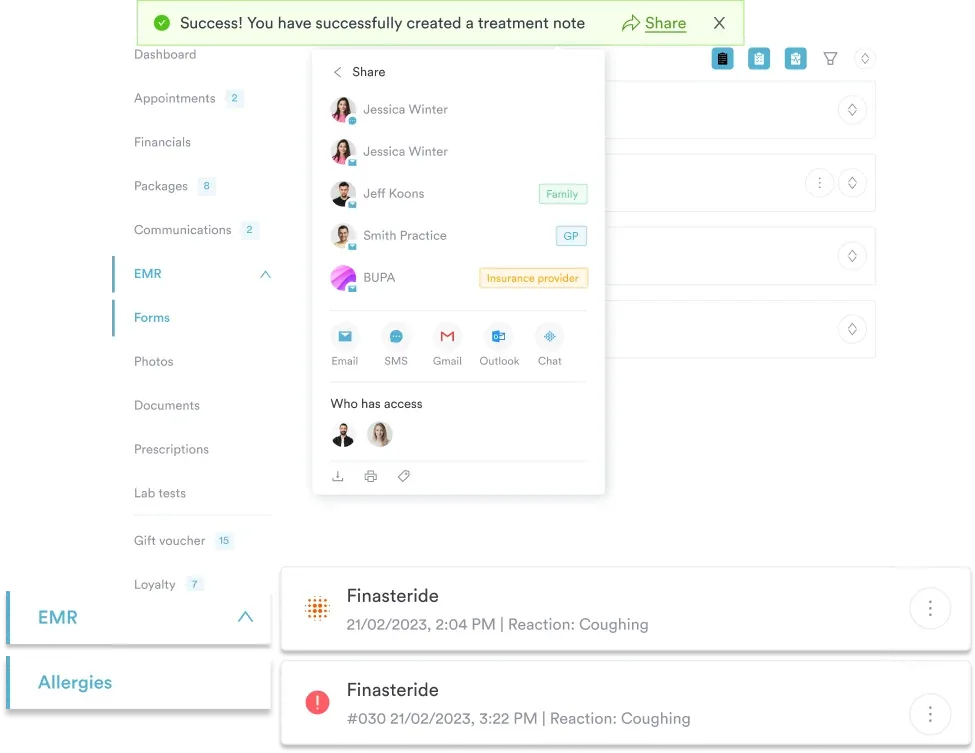
Pabau’s prescription management feature and digital forms enable clinicians to maintain comprehensive, searchable medication records within the patient chart.
A ready-to-use reference form documenting patient diabetes medications by drug class, including generic names, brand names, mechanisms of action, dosing routes, and key side effects in one comprehensive view.
Download templateThis guide lists the main diabetes medications by drug class, with generic names, common brand names, route, and the clinical notes that matter at the point of prescribing. Below the reference table, you’ll find a free medication list form to download and use in your practice today.
Keeping that list accurate is one of the simplest ways to prevent prescribing errors and keep the whole care team working from the same record. Practice management software like Pabau keeps medication data complete, searchable, and easy to share across specialists.
According to the Centers for Disease Control and Prevention’s National Diabetes Statistics Report, 40.1 million Americans have diabetes, and most require medication management. A complete medication list gives clinicians a clear view of what each patient is taking and when. It also shows how well the treatment is working.
This documentation prevents drug interactions, supports treatment adjustments, and improves communication between primary care providers, endocrinologists, and other specialists managing diabetic patients.

Without a structured medication reference, clinicians risk missing key contraindications, such as metformin in renal impairment or thiazolidinediones in heart failure. They may also repeat therapy unnecessarily or overlook a drug started by another provider.
A diabetes medication list is a structured clinical document that captures a patient’s current antidiabetic medications and related context. It serves as the single source of truth for medication management within a patient record.
The list typically includes generic medication names (metformin, empagliflozin, sitagliptin), brand names (Glucophage, Jardiance, Januvia), and drug class (biguanide, SGLT2 inhibitor, DPP-4 inhibitor). It also documents mechanism of action, route, and any side effects or tolerability issues. This helps clinicians make informed prescribing decisions aligned with current American Diabetes Association (ADA) standards of care.
Most patients on the list carry a primary diagnosis such as ICD-10 E11.9 (type 2 diabetes without complications) or the newer ICD-11 5A11 classification. It’s worth cross-checking the diagnosis code against the medication list during chart review.
In the UK, diabetes medication lists align with NICE guidance for type 2 diabetes management, ensuring consistency across NHS and private practice settings.
Adding a structured diabetes medication list to your practice workflow ensures accurate, up-to-date medication tracking. Follow these five steps:
Using digital forms within your practice management system brings this information together and makes it instantly searchable during patient encounters. Read more about how Pabau’s centralized prescriptions feature keeps medication data connected to the rest of the patient chart.
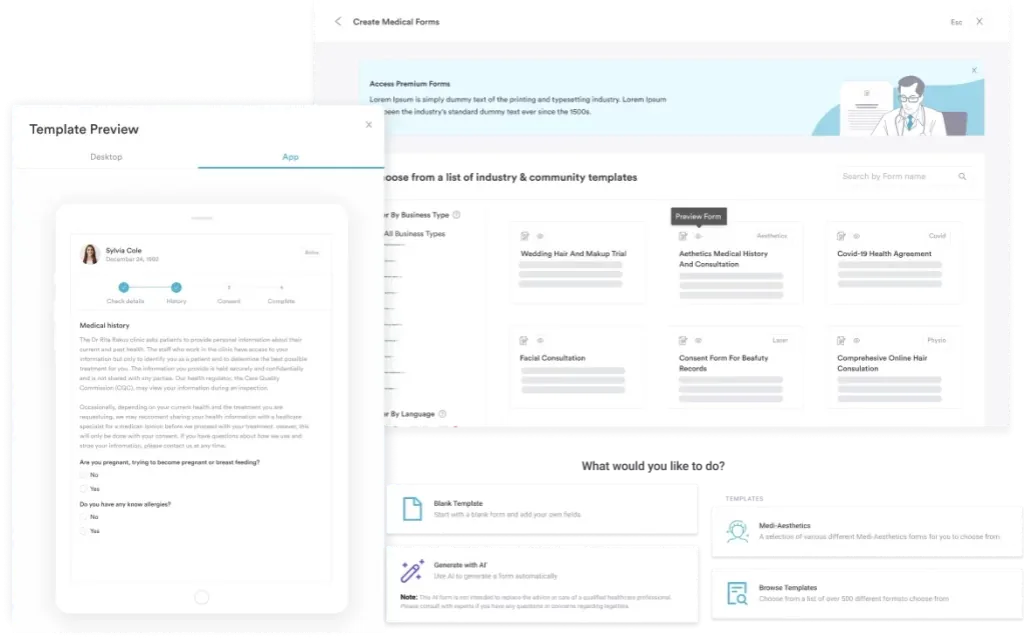
Software designed for GP practices can attach this form to the consultation record automatically.

Manage patient medications, coordinate with specialists, and track treatment outcomes — all in one integrated platform.

A structured diabetes medication list is essential for any healthcare setting managing diabetic patients. Primary care providers rely on it to coordinate care. Endocrinologists use it to optimize therapy. Integrated care teams depend on it to prevent duplicated or conflicting prescriptions.
Metabolic health practices, functional medicine practitioners. Diabetes medication management overlaps closely with broader metabolic risk reduction.
Weight loss practices often prescribe GLP-1 agonists for diabetes and weight management, including for patients diagnosed with morbid obesity (E66.01). These practices need clear documentation of baseline medications and contraindications.
Practices comparing systems for this specialty can review our breakdown of the best EMR for weight loss clinics.
Private practice nurses, nurse practitioners, and physician assistants who prescribe diabetes medications must keep complete records to meet regulatory standards. Clear records also help with handoffs to other care providers. When a patient reports an overactive bladder drug started by urology, an OAB medication list keeps that entry accurate.
Prevents medication errors: A documented list removes guesswork and reduces the risk of prescribing duplicate or contraindicated agents. Clinicians can instantly check what has been tried and what is currently active.
Supports clinical decision-making: When HbA1c remains elevated, the list shows which drug classes are already in use. It also shows which combinations align with current guidelines (ADA, NICE, AACE). This helps clinicians adjust treatment faster.
Improves care coordination: Sharing the medication list with specialists, cardiologists, and other providers ensures everyone knows what the patient is taking. This matters most when GLP-1 agonists or SGLT2 inhibitors are prescribed for cardiovascular benefit, since specialists need to know about these agents.
Our guide on who manages electronic health records covers how these responsibilities are typically divided across a care team.
Meets compliance and audit standards: Regulatory bodies (CQC in England, MHRA, FDA) expect documented medication management. A complete list shows due diligence and supports audit readiness.
Enhances patient safety: Patients on sulfonylureas or insulin face hypoglycemia risk. Those on metformin need periodic renal monitoring.
Undertreatment carries its own risk too. A documented list helps flag early signs of hyperglycemia (ICD-10 E11.65) alongside hypoglycemia, and supports proactive patient education either way.
Create a standardized protocol: at every diabetes review appointment, print or display the medication list on screen. Then ask the patient to confirm or correct each entry. This 60-second check catches missed medications, discontinued agents, and over-the-counter products that affect glucose control.
Understanding the major drug classes helps clinicians interpret and use the medication list effectively. According to the National Institute of Diabetes and Digestive and Kidney Diseases (NIDDK), modern diabetes treatment involves multiple drug classes. Each class has its own mechanism and side-effect profile.
Complications are wide-ranging too. The medication list should be reviewed alongside the patient’s full diagnostic picture.
The table below is a quick reference to the major diabetes drug classes, with representative generic and brand names, route, and the clinical point that matters most for each. It covers oral and injectable agents across type 1 and type 2 diabetes.
| Drug class | Common generic names | Example brand names | Route | Key clinical note |
|---|---|---|---|---|
| Biguanide | Metformin | Glucophage, Fortamet, Riomet | Oral | First-line for type 2 diabetes; hold in significant renal impairment and monitor eGFR |
| SGLT2 inhibitors | Empagliflozin, dapagliflozin, canagliflozin, ertugliflozin | Jardiance, Farxiga, Invokana, Steglatro | Oral | Cardiovascular and renal protection; watch for genital infections and euglycemic ketoacidosis |
| GLP-1 receptor agonists | Semaglutide, dulaglutide, liraglutide, exenatide | Ozempic, Rybelsus, Trulicity, Victoza, Byetta | Injectable (oral semaglutide available) | Weight loss and cardiovascular benefit; contraindicated with a history of medullary thyroid carcinoma |
| Dual GIP/GLP-1 agonist | Tirzepatide | Mounjaro | Injectable | Strong glycemic and weight-loss effect; same thyroid contraindication as GLP-1 agonists |
| DPP-4 inhibitors | Sitagliptin, saxagliptin, linagliptin, alogliptin | Januvia, Onglyza, Tradjenta, Nesina | Oral | Weight-neutral and well tolerated; useful in combination therapy |
| Sulfonylureas | Glimepiride, glipizide, glyburide | Amaryl, Glucotrol, DiaBeta | Oral | Effective but carry hypoglycemia and weight-gain risk; use caution in older adults |
| Thiazolidinediones (TZDs) | Pioglitazone, rosiglitazone | Actos, Avandia | Oral | Improve insulin sensitivity; avoid in heart failure and fluid overload |
| Meglitinides | Repaglinide, nateglinide | Prandin, Starlix | Oral | Rapid, short-acting; taken with meals to target post-meal glucose |
| Alpha-glucosidase inhibitors | Acarbose, miglitol | Precose, Glyset | Oral | Slow carbohydrate absorption; gastrointestinal side effects are common |
| Amylin analog | Pramlintide | Symlin | Injectable | Adjunct to mealtime insulin; slows gastric emptying |
| Insulin | Rapid, short, intermediate, long, and ultra-long-acting formulations | Humalog, NovoLog, Humulin R, Humulin N, Lantus, Levemir, Tresiba | Injectable | Essential for type 1 and often needed in type 2; titrate and monitor for hypoglycemia |
Metformin (biguanide) remains first-line therapy for type 2 diabetes. It reduces hepatic glucose production and improves insulin sensitivity. Contraindicated in significant renal impairment. Monitor eGFR annually.
SGLT2 inhibitors (empagliflozin, dapagliflozin, canagliflozin) lower blood glucose by promoting urinary glucose excretion. They offer documented cardiovascular and renal protection — key benefits beyond glucose control. Clinicians assessing baseline cardiovascular risk before starting therapy may also order a cardiovascular stress test (CPT 93015). Monitor for genitourinary infections and ketoacidosis risk.
GLP-1 receptor agonists (semaglutide, liraglutide, exenatide) delay gastric emptying and reduce glucagon secretion. They lower appetite and promote weight loss, with demonstrated cardiovascular benefit in landmark trials (LEADER, SUSTAIN).
Tirzepatide works differently: it’s a dual GIP/GLP-1 receptor co-agonist rather than a GLP-1-only agent. It combines the effects above with an additional GIP pathway, producing similar glycemic and weight-loss outcomes. Both GLP-1 agonists and tirzepatide are contraindicated in personal or family history of medullary thyroid carcinoma.
DPP-4 inhibitors (sitagliptin, saxagliptin, linagliptin) increase incretin hormones and stimulate insulin secretion in response to meals. Well-tolerated, weight-neutral. Not first-line but useful in combination therapy.
Sulfonylureas (glimepiride, glipizide, glyburide) stimulate pancreatic insulin secretion. Effective but risk hypoglycemia and weight gain. Now reserved for specific scenarios or as add-on therapy in patients tolerating earlier agents.
Insulin is essential for type 1 diabetes and often required in type 2 when oral agents fail. Multiple formulations exist (rapid, short, intermediate, long-acting, ultra-long-acting). Requires titration, patient education, and hypoglycemia monitoring. Document ongoing therapy with ICD-10 Z79.4 (long-term insulin use). Also flag device-related complications, such as an infected insulin pump (T85.72XD), for patients on pump therapy.
A complete diabetes medication list documents all of these agents alongside patient-specific tolerability notes, contraindications, and response metrics (HbA1c, weight, renal function).
These related guides cover diagnosis coding, billing, and documentation that often come up alongside a diabetes medication list:
A structured diabetes medication list is a key part of safe, coordinated diabetes care. Documenting medications consistently helps clinicians reduce errors and support evidence-based treatment decisions. It also keeps the whole care team aligned on a patient’s current therapy.
The downloadable template above is ready to use in your practice today. To streamline medication tracking further and share information securely with specialists, book a demo of Pabau’s integrated medication and patient record management.

Pairing medication tracking with a diet plan? 7-day keto meal plan gives patients seven days of meals, macro targets, and a printable grocery list.
Managing a patient with kidney complications too? kidney-friendly 7-day meal plan covers low-sodium, low-potassium meals for stages 1 through 4 chronic kidney disease.
Want to support a patient’s fitness goals too? 75 Hard Challenge template tracks daily workouts, hydration, and dietary compliance across the 75-day challenge.
A diabetes medication list is a structured clinical form. It documents all current diabetes medications, including generic names, brand names, drug class, mechanism of action, and dosing. It serves as the single source of truth for medication management in a patient record.
Update the list at every diabetes review appointment, whenever new medications are prescribed, and whenever a medication is discontinued or changed. Best practice is to verify the entire list with the patient at each visit to catch missed or over-the-counter medications.
Metformin is first-line for type 2 diabetes. SGLT2 inhibitors and GLP-1 agonists are increasingly prescribed because they offer cardiovascular and metabolic benefits beyond glucose control. Insulin is essential for type 1 and often needed in type 2 when oral agents are insufficient.
Accurate medication lists prevent drug interactions, identify contraindications (such as metformin in renal impairment), support treatment decisions, and improve communication between care team members. Errors in medication documentation can delay treatment adjustments or cause patient harm.
A complete list helps clinicians intensify therapy appropriately when HbA1c is above target. It also helps avoid unnecessary dose changes to medications that are already working. Finally, it shows which drug classes have already been tried or are contraindicated. This speeds up clinical decision-making and improves HbA1c control.
Document the insulin type (rapid, long-acting, etc.), total daily dose, injection schedule, and any recent titrations. Flag hypoglycemia awareness status and monitor glucose logs at every visit. Ensure the patient understands sick day management and has a hypoglycemia action plan.