Grains food list: whole vs refined grains (free PDF)
A grains food list sorts grain foods into whole and refined groups, so patients ...

3
Last Updated: Oct 20, 2026

A vegan meal plan for weight loss eliminates all animal products while maintaining a calorie deficit through whole plant foods, legumes, grains, and vegetables.
Successful weight loss depends on creating a 500-calorie daily deficit, which research suggests leads to approximately 1 lb of weight loss per week.
Critical nutrients including vitamin B12, iron, omega-3 fatty acids, calcium, and vitamin D require careful planning or supplementation on a vegan diet.
Practice management software like Pabau documents nutrition plans and patient records in one place, so practitioners can track progress and follow-ups across visits.
A downloadable PDF template allows clinicians to print, customize, and track vegan meal plans with their patients, connecting clinical guidance to daily adherence.
A comprehensive vegan meal plan specifically designed to support healthy weight loss while meeting all nutritional requirements. This evidence-based template provides healthcare practitioners with a structured approach to plant-based nutrition guidance for patients seeking sustainable weight management through dietary intervention.
Download templateA vegan meal plan for weight loss works by combining plant-based whole foods with a structured calorie deficit. Unlike restrictive fad diets, a well-designed vegan approach focuses on satiety through fiber and protein, making sustainable weight loss achievable without constant hunger. This guide walks you through the science, structure, and practical implementation of a 7-day vegan meal plan that clinicians can customize for individual patients.
A vegan meal plan for weight loss eliminates all animal products-meat, fish, dairy, eggs, and honey-while maintaining a deliberate calorie deficit. The emphasis is on whole plant foods: legumes (beans, lentils, tofu, tempeh), whole grains (brown rice, oats, quinoa), vegetables, fruits, and nuts/seeds. This approach works because plant foods are naturally lower in caloric density and higher in fiber. That combination supports satiety and reduces calorie intake without requiring strict portion control. Metabolic health is tracked over months, so the record matters more than any single appointment.
The clinical evidence is clear. Research from the Academy of Nutrition and Dietetics shows that well-planned vegan diets support weight loss at rates comparable to non-vegan approaches. They also carry added cardiovascular benefits. The key distinction is intentional planning-a vegan diet does not automatically cause weight loss; it requires the same calorie deficit as any weight loss program.
Four mechanisms make plant-based eating effective for weight loss.
A sustainable calorie deficit for weight loss is typically 500 calories below estimated daily energy expenditure, yielding approximately 1 lb of weight loss per week. For most adults, this translates to a daily range of 1,200-1,800 calories, depending on starting weight, activity level, and metabolic rate.
The macronutrient split above reflects a 30% protein, 50% carbohydrate. Protein prevents muscle loss during weight loss and sustains satiety longer than carbohydrates alone. Adjust calorie targets downward if starting weight is under 250 lbs or upward if activity level is high (exercise 5+ days per week).
Pairing this plan with patient scheduling tools keeps progress reviews booked ahead of time.
Success depends on food selection quality. High-fiber whole plants sustain satiety; refined and processed vegan foods sabotage weight loss.
Many patients assume “vegan” automatically means healthy or lower-calorie. Vegan cookies, cheese alternatives, and plant-based meat patties are calorie-dense and often exceed whole-food alternatives. Education on this distinction prevents disappointment and keeps patients on track.
Patients managing cardiovascular risk factors alongside weight loss can pair this list with a heart-healthy diet plan that limits saturated fat further.
The following 7-day structure illustrates how to build a 1,500-calorie vegan meal plan balanced for satiety and nutrient density. Each day includes breakfast, lunch, dinner, and a snack (roughly 350-400 cal breakfast, 350-400 cal lunch, 500-600 cal dinner, 150-200 cal snack). Customize quantities and specific recipes to match individual preferences and macronutrient targets. Patients who want a lower carb load can follow a vegan keto meal plan that holds net carbs under 50 grams daily.
Use this list to plan shopping trips and meal prep. Organize by section for in-store efficiency.
A vegan diet requires intentional planning for five critical micronutrients. Deficiencies are preventable with education and, where needed, supplementation. Counsel patients to work with a functional medicine practitioner or registered dietitian who uses a functional medicine intake form to assess individual needs.
Track micronutrient intake monthly using apps like Cronometer or a consultation with a registered dietitian.
Meal prep transforms intent into action. Without prepped ingredients, patients revert to convenient processed options. A simple habit tracker can help patients stay consistent with their weekly prep day.
The downloadable template above provides a print-friendly, customizable framework for your patients. Here is how to implement it:
Patients who print the template and place it on their kitchen fridge, or save it to their phone, show significantly higher adherence. Verbal guidance alone doesn’t work as well. The client portal can host the customized PDF, ensuring patients always have the current version and can reference it during appointments.
These pitfalls derail progress. Educate patients on each to prevent dropout:
Many practices still hand patients a printed meal plan and rely on memory or a spreadsheet to track adherence between visits. Follow-up conversations then start from scratch, without a record of what changed since the last appointment.
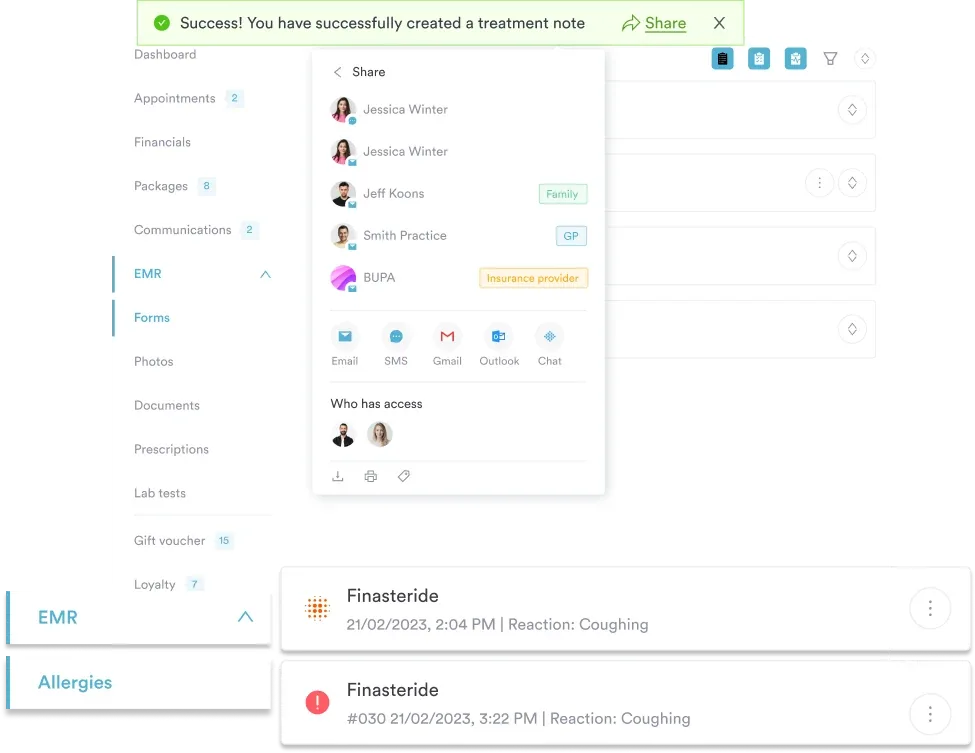
Pabau keeps the customized meal plan, clinical notes, and patient records together in one file. Practitioners can review what was discussed last time, log new weight and activity data, and adjust the plan without hunting through separate documents.
That continuity makes follow-up appointments faster and gives patients a consistent point of contact for questions about their plan between visits.

Pabau’s clinical notes and patient records keep nutrition plans and follow-up notes together, so practitioners can pick up where the last visit left off.

A vegan meal plan for weight loss works the same way any weight loss plan works: a sustained calorie deficit. What makes the vegan version sustainable is the fiber and volume in whole plant foods, which keep patients satisfied instead of restricted.
The 7-day structure is a starting framework, not the finished plan. Results depend on what patients do after day one. Track intake and use the calorie table to find the right target. Then stay on top of the nutrients that need extra planning on a plant-based diet.
Use the downloadable template to start that conversation with your next weight-management patient. Book a demo to see how Pabau keeps meal plans, clinical notes, and follow-up data together as patients progress.

Ready to extend beyond 7 days? Our 30-day meal plan for weight loss gives patients a full four-week structure once they’ve settled into the plant-based approach above.
Worried a patient isn’t hitting their protein target? The high-protein meal plan template includes a built-in protein-target formula to help fine-tune intake.
Pairing diet with movement? The weight loss workout plan gives patients a 7-day strength and cardio log to track alongside their meals.
Yes. A vegan diet supports weight loss when structured to create a calorie deficit-typically 500 calories below daily expenditure, yielding 1-2 lbs per week. Plant foods’ high fiber and lower caloric density make satiety easier without strict calorie counting. The calorie deficit itself is still the driver of weight loss.
Most adults lose weight sustainably at 1,200-1,800 calories daily, depending on starting weight and activity level. A 1,500-calorie target is a reasonable middle ground. Adjust downward if weight loss stalls after 3-4 weeks, or upward if fatigue or muscle loss develops.
Top vegan proteins per 100g serving: lentils (25g), chickpeas (19g), tofu (15g), tempeh (19g), black beans (21g), hemp seeds (31g). Combine plant proteins across meals to ensure all essential amino acids and aim for 0.8-1g protein per pound of body weight daily.
Yes. Vitamin B12 is not reliably available from unfortified plant foods. All vegans should supplement with cyanocobalamin (oral or sublingual form, 25-100 mcg daily, or 2,000 mcg weekly). Check B12 levels annually, particularly for older adults or those with malabsorption.
A single week typically yields 3-5 lbs of weight loss due to glycogen depletion and water loss. Sustainable fat loss emerges after 4-6 weeks of consistent adherence. Expect 1-2 lbs of true fat loss per week once initial water loss plateaus.
Limit processed vegan foods (baked goods, mock meats, vegan cheese), refined carbs (white bread, sugary cereals), and high-fat oils. These sabotage satiety and can exceed calorie budgets quickly. Focus instead on whole grains, legumes, vegetables, and whole food plant-based patterns for sustained weight loss and health.