Alex Koch
Nursing care plan for aggressive behavior
A nursing care plan for aggressive behavior is a structured clinical document fo...

2
Last Updated: Oct 26, 2026
Free PDF 3 pages, print-ready Clinician-reviewed
A 7-day meal plan for kidney disease maps out a full week of renal diet menus across breakfast, lunch, dinner, and snacks, so CKD patients know exactly what to eat instead of guessing. Hand them the printable PDF at the appointment, then use the same plan to document dietary counseling and track adherence between visits.
A ready-to-use, kidney-friendly meal plan covering 7 days of breakfast, lunch, dinner, and snack options tailored to low sodium, potassium, and phosphorus restrictions for stages 1-4 CKD patients not on dialysis. Includes food lists, portion guidance, and hydration tips.
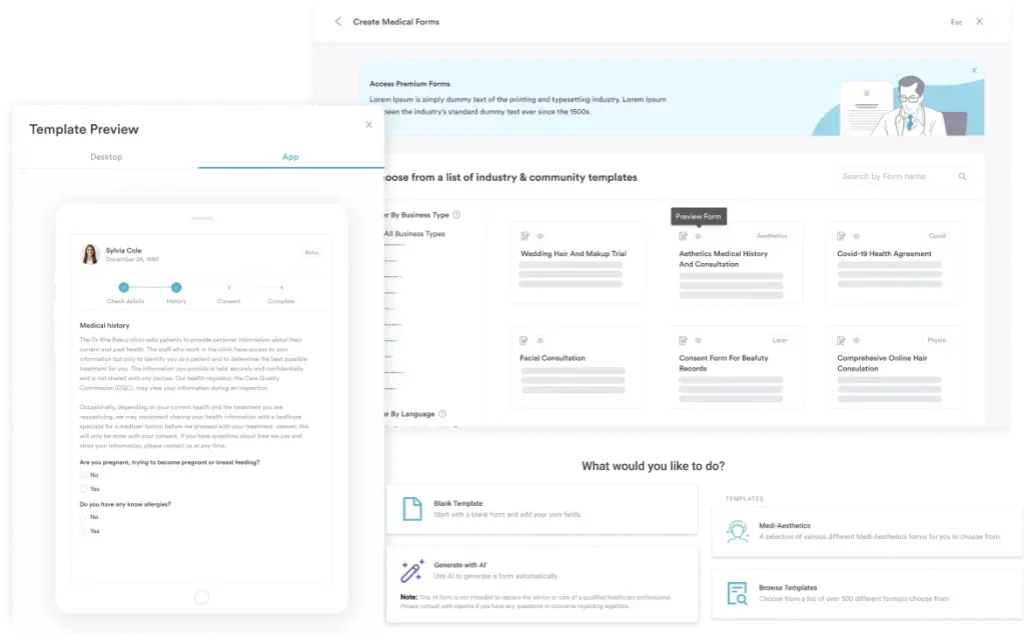
Upload this PDF, or any form you already use, and Pabau's AI Form rebuilds it with tick boxes, text fields and a signature. Attach it to the treatment once, and every patient gets it on time.
AI Form rebuilds the consent, history and aftercare forms you already use. You review each one, then publish.
Patients complete forms on their phone before they arrive, so the front desk stops retyping paper.
Every signed form is versioned and attached to the treatment record, ready when you need it.
Set how long a consent stays valid. Returning patients skip forms they have already signed.
Supports HIPAA and GDPR compliance AES-256 encryption 4.8 on G2 4.7 on Capterra Trusted by 4,000+ practices worldwide

A 7-day meal plan for kidney disease structures low-sodium, low-potassium, and low-phosphorus meals tailored to CKD stages 1-4, helping practitioners hand patients actionable dietary guidance.
Potassium and phosphorus restrictions intensify in stages 3b and beyond; sodium limits (2,000-2,300 mg/day) apply across all stages, requiring stage-specific meal plan modification.
Printable meal plans reduce patient confusion about food choices and improve dietary adherence, directly supporting kidney function and slowing CKD progression.
Pabau’s digital forms and client portal enable dietitians to track patient meal plan compliance, log dietary questions, and document nutritional counseling outcomes in one secure record.
A 7-day meal plan for kidney disease is a structured dietary roadmap designed specifically for patients with chronic kidney disease (CKD). It provides pre-planned breakfast, lunch, dinner, and snack options that systematically control sodium, potassium, phosphorus, and protein intake. These are the four nutrients that stress the kidneys in advanced CKD.
This template serves two clinical purposes: it educates patients about kidney-friendly food choices and creates a documentation trail showing that dietary counseling occurred. The National Kidney Foundation emphasizes that structured meal planning is a cornerstone of CKD management, particularly as kidney function declines and nutritional restrictions tighten.
Unlike generic diet sheets, a kidney-disease-specific plan accounts for stage-dependent nutrient thresholds. Stage 1-2 CKD may focus on sodium and cardiovascular health; stages 3-4 require active potassium and phosphorus monitoring. The American Kidney Fund recommends working with a registered renal dietitian to personalize any meal plan, ensuring it aligns with the patient’s lab values, comorbidities (diabetes, hypertension), and cultural food preferences.
Your practice benefits when this resource lives in digital forms that patients can reference, update, and discuss during follow-up visits, creating a feedback loop between dietary adherence and clinical outcomes.
Here is a full week of kidney-friendly meals built from the low-sodium, low-potassium, and low-phosphorus staples covered below. It assumes no added salt and pre-dialysis portions. The downloadable PDF above expands this into a printable handout with portion guidance and a grocery list.
| Day | Breakfast | Lunch | Dinner | Snack |
|---|---|---|---|---|
| Day 1 | Scrambled eggs with white toast and unsalted butter | Grilled chicken over white rice with steamed green beans | Baked white fish, refined pasta in olive oil, sauteed cabbage | Sliced apple |
| Day 2 | Cream of wheat topped with blueberries | Egg salad (light mayo) on white bread with cucumber | Tofu stir-fry with bell peppers over white rice | Red grapes |
| Day 3 | Veggie omelet (egg, bell pepper) with white toast | Grilled chicken salad with cucumber and olive oil dressing | Baked white fish, white rice, steamed cauliflower | Pear slices |
| Day 4 | Boiled egg with white toast and unsalted butter | Chicken and cabbage stir-fry over white rice | Refined pasta with olive oil, garlic, and green beans | Watermelon cubes |
| Day 5 | Cream of wheat with sliced strawberries | Tofu and cucumber rice bowl | Grilled chicken, white rice, steamed broccoli | Sliced apple |
| Day 6 | Scrambled eggs with sauteed bell peppers and white toast | Grilled chicken wrap (white tortilla, lettuce, cucumber) | Tofu stir-fry with cauliflower over refined pasta | Red grapes |
| Day 7 | White-flour pancakes with berries and unsalted butter | Egg and cabbage fried rice (white rice) | Baked white fish, white rice, sauteed bell peppers | Pear slices |
Keep the week meat-free by leaning on the tofu and egg meals, which already make this an easy vegetarian 7-day plan. Adjust portions and foods to match the patient’s CKD stage and latest potassium and phosphorus labs, using the stage-specific guidance below.
Implementing a 7-day meal plan for kidney disease involves five operational steps that anchor dietary counseling to patient care records:
Practices using a patient portal can upload the meal plan, send dietary reminders, and collect feedback on adherence, turning a static handout into an interactive tool.
Why this matters: Patients who receive a written, stage-specific meal plan are significantly more likely to reduce sodium and manage potassium intake than those who receive verbal advice alone. The plan becomes the reference point for dietary decisions, reducing confusion at the grocery store and during meal preparation.
Pairing this plan with patient scheduling tools keeps progress reviews booked ahead of time.
Five clinical practice types benefit most from offering a structured meal plan:
The plan works across functional medicine clinics, nephrology centers, and primary care offices alike, in any setting where practitioners educate patients on kidney health. Practices using the same weekly format for other chronic conditions can hand IBD patients an ulcerative colitis meal plan with goals, actions, and review dates.
A structured meal plan delivers four measurable benefits:
Practices that combine meal plan handouts with automated patient reminders (for example, “Check your potassium intake this week and bring your food diary to your next visit”) see even stronger engagement.

Audit your top 10 newly diagnosed CKD patients’ food diaries this week. Identify the most common high-sodium and high-potassium foods they eat. Build a clinic-specific addendum to the meal plan that swaps these foods for kidney-friendly alternatives. This personalization step turns a generic template into a clinic brand asset.
A successful renal diet plan highlights kidney-friendly, low-potassium staples patients can eat daily without exceeding their sodium, potassium, or phosphorus limits. The same food lists anchor a low-sodium diet meal plan across the full week.
Proteins: Grilled chicken breast, fish (especially white fish, not high-sodium canned varieties), eggs, tofu, and low-fat cottage cheese. Portion control matters: 3-4 oz per meal for pre-dialysis CKD prevents excess urea and creatinine buildup.
Vegetables: Cabbage, cucumber, bell peppers, green beans, broccoli, cauliflower. These are naturally low in potassium. Avoid dark leafy greens (spinach, kale), tomatoes, and dried fruits-all potassium-dense.
Fruits: Apples, grapes, pears, watermelon, berries (in moderation). Bananas, oranges, and avocados are high in potassium and require stage-dependent restriction.
Grains: White bread, white rice, refined pasta. White varieties have less phosphorus and potassium than whole-grain alternatives, making them the preferred choice for advanced CKD.
Fats: Olive oil, unsalted butter, low-sodium cooking oils. Avoid processed snacks, flavored butters, and high-sodium dressings.
A registered renal dietitian fine-tunes portions based on the patient’s CKD stage, lab values, and comorbidities. Patients who form kidney stones need different rules. A kidney stone diet chart sets a daily fluid target and works citrate-rich foods into every day.
Nutrient restrictions vary significantly across CKD stages, so a 7-day meal plan for kidney disease stage 3 looks different from one built for stage 4. A comprehensive meal plan reflects these thresholds:
The KDIGO guidelines provide evidence-based thresholds; a printed meal plan should reference these or cite your local nephrology service’s protocols.
Many patients have both CKD and diabetes, so a 7-day meal plan for kidney disease and diabetes has to balance competing demands:
In practice, that means choosing carbohydrates gentle on both blood sugar and the kidneys: measured portions of white rice or refined pasta rather than large servings of beans or whole grains, paired with a lean protein such as grilled chicken, white fish, or egg. Spread carbohydrates evenly across the three meals and two snacks in the plan above to avoid glucose spikes, and keep fruit to lower-potassium options like apples, berries, and grapes instead of bananas or oranges. Weight loss clinic software keeps measurements, prescriptions and review appointments against one patient record.
The Academy of Nutrition and Dietetics recommends that practices working with CKD+diabetes patients refer to registered dietitians experienced in both conditions. A one-size-fits-all approach risks missing glycemic targets or exacerbating hyperkalemia.
Documentation of dual-condition meal planning in your patient management system ensures continuity when multiple clinicians are involved. Where a bariatric surgeon is one of them, post-sleeve progress sits on a VSG weight loss chart benchmarked in percentage of excess weight loss.

Pabau helps clinics document dietary counseling, send patient reminders, and track compliance outcomes in a unified patient record, turning meal plans into actionable clinic workflows.

Patient education must include label literacy. A 7-day plan should include tips for reading nutrition panels:
Many practices laminate a kidney-friendly “shopping list” card and include it with the meal plan. This practical tool bridges the clinic visit and the grocery store, reinforcing the meal plan in real time.
A 7-day meal plan is only useful if patients can sustain it. Practical meal-prep guidance improves adherence:
Clinics offering patient engagement tools can send weekly meal-prep video clips or recipes alongside the plan, turning meal planning into an ongoing relationship, not a one-time handout.
A 7-day meal plan for kidney disease is a simple, high-impact tool that transforms dietary counseling from abstract advice into concrete, actionable guidance. By providing patients with a week of ready-to-use meals tailored to their CKD stage, you reduce the guesswork, improve compliance, and create a measurable intervention that supports kidney function.
Practices that document meal plan handouts, follow up on dietary adherence, and link outcomes to lab results build a reputation for comprehensive CKD care. When you couple a printable meal plan with secure patient records and automated reminders, dietary counseling becomes a seamless part of clinical workflow, not an afterthought. Book a demo to see how Pabau helps clinics track patient meal plan progress and improve kidney health outcomes.

Looking to integrate meal plans into patient portals? Patient portals enable secure sharing, download, and patient feedback on meal plan resources.
Considering a keto plan for another patient? 7-day ketogenic meal plan template sets 70-80% fat macros, 20-50g net carbs, a shopping list, and a keto flu taper.
A 7-day meal plan for kidney disease is a structured dietary guide that provides pre-planned breakfast, lunch, dinner, and snack options tailored to control sodium, potassium, phosphorus, and protein intake for CKD patients in stages 1-4 not on dialysis. It helps clinicians educate patients and document dietary counseling in patient records.
Dietary management is one of the most powerful non-pharmacological interventions in CKD. Patients with a written meal plan show significantly higher compliance with sodium and potassium limits, experience better lab outcomes, and report less confusion about food choices. A meal plan transforms abstract nutritional advice into actionable daily choices.
No. Nutrient restrictions vary significantly across stages. Stages 1-2 focus on sodium; stages 3b-4 require strict potassium and phosphorus limits. A comprehensive plan should include stage-specific versions or guidelines, or patients should be referred to a renal dietitian for personalization based on their lab values and stage.
CKD patients should limit or avoid processed meats, canned goods, high-sodium condiments, dark leafy greens, bananas, oranges, potatoes, and phosphorus-rich additives in processed foods. The specific restrictions depend on CKD stage and individual lab values; a registered renal dietitian should personalize this list.
Document the meal plan handout in the patient record, ask about adherence at follow-up visits, and compare lab values (potassium, phosphorus, creatinine) across visits. If labs improve after dietary counseling, it signals adherence. Many practices use patient portals or SMS reminders to sustain engagement between visits.
Patients with both conditions need a plan that balances renal and glycemic control. This typically requires input from both a renal dietitian and a diabetes educator, or a dietitian trained in both specialties. Generic plans often fail to address the competing demands of kidney and glucose management.
Use the template box at the top of this page. It downloads as a printable renal diet menu covering a full week of low-sodium, kidney-friendly meals, so you can hand it to a patient during the appointment or attach it to their record for follow-up.
Yes. At stage 4, tighten sodium, potassium, and phosphorus and cap protein at roughly 0.6-0.8 g/kg body weight. The stage-specific guidance in the plan shows which foods to pull back as eGFR falls, and a renal dietitian can fine-tune portions to the patient’s latest labs.
No. This template is built for pre-dialysis CKD (stages 1-4). Once a patient starts dialysis, protein needs rise while potassium and phosphorus limits often tighten further, so dialysis patients should follow a plan set by their renal dietitian and nephrology team rather than this pre-dialysis week.