Therapeutic interventions list
A therapeutic interventions list is a reference of evidence-based treatment tech...

1
Last Updated: Oct 13, 2026

A comprehensive biopsychosocial assessment evaluates biological, psychological, and social factors affecting mental health and wellbeing in a unified, holistic framework.
The assessment covers medical history, mental health symptoms, substance use, family dynamics, employment, housing, and cultural factors to inform treatment planning.
Used by therapists, social workers, psychiatrists, and counselors to develop personalized, evidence-based treatment plans that address the whole person, not just symptoms.
This free template includes structured questions, the 5 Ps framework, worked examples, and integration guidance for teams using practice management software like Pabau to manage assessments in digital client records.
A ready-to-use assessment form covering biological factors (medical history, family history, medications), psychological factors (mental health symptoms, trauma, cognitive functioning), social factors (relationships, housing, employment, substance use), and risk assessment with space for clinical formulation and treatment planning.
Download templateA comprehensive biopsychosocial assessment is the cornerstone of holistic mental health care. Unlike symptom-focused evaluations, this assessment examines the interconnection between biological, psychological, and social factors affecting a patient’s wellbeing. This guide explains what goes into a comprehensive biopsychosocial assessment, how to complete one, and how to use the template in your practice.
A comprehensive biopsychosocial assessment is a structured clinical evaluation that examines how biological, psychological, and social factors interact to affect a patient’s mental health, physical health, and overall functioning. Originating from George Engel’s 1977 biopsychosocial model, this approach moves beyond the traditional medical model, which focuses only on disease and symptoms, to capture the full context of a person’s life.
The assessment provides a foundation for mental health practice management and treatment planning by documenting presenting problems, medical history, psychological symptoms, family dynamics, employment status, housing, substance use, cultural factors, and risk indicators, all captured in one structured form.
A comprehensive assessment informs better treatment decisions. The full picture goes beyond what the patient reports in session. It includes medical history, family patterns, social supports, and environmental stressors. When clinicians understand all of this, they develop treatment plans that fit the person’s circumstances.
Biopsychosocial assessments are used across healthcare and mental health settings:
The assessment fits into digital intake forms and helps clinicians store and reference comprehensive patient records.
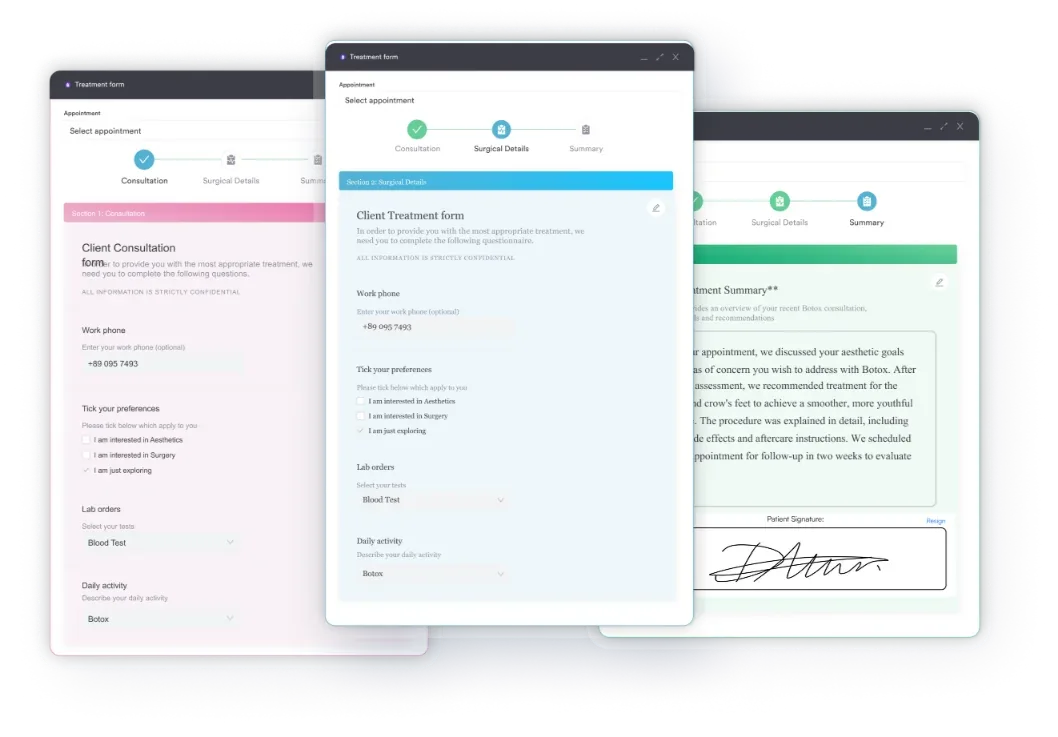
In a psychology practice platform, completed assessments file straight into the client record.
A comprehensive biopsychosocial assessment covers three interconnected domains plus additional clinical elements:
Medical history, medications, allergies, family psychiatric and medical history. This forms the foundation of understanding how the body influences emotional and psychological functioning.
Mental health history, current symptoms (depression, anxiety, trauma, psychosis), cognitive patterns.
These factors shape access to care, stress levels, and resilience.
The 5 Ps framework organizes factors across time and influence:
Writing a structured assessment ensures nothing is missed and documentation is clear for clinical and legal purposes.
Use these structured questions as a framework. The downloadable template includes expanded question banks and scoring guidance.
Scenario: A 35-year-old client presenting with depression and anxiety after a job loss.
Biological: Medical history of hypothyroidism (treated, stable). Family history of depression (mother). Current medications: levothyroxine, no psychiatric medications prior. Sleep disrupted since job loss (4-5 hours nightly). No substance use. Regular exercise previously, now minimal.
Psychological: Reports low mood (2/10), hopelessness, difficulty concentrating, loss of interest in hobbies. No prior mental health diagnoses or treatment. Denies suicidal ideation. Identifies self as resilient, previously managed stress well. MSE: disheveled appearance, quiet speech, depressed mood, intact cognition.
Social: Lives with supportive partner. Close family nearby. Loss of social identity tied to career. Financial strain from job loss. Outgoing personality with strong friendships, currently isolating. No spiritual/cultural barriers to treatment.
5 Ps: Presenting: depression, anxiety. Predisposing: family history, hypothyroidism. Precipitating: sudden job loss, financial stress. Perpetuating: isolation, inactivity, rumination. Protective: supportive partner, family, resilience history, friendships.
Treatment plan: Therapy (cognitive-behavioral therapy for depression), thyroid function review, sleep hygiene, reactivation of exercise, reconnection with supports.
Clinicians using Pabau’s clinical documentation tools can import this biopsychosocial assessment template into their client records system. Create custom intake forms mirroring the template’s sections, link assessment data to treatment plans, and keep comprehensive records accessible to the clinical team.
Reference the assessment at each session and document updates as the 5 Ps evolve. This approach keeps the assessment accessible to the clinical team while supporting patient portal security and compliance, without sacrificing clinical depth.
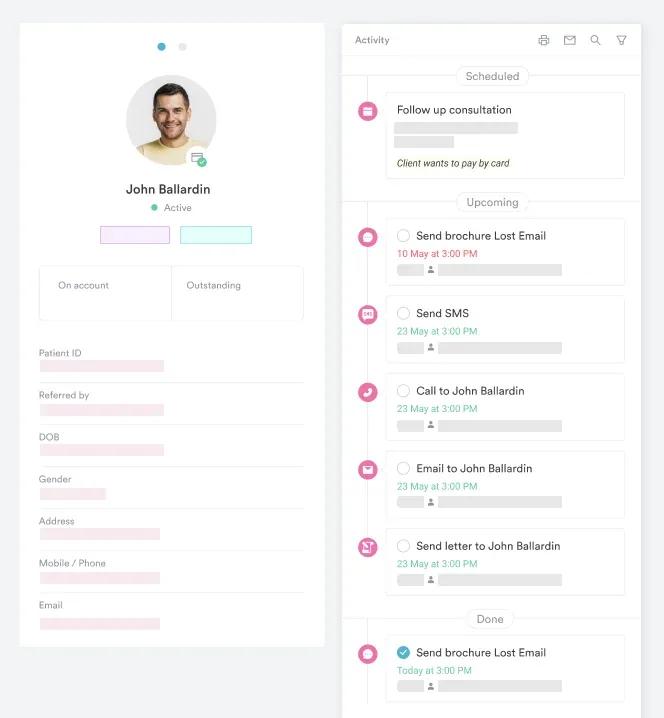
Store and reference your assessment securely using structured medical forms that enable efficient retrieval and updates.

Discover how to build custom intake forms, link assessments to patient records, and maintain compliance, all in one platform.

A comprehensive biopsychosocial assessment moves beyond symptom management to understand the whole person. By systematically examining biological, psychological, and social dimensions and applying the 5 Ps framework, clinicians develop richer treatment plans and stronger therapeutic relationships.
The free downloadable template provided here gives you a ready-to-use structure to implement this approach in your practice. For seamless integration with your clinical workflow and secure documentation, see how Pabau can help manage your assessments alongside patient care and compliance requirements.

Need validated tools to screen for anxiety and depression? Anxiety and depression test templates bundle PHQ-9, GAD-7, K10, HADS, and DASS-21 with scoring and referral guidance.
Need a nursing care plan for anxiety patients? Anxiety nursing care plan template covers NANDA-I diagnosis, assessment, evidence-based interventions, and measurable outcomes for anxiety care.
Screening a child for autism spectrum traits? Autism spectrum screening questionnaire is a 27-item checklist parents or teachers complete to flag autism spectrum characteristics.
A comprehensive biopsychosocial assessment is a structured clinical evaluation that examines biological (medical history, family history, medications), psychological (mental health history, symptoms, trauma), and social (relationships, employment, housing, cultural factors) factors affecting a patient’s wellbeing. It provides a holistic foundation for treatment planning.
Therapists, social workers, psychiatrists, counselors, and primary care physicians use biopsychosocial assessments. Any clinician working in mental health, substance use, or integrated behavioral health benefits from this structured approach to understanding patients.
Initial assessments typically take 60-90 minutes, depending on complexity and the patient’s communication style. Subsequent assessments updating specific domains take 20-30 minutes.
The 5 Ps are: presenting problem (reason for help), predisposing factors (vulnerability rooted in genetics/early life), precipitating factors (recent stressors triggering symptoms), perpetuating factors (current patterns maintaining symptoms), and protective factors (strengths and resources).
Yes. This page includes a free downloadable comprehensive biopsychosocial assessment template in PDF format, ready to use or customize for your practice. It covers all three domains, includes the 5 Ps framework, and provides question banks and a worked example.
Document the presenting problem, gather information across all three domains, apply the 5 Ps framework, create a clinical formulation, and develop a treatment plan. Use secure systems (HIPAA-compliant software), obtain informed consent, and keep records accessible only to authorized clinical staff.