Journal prompts for mental health
Journal prompts for mental health are guided questions that help people process ...

2
Last Updated: Oct 13, 2026

A couple communication worksheet is a structured therapeutic tool that helps partners practice conversation skills, express emotions, and resolve conflict using guided prompts and exercises.
The five core worksheet types are active listening, I-statements, conflict resolution, emotional needs, and communication styles, each addressing a different relationship breakdown.
Evidence-based frameworks like the Gottman Method and Emotionally Focused Therapy underpin effective couple communication worksheets.
Practice management software like Pabau lets you send worksheets directly to couples through its digital forms and client portal, track completion, and fold homework into your clinical workflow.
A ready-to-use, three-page worksheet covering communication styles, conflict resolution, emotional connection, and relationship goals. Print it for the room or send it digitally to couples in session or as homework.
Download templateCouples often walk into your office sure they have nothing left to say to each other. The truth is kinder. They have plenty to say. They just lack the tools to say it safely.
So this guide breaks down each part of the couple communication worksheet. It walks through a worked example for a high-conflict couple. Then it hands you a free template to download and adapt.
A couple communication worksheet is a guided document. It helps partners hold a structured conversation around one relationship topic. General advice like “talk more openly” rarely lands. A worksheet is different. It gives couples concrete sentence starters, reflection prompts, and turn-taking rules. So talking feels achievable instead of overwhelming.
The core job stays the same in every setting. It slows reactive communication, builds safety, and helps couples name feelings without blame. A good worksheet targets the patterns that break communication down most often:
Most worksheets online stop at a blank form. A structured one does more. It slows the pace, blocks interruptions, and clears up assumptions. It also gives couples a shared language. Together, those rebuild the safety that real connection needs.
The worksheet follows a simple, repeatable workflow. You choose the right exercise, introduce it in session, assign it as homework, debrief, and fold it into the plan. Each step builds on the last. So the couple keeps practicing between visits.
Responses sit securely in the couple’s clinical record. No lost paper copies, and no guessing whether the homework got done. And whether you run a dedicated therapy practice or a broader psychology practice, that keeps homework from slipping through the cracks.
Take a couple in their late 30s, together nine years. They say they can’t talk about anything without it turning into a fight. One partner shuts down. The other pushes harder. This example shows how the worksheet turns that pattern into targeted exercises, goals, and outcomes you can track.
Start with the exercise that matches the couple’s loudest pattern. Usually that is active listening, when neither partner feels heard. From there, layer on whatever surfaces next: blame, an unspoken need, or a repeat fight. Each exercise pairs one small skill with a clear sign of progress. So both partners can see movement instead of guessing at it.
If your current platform cannot handle digital worksheets, compare Carepatron alternatives before committing.
This worksheet suits a wide range of clinicians. It works for couples therapists, marriage and family therapists (MFTs), and counselors. And it fits private practice, group practices, and community mental health alike.
It also adapts to the work you already do. Premarital counseling uses it to build skills early. Gottman-informed and EFT sessions use it to practice the model between visits. Discernment counseling uses it to slow down high-stakes talks.
It earns its place with the hardest cases. Think high-conflict couples, partners rebuilding trust after an affair, or two people whose styles never matched. There, structure and a shared language beat another open-ended conversation.
Some patterns point past the relationship itself. If meals, weight, or body image keep surfacing, a brief SCOFF questionnaire can tell you whether an individual referral belongs alongside the couples work.
A shared, repeatable structure. Sentence starters, turn-taking, and clear prompts hand both partners the same map. Conversations stay steady week to week. And couples can run the exercise at home without you in the room.
Skills that transfer outside the room. The worksheet breaks communication into small, nameable steps. So couples start to see listening and I-statements as skills they can practice, not traits they either have or lack.
Less reactive conflict, more safety. Slowing the pace and blocking interruptions breaks the escalation cycle. Each partner gets to finish a thought and feel heard. That rebuilds the safety hard conversations depend on.
Homework you can actually track. Keep the worksheet in your practice software and you can see who finished it. Responses land in the clinical record. And you start each session from real material, not a blank page.
No single worksheet fits every couple or issue. The best therapists match the exercise to the challenge. Here are the five core components, plus the frameworks behind them.
This exercise teaches the foundation of healthy communication: hearing your partner without planning your reply. One partner speaks for five minutes on a set topic. The other listens without interrupting. Then they reflect it back with the worksheet’s starter: “What I heard you say is… Is that right?”
The speaker confirms, clarifies, or adds. Then the roles switch. Both partners feel fully heard, often for the first time in years. And they start to treat listening as a skill, not an elusive trait.
Blaming language like “you always ignore me” triggers instant defensiveness. I-statements shift the focus to the speaker’s own experience: “I feel lonely when evenings fill up with work.” That reframe keeps the listener from shutting down.
The worksheet walks couples through one formula: “I feel [emotion] when [behavior] because [need].” Partners turn complaints into needs. So an accusation becomes an invitation to change. Between sessions, Covey’s be proactive worksheet gives each partner a solo exercise for swapping reactive language like “I have to” for “I choose.”
High-temperature arguments need a slower process, and this exercise supplies one. Name the core issue, not the trigger. Name each partner’s underlying fear or need. Brainstorm solutions. Then agree on a trial period and a check-in date.
The step-by-step format stops couples cycling through the same fight. They learn that most “unsolvable” conflicts just lack structure. Many start using the process at home without prompting. This same structure appears in a standalone conflict resolution worksheet for couples who need extra repetitions between sessions.
Many couples are stuck because neither partner can name what they need. This exercise guides each one through prompts like “What helps you feel secure?” and “When do you feel most connected?” Partners answer on their own, then compare. Often they find their needs fit together and were simply never said out loud.
Some couples need to understand their patterns before they practice new skills. This exercise helps each partner spot their dominant style, whether passive, aggressive, passive-aggressive, or assertive. It shows how that style surfaces under stress. And it reframes withdrawing or shouting as learned habits, not character flaws. That opens the door to change.
The Gottman Method, from Drs. John and Julie Gottman, names the four horsemen: criticism, contempt, defensiveness, and stonewalling. It then teaches the antidotes these worksheets put into practice. Emotionally Focused Therapy, from Dr. Sue Johnson, looks at attachment and the emotions under conflict. It helps couples see that every argument hides a bid for connection.
Nonviolent Communication and cognitive-behavioral approaches shape the rest. The first stresses observation without judgment and shared human needs. The second adds thought records and behavioral experiments. The best worksheets blend all of these. So couples get several angles on the same pattern.

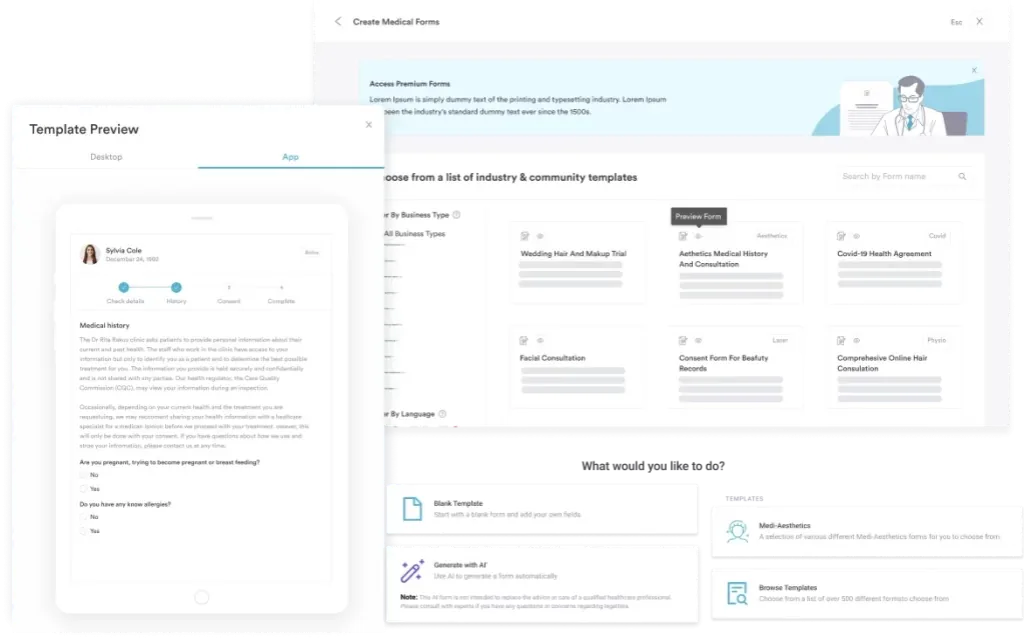
Pabau’s digital forms and client portal let you assign worksheets, send automated reminders, and keep every couple’s responses in one secure, structured record.

Couple communication worksheets work because they move couples out of reactive mode and into intentional practice. Couples still need a therapist to read deeper patterns and keep them accountable. But as a tool that makes invisible skills visible and repeatable, worksheets are among the most practical interventions you have.
Start with the one worksheet type that matches your clients’ main challenge, then build from there. So download the template today and start assigning homework that works. And to see how Pabau’s digital forms and client portal fold that homework into your workflow, book a demo with our team.

Documenting informed consent before assigning homework? Consent to counselling form gives clients a template to sign before you introduce structured exercises like this one.
Screening for trauma history before assigning worksheets? An ACE questionnaire helps you flag entrenched patterns that need a slower introduction to homework.
Working with a partner carrying trauma-related triggers? An ABCDE journal PTSD worksheet gives that partner a parallel tool for processing triggers between sessions.
A couple communication worksheet is a guided therapeutic tool with structured prompts and exercises that help partners practice healthy communication skills like active listening, expressing feelings with I-statements, and resolving conflict. Therapists use them in session or assign as homework.
Introduce worksheets during the skills-practice phase of therapy. Use them in session while you coach the couple’s execution, or assign them as homework with a clear debrief the following week. The worksheet structures the conversation. Your role is to reflect on what happened and reinforce new patterns.
Active listening, I-statement practice, conflict resolution, emotional needs identification, and communication styles assessment are the five most effective. Choose active listening for couples who interrupt or don’t feel heard. Choose I-statements for blame-heavy patterns. Choose conflict resolution for couples stuck in repetitive arguments.
Yes, many couples find self-guided worksheets helpful for improvement. However, research shows therapist-facilitated use is more effective, especially for couples with entrenched patterns or trauma history. A therapist can identify which worksheet fits, coach around resistance, and help couples apply what they learn to their specific dynamic.
Weekly homework is typical during active couples therapy. As couples improve, frequency can decrease. The goal is skill integration. Once couples can use these communication patterns naturally without a worksheet, it has done its job and can be retired or used occasionally as a refresher.
The most common issues are defensiveness, inability to express needs without blame, poor listening under stress, unspoken assumptions, and communication style mismatches. These surface as “we can’t talk about anything anymore,” “we just argue,” or “we’ve drifted apart.” Worksheets directly target each of these patterns.