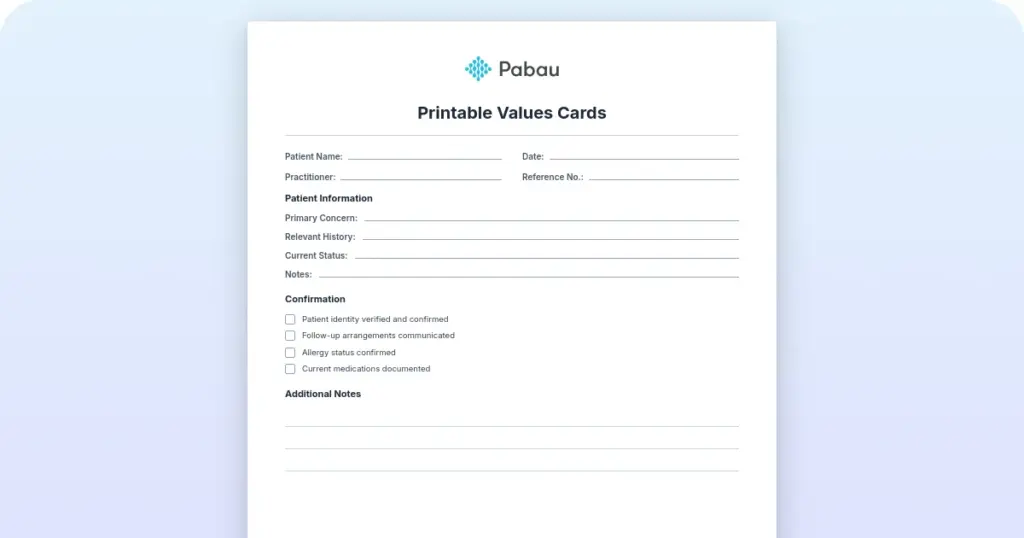
Printable values cards: What they are and how to use them in therapy
Printable values cards are a reflection tool that helps a patient work out which...

14
Last Updated: Sep 30, 2026

A life balance wheel is a circular worksheet that scores your satisfaction in eight areas of life, from 1 to 10.
The standard domains are career, finances, health, family, romance, personal growth, fun, and physical environment, and practitioners adapt them per client.
Honest scoring shows which areas feel satisfying and which feel neglected, which makes it a strong starting point for goal setting.
Practice management software like Pabau stores completed wheels in the client record and tracks scores between sessions.
A ready-to-use worksheet with an eight-segment wheel diagram, a scoring guide, reflection prompts for every domain, and space for an action plan. Both a blank and a guided version are included, for coaching sessions, therapy work, or your own reflection.
Download templateA life balance wheel is a circular worksheet that scores your satisfaction in eight areas of life, from 1 to 10. Connect the scores and you get a shape. A lopsided shape shows which part of life has been running on empty.
This page gives you the template, the eight standard categories, and a step-by-step way to run the exercise. It also covers the part that decides whether the exercise lands, which is how you facilitate the conversation after the scoring.
Coaches, therapists, and occupational health teams will find the facilitation prompts and the workplace variant further down. If you only came for the worksheet, the button above has both a blank and a guided version.
A life balance wheel is a self-assessment tool that measures how satisfied you feel across the main areas of your life. The wheel is a circle divided into segments, usually eight, and each segment stands for one life domain. You rate every domain from 1 to 10. A 1 means the area feels completely neglected, and a 10 means it feels fully satisfied.
Connect the scores around the circle and an uneven shape appears. That shape does the work. It shows which areas are thriving and which have been quietly starved of attention.
The tool was popularized by Paul J. Meyer through Leadership Management International (LMI) in the 1960s. Variations have appeared across coaching schools and therapeutic practices ever since. Today it is used by life coaches, therapists, occupational health practitioners, and people who simply want a clearer view of their own week.
Treat it as a reflective framework rather than a diagnostic instrument. Its job is to turn a vague feeling about balance into numbers you can act on.
Picture a bicycle wheel with uneven spokes. Some are long and strong, others are short and weak. That wheel does not roll smoothly, and neither does a life built the same way. When work dominates and health or relationships go untended, the ride gets bumpy. The metaphor gives clients a fast way to see how one weak domain drags on everything else.
Practitioners adapt the domains to each client, but the standard eight-category wheel covers most of human experience.
Not every practitioner uses these eight. Some add spirituality, community, or a separate score for mental health. The flexibility is deliberate, so shape the domains around the client’s values and life stage.
Here is how to take a client, or yourself, from a blank page to an action plan.
Digital forms sit at the center of practice management software, feeding records, billing, and follow-ups from one entry. For a behavioral health practice, this usually means a behavioral health EHR that keeps assessments, scheduling, and notes under one login.
Therapists, counselors, occupational therapists, nurses, and primary care physicians use the wheel for two separate jobs. One is looking after themselves. The other is planning care with a patient.
Healthcare work brings long hours, chronic stress, and a heavy emotional load. A wheel assessment shows a practitioner where their own self-care has slipped. A clinician scoring high on career and low on health, relationships, and recreation is on the road to burnout.
Practice managers can build the wheel into staff wellness programs, with a quarterly score and a short conversation about what support would help.
When a patient arrives with anxiety, insomnia, or stress-related illness, the wheel opens a conversation wider than the symptom. It shows whether the pressure is coming from work, a relationship, money, or a neglected body.
Therapists use it to build a plan that treats the whole person. A patient with insomnia who scores high on career and low on health needs work-hour boundaries as much as sleep hygiene. For younger patients, an inattentive ADD test can show whether attention difficulties, rather than motivation, explain a low score in personal growth or career.
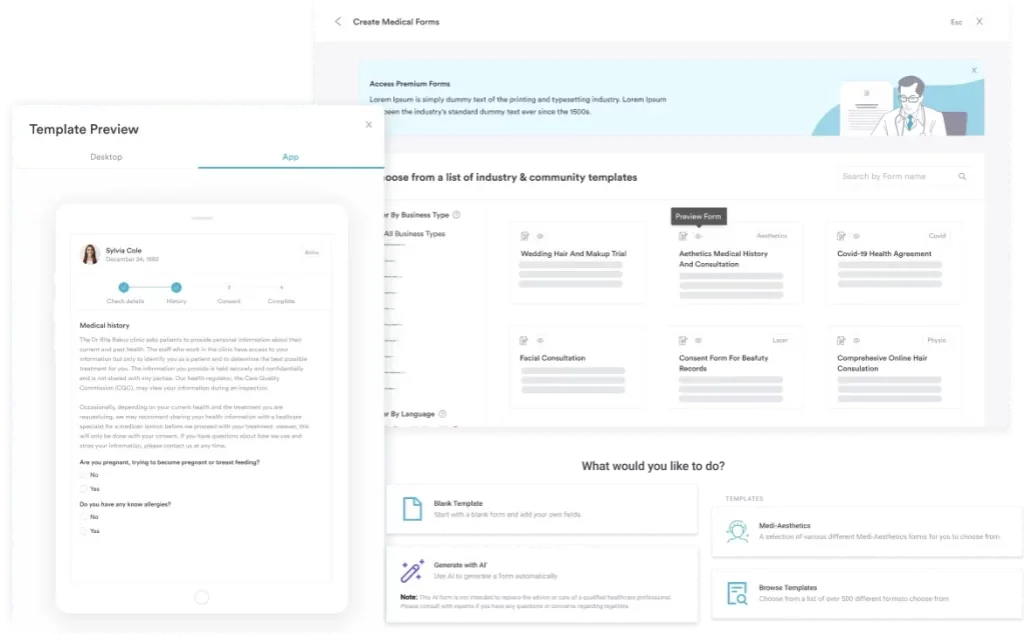
Practice management software like Pabau sends the wheel out as a digital intake form before the session. It then stores the finished version in the client record. Comparing one appointment with the last becomes a matter of scrolling, not searching.
The value of the exercise sits in how it is facilitated. A rushed wheel feels like paperwork. A well-run one becomes the moment a client sees their own year clearly.
Build safety before anyone scores. Say plainly that there are no right numbers and that you are after honesty rather than a good performance. Plenty of clients inflate the domains they feel they should be winning at. One reframe does the work here. Tell them a 2 is useful information, because it points at where their energy is needed most.
An initial consultation is a natural place to run the first wheel, since it gives you a baseline to compare against later.
Work through the domains one at a time with a clarifying question. For career, ask how fulfilled they feel in their work right now. Pause and let them think.
Offering an anchor helps. A 7 might mean they enjoy the work but it eats too much of the week. A 3 might mean they feel stuck and want a change. What matters is that the client owns the scale. Their 5 is their 5. A low career score sometimes comes from self-doubt rather than dissatisfaction with the job itself. An imposter syndrome worksheet helps the client tell the two apart before setting a goal.
Once the wheel is drawn, ask open questions. What patterns do you notice? Where is the energy going? Would this wheel roll? Let the client reach the insight instead of handing it to them.
The conversation usually moves from single scores to a pattern. A client might notice that work and finances are high while everything else is low. The next sentence out of their mouth is often about trading health and relationships for money. Where a low health score traces back to held stress, somatic experiencing exercises pair well with the wheel as a next step. A healing journal lets the client log daily triggers and their intensity between sessions, adding detail the quarterly wheel misses. For a client processing one traumatic event, accelerated resolution therapy addresses the memory directly instead of waiting for the wheel to reveal it.
HR and occupational health teams run the same exercise with workplace domains. The principle does not change. Only the labels do.
Aggregated scores give an employer a different signal from an engagement survey. If most of the team scores low on workload, the fix is a staffing or policy change rather than a resilience workshop. Occupational health providers often package wheel assessments into corporate wellness programs for that reason.
Use these prompts during a session, or print them beside the worksheet.
The answers usually show that a low score comes from competing priorities or unspoken beliefs rather than laziness. Asking what one step toward a 7 would look like moves a client from complaint to agency. A thought record worksheet is useful when the belief behind a score needs testing.
Most coaching and therapy practices run the wheel on paper. The finished sheet gets photographed, emailed, or filed in a drawer, and the next session starts from memory. Comparing this quarter’s shape with the last one means digging through a folder.
Pabau turns the worksheet into a digital form instead. You send it before the appointment, the client scores it on their phone, and the results land in their record automatically. Every past wheel sits in one timeline, so progress is visible without any hunting.
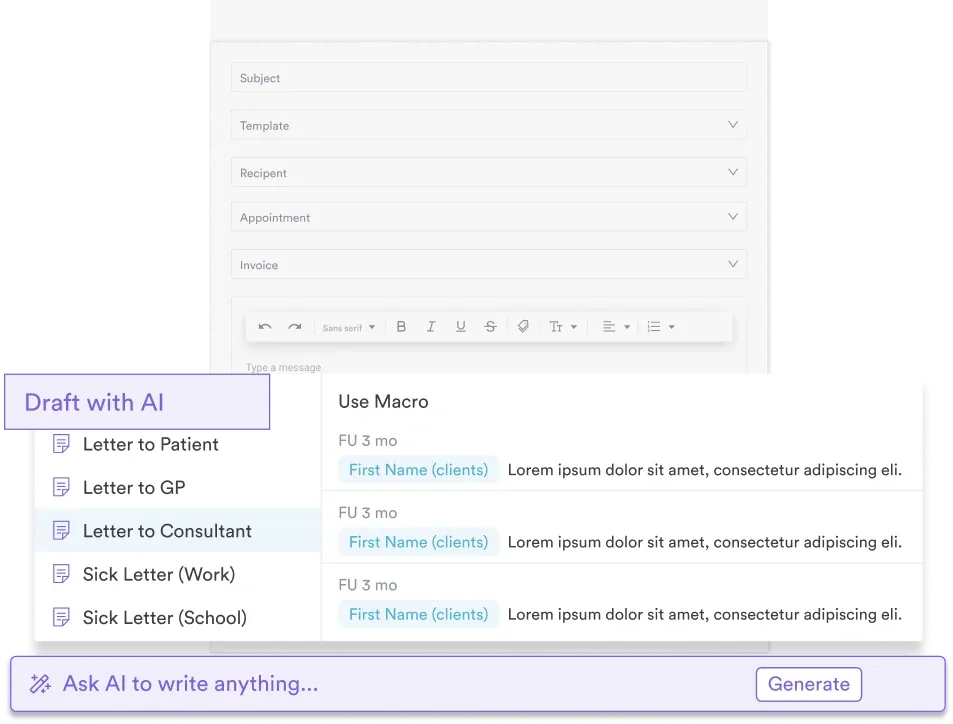
Pabau Scribe, our AI scribe, writes up the session while you facilitate it. Automated follow-ups then chase the action plan on a schedule you set. Assessments, notes, and next steps end up in the same place, which is what makes quarterly re-scoring realistic for a busy practice.

Pabau stores every completed wheel in the client record and tracks the scores session by session. Your team spends less time filing worksheets and more time coaching.

The wheel earns its place because it makes a vague feeling measurable in about ten minutes. That is also its limit. A shape on paper changes nothing on its own. The value arrives in the conversation afterward, and in the one or two goals that come out of it.
So score it honestly, pick no more than three domains, and put a date in the calendar to score it again. A wheel completed once is a snapshot. A wheel completed every quarter is a record of what you actually changed.
Download the template above and try it with a client this week. Book a demo to see how Pabau stores completed wheels and tracks client progress between sessions.

Working with a client in crisis? The suicide prevention worksheet gives you a structured safety plan to complete when a low score raises concern.
Want a deeper reflection exercise? The Proust questionnaire works well as a follow-up when a client wants to explore values rather than scores.
Assessing a younger client? The Devereux student strengths assessment measures social and emotional strengths in children and teenagers.
Need a validated self-report scale? The objectified body consciousness scale measures body image in a way a satisfaction score cannot.
Helping a client commit to behavior change? Accountability worksheet helps clients examine their choices, set measurable goals, and commit to change.
A wellness wheel stays inside health. It scores nutrition, exercise, sleep, stress, and mental health. A life balance wheel is wider, adding career, finances, relationships, growth, and recreation. Pick the wellness wheel for a targeted health plan and the life balance wheel for a full life audit.
Quarterly suits most practitioners, or sooner if something big changes in a client’s life. Monthly starts to feel repetitive, and yearly misses the shifts in between. Three months is long enough for a score to move and short enough to stay useful.
Yes. Therapists, counselors, and psychologists use it for assessment and treatment planning, especially with anxiety, depression, burnout, or a client who feels stuck. Treat it as a reflective aid that sits alongside formal clinical assessment rather than a diagnostic tool.
Take judgment out of it. A low score is information, not a verdict on you. The extremes are the most useful numbers, because they show where your attention is and is not going. Score how you feel this month, not how you think you should feel.
Pick one to three domains with the lowest scores. Set one specific goal for each, such as exercising 30 minutes three days a week. Put a date three months out to score the wheel again. Watching a number move is what keeps the plan alive.
Yes, the standard eight are only a starting point. A parent might add parenting, and someone with a strong faith might add spirituality. An athlete might split health into training and recovery. Fit the tool to the life in front of you.