Antipsychotic medication list
An antipsychotic medication list is a structured reference that organizes psychi...

2
Last Updated: Oct 13, 2026

ABC PLEASE is Emotion Regulation Handout 14 in Marsha Linehan’s validated DBT framework, designed to reduce vulnerability to emotion mind and steady emotional regulation.
The skill combines two integrated sections: ABC (Accumulate positive emotions, Build mastery, Cope ahead) and PLEASE (PhysicaL illness care, Eating, Avoid mood-altering substances, Sleep, Exercise).
Therapists use the handout in session to teach clients how lifestyle stability directly influences emotional resilience, preventing escalation into crisis.
Pabau’s digital therapy forms and client-facing portal allow you to distribute the ABC PLEASE handout digitally, track client progress, and document therapeutic interventions in one secure system.
A ready-to-use DBT emotion regulation handout covering all eight skill components (Accumulate positive emotions, Build mastery, Cope ahead, PhysicaL illness care, Eating, Avoid mood-altering substances, Sleep, and Exercise) based on Marsha Linehan’s validated DBT Skills Training framework.
Download templateThe ABC PLEASE handout is one of the most practical tools in dialectical behavior therapy (DBT). This evidence-based resource helps clinicians teach clients how to reduce emotional vulnerability by stabilizing their physical and emotional environment. Whether you work with adults, adolescents, or young people struggling with emotion dysregulation, this handout translates Marsha Linehan’s validated DBT framework into actionable, client-friendly guidance.
Therapists, counselors, psychologists, and mental health practitioners use the ABC PLEASE handout to target what drives emotional instability, not only its symptoms. It turns Marsha Linehan’s DBT theory into concrete steps clients can take between sessions.
This guide explains what the ABC PLEASE handout covers, how to use it with clients in session. You can download the handout free using the button above.
The ABC PLEASE handout is a structured educational resource that teaches clients how to increase emotional stability by accumulating positive experiences and caring for their physical health. It is Emotion Regulation Handout 14 from Marsha Linehan’s DBT Skills Training Handouts and Worksheets, Second Edition, a clinically validated manual used across private practice, public mental health services, hospitals, and schools worldwide.
The skill’s acronym breaks into two complementary parts:
Unlike medication or crisis management, ABC PLEASE targets the underlying vulnerability to emotion dysregulation. When clients neglect physical health, substance use goes unchecked, or positive experiences disappear, their emotional mind becomes hyperactive and crisis-prone.
This handout reverses that pattern by showing how consistent self-care makes emotional regulation achievable. Structured forms and worksheets like this one give treatment a documented backbone you can revisit session to session.
Using this handout effectively requires structured presentation and follow-up. Here’s the step-by-step clinical approach:
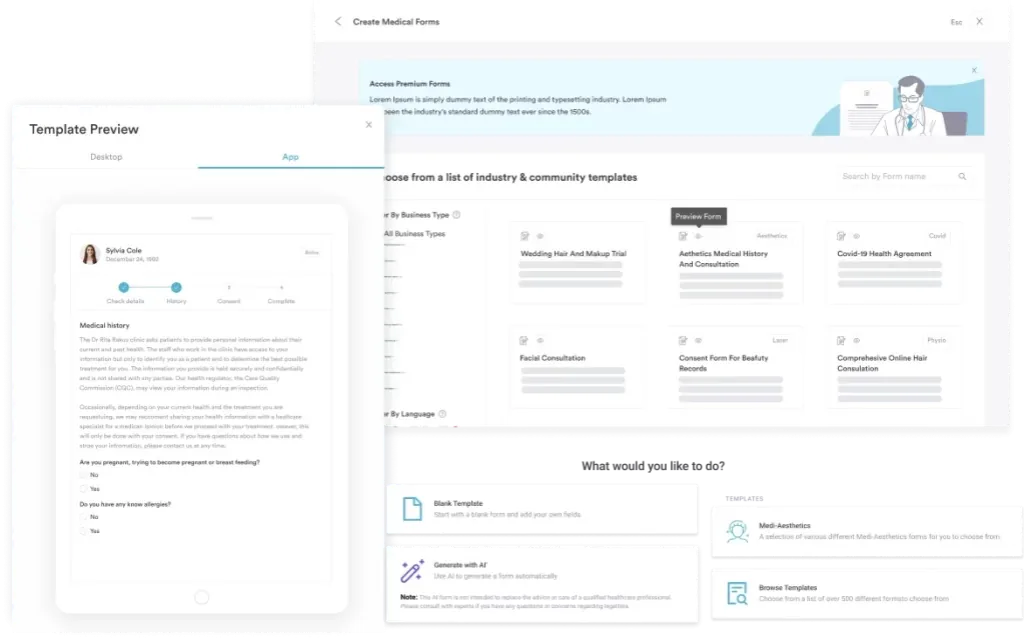
Many therapists print copies for in-session use, but digital therapy forms allow you to send the handout via client portal pre-session, embed it in homework assignments, and track which clients have reviewed it.
This handout works across multiple practice types and populations:
The skill scales from individual therapy to group DBT programs. A therapist running a DBT skills group teaches ABC PLEASE to a cohort, then assigns homework worksheets for each participant to complete independently. Group-based delivery makes the handout cost-effective for clinic programs.
Platforms differ widely in how they handle clinical worksheets; comparing Carepatron competitors shows the gaps quickly.
Validated clinical framework: The handout is grounded in Marsha Linehan’s peer-reviewed DBT research, so you’re delivering an evidence-based intervention rather than ad hoc advice. That strengthens clinical outcomes and supports defensible documentation.
Structured workflow for therapists: The handout gives you a roadmap for each session. You don’t have to improvise emotion regulation guidance, because the framework is built in. This saves time and keeps your approach consistent across clients and sessions.
Clear client communication: The handout translates complex DBT theory into plain language. Clients leave session with a tangible takeaway they can reference at home, increasing adherence to therapeutic recommendations between sessions.
Multi-modal skill integration: ABC PLEASE pairs with other DBT modules (TIPP for crisis, ACCEPTS for distraction, STOP for impulsivity). Using the handout as a hub for emotion regulation helps clients see the DBT skills system as interconnected, not fragmented.
Documentation and compliance: When you document which ABC PLEASE areas a client is working on and how they progress, you create a clear clinical narrative.
Preventative and relapse-resistant: Unlike symptom-focused interventions, ABC PLEASE prevents crises by building resilience. Clients who maintain sleep, nutrition, and positive activities stay stable between sessions. This reduces crisis call-outs and emergency referrals.
With the client portal, you can send the handout digitally, assign follow-up worksheets, and receive completed homework back in the client record, without paper, scanning, or lost documents.

Pabau’s digital forms and client portal help you deliver therapeutic handouts like ABC PLEASE, assign homework, and track client progress, all in one integrated system. Reduce administrative burden and focus on clinical outcomes.

Emotion regulation is one of four primary skill modules in DBT. The others are mindfulness, distress tolerance, and interpersonal effectiveness. ABC PLEASE sits at the heart of emotion regulation because it targets vulnerability, the biological and behavioral foundation beneath emotional dysregulation.
Marsha Linehan’s model distinguishes between “Emotion Mind” (reactive, crisis-driven, logic-defying) and “Wise Mind” (balanced, informed, values-aligned). When clients are in Emotion Mind, they make impulsive decisions, harm themselves, or push others away. ABC PLEASE pulls them back toward Wise Mind by creating the conditions — physical stability, positive experiences, and coping preparation — where rational thought becomes possible again.
This is why the handout works across diverse presentations. A client with anxiety uses ABC PLEASE to reduce physical vulnerability, since sleep and exercise steady the nervous system. A client with depression uses it to rebuild behavioral activation through Accumulate positive emotions and Build mastery. A client with substance use disorder uses it to address the neglect cycle that perpetuates cravings.
Clinically, the handout becomes part of the treatment plan narrative.
ABC PLEASE is most powerful when combined with other DBT modules. Here’s how therapists layer the skills:
In practice, therapists teach ABC PLEASE as foundational. Then, as clients face specific crises or patterns, they layer in TIPP, ACCEPTS, or STOP. The handout itself references these connections, helping clients understand the DBT skills system as an integrated toolkit rather than isolated techniques.
The ABC PLEASE handout is evidence-based emotion regulation education that every therapist, counselor, and mental health practitioner should have ready for clients. It teaches stability as the foundation for all other therapeutic work. Whether you print copies for in-session use or distribute them through the client portal, the handout gives clients a take-home resource they can reference whenever emotional vulnerability rises.
Implementing the skill in your practice is straightforward. Download the handout, introduce it in session using the five-step approach above, track progress in your clinical notes, and pair it with other DBT skills. To streamline handout distribution, progress tracking, and therapy documentation, book a demo of Pabau’s integrated practice management system, built to support therapists, psychologists, and mental health practices.

Need a baseline before teaching new skills? psychiatric evaluation template This guide helps capture mental health history and symptom severity during intake.
Assessing a client’s body image? body appreciation scale This validated 13-item questionnaire assesses positive body image attitudes with built-in scoring.
ABC PLEASE stands for Accumulate positive emotions, Build mastery, and Cope ahead (ABC) combined with PhysicaL illness care, Eating, Avoid mood-altering substances, Sleep, and Exercise (PLEASE). Together, these eight skills reduce vulnerability to emotional dysregulation by addressing both emotional engagement and physical stability.
Introduce the skill by explaining how emotional vulnerability stems from unmet physical needs and absent positive experiences. Walk through each component in session, help the client identify their highest-leverage change (e.g., sleep, social engagement, nutrition), track progress in clinical notes, and pair it with other DBT skills like TIPP for crisis or STOP for impulsivity control.
ABC focuses on emotional engagement strategies (Accumulate positive emotions, Build mastery through activities, Cope ahead through planning). PLEASE addresses the physical foundation (sleep, nutrition, health care, substance use). Both are needed. ABC without PLEASE is unsustainable, and PLEASE without ABC misses the emotional growth component.
Yes. ABC PLEASE is Emotion Regulation Handout 14 from Marsha Linehan’s DBT Skills Training Handouts and Worksheets, Second Edition (Guilford Press, 2015). It is a peer-reviewed, clinically validated skill used globally in DBT programs, private practice, and mental health services.
Yes. The handout adapts well for adolescents and young people when language is simplified (e.g., “get enough sleep,” “do things you enjoy,” “avoid drugs and alcohol”). Many DBT programs for adolescents teach ABC PLEASE as a core skill. The same eight components apply regardless of age.
When clients maintain physical stability (sleep, nutrition, health care) and engage in positive activities, their baseline emotional resilience strengthens. This means minor triggers no longer escalate into crisis. The handout prevents the “vulnerability spiral” where neglect, isolation, and physical depletion feed emotional dysregulation.
The PLEASE skills are the physical-health half of ABC PLEASE: treat PhysicaL illness, balance Eating, Avoid mood-altering substances, balance Sleep, and get Exercise. They reduce the bodily vulnerability that makes emotions harder to regulate, so clients stay steadier between sessions.
The ABC PLEASE handout teaches the skill by explaining each component and how it reduces vulnerability to emotion mind. An ABC PLEASE worksheet is the practice companion clients complete between sessions to track sleep, eating, positive activities, and cope-ahead plans. Many therapists share the handout in session first, then assign the worksheet as homework.
You can download the free ABC PLEASE handout PDF using the button near the top of this page. It covers all eight components and is ready to print for in-session use or send to clients through a client portal.