CPT Code 62284: Injection procedure for myelography
CPT Code 62284: official descriptor and procedure overview The American Medical ...

Last Updated: Oct 19, 2026
Q4104 is the HCPCS Level II code for integra bilayer matrix wound dressing (bmwd), per square centimeter (add-on, list separately in addition to primary procedure).
Let Pabau's smart automation suggest the right codes, reduce claim denials, and keep your practice compliant—effortlessly.
Automate repetitive tasks and focus on what matters most—your patients.
Reduce coding errors and ensure compliance with the latest regulations.
Clean claims, fewer denials, and faster reimbursements.
Powerful insights and reporting to help your practice thrive.
HIPAA compliant SOC 2 certified GDPR-compliant Trusted by 4,000+ clinics worldwide

HCPCS code Q4104 describes Integra Bilayer Matrix Wound Dressing (BMWD), billed per square centimeter of product applied to the wound.
Q4104 is an add-on code and cannot be reported alone: it must always accompany a primary wound procedure code such as debridement or skin substitute application.
Documentation must include the exact wound size in square centimeters, wound location, wound type, and clinical justification for the skin substitute to support Medicare and payer audits.
Pabau’s claims management software helps wound care practices track Q4104 billing units, attach digital documentation, and reduce claim denials across payer types.
Q4104 describes Integra Bilayer Matrix Wound Dressing (BMWD), per square centimeter (add-on, list separately in addition to primary procedure). It falls under HCPCS Level II Q-codes, a set of miscellaneous temporary codes maintained by CMS. The code has been active since January 1, 2009, and remains in the 2026 HCPCS code set. Pabau’s claims management software is referenced throughout this guide for workflow context.
Q4104 cannot be submitted as a standalone code. The code descriptor explicitly states “add-on, list separately in addition to primary procedure,” which means every Q4104 claim line requires an accompanying primary procedure code on the same claim.
Q4104’s primary pairing is the skin substitute application code family: CPT 15271 through 15278. Same-day, same-wound debridement (97597, 97598, or 11042-11047) is bundled into the application code under NCCI edits, so it isn’t separately payable with Q4104.
The exception is debridement performed on a genuinely distinct wound or site. In that case, append modifier 59 or XS and document the distinction clearly to support separate payment.
Check NCCI edits before submission. The Medicare NCCI Policy Manual explains which code combinations trigger automatic edits. Always verify the primary-to-add-on pairing against the current policy manual for the procedure date of service.
Submitting Q4104 without a primary procedure code results in an automatic technical denial. The claim won’t be reviewed for medical necessity. It fails at the code-edit level before that. Many practices batch-submit wound care encounters and miss this pairing because a debridement or application code is tied to a different service line or provider.
The product pulled from the shelf also decides the code. A human dermal allograft applied instead of the Integra dressing is billed under Q4115, so check the label before the claim goes out.
Pabau’s claim workflow tools flag code pairing requirements at the point of claim creation, reducing the risk of submitting Q4104 without its required primary procedure. Wound care practices billing multiple CTPs per encounter benefit from structured claim review before submission.
Unit calculation is where Q4104 billing errors concentrate. The code bills per square centimeter of product actually applied to the wound. The unit count on the claim must match the documented wound size.
Practices that use digital documentation forms capture wound measurements at the point of care, reducing transcription errors between the clinical note and the claim. A wound measured in the treatment room but re-entered manually into a billing system is a common source of unit discrepancies.
If codes like these are new territory, start with what practice management software actually does for billing workflows.
Medicare and most commercial payers require specific documentation elements to support Q4104. An incomplete chart note doesn’t just risk a denial. It creates audit exposure too. Practices billing skin substitutes at volume are frequent targets for pre- and post-payment reviews.
Required documentation elements for Q4104 include the following. Keep HIPAA-compliant patient records that capture all of these in a structured, retrievable format.
Store all supporting documentation in the patient record alongside the claim. Pabau’s patient record system keeps clinical notes, wound measurements, and uploaded product documentation in one linked record, so audit requests can be responded to without manual file retrieval.
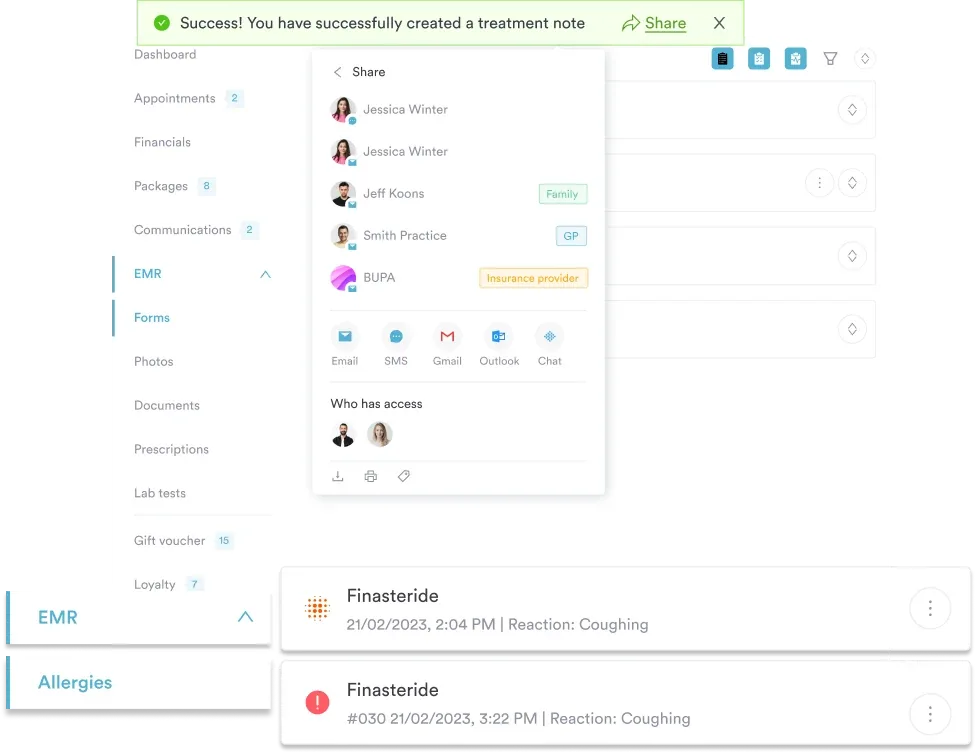
Document wound dimensions using a consistent format on every note: Length x Width = Total sq cm. Auditors compare claim units against documentation. A note that says ‘large wound to lower leg’ without measurements cannot support a 35-unit Q4104 claim. Standardize your wound measurement template across all providers at the point of care.
Medicare coverage for skin substitutes, including Q4104, is governed by Local Coverage Determinations (LCDs) issued by Medicare Administrative Contractors (MACs). Coverage criteria vary by MAC jurisdiction, so wound care practices must confirm the applicable LCD for their region.
Common LCD requirements for CTP/skin substitute coverage include:
Prior authorization requirements for Q4104 vary by payer. Medicare does not require prior authorization at the federal level for skin substitutes in all cases, but individual MACs may have coverage verification programs. Commercial payers frequently require prior authorization before CTP application, so confirm requirements with each payer before the procedure date.
Structured pre-authorization tracking.
CGS Administrators, Novitas Solutions, WPS Government Health Administrators, and Palmetto GBA each publish their own LCDs for skin substitutes. A wound type covered under one MAC’s LCD may require additional documentation under another’s. Always verify the active LCD number and revision date for your specific MAC before billing Q4104 for Medicare beneficiaries.

Pabau helps wound care practices track Q4104 units, attach documentation to claims, and manage multi-payer billing workflows from one platform. See how it works for your practice.

Modifiers on HCPCS Q-codes for skin substitutes are not routine in the same way as modifier usage on evaluation and management codes, but several apply in specific billing scenarios.
Modifier GX (notice of liability issued, voluntary under payer policy) is sometimes required by specific commercial payers for non-covered skin substitutes. Confirm modifier requirements with each payer before submission.
Missing or incorrect modifiers are a common denial trigger on other high-scrutiny codes too. For practices managing billing across multiple payer types, keeping a payer-specific modifier reference guide reduces claim rejections from incorrect or missing modifiers.
Every Q4104 claim needs a supporting ICD-10-CM diagnosis code that establishes medical necessity. The diagnosis must reflect the wound type being treated with Integra BMWD. Using a non-specific or incorrect diagnosis code is a leading reason for Q4104 medical necessity denials.
Code to the highest level of specificity. For diabetic foot ulcers, include the laterality (E11.621 for type 2 with foot ulcer), then use an additional code from the Z89 category if the limb has been amputated.
For pressure injuries, code the stage (stage 1 through 4, unstageable, or deep tissue damage) and the specific anatomical site. Specificity in the ICD-10 code directly supports medical necessity under most MAC LCDs.
For wound care practices using skin clinic practice management software, linking diagnosis codes to treatment records reduces coding errors at claim submission.
Q4104 sits within a group of adjacent skin substitute codes that are frequently confused or incorrectly interchanged. Each code maps to a specific product and manufacturer. Billing the wrong Q-code for a product constitutes a coding error, regardless of clinical intent.
Q4104 and Q4105 are both Integra products and are the most commonly confused pairing. The BMWD (Q4104) is a bilayer dressing for wound care. The Dermal Regeneration Template (Q4105) is designed instead for full-thickness skin defects and burns.
Clinical documentation must clearly identify which product was applied. Billing Q4105 when Q4104 was used, or vice versa, is a coding error that may be flagged in post-payment audits.
For practices managing multiple skin substitute product lines.
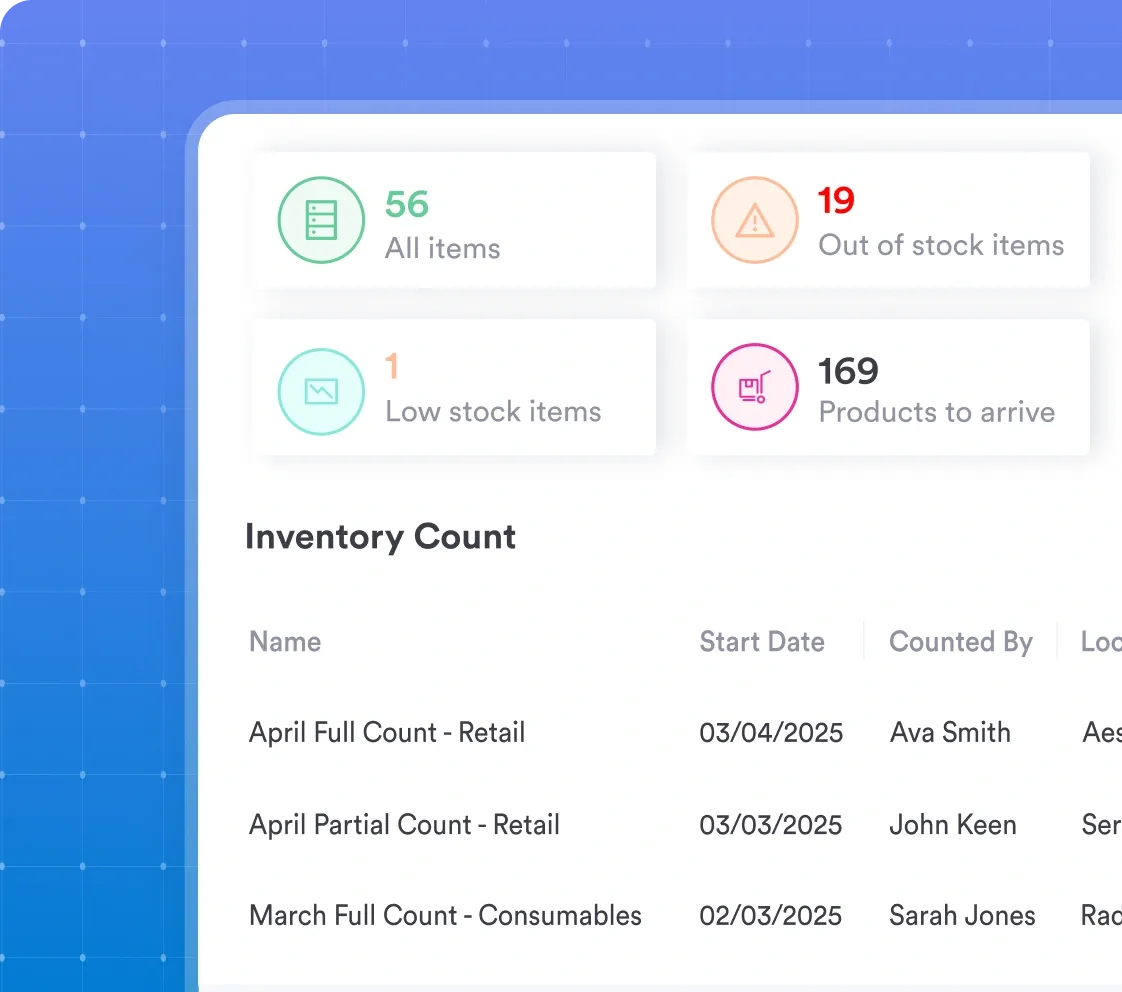
Claim denial rates for skin substitute codes run higher than most wound care billing categories. Common denial reasons for Q4104 include:
A structured pre-submission checklist reduces denial rates. Practices comparing medical billing software options often prioritize tools that build these checks into the claim workflow directly, rather than relying on manual review. An itemized superbill keeps the required fields in one place: dates, codes, charges and provider identifiers.
When a Q4104 claim is denied for medical necessity, the appeal must include the full clinical note with wound measurements, wound chronology, and evidence of prior conservative treatment. Payer appeal timelines vary: most commercial payers allow 60-180 days from the denial date for a first-level appeal, while Medicare Part B timelines follow the Qualified Independent Contractor (QIC) process.
Run a monthly audit of Q4104 claims by unit count. Flag any claim where units exceed 50 sq cm per wound site without corresponding documentation of a large wound. High unit counts are a known audit trigger for skin substitute claims. Catching these before payer audit prevents overpayment demands and penalty exposure.
Wound care practices billing Q4104 regularly deal with a documentation-intensive workflow: wound measurements, product lot tracking, prior authorization management, and multi-payer claim submission. Each step creates a potential break point between the clinical encounter and the claim.
Pabau’s practice management software connects clinical documentation to billing workflows, so the wound measurement captured in the patient record flows directly into the claim without manual re-entry. For practices managing multiple product types and payer requirements.
Pabau’s billing platform also supports audit-readiness by keeping documentation, claim records, and payer correspondence in one linked system. Wound care practices that handle Medicare, Medicaid, and commercial payer claims simultaneously benefit from a structured workflow that enforces documentation requirements before claim submission rather than after denial.
HCPCS code Q4104 is a product-specific, per-square-centimeter add-on code with strict documentation and pairing requirements. The most preventable denials come from missing primary procedure codes, unit count mismatches, and incomplete wound documentation. Fixing these at the encounter level, before claim submission, protects revenue and reduces audit exposure.
Pabau’s medical records management tools help wound care practices capture the exact measurements and product details that Q4104 claims require. To see how Pabau handles skin substitute billing documentation end-to-end, book a demo with the team.

Treating varicose veins in both legs at once? bilateral sclerotherapy billing guide explains when to use CCSD code L8680 instead of billing the unilateral code twice.
Billing a partial kidney removal? kidney excision billing guide covers CCSD code M0300 and the documentation insurers expect for renal surgery claims.
Coding a rare postradiation complication? M96.2 walks through documentation and billing for postradiation kyphosis.
Handling a deleted anesthesia code elsewhere in your practice? 01190 covers the replacement codes and transition rules.
Billing a repair for a lacerated kidney? kidney wound repair guide explains CCSD code M0550 for surgical repair of an injured or lacerated kidney.
Q4104 is an HCPCS Level II code used to bill for Integra Bilayer Matrix Wound Dressing (BMWD), a skin substitute manufactured by Integra Lifesciences, applied to a wound site. The code bills per square centimeter of product applied and must always accompany a primary wound procedure code such as debridement.
Yes. Q4104 is an add-on code and cannot be reported as a standalone claim line. Its primary pairing is the skin substitute application code (15271-15278). Same-day, same-wound debridement (97597, 97598, or 11042-11047) is bundled into the application code under NCCI edits and isn’t separately payable with Q4104 unless it’s performed on a genuinely distinct wound or site, with modifier 59 or XS and supporting documentation.
Measure the wound’s longest length and widest width in centimeters, then multiply to get the total area in square centimeters. That area becomes the unit count on the Q4104 claim line. For example, a 3 cm x 5 cm wound would be billed as 15 units of Q4104. The exact dimensions must appear in the clinical note to support the units billed.
Q4104 maps to Integra Bilayer Matrix Wound Dressing (BMWD), used for chronic wound management. Q4105 maps to Integra Dermal Regeneration Template (DRT) or Integra Omnigraft, products designed for full-thickness skin defects and burn reconstruction. Both are Integra products but are not clinically or billing-interchangeable. Document the specific product applied to ensure correct code selection.
Medicare requires wound dimensions (length x width in cm), wound type and location, at least four weeks of prior conservative treatment documented without adequate healing, product name and lot number, clinical rationale for skin substitute use, and the provider’s signed wound assessment. Requirements vary by MAC jurisdiction, so confirm the applicable LCD for your region.
Common modifiers include RT/LT for bilateral or laterality-specific applications on extremities, GA when an Advance Beneficiary Notice has been issued to the patient, GY for services that do not meet Medicare coverage definition, and modifier 59 to distinguish separate procedural services when multiple skin substitutes are applied on the same date. Confirm modifier requirements with each payer before submission.