CPT Code 62284: Injection procedure for myelography
CPT Code 62284: official descriptor and procedure overview The American Medical ...

Last Updated: Oct 19, 2026
A9552 is the HCPCS Level II code for fluorodeoxyglucose f-18 fdg, diagnostic, per study dose, up to 45 millicuries.
The code covers the radiopharmaceutical tracer itself, not the imaging procedure, so it always rides alongside a PET CPT code such as 78811-78816, 78608, or 78459 on the same claim. Coders report one unit per study regardless of the exact mCi administered, as long as the dose stays at or under the 45 mCi cap. Leaving A9552 off the technical-component or global claim, or pairing it with an unsupported CPT code, is one of the more common denial triggers in nuclear medicine billing.
Let Pabau's smart automation suggest the right codes, reduce claim denials, and keep your practice compliant—effortlessly.
Automate repetitive tasks and focus on what matters most—your patients.
Reduce coding errors and ensure compliance with the latest regulations.
Clean claims, fewer denials, and faster reimbursements.
Powerful insights and reporting to help your practice thrive.
HIPAA compliant SOC 2 certified GDPR-compliant Trusted by 4,000+ clinics worldwide

HCPCS code A9552 identifies Fluorodeoxyglucose F-18 FDG, a radiopharmaceutical tracer billed per study dose up to 45 millicuries for PET imaging.
A9552 may only be reported alongside specific PET CPT codes (78459, 78608, 78811-78816); pairing it with any other procedure code triggers an NCCI edit.
Medicare covers A9552 for brain indications under NCD 220.6.13 (Alzheimer’s disease and dementias) and NCD 220.6.9 (intractable seizures); oncologic PET coverage falls under NCD 220.6.17 and broader LCD policies.
Practice management software like Pabau helps radiology and nuclear medicine practices track radiopharmaceutical billing, document pre-scan requirements, and reduce claim denials at submission.
HCPCS code A9552 is maintained by the Centers for Medicare and Medicaid Services, known as CMS, within the Diagnostic and Therapeutic Radiopharmaceuticals category, covering the A9500-A9800 code range. The official descriptor is: Fluorodeoxyglucose F-18 FDG, diagnostic, per study dose, up to 45 millicuries.
FDG is a radioactive glucose analog. When injected intravenously before a Positron Emission Tomography (PET) scan, it is preferentially absorbed by metabolically active tissue, making it the standard tracer for oncologic, neurologic, and cardiac imaging.
The 45 millicurie (mCi) cap represents the maximum single-study dose that can be reported under one unit of HCPCS code A9552. Doses above that threshold require a separate billing consideration with your MAC.
A9552 sits in the HCPCS Level II A-code series, which covers medical and surgical supplies, injectable drugs, and radiopharmaceuticals. Unlike CPT codes that describe the imaging procedure itself, HCPCS code A9552 describes the supply of the tracer.
Both the radiopharmaceutical code and the appropriate PET CPT code must appear on the same claim for the study to reimburse correctly through claims management software or a direct payer submission.
Medicare coverage for FDG-PET imaging is condition-specific and depends on the indication being imaged. Oncologic imaging falls under NCD 220.6.17, brain imaging for Alzheimer’s disease and dementias falls under NCD 220.6.13, brain imaging for intractable seizures falls under NCD 220.6.9, and cardiac viability imaging falls under NCD 220.6.8.
Coverage is not automatic for every PET scan order. The billing team must confirm the diagnosis aligns with an approved indication before claim submission.
For brain imaging, Medicare covers HCPCS code A9552 when used with CPT 78608 (brain PET; metabolic evaluation) for two specific diagnoses: Alzheimer’s disease and dementias under NCD 220.6.13, and intractable seizures under NCD 220.6.9. Any other neurologic indication requires a Local Coverage Determination (LCD) check with the applicable Medicare Administrative Contractor (MAC).
Oncologic FDG-PET coverage under Medicare is broader but follows a different policy pathway under NCD 220.6.17. Most solid tumor diagnoses (lung, breast, colorectal, lymphoma, melanoma, esophageal, and others) are covered for initial staging, restaging, and treatment monitoring when documented medical necessity supports the order.
Cardiac viability imaging with CPT 78459 uses the FDG tracer billed with A9552 and carries separate coverage rules under NCD 220.6.8 that require physician attestation of the clinical question being answered. CPT 78491 and 78492 also describe myocardial PET imaging, but they use a rest/stress perfusion tracer billed with A9555 or A9526, not A9552.
Good HIPAA compliance guide practices also mean retaining the ordering physician documentation as part of the patient record for audit purposes.
Medicaid coverage varies by state. Do not assume Medicare coverage policies apply to your state Medicaid program without verifying with the specific Medicaid agency or checking your state’s MMIS system.
Per the Medicaid NCCI Manual (Chapter IX, Radiology Services, revised 1/1/2022), HCPCS code A9552 may only be reported alongside the following PET scan CPT codes. Pairing A9552 with any other CPT code triggers an NCCI bundling edit and will result in denial or reversal on audit. Use automated billing workflows to build these pairing rules directly into your charge capture process.
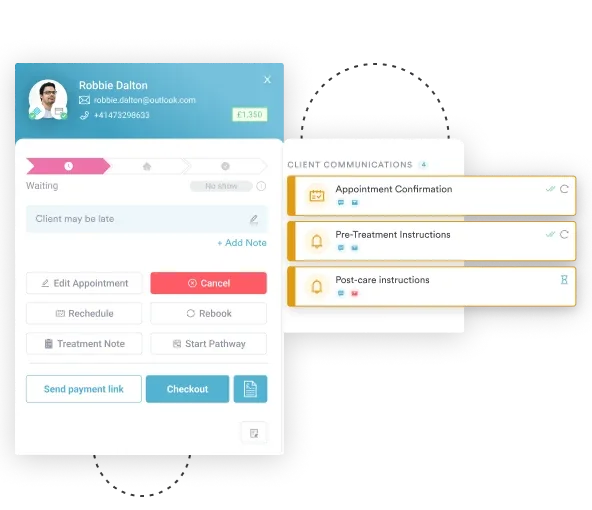
CPT 78491 and 78492 also describe myocardial PET imaging, but they cover rest/stress perfusion studies rather than metabolic viability imaging. Those two codes use a different radiopharmaceutical, billed with HCPCS code A9555 or A9526. Do not pair 78491 or 78492 with A9552 on a claim.
Before submitting any claim pairing HCPCS code A9552 with a PET-CT CPT code (78814, 78815, or 78816), confirm the facility is billing for both the technical and professional components correctly. The CT component of a PET-CT is bundled into the PET-CT CPT codes; separately billing a CT code alongside A9552 creates an NCCI conflict.
Supply billing leaks revenue quietly, and medical practice management software catches unbilled items before they’re written off.
Modifier use with HCPCS code A9552 is one of the most misunderstood areas in nuclear medicine billing. Professional-component-only claims use modifier 26, which pairs with modifier TC on the matching technical-component claim.
A separate pair of modifiers, PI and PS, apply only to oncologic PET studies billed with CPT 78811-78816. PI marks an initial treatment strategy PET scan, and PS marks a subsequent treatment strategy PET scan. Neither has anything to do with the professional/technical split.
When a radiologist or nuclear medicine physician bills the professional component of a PET or PET-CT scan, they append modifier 26 to the PET CPT code. HCPCS code A9552 is a supply code for the radiopharmaceutical, so it belongs on the technical-component or global claim rather than the professional-component-only claim.
A common billing error is including A9552 on a modifier-26 claim. When that happens, drop A9552 from the professional claim and resubmit. Use digital pre-authorization forms and a structured claim checklist to catch this before submission.
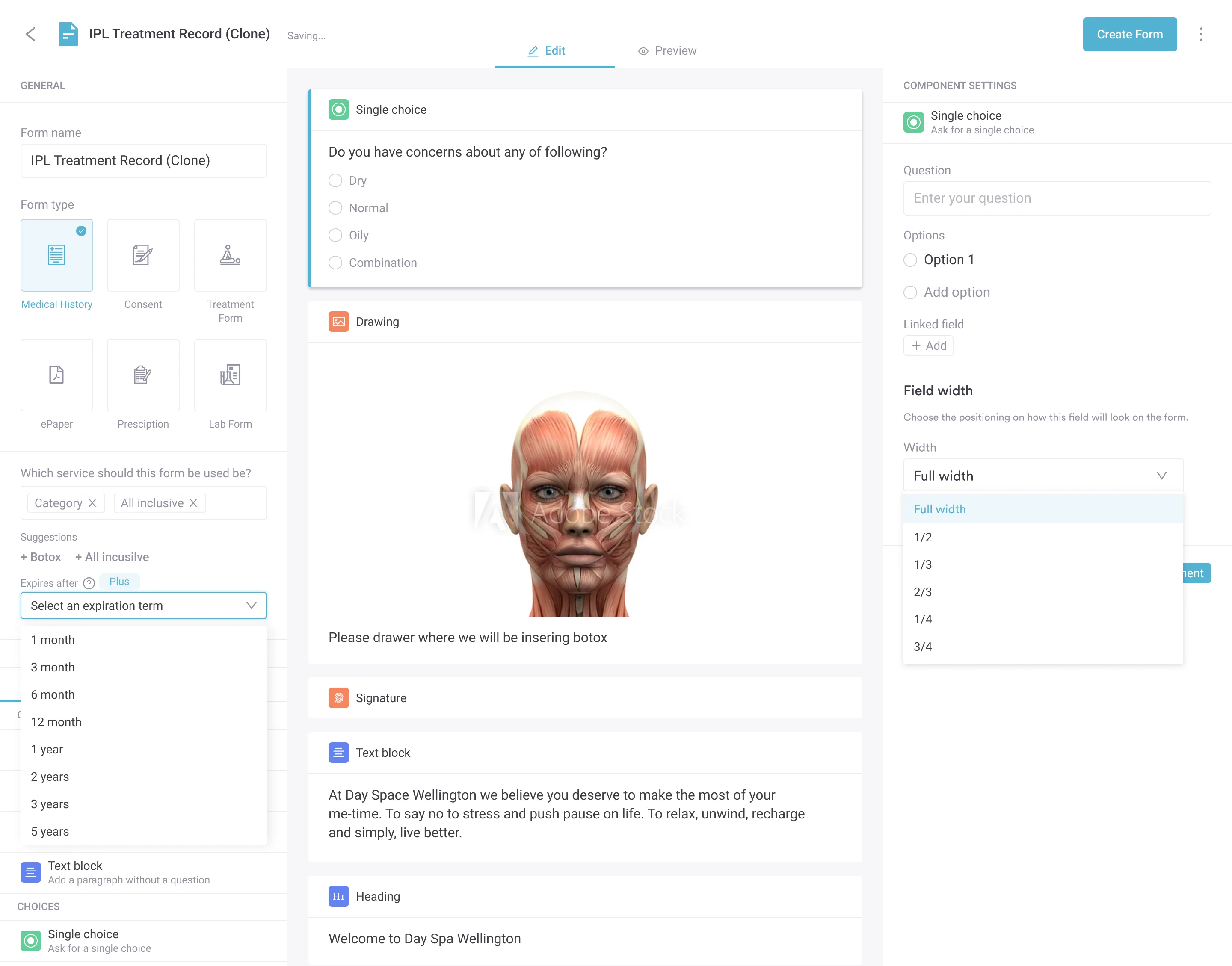
PET scan procedures require a pre-scan finger-stick blood glucose level documented in the patient record. Per the Medicaid NCCI Manual (Chapter IX, Section 7, revised 1/1/2021), this is an included service reported with CPT 82948 (glucose by reagent strip) or CPT 82962 (glucose by glucose monitoring device).
These are separately billable codes for the glucose test itself, but the documentation must appear in the record to support medical necessity for the FDG administration.
Missing glucose documentation is one of the most common audit findings in PET billing and can trigger retroactive denial of HCPCS code A9552. Clinical documentation software workflows should include a glucose documentation checkpoint before FDG administration.

Pabau’s claims management tools help nuclear medicine and radiology teams track charge capture, enforce CPT-to-HCPCS pairing rules, and document pre-scan requirements before a claim is submitted. See how it works in a quick demo.

Reimbursement for HCPCS code A9552 follows the Average Sales Price (ASP) methodology used by CMS for separately payable drugs and radiopharmaceuticals. ASP-based rates are updated quarterly, so the rate applicable to your claim depends on the date of service, not the date of submission. Use the CMS fee schedule lookup tool to confirm the current ASP rate for your jurisdiction before establishing your charge master entry.
Setting a charge master figure far above the ASP-based rate creates a contractual adjustment that looks unusual in payer audits. Most radiology billing advisors recommend setting the charge at 100-115% of the expected ASP payment to allow for reasonable adjustment without creating an outlier profile.
Your MAC may also publish a separate drug fee schedule that determines the actual payment rate for A9552 in your region. Always verify with your MAC’s published quarterly drug update to confirm the operative rate for the current quarter. This rate-tracking work is a core piece of healthcare revenue cycle management for any imaging practice billing radiopharmaceuticals at volume.
For the AAPC Codify HCPCS lookup, search A9552 to find current billing notes, code status, and any active coverage or payment edits that apply to the code in the current year. Commercial payers often follow Medicare ASP methodology but may apply a different multiplier.
ASP-based rates for A9552 change quarterly. Build a calendar reminder for your billing team to check the CMS drug payment file on the first business day of January, April, July, and October. A single quarter with an outdated charge master entry can result in consistent underpayment across hundreds of FDG-PET claims.
Selecting the right ICD-10-CM diagnosis code to pair with HCPCS code A9552 determines whether Medicare adjudicates the claim as covered or non-covered. The diagnosis code must directly reflect the covered indication identified in the physician order and the NCD/LCD that applies to the imaging study.
Using a generic or unspecified code, such as a Z-code screening encounter, when a specific diagnosis code exists is one of the fastest routes to a medical necessity denial.
This list is illustrative, not exhaustive. Always verify against the applicable NCD and your MAC’s LCD before using a diagnosis code to support a claim for medical forms guide and building the supporting documentation package. The NLM Clinical Table Search API provides programmatic access to HCPCS Level II code data for teams building EHR charge capture integrations.
The claims workflow for HCPCS code A9552 differs depending on whether your facility bills global (combined technical and professional), technical component only (TC modifier), or professional component only (modifier 26). Getting this split wrong is the second most common cause of A9552 claim denials after incorrect diagnosis codes. Maintaining accurate clinical documentation records at the point of care is essential before the claim reaches the biller. Most avoidable denials on this code trace back to eligibility verification that was never run.
When the facility owns the scanner and employs the interpreting physician, bill the applicable PET CPT code without a TC or 26 modifier, and include HCPCS code A9552 on the same claim. One unit of A9552 represents one study dose up to 45 mCi. Report one unit unless the clinical record documents a dose exceeding 45 mCi, in which case contact your MAC for guidance on additional billing.
When a hospital or outpatient imaging center provides the scanner and tracer but the reading physician bills separately, append the TC modifier to the PET CPT code and include HCPCS code A9552 on the technical claim. The radiopharmaceutical is a technical supply and belongs on the TC component claim.
When a radiologist or nuclear medicine physician bills only the interpretation, append modifier 26 to the PET CPT code. Do not include HCPCS code A9552 on this claim. A9552 is a supply code for the radiopharmaceutical, and it stays on the technical-component or global claim, which is where the tracer was actually administered.
Radiopharmaceutical billing is more operationally intensive than standard procedural coding. The combination of ASP-based pricing, NCCI pairing restrictions, technical/professional modifier requirements, and blood glucose pre-documentation creates multiple failure points that manual charge capture is unlikely to catch consistently.
Practice management and EMR billing software can reduce those failure points by embedding claim rules at the charge entry stage rather than catching them at scrubbing. Comparing dedicated platforms.
Pabau’s claims management software lets radiology and nuclear medicine practices build CPT-to-HCPCS pairing checks, track radiopharmaceutical units per claim, and flag incomplete documentation before the claim goes out the door.
The integration between scheduling, clinical documentation, and billing means a PET scan appointment can carry the FDG dose, the glucose check result, and the pre-authorization number through to the claim automatically, rather than relying on manual data entry across three separate systems.
This kind of workflow matters when you are running 20 or 30 FDG-PET studies per week: one missing field on one claim can cost the practice several hundred dollars and a resubmission cycle. For practices also managing paperless HIPAA-compliant documentation, Pabau supports the full digital workflow from patient intake through post-study billing.
FDG-PET billing comes down to three things getting right simultaneously: the correct CPT-to-HCPCS pairing, the diagnosis code matching the approved NCD/LCD indication, and the pre-scan blood glucose documented before the FDG dose. Any one of these missing means a denial and a resubmission cycle.
HCPCS code A9552 is technically straightforward, but the surrounding billing rules create enough complexity to produce consistent claim errors without a structured workflow.
Pabau’s practice management software helps imaging practices build those rules into the charge capture workflow so claims submit correctly the first time. Book a demo to see how Pabau’s claims management and documentation tools work for radiology and nuclear medicine teams.

Pairing A9552 with a whole-body PET-CT? CPT Code 78816 covers the whole-body PET-CT descriptor and the anatomical-extent documentation Medicare expects with it.
Need the skull-base-to-mid-thigh PET-CT code instead? CPT Code 78815 covers that narrower extent, and the same A9552 tracer pairing rules apply.
Seeing cardiac PET referrals for post-MI patients? ICD-10 code I24.1 covers Dressler’s syndrome, a related diagnosis your cardiology referral sources may document.
HCPCS code A9552 is the billing code for Fluorodeoxyglucose F-18 FDG, diagnostic, per study dose, up to 45 millicuries. It is a HCPCS Level II radiopharmaceutical code maintained by CMS that identifies the FDG tracer used in PET scans for oncologic, neurologic, and cardiac imaging. It must be reported alongside a compatible PET CPT code on every claim.
HCPCS code A9552 may only be reported with CPT codes 78459, 78608, 78811, 78812, 78813, 78814, 78815, and 78816. Pairing A9552 with any other CPT code will trigger an NCCI bundling edit and result in denial. CPT 78491 and 78492 are myocardial perfusion PET studies that use a different tracer billed with A9555 or A9526, not A9552.
Medicare covers HCPCS code A9552 for approved indications: NCD 220.6.17 for most solid tumor oncologic indications, NCD 220.6.13 for Alzheimer’s disease and dementias, NCD 220.6.9 for intractable seizures, and NCD 220.6.8 for myocardial viability assessment. Coverage for other indications requires a valid LCD from the applicable Medicare Administrative Contractor. Diagnosis codes must align with the specific covered indication or the claim will adjudicate as non-covered.
Modifiers are applied to the paired PET CPT code, not directly to HCPCS code A9552. Modifier 26 is added to the CPT code for professional-component-only claims, and modifier TC is added for technical-component-only claims. Global claims (combined technical and professional) use no modifier on the CPT code. Modifiers PI and PS are unrelated to this split: they apply only to oncologic PET studies billed with CPT 78811-78816, marking an initial (PI) or subsequent (PS) treatment strategy scan.
No. HCPCS code A9552 is a supply code for the radiopharmaceutical, so it belongs on the technical-component or global claim, not on a professional-component-only claim billed with modifier 26. If A9552 appears on a modifier-26 claim, remove it and resubmit; the code stays with the claim that reflects where the tracer was actually administered.