CPT code 93503: Swan-Ganz catheter billing and modifiers
CPT code 93503: Official descriptor and procedure overview In the AMA CPT code s...

Last Updated: Oct 23, 2026
Q4081 is the HCPCS Level II code for injection, epoetin alfa, 100 units (for esrd on dialysis).
Let Pabau's smart automation suggest the right codes, reduce claim denials, and keep your practice compliant—effortlessly.
Automate repetitive tasks and focus on what matters most—your patients.
Reduce coding errors and ensure compliance with the latest regulations.
Clean claims, fewer denials, and faster reimbursements.
Powerful insights and reporting to help your practice thrive.
HIPAA compliant SOC 2 certified GDPR-compliant Trusted by 4,000+ clinics worldwide

HCPCS code Q4081 describes injection of epoetin alfa (100 units) for end-stage renal disease (ESRD) use at dialysis facilities – it is not interchangeable with J0885.
One billing unit equals 100 units of epoetin alfa. Misreporting units is the leading denial trigger for this code.
Q4081 is bundled under the ESRD Prospective Payment System composite rate and is not separately reimbursable in most dialysis facility claims.
Pabau’s practice management software includes claims-management tools that help dialysis billing teams track HCPCS bundling rules, documentation requirements, and modifier usage to reduce denials.
HCPCS code Q4081 is the Level II code assigned to injection of epoetin alfa at 100 units, specifically for end-stage renal disease (ESRD) use. According to the Centers for Medicare and Medicaid Services (CMS) HCPCS Level II coding system, Q-codes are temporary codes assigned by CMS for drugs and biologicals that do not yet have a permanent J-code designation or that require a setting-specific distinction. The same setting- or product-specific logic shows up outside the drug space.
In practice, Q4081 exists specifically to separate ESRD-setting epoetin alfa from non-ESRD use. That distinction drives how the code is billed, bundled, and reimbursed. The table below captures the essential code reference data.
Epoetin alfa is an erythropoiesis-stimulating agent (ESA). It is a synthetic form of erythropoietin, the hormone produced by the kidneys to signal red blood cell production. In ESRD patients on dialysis, kidney failure disrupts that signal. Anemia follows – and with it comes fatigue, reduced quality of life, and increased cardiovascular risk.
ESAs like epoetin alfa correct dialysis-related anemia by stimulating the bone marrow to produce red blood cells. Q4081 is the billing vehicle for this intervention when provided at an ESRD facility. Specifically, the “100 units” in the descriptor defines the billing increment – not the therapeutic dose, which is typically ordered in thousands of units per session.
One billing unit of Q4081 equals 100 units of epoetin alfa. This is the single most common source of claim errors on this code. For example, a dose of 3,000 units is reported as 30 billing units (3,000 divided by 100). Therefore, billing the dose amount directly instead of converting it is a systematic error that causes underpayment or overpayment and triggers audits.
Partial unit rounding follows CMS rules: round any fraction up to the next whole billing unit. A dose smaller than the descriptor amount of 100 units still bills as 1 unit. Always verify the physician order against the documented dose administered before calculating billing units. Discrepancies between ordered and administered doses must be reconciled in the chart before claim submission. Pabau’s claims management software helps billing teams cross-reference documented doses against submitted units, reducing this category of error.
Our primer on practice management software explains how systems keep unusual code sets like these organized.
Q4081 is bundled under the ESRD Prospective Payment System (ESRD PPS) composite rate. CMS implemented the ESRD PPS in 2011 to consolidate most dialysis-related drugs, services, and supplies into a single per-treatment base payment. As a result, epoetin alfa, as an ESA used in ESRD treatment, falls within that bundle.
This has a direct billing consequence: dialysis facilities do not receive separate reimbursement for Q4081 on top of the ESRD PPS base rate. The cost of the drug is factored into the composite per-treatment payment. However, billing Q4081 as a separately payable line item on a Medicare ESRD claim will result in rejection or recoupment.
Understanding the distinction between reporting and reimbursement is essential. Reporting Q4081 is required. Getting paid separately for it under Medicare ESRD PPS is not the expectation. Dialysis billing teams should build this bundling rule into their claim-scrubbing process alongside the corresponding hemodialysis session code. For broader medical billing compliance context across settings, CMS publishes annual ESRD PPS final rules that define the current composite rate and any drug-specific carve-outs.
The most frequent code confusion in epoetin alfa billing is between Q4081 and J0885. Both codes describe epoetin alfa injections. The difference is the care setting. Using the wrong code in the wrong setting will produce a denial regardless of documentation quality. The AAPC’s HCPCS code reference separates these clearly, and so should your claim submission workflow.
The billing unit increment difference matters beyond the setting distinction. A dialysis facility accidentally submitting J0885 instead of Q4081 reports a unit 10 times larger than Q4081’s unit, so even a processed claim carries a documentation discrepancy that flags audits. Use Q4081 at dialysis facilities. Use J0885 everywhere else epoetin alfa is administered outside ESRD.

Pabau helps dialysis billing teams and specialty practices track HCPCS codes, bundling rules, and documentation requirements in one place. Fewer denials, less rework.

Because Q4081 is bundled under the ESRD PPS, Medicare does not publish a standalone fee schedule rate for this code the way it does for separately payable Part B drugs. Instead, the reimbursement is embedded in the ESRD PPS base rate per dialysis treatment, which CMS adjusts annually through the ESRD PPS final rule.
For facilities tracking drug costs against reimbursement, the relevant figure is the ESRD PPS base rate and the low-volume and training adjustments that apply to your facility. The annual CMS ESRD PPS final rule and its corresponding ESRD PPS Pricer file confirm the wage index, low-volume, training add-on, and TDAPA adjustments that affect your locality. However, some payers outside Medicare may still assign a separate line-item rate – check payer-specific contracts and fee schedules directly.
Every Q4081 claim requires a supporting ICD-10 diagnosis code that establishes medical necessity. CMS governs ESA coverage for ESRD through the ESRD PPS regulations (42 CFR 413.174), the Medicare Claims Processing Manual (Pub. 100-04, Ch. 8 §60.4.2 and Ch. 17 §80.11), coding article A58982, and applicable Local Coverage Determinations. The diagnosis must reflect the underlying kidney failure.
Report the most specific diagnosis available. Using D64.9 (anemia, unspecified) without a linked CKD code is a common audit finding. Payers expect to see N18.6 or D63.1 – or both – on any Q4081 claim. Verify current code requirements against your MAC’s LCD for ESAs, as coverage criteria can shift with annual updates. The same specificity principle applies to other anemia codes.
CMS’s coverage article for erythropoiesis-stimulating agents (Article ID 58982) specifies what the medical record must contain before a Q4081 claim is submitted. Missing documentation is a leading denial cause – and it compounds during audits, where missing records on multiple claims become a pattern that triggers extrapolation.
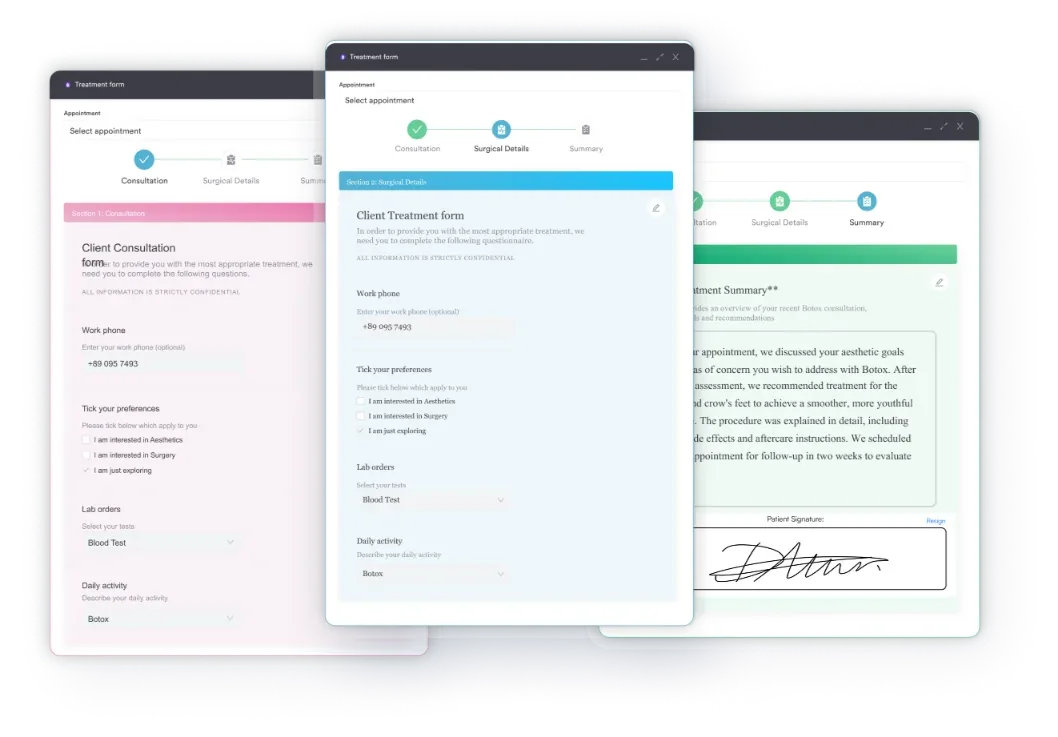
Similarly, HIPAA-compliant documentation workflows apply to ESA records just as they do to any protected health information. Teams establishing strong HIPAA-compliant documentation practices benefit from structured intake and order forms that capture every required field at the point of care, reducing the risk of missing data elements that would otherwise surface only at claim review. For a broader view of medical documentation workflows in practice, structured digital forms consistently outperform paper in completeness rates.
Run a pre-submission documentation audit on Q4081 claims before month-end close. Verify that each claim has a matching lab result (hemoglobin or hematocrit) dated within the payer’s required timeframe, a signed physician order, and a diagnosis of N18.6 or D63.1. Catching missing documentation before submission costs minutes; catching it post-denial costs hours.
Modifier usage on Q4081 spans three categories: route-of-administration modifiers, the EC modifier for non-cancer anemia, and drug waste modifiers. Missing a required modifier is a common reason claims come back unprocessable rather than simply denied, so each category needs its own check before submission.
CMS also introduced mandatory JW/JZ modifier reporting for single-dose/single-use vial drugs to improve drug waste tracking – epoetin alfa’s multiple vial sizes make discarded waste a realistic billing event. Facilities should confirm current MAC-specific modifier requirements with their Medicare Administrative Contractor, since policy details can shift between contract years. Do not append facility-setting modifiers, like PO or PN, that apply in outpatient hospital contexts; they are not relevant to standalone ESRD dialysis facility claims. Front-desk data entry and back-office coding both feed cash collection, so errors compound downstream.
Q4081 billing errors tend to cluster around four root causes: unit calculation mistakes, code substitution errors, bundling misunderstandings, and missing diagnosis codes. The table below maps each error type to its correction. Teams building out procedure coding reference frameworks for specialty practices will find the same error categories repeat across drug-injection codes.
Q4081 sits within a small family of epoetin alfa and ESA codes. Understanding the crosswalk helps coders avoid overlap, select the correct code by setting and drug, and respond accurately when payers question code selection. The same discipline applies to the treatment code billed alongside it: confirm 90945 is reported for the dialysis session itself, separately from the drug code. It also applies to adjacent diagnosis families. The PGM Billing HCPCS lookup tool provides free code-to-code crosswalk verification using current CMS data.
Always verify active/inactive status for Q-codes with CMS or your MAC before billing. Temporary Q-codes are subject to reassignment and termination as CMS reviews the code set annually. Confirm any Q-code in this family is still active for the claim date of service.
HCPCS code Q4081 is a narrow, setting-specific code. Its value as a billing tool depends entirely on getting three things right: using it only at ESRD dialysis facilities, reporting units in increments of 100 (not in raw dose amounts), and understanding that under Medicare ESRD PPS it is a reporting requirement, not a trigger for separate reimbursement.
Billing teams managing ESRD drug claims benefit from systems that enforce these rules at the point of entry rather than catching them at denial, cutting down the rework this code creates for specialty practices. To see how Pabau handles clinical documentation and billing in specialty settings, book a demo.

Coding a post-procedure complication instead of a drug code? ICD-10 Code T87.42 covers infection of an amputation stump and the documentation needed to support it.
Treating varicose veins in both legs? CCSD code L8515 guide covers billing for bilateral varicose vein procedures treated in a single session.
Billing a single-leg sclerotherapy session? sclerotherapy billing guide explains why CCSD code L8600 claims for vein sclerotherapy get rejected and how to avoid it.
Billing for a different diagnostic imaging procedure? CPT Code 91200 covers liver elastography billing and Medicare coverage rules.
Q4081 reports injection of epoetin alfa (100 units) for ESRD patients at dialysis facilities. It is distinct from J0885, which covers epoetin alfa in non-ESRD settings.
One billing unit equals 100 units of epoetin alfa. Divide the total dose administered by 100 to get the correct number of billing units.
Yes. Q4081 is bundled into the ESRD PPS composite base rate; facilities must still report it for data purposes but Medicare does not pay separately for it.
Q4081 is ESRD-only, uses a 100-unit increment, and is bundled under ESRD PPS; J0885 covers non-ESRD settings, uses a 1,000-unit increment, and is separately billable under Medicare Part B.
Pair Q4081 with N18.6 (end stage renal disease) and/or D63.1 (anemia in chronic kidney disease). Using D64.9 alone without a CKD-linked code is a frequent denial trigger.
A route modifier – JA, JB, or JE – is required on every Q4081 claim, and has been mandatory since January 1, 2012; claims without one are returned unprocessable. EC applies when the anemia is not related to cancer treatment. JW (drug amount discarded) or JZ (zero drug waste) is also required on single-dose vial claims – document any wasted amount in the patient chart when applying JW.
No. Epoetin alfa in non-ESRD settings should be billed with J0885. Using Q4081 outside its designated setting will result in claim denial.