HCPCS Code V2208: Spherocylinder bifocal lens billing guide
HCPCS Code V2208: Definition and code attributes HCPCS Code V2208 is a Level II ...

Last Updated: Oct 7, 2026

CCSD Code 0607B is an alphanumeric procedure code on the UK private healthcare reimbursement schedule, used to bill insurers for a specific clinical procedure
The code is recognised by major UK private medical insurers including BUPA, AXA Health, Aviva, and Vitality, though pre-authorisation requirements vary by insurer and policy
Incorrect code entry, missing pre-authorisation, and submitting under an unregistered consultant number are the most common causes of claim rejection for this code
Pabau’s claims management software stores CCSD codes against treatment records, reducing manual entry errors and supporting faster reimbursement for UK private clinics
CCSD Code 0607B appears on the CCSD official schedule, the standard coding system governing procedure and diagnostic billing across UK private healthcare. The schedule is maintained by the Clinical Coding and Schedule Development Group and is the reference point for consultants, clinic managers, and billing staff submitting claims to private medical insurers.
The alphanumeric structure of the code tells you where it sits: the first two digits (06) indicate the chapter, the next two (07) indicate the section within that chapter, and the letter suffix (B) identifies a specific procedure variant within that section. For the precise clinical description of CCSD Code 0607B, practitioners should verify the exact wording against the current CCSD schedule, as descriptions are updated periodically and the authoritative source is always the published schedule itself.
For UK private consultants running a private practice, getting the code right from the start matters. An incorrect or outdated description on a claim form is one of the most common triggers for insurer query letters and payment delays.
CCSD Code 0607B is submitted to private medical insurers that recognise the CCSD schedule. All major UK private insurers use the CCSD coding system as their standard for procedure identification. The code is recognised by BUPA’s code search portal, AXA Health, Aviva, Vitality, WPA, Healix, Allianz Care, and Cigna, among others.
Acceptance of the code does not automatically mean reimbursement without conditions. Each insurer applies its own pre-authorisation rules, fee uplifts, and policy exclusions. For consultants who have recently reviewed Pabau’s guide to BUPA CCSD codes, the BUPA registration requirement is particularly important: BUPA will not authorise patient treatment if the relevant CCSD code is not registered under the submitting consultant’s BUPA provider number (verify the current requirement against your BUPA provider portal, as this requirement has been stable but is subject to change).
Billing CCSD Code 0607B correctly requires more than entering the right number on a claim form. Pre-authorisation, accurate consultant registration, and correct claim submission through an approved channel all affect whether the insurer pays promptly or raises a query. Billing staff at UK private clinics who have reviewed the BUPA procedure codes fee schedule will be familiar with how the authorisation number must accompany every claim.
Track authorisation reference numbers against each CCSD Code 0607B claim in your practice management system before submitting. Insurers regularly reject claims where the authorisation number is missing, transposed, or belongs to a different procedure. Capturing it at point of booking, not at point of billing, prevents the most common submission error.
Private practices coding with CCSD still need solid practice management behind every invoice and insurer submission.
Claim rejections cost UK private practices revenue and staff time. Most rejections involving CCSD Code 0607B fall into a predictable set of errors. Knowing them in advance is the fastest way to keep your rejection rate low. Clinics reviewing features that save private practices time consistently identify billing accuracy as the highest-value workflow to automate.
The CCSD schedule underpins all private medical billing in the UK. It is the single coding standard recognised by all major UK private insurers, including BUPA, AXA Health, Aviva, Vitality, WPA, Healix, Allianz Care, and Cigna. Understanding its structure makes it easier to look up, verify, and correctly apply codes like 0607B.
The schedule is maintained by the Clinical Coding and Schedule Development Group and is updated regularly to reflect new procedures and clinical developments. For context on the wider coding environment, the CCSD official schedule provides the authoritative reference, including technical guidance on code structure and business rules. Practitioners leaving the NHS to set up private practice.
Each CCSD code follows a consistent structure: a four-digit numeric prefix identifying the chapter and section, followed by an alphabetic suffix identifying the specific procedure variant. Chapter numbers run from 01 upward, covering broad clinical specialty areas. Within each chapter, sections group related procedures. The letter suffix (A, B, C…) distinguishes procedures that are related but differ in scope, complexity, or approach.
For CCSD Code 0607B, this means chapter 06, section 07, variant B. The practical implication is that 0607A and 0607B refer to related but distinct procedures. Submitting the wrong variant is a billing error, not just a technical mismatch.
The CCSD schedule covers two distinct code categories. Procedure codes identify clinical interventions performed by the consultant. Diagnostic codes identify tests and investigations. Both appear on claim forms, but in different fields. Code 0607B is a procedure code, not a diagnostic code. Mixing these categories on a claim causes a format error that most insurer systems cannot process automatically. Clinics managing compliance requirements for private clinics should include a code-type verification step in their billing workflow to prevent this error.
Newly registered private consultants face a registration requirement that catches many off guard. Insurers do not automatically recognise every CCSD code a consultant might perform. At BUPA, consultants must register each CCSD code they intend to bill when they first join the BUPA provider panel, and BUPA will not authorise patient treatment if the relevant code is not on the consultant’s registration record. This requirement is broadly consistent across major UK insurers, though the exact process varies. Consultants considering leaving the NHS for private practice should factor this registration process into their pre-launch timeline. Most avoidable denials on this code trace back to eligibility verification that was never run.

Pabau stores CCSD codes against treatment records, flags missing authorisation references, and supports accurate claim submission workflows for UK private clinics. See how it works for your practice.

Manual CCSD code entry creates a consistent failure point in UK private practice billing workflows. A transposed digit, an outdated code, or a missing authorisation reference on a single claim form can delay payment by weeks. Pabau’s claims management software addresses this by storing CCSD codes against specific treatments, so billing staff retrieve the correct code rather than typing it from memory.
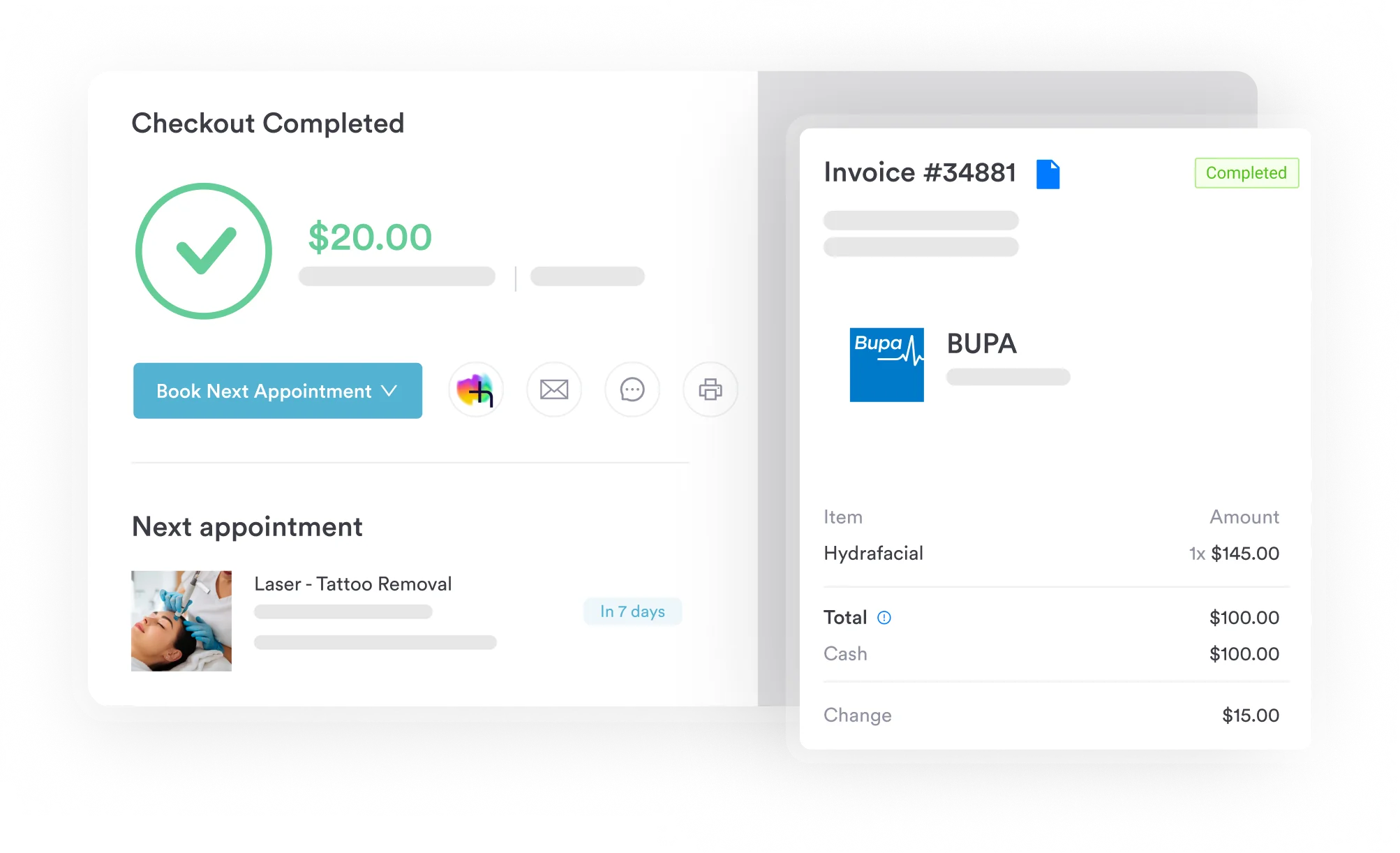
For UK private clinics, the practical benefit extends across the billing cycle. When CCSD Code 0607B is mapped to a treatment in Pabau, it flows through to the invoice automatically. Authorisation reference numbers captured at the point of booking appear alongside the code on the claim, eliminating the most common reason insurers reject first submissions.
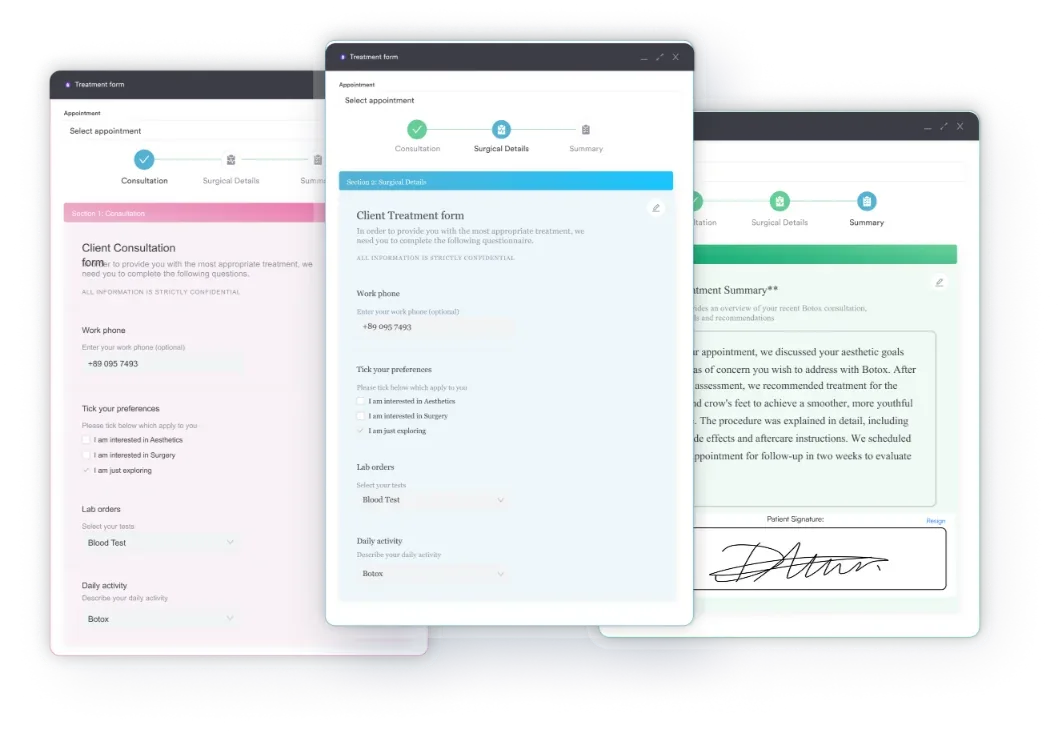
Pabau also supports digital intake forms that capture patient insurance policy details before the appointment. This means billing staff have everything they need to submit a complete claim without chasing the patient for information after the fact. For practices focused on practice management for UK clinics, reducing the time between treatment delivery and claim submission is one of the highest-impact efficiency improvements available.
Set up CCSD Code 0607B as a saved code in your practice management system so billing staff select it from a dropdown rather than entering it manually. Manual code entry is the single biggest source of transcription errors in UK private practice billing. A mapped code list takes 30 minutes to set up and prevents months of rejected claims.
CCSD Code 0607B follows the same structural logic as every other code on the UK private healthcare reimbursement schedule, but the detail still matters. The right variant, the correct pre-authorisation, a registered consultant number, and accurate claim submission each play a role in whether the insurer pays on first submission or raises a query.
For UK private clinics billing through BUPA, AXA Health, Aviva, or Vitality. If you want to see how Pabau handles CCSD billing workflows end to end, book a demo with the team.

Billing a diabetes monitoring device instead? blood glucose monitor billing guide covers the home blood glucose monitor and the order now required since CMS retired the CMN.
Billing a mobility assist device instead? seat lift mechanism billing guide covers the electric seat lift mechanism and the physician order and evaluation it requires.
Billing a patient transfer device instead? patient lift billing guide covers hydraulic or mechanical patient lifts used for safe transfers with limited mobility.
CCSD Code 0607B is a procedure code on the UK private healthcare reimbursement schedule used to bill private medical insurers for a specific clinical procedure performed by a registered consultant. The exact clinical description should be verified in the current CCSD schedule, as wording is subject to periodic update. The code appears in chapter 06, section 07, and the B suffix identifies a specific procedure variant within that section.
CCSD Code 0607B is accepted by all major UK private medical insurers that use the CCSD schedule, including BUPA, AXA Health, Aviva, Vitality, WPA, Healix, Allianz Care, and Cigna. Acceptance by an insurer does not automatically mean the claim will be paid without conditions; pre-authorisation requirements and fee uplifts vary by insurer and individual policy. Always verify requirements directly with the insurer’s provider helpline or portal before treating an insured patient.
The authoritative source for any CCSD code is the official CCSD schedule maintained by the Clinical Coding and Schedule Development Group at ccsd.org.uk. The schedule is organised by chapter and section, with each procedure assigned a unique alphanumeric code. BUPA also provides a code search tool at codes.bupa.co.uk that allows consultants to look up codes accepted by BUPA specifically.
BUPA requires consultants to register all CCSD codes they intend to bill at the point of initial provider registration. BUPA will not authorise patient treatment under a code that is not registered to the consultant’s BUPA provider number. If you add new procedures to your practice after initial registration, notify BUPA to update your registered code list before submitting any claims under the new code.
CCSD procedure codes identify clinical interventions and operations performed by a consultant; CCSD diagnostic codes identify tests and investigations. Both appear on private medical claim forms, but in separate fields. CCSD Code 0607B is a procedure code. Entering it in a diagnostic code field, or entering a diagnostic code in the procedure field, creates a format error that most insurer systems cannot process automatically and will result in claim rejection.
Using the wrong CCSD code typically results in a claim rejection or insurer query, both of which delay payment. If the incorrect code describes a procedure with a different fee than the one performed, resubmission with the correct code may trigger a review. Persistent coding errors across multiple claims can prompt an audit from the insurer. Mapping CCSD codes to specific treatments in your practice management system is the most reliable way to prevent this.