CPT code 93503: Swan-Ganz catheter billing and modifiers
CPT code 93503: Official descriptor and procedure overview In the AMA CPT code s...

Last Updated: Oct 23, 2026
A6196 is the HCPCS Level II code for alginate or other fiber gelling dressing, wound cover, sterile, pad size 16 sq. in. or less, each dressing.
The code has been active since January 1, 1997, and sits within the Miscellaneous Dressing and Wound Supplies range (A6000-A6208) under HCPCS Level II, maintained by the Centers for Medicare and Medicaid Services (CMS).
Clinically, an alginate dressing billed under A6196 manages moderate to heavy wound exudate while maintaining a moist healing environment. It is typically applied to full-thickness wounds with significant drainage, such as stage 3 and 4 pressure ulcers, diabetic foot ulcers, venous stasis ulcers.
For practices managing chronic wound patients.
Let Pabau's smart automation suggest the right codes, reduce claim denials, and keep your practice compliant—effortlessly.
Automate repetitive tasks and focus on what matters most—your patients.
Reduce coding errors and ensure compliance with the latest regulations.
Clean claims, fewer denials, and faster reimbursements.
Powerful insights and reporting to help your practice thrive.
HIPAA compliant SOC 2 certified GDPR-compliant Trusted by 4,000+ clinics worldwide

HCPCS code A6196 covers sterile alginate or fiber gelling wound cover dressings with a pad size of 16 sq. in. or less, billed per dressing unit
A6196 may be used as either a primary or secondary dressing per CMS Policy Article A54563, with size selection matched to wound dimensions
CGS Medicare and Noridian DME MAC have both targeted A6196 in post-pay and TPE audits, making thorough documentation a billing priority
Pabau’s claims management software helps wound care providers document medical necessity, track dressing utilization, and reduce A6196 claim denials
Three elements in the descriptor carry billing weight.
HCPCS code A6196 falls under the Medicare Part B surgical dressings benefit category, administered by Durable Medical Equipment Medicare Administrative Contractors (DME MACs). Coverage is governed by LCD L33831 and CMS Policy Article A54563. Both documents set the conditions that must be met before a claim will pay.
The foundational coverage requirement is medical necessity. The wound must require alginate or fiber gelling dressings based on clinical characteristics, typically a moderately to heavily exudating wound. Documentation from the treating practitioner must support that the dressing type and quantity are clinically appropriate. Good wound care client records are what stand between a paid claim and a denial on review.
One of the most practically useful provisions in CMS Policy Article A54563 is that codes A6196, A6197, and A6198 may each be used as either a primary or secondary dressing, as determined by the treating practitioner. When used as a secondary dressing, the dressing size selected must be appropriate to the wound size, taking wound margins into account.
This flexibility matters clinically because alginate material sometimes functions better as a secondary covering over a more absorbent primary contact layer.
The treating practitioner’s documentation should state explicitly whether the alginate dressing is functioning as primary or secondary coverage. Claims that lack this notation are a common flag on audit review. Maintaining HIPAA-compliant documentation practices throughout the wound care record keeps this documentation audit-ready.
CMS does not publish a single universal monthly cap for all calcium alginate codes in one easily cited document, but coding and compliance guidance commonly references a limit of approximately 30 dressings per month per ulcer for calcium alginate codes under the A6196-A6198 range.
This limit is per ulcer, not per patient, so a patient with multiple wounds may have multiple applicable quantities, each requiring separate clinical justification per wound site. Always verify current limits against the active LCD and your DME MAC’s policy article before submitting, as quantities can shift with annual updates.
Document each wound site separately in the patient record. When billing multiple A6196 units for the same patient, link each quantity to a specific wound with its own clinical justification. A single global note covering all wounds is a common audit trigger and may result in partial or full denial.
Selecting the wrong code within the A6196-A6199 range is one of the most straightforward billing errors in wound care. The differentiator is pad size, not wound depth, wound type, or dressing brand. Getting size documentation right before coding determines whether a claim is billed correctly from the start or requires correction later.
Note that A6199 covers wound filler (a cavity or rope-style product), not a flat wound cover. If a provider documents a wound packing or cavity-filling application, A6199 is the appropriate code regardless of material.
Billing A6196 for a packing application is a coding error that auditors can detect through product records and clinical notes.
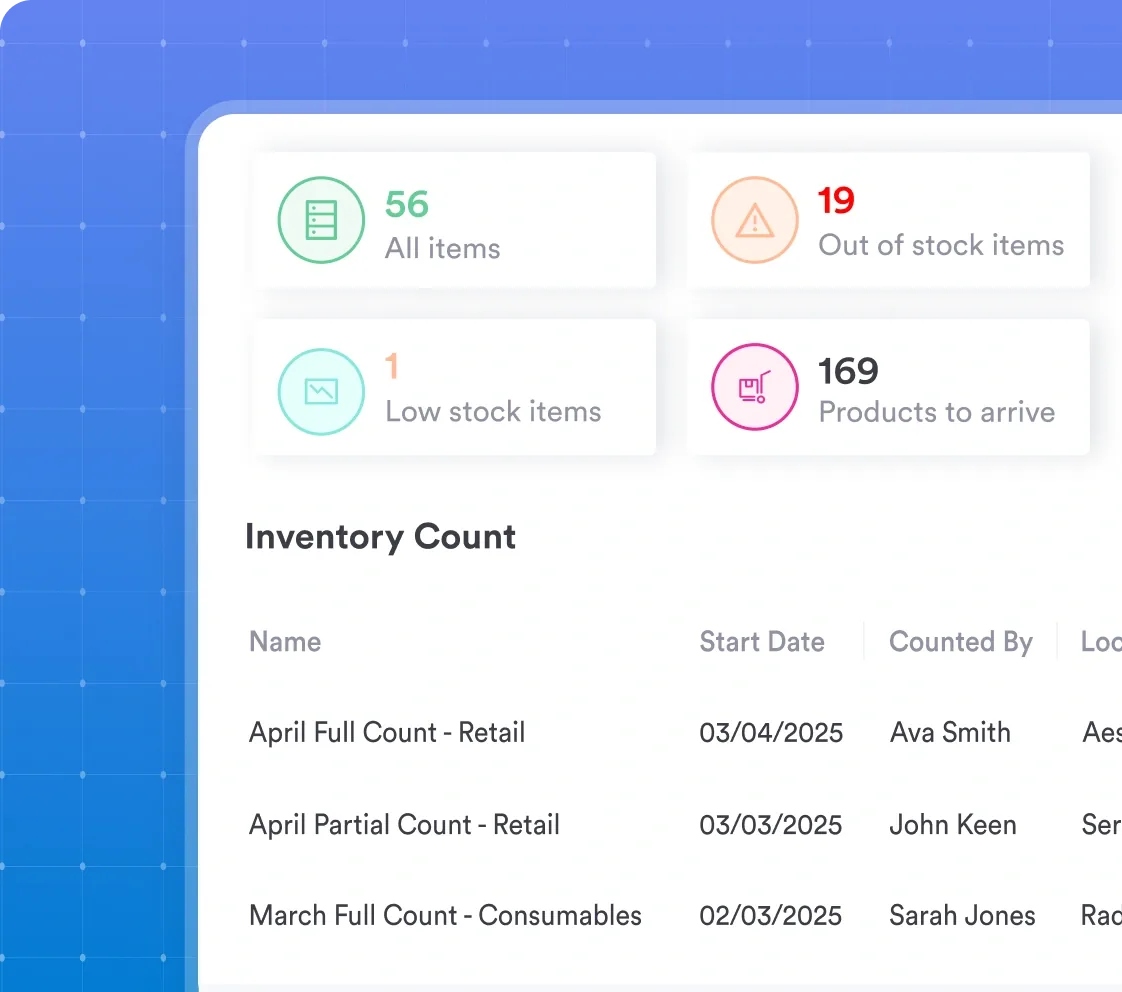
The pad size must be measured and recorded at the time of application. When you are managing a high volume of wound care visits, dressing supply inventory management that links product sizes to patient records reduces the chance of size-code mismatches across large claim batches.
You can also use CPT coding reference guides on Pabau’s procedure codes hub for cross-referencing related procedure codes when wound care is provided alongside other billable services.

Pabau helps wound care providers document dressing applications, track medical necessity, and manage claims workflows so A6196 submissions go out complete the first time.

Supply billing leaks revenue quietly, and medical practice management software catches unbilled items before they’re written off.
LCD L33831 specifies what the medical record must contain for an alginate dressing claim to survive review. The documentation burden is higher than many providers anticipate, and missing a single element can convert a legitimate claim into a denial.
The core documentation elements required under the surgical dressings LCD include:
Providers who use digital intake documentation templates structured around these LCD requirements for wound care capture all necessary elements at the point of care rather than reconstructing them retroactively. Retroactive documentation is a significant audit risk under both TPE and post-pay review programs.
Nutrition status affects wound healing timelines. For patients with documented nutrition-related risk factors.
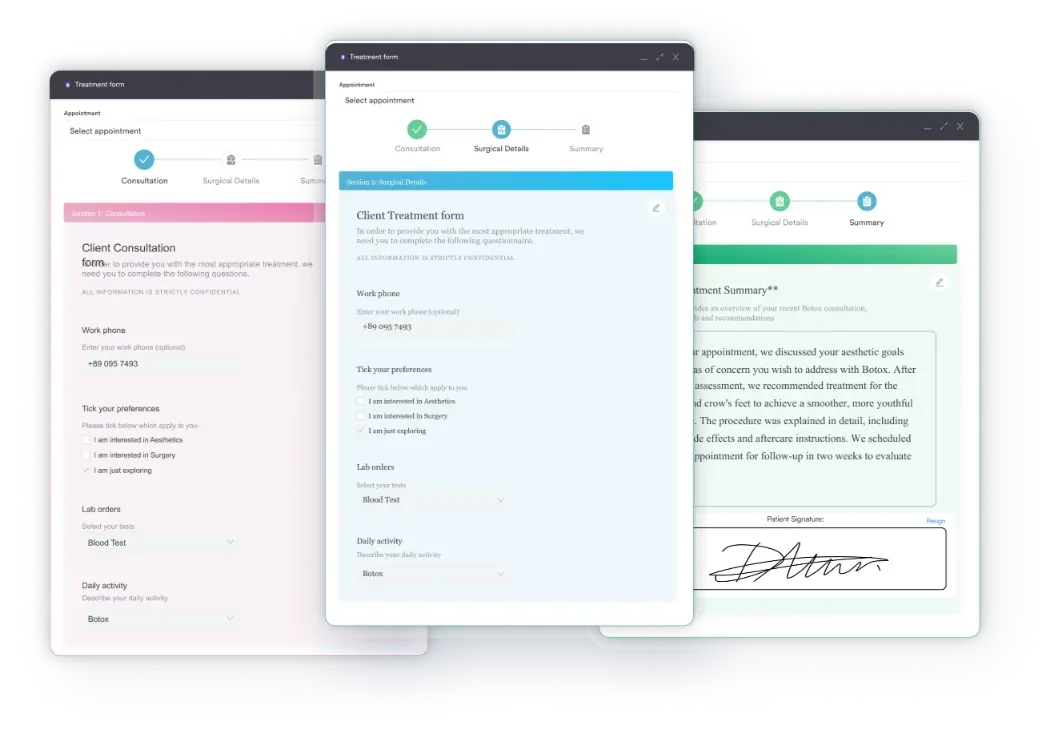
The treating practitioner’s written order is a prerequisite for coverage. The order must specify the type of dressing, the size range, the frequency of change, and the wound site.
A generic order for “alginate dressings” without size or frequency will not satisfy LCD requirements. Managing medical forms at your practice with structured templates ensures the practitioner order captures each required data point.
Review your wound care order templates against LCD L33831’s documentation checklist at least once annually. CMS updates LCDs periodically, and a template that passed review in a prior year may omit a newly required element. Set a calendar reminder aligned with the CMS annual update cycle.
Medicare Part B reimbursement for HCPCS code A6196 is determined by the DME fee schedule, not the Physician Fee Schedule used for physician services. Rates vary by DME MAC jurisdiction. The CMS DMEPOS Fee Schedule lists current payment rates for A6196 by geographic area.
Because DME MAC jurisdictions apply different fee schedule rates, always verify the applicable rate for your specific contractor region.
For Medicaid, state-specific rates apply, and DMEPOS and supply reimbursement for A6196 can differ significantly from Medicare’s DME fee schedule. North Carolina Medicaid, for example, publishes its own rates through the NC DHHS Home Health bulletin.
Because rates vary by state, providers billing across state lines for home health wound care patients should verify the applicable rate against each state’s DME fee file or procedure fee lookup rather than assuming it matches another state or Medicare.
Reimbursement is per dressing unit. If a wound requires one dressing change per day, seven units are billed per week. If a wound requires two changes per day, fourteen units are billed per week.
The frequency must be clinically justified and match the treating practitioner’s order exactly. Billing more units than the order supports is an overpayment error that post-pay reviews actively target. Use the PGM Billing lookup tool to cross-reference current fee schedule data by jurisdiction.
HCPCS code A6196 has been explicitly named in two separate federal review programs, making it a higher-risk code for wound care providers billing under Medicare.
CGS Medicare (Jurisdiction C) announced a widespread post-pay service specific review targeting HCPCS codes A6196, A6212, and A6010 in September 2020. Post-pay reviews are conducted after claims have already been paid. If errors are found, CGS issues a demand letter for repayment. The review focused on claims where documentation was insufficient to support the dressing type, size, or quantity billed.
Noridian Healthcare Solutions (Jurisdiction D DME MAC) has also included A6196 in Targeted Probe and Educate (TPE) review rounds alongside A6023, A6010, A6021, A6212, and A6252. TPE reviews are prospective.
Noridian selects a sample of claims from a provider, reviews them, and then provides education if errors are found. Repeated errors can escalate to prepayment review, which holds payment until each claim passes manual review.
The practical implication: any provider billing significant volumes of A6196 under Medicare should treat their wound care documentation as audit-ready at all times. Using compliance management software for wound care audits means building documentation processes that produce complete records on the day of service, not when a records request arrives.
Based on the audit patterns from CGS and Noridian reviews, the most common reasons for A6196 claim denials include:
Providers managing patient data security in wound care settings through an integrated practice management system can cross-reference product records, clinical notes, and billing data in one place, making pre-submission claim review significantly faster. Proactive internal auditing, at least quarterly for high-volume A6196 billers, is the most effective defense against post-pay demand letters. A structured process for tracking claim denials makes that proactive auditing more effective at catching repeat errors.
Wound care billing for A6196 touches at least three separate workflows: clinical documentation at the point of care, supply chain tracking to confirm product sterility and size, and claims submission through the DME MAC. When these workflows operate independently, required documentation is easy to miss.
When they are integrated, the claim builds itself from the point of treatment. The same three workflows apply whether the setting is a dedicated wound care program or a primary care practice managing chronic ulcers alongside other patient care.
A practical A6196 billing workflow looks like this:
Pabau’s wound care billing workflows allow providers to link clinical documentation directly to claim data, reducing the chance that a wound measurement recorded in the chart is disconnected from the code selected in the billing module.
For practices also using medical spa compliance documentation frameworks alongside their wound care programs, integrated software means a single audit trail covers both service lines.
Alginate dressing claims under HCPCS code A6196 are one of the more documentation-intensive DME billing categories Medicare reviews. The code itself is straightforward. The audit exposure that comes with high-volume billing is not.
Practices billing A6196 often also bill enzymatic debridement supplies. Treating both codes as a single audit-ready record reduces risk across the full wound care encounter.
Pabau’s HIPAA-compliant practice software connects clinical documentation, supply tracking, and claims submission into one workflow, giving wound care providers a defensible audit trail from the first dressing change through final reimbursement. To see how Pabau handles wound care billing documentation end to end, book a demo.

Also billing a hydration infusion? HCPCS code J7120 billing guide covers the coverage qualifier and modifier rules that cause many J7120 claim denials.
Stocking the right dressing-change supplies? A4930 covers the sterile gloves commonly billed alongside alginate dressing changes.
HCPCS code A6196 is used to bill for a sterile alginate or fiber gelling wound cover dressing with a pad size of 16 sq. in. or less, billed per individual dressing. It applies when a treating practitioner determines that an alginate material is clinically appropriate for a wound, typically one with moderate to heavy exudate. The code covers both calcium alginate and other fiber gelling dressing materials that meet the pad size threshold.
A6196 covers alginate wound cover dressings with a pad size of 16 sq. in. or less, while A6197 covers the same type of dressing at sizes greater than 16 sq. in. up to and including 48 sq. in. The clinical material and application function are the same. Pad size at the time of application is the only distinguishing factor. Pad size must be measured and documented at each dressing change to support the code selected.
Coding and compliance guidance commonly references a limit of approximately 30 dressings per month per ulcer for calcium alginate codes in the A6196-A6198 range. This limit applies per wound site, not per patient, so a patient with multiple qualifying wounds may have multiple applicable monthly quantities, each requiring separate clinical justification. Always verify current quantity limits against the active LCD L33831 and your DME MAC’s policy article, as limits can change with annual updates.
LCD L33831 requires documentation of the wound type and location, dimensions (length, width, depth), exudate character and level, the treating practitioner’s written order specifying dressing type, size, and frequency, confirmation of product sterility, and a notation of whether the dressing is serving as a primary or secondary layer per CMS Policy Article A54563. Missing any of these elements is a common cause of claim denial or repayment demand under CGS and Noridian TPE reviews.
Yes. CMS Policy Article A54563 explicitly states that A6196, A6197, and A6198 may be used as either a primary or secondary dressing, at the treating practitioner’s discretion. When used as a secondary dressing, the size selected must be appropriate to the wound size, taking wound margins into account. The documentation must specify which role the dressing is serving, as this notation is reviewed during audit.
Yes. A6196 is covered under the Medicare Part B surgical dressings benefit, administered by DME MACs under LCD L33831. Coverage requires a valid treating practitioner order, documented medical necessity, and complete clinical documentation per the LCD’s requirements. The claim is submitted to the applicable DME MAC for the provider’s jurisdiction, not to the standard Part B carrier for physician services.
A6196 is a HCPCS Level II code, not a CPT code. The two systems are often confused: CPT codes describe physician procedures and services, while HCPCS Level II codes like A6196 cover the supplies, equipment, and dressings that CPT does not. So although it is often searched as an “A6196 CPT code,” its descriptor — alginate or other fiber gelling wound cover dressing, sterile, 16 sq. in. or less — is maintained by CMS under HCPCS Level II and billed to the DME MAC.