CPT code 93503: Swan-Ganz catheter billing and modifiers
CPT code 93503: Official descriptor and procedure overview In the AMA CPT code s...

Last Updated: Oct 23, 2026
A4930 is the HCPCS Level II code for gloves, sterile, per pair.
HCPCS Level II codes like A4930 are distinct from CPT codes. Where CPT codes describe procedures and services, HCPCS Level II codes describe supplies, equipment, drugs, and other items not covered by CPT. The claims management workflows at facilities billing these codes need to account for that distinction when submitting to Medicare Part B and Medicaid.
A4930 is a clear example of an HCPCS code for a supply item. Like other HCPCS billing codes, it has to be matched to correct documentation and modifiers to be reimbursed.
Sterile gloves (A4930) are the procedure-ready counterpart to A4927, which covers non-sterile gloves per 100. Choosing the wrong code is one of the most common billing errors in this code range.
Non-sterile gloves are not appropriate for procedures requiring a sterile field. Using A4927 instead of A4930 when sterile gloves were actually used misrepresents the supply and can trigger a medical necessity denial on audit.
Let Pabau's smart automation suggest the right codes, reduce claim denials, and keep your practice compliant—effortlessly.
Automate repetitive tasks and focus on what matters most—your patients.
Reduce coding errors and ensure compliance with the latest regulations.
Clean claims, fewer denials, and faster reimbursements.
Powerful insights and reporting to help your practice thrive.
HIPAA compliant SOC 2 certified GDPR-compliant Trusted by 4,000+ clinics worldwide

HCPCS Code A4930 is a Level II supply code for sterile gloves (per pair) used in dialysis and medical or surgical settings, maintained by the Centers for Medicare and Medicaid Services (CMS)
Medicare Part B may cover A4930 when supplied through a DMEPOS-enrolled provider with documented medical necessity; local coverage determinations (LCDs) govern specific coverage rules by jurisdiction
Common denial reasons include a missing advance beneficiary notice (ABN), insufficient medical necessity documentation, and incorrect modifier usage
Practice management software like Pabau helps dialysis and multi-specialty practices track supply billing, attach documentation, and reduce A4930 claim denials
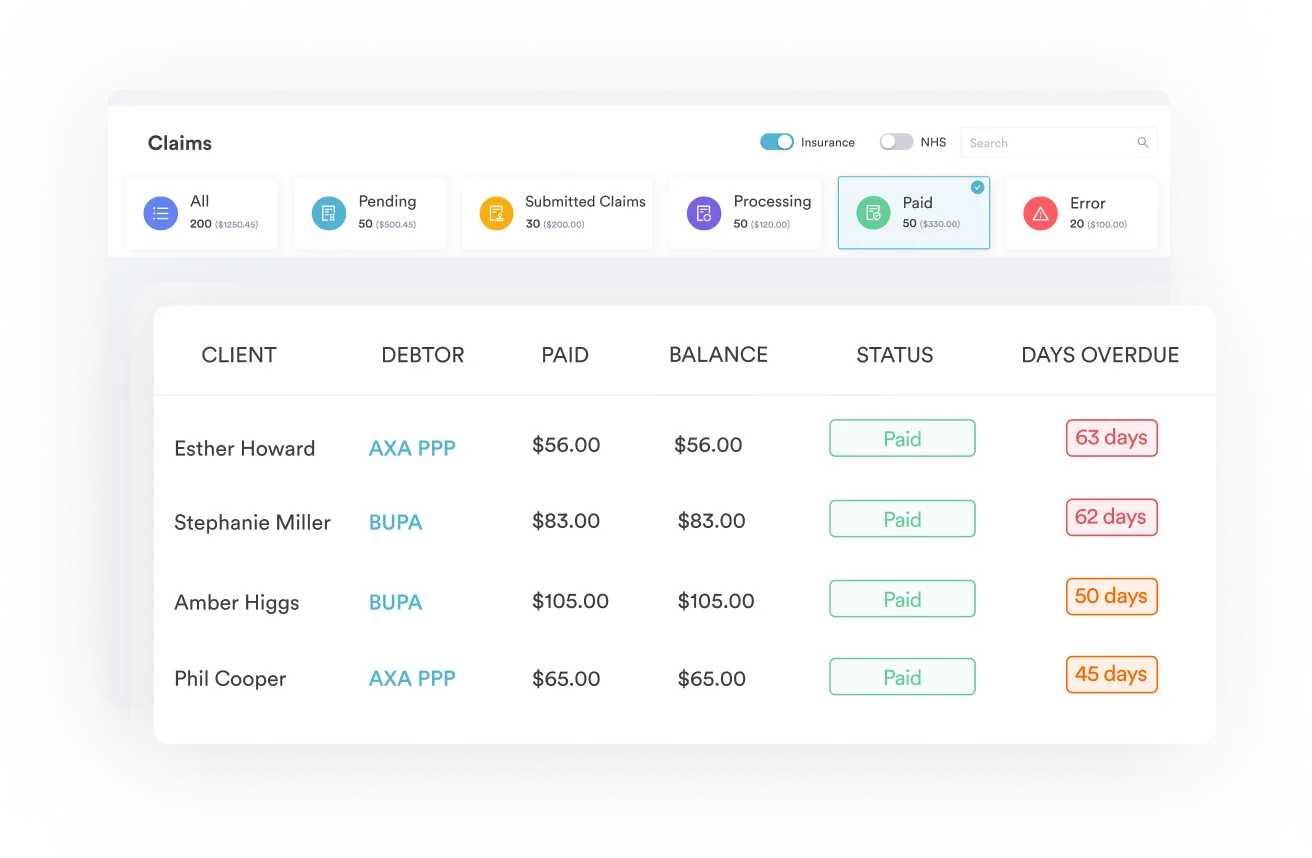
The A4 code series covers a broad range of medical and surgical supplies. Within it, the A49xx subset is assigned specifically to dialysis equipment and supplies. A4913 sits in that subset, covering dialysis supplies that no named code describes. Providers billing across these codes should confirm code selection at the supply level, not the procedure level.
Note that A4930 bills per pair, not per 100. This unit distinction directly affects the quantity submitted on the claim form. Submitting the wrong quantity multiplier is a separate, common error from code selection itself.
Coverage for HCPCS code A4930 under Medicare Part B depends on several conditions, as it does for other Medicare HCPCS codes. The supplier must be enrolled as a DMEPOS (Durable Medical Equipment, Prosthetics, Orthotics, and Supplies) provider. The gloves must be medically necessary for the patient’s documented condition, and the order must come from a treating physician or authorized practitioner.
Under Medicare Part B, dialysis supplies including sterile gloves are generally covered when furnished to patients undergoing home dialysis. For facility-based dialysis, glove costs are typically bundled into the composite rate paid to the dialysis facility and are not separately billable using A4930. Providers should verify whether their setting qualifies for separate reimbursement or whether bundling rules apply.
Local Coverage Determinations (LCDs) govern the specifics. LCDs vary by Medicare Administrative Contractor (MAC) jurisdiction, so a provider in one state may face different documentation and coverage requirements than one in another. Always confirm the applicable LCD for your MAC region before billing A4930. The CMS HCPCS code list provides baseline guidance on code coverage and Medicare applicability.
Dialysis practices billing drug administration alongside supply codes should also track ESRD-specific drug codes such as Q5105, since supply and drug billing follow separate rules even within the same patient encounter.
Medicaid coverage for A4930 varies significantly by state. Some state Medicaid programs follow Medicare coverage rules; others have separate fee schedules and coverage criteria. Providers billing Medicaid should consult their state’s DMEPOS provider manual for current allowable rates and documentation requirements. State manuals are typically available through the state Medicaid agency website.
In areas covered by CMS’s DMEPOS Competitive Bidding Program, reimbursement rates for certain supply codes may differ from the standard fee schedule. A4930 may fall within a competitive bidding category depending on the contract period and product classification. Suppliers operating in competitive bidding areas must hold a contract for the applicable product category to be reimbursed by Medicare.
Durable equipment codes such as L1810 and A7032 follow the same contract logic when they fall within a competitive bidding product category, so suppliers billing multiple DMEPOS code families should check contract status for each one separately.
For practices managing DMEPOS supply billing alongside clinical workflows, understanding your compliance obligations across payer types reduces audit risk and protects revenue.
Before billing A4930, confirm whether your dialysis setting qualifies for separate supply reimbursement or falls under a bundled composite rate. Facility-based dialysis providers often cannot bill A4930 separately. Verify with your MAC’s LCD before submitting.
Insufficient documentation is the leading reason A4930 claims get denied or recouped on audit. The medical record must support both the need for sterile gloves specifically (not just any gloves) and the quantity billed.
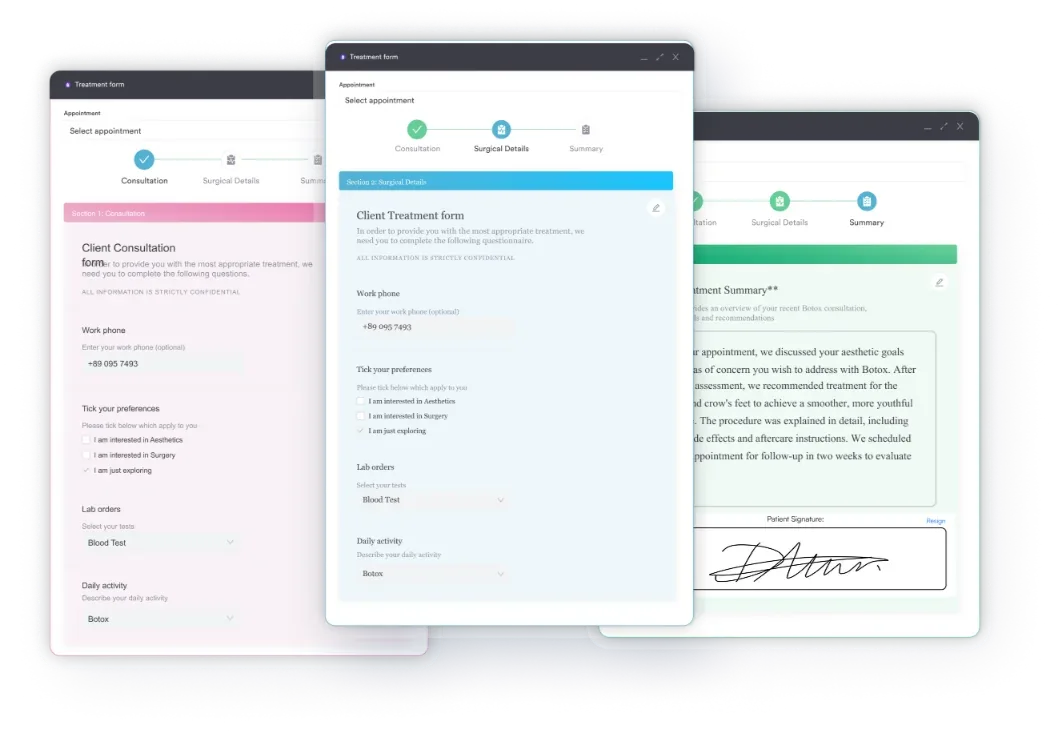
Maintaining organized digital documentation reduces the time spent responding to post-payment audits. Practices using digital intake forms can capture delivery confirmations and patient acknowledgments in a structured, auditable format.
Medicare requires suppliers to retain documentation for a minimum of seven years. For Medicaid, retention periods vary by state but are typically five to ten years. All records supporting A4930 claims, including orders, delivery receipts, and ABNs, must be retrievable within the timeframes specified by your MAC and state Medicaid agency.

Pabau helps practices and DMEPOS suppliers track supply documentation, attach required records to claims, and manage compliance across payer types. See how it works for your practice.

Modifiers provide payers with additional context about the supply or the billing circumstances. Using the wrong modifier, or omitting a required one, is a frequent cause of A4930 denials.
The KX modifier is particularly important for A4930 claims. Many MACs require it to confirm that the supplier has reviewed and satisfied the LCD’s documentation criteria. Submitting without KX when the MAC requires it will result in an automatic denial. Always verify modifier requirements with your specific MAC before billing.
For practices managing billing across multiple payers and supply types.
Review your MAC’s LCD for A4930 before each claim run. KX modifier requirements and quantity limits can change with annual LCD updates. Build a modifier checklist into your billing workflow so the right modifier is selected at the point of claim creation, not as an afterthought.
Medicare coverage for HCPCS code A4930 is conditional, not automatic. The key factors are the treatment setting, the supplier’s enrollment status, and whether medical necessity is fully documented.
For home hemodialysis patients, Medicare Part B covers dialysis supplies including sterile gloves when ordered by the treating nephrologist and supplied by a DMEPOS-enrolled entity. The supplies must appear on the patient’s home dialysis plan of care. Coverage for home peritoneal dialysis follows similar rules.
For facility-based dialysis (in-center hemodialysis), gloves are typically considered part of the facility’s overhead and are included in the per-treatment composite rate. Separately billing A4930 in that setting would constitute duplicate billing.
Facility-based sessions typically bill 90935 or 90945 for the dialysis procedure itself, with supply costs folded into the composite rate rather than billed separately. This bundling rule is one of the most common misunderstandings among providers new to dialysis supply billing.
Setting matters for A4932, the reusable rectal thermometer, in the same way. A thermometer used during an office visit is not billed separately, and the contractor decides coverage case by case.
Reimbursement rates for A4930 are set through the CMS DMEPOS fee schedule, updated annually, since supply codes like A4930 are priced under DMEPOS rules rather than the Physician Fee Schedule. Rates vary by geographic locality due to practice expense adjustments.
The CMS DMEPOS Fee Schedule and the PDAC DMECS lookup tool let suppliers search current payment amounts and verify product classification by code. Competitive bidding program rates, where applicable, will differ from the standard fee schedule amount.
For precise current rates, use the AAPC HCPCS code lookup, which draws from current CMS fee schedule data. Annual updates take effect January 1 each year, so rates from prior years do not apply.
Practices that handle billing across multiple supply codes alongside clinical services benefit from integrated systems. Pabau’s inventory management software helps practices track supply usage at the patient level, making it easier to reconcile what was used against what was billed.
Several codes in the A49xx range serve similar or adjacent purposes. Selecting the right code depends on glove type, sterility, and quantity billed.
The choice between A4930 and A4927 comes down to two factors: sterility and quantity. A4930 is appropriate when the clinical record specifically requires sterile gloves for a procedure, such as catheter insertion or wound care requiring a sterile field. A4927 covers routine non-sterile use in much larger quantities. Using A4927 for a procedure that required sterile gloves can create liability exposure during medical record review. Every payer sets its own timely filing window, and a correctly coded claim still fails once that window closes. Common claim denial codes repeat by specialty, so the pattern is worth reading before reworking.
For practices billing HCPCS supply codes alongside other procedure billing, understanding related code families helps prevent unbundling errors.
Providers documenting dialysis-related supply use alongside other DMEPOS items should also be aware of National Correct Coding Initiative (NCCI) edit pairs. Some A4 codes cannot be billed together on the same date of service without appropriate modifier justification. Review current NCCI tables for any applicable edits before submitting claims that include A4930 alongside other A4 supply codes.
Practices following this HIPAA compliance guide for medical offices need systems that keep documentation accessible without compromising patient data security.
A4930 denials tend to cluster around four issues. Knowing these in advance lets billing teams build preventive checks into the claims process.
Billing teams handling dialysis supply claims benefit from having structured checklists built into their workflow. Standardized medical forms and documentation checklists reduce the variance that leads to denial patterns across a billing department.
Practices that process HCPCS supply codes alongside clinical billing often find that compliance-first documentation habits built at the clinical level translate directly into cleaner claims downstream.
For practices coding across multiple HCPCS families, related billing references for IVF procedure codes and ADHD screening codes provide comparable frameworks for code selection, documentation, and modifier application in adjacent specialty settings. The same principles apply to biosimilar billing codes like Q5104 and to unrelated specialty codes such as 97124 for massage therapy.
HCPCS code A4930 is straightforward to bill correctly when the underlying documentation is in order. The most preventable errors, including missing ABNs, wrong billing units, and absent KX modifiers, come from pre-billing workflow habits rather than coding knowledge.
Sterile gloves are legitimately necessary for many dialysis procedures, and Medicare will cover them when the conditions are met. Want to cut A4930 denials before they happen? Book a demo to see how Pabau’s claims management software keeps documentation, modifiers, and delivery proof audit-ready in one place.

Billing a romosozumab injection claim? Romosozumab-aqqg (Evenity) billing guide explains J3111 unit counts and the modifier that most often causes single-dose vial denials.
HCPCS Code A4930 is a Level II supply code for sterile gloves, billed per pair, used in dialysis and other medical settings requiring a sterile field. It falls under the Dialysis Equipment and Supplies category within the A4 series maintained by CMS. Unlike A4927, which covers non-sterile gloves per 100, A4930 is specific to sterile pairs and is used when the clinical record requires sterile technique.
A4930 covers one pair of sterile gloves. It does not cover non-sterile gloves, gloves billed in bulk quantities, or gloves used in settings where the cost is bundled into a composite rate. The code is specific to sterile, individually packaged glove pairs used in procedures requiring a sterile field, most commonly in home dialysis settings where Medicare Part B covers DMEPOS supplies separately.
Medicare Part B covers A4930 for home dialysis patients when the supply is ordered by a treating physician, provided by a DMEPOS-enrolled supplier, and supported by documented medical necessity. Facility-based dialysis settings do not qualify for separate A4930 reimbursement because gloves are included in the composite rate. Coverage also depends on the applicable Local Coverage Determination (LCD) for your MAC region.
A4930 covers sterile gloves billed per pair; A4927 covers non-sterile gloves billed per 100. The distinction is both clinical (sterile vs. non-sterile) and administrative (per pair vs. per 100 billing unit). Using A4927 when sterile gloves were required and documented constitutes miscoding and can create audit liability. Select based on what the clinical record specifically shows.
The most commonly required modifier is KX, which certifies that the LCD documentation requirements have been met. GA is used when an ABN has been issued and signed by the beneficiary. GY applies when the item is not covered by Medicare and is being billed for denial purposes. GZ indicates the provider expects a denial due to lack of medical necessity and means the patient cannot be billed. Verify current modifier requirements with your MAC before billing.
The five most common denial reasons are: missing or unsigned ABN when coverage was uncertain; incorrect billing unit (quantity of 100 submitted instead of per-pair units); wrong code when non-sterile gloves were actually used; missing KX modifier when the MAC requires it; and duplicate billing in facility settings where gloves are already bundled into the composite rate.