ICD-10 code S61.201A: Open wound of left index finger without nail damage
ICD-10 code S61.201A covers a left index finger wound of unstated type ICD-10 co...

Last Updated: Oct 16, 2026
Billable Code Specific Code
G90.1 is the billable ICD-10-CM code for familial dysautonomia [Riley-Day].
Familial dysautonomia is a hereditary disorder of the autonomic nervous system, classified under Hereditary Sensory and Autonomic Neuropathy Type III (HSAN III). It results from mutations in the ELP1 gene (formerly IKBKAP) and follows an autosomal recessive inheritance pattern. The condition primarily affects individuals of Ashkenazi Jewish descent.
Let Pabau's smart automation suggest the right codes, reduce claim denials, and keep your practice compliant—effortlessly.
Automate repetitive tasks and focus on what matters most—your patients.
Reduce coding errors and ensure compliance with the latest regulations.
Clean claims, fewer denials, and faster reimbursements.
Powerful insights and reporting to help your practice thrive.
HIPAA compliant SOC 2 certified GDPR-compliant Trusted by 4,000+ clinics worldwide

ICD-10 Code G90.1 is the billable, specific code for familial dysautonomia (Riley-Day syndrome), valid for FY2026 HIPAA-covered transactions.
G90.1 falls under Chapter 6 (Diseases of the nervous system), block G89-G99, category G90 (Disorders of autonomic nervous system).
G90.0, the parent code for idiopathic peripheral autonomic neuropathy, is non-billable; G90.1 by contrast is specific and billable without additional specificity.
Pabau’s claims management software supports accurate ICD-10 coding workflows, helping practices submit G90.1 and related autonomic disorder codes with complete documentation.
There is no single dysautonomia ICD-10 code. Dysautonomia is an umbrella term, so the correct code depends on which autonomic disorder the documentation names. G90.1 applies specifically to the hereditary familial form. When notes describe autonomic dysfunction without a named condition, coders reach for the unspecified G90.9 instead.
| What the documentation describes | ICD-10-CM code | Billable? |
|---|---|---|
| Familial dysautonomia / Riley-Day syndrome / HSAN III | G90.1 | Yes |
| Dysautonomia or autonomic dysfunction, unspecified | G90.9 | Yes |
| Other specified disorder of the autonomic nervous system | G90.8 | Yes |
| Postural orthostatic tachycardia syndrome (POTS) | G90.A | Yes |
| Idiopathic peripheral autonomic neuropathy, unspecified | G90.0 (use G90.01 or G90.09) | No |
| Autonomic dysreflexia | G90.4 | Yes |
| Orthostatic hypotension (non-neurogenic) | I95.1 | Yes |
| Diabetic autonomic neuropathy (type 2 diabetes) | E11.43 | Yes |
Vague terms like autonomic instability or autonomic neuropathy without a named cause also default to G90.9 until the record specifies more. For a confirmed hereditary case, familial dysautonomia (Riley-Day syndrome), G90.1 is the specific, billable choice. The rest of this guide covers how to document and bill it correctly.
Understanding where G90.1 sits in the ICD-10-CM structure helps coders apply the correct code quickly and avoid selecting a parent category by mistake.
| Level | Code / Range | Description |
|---|---|---|
| Chapter | G00-G99 | Diseases of the nervous system |
| Block | G89-G99 | Other disorders of the nervous system |
| Category | G90 | Disorders of autonomic nervous system |
| Code | G90.1 | Familial dysautonomia [Riley-Day] |
The WHO’s ICD-10 browser lists G90.1 within the Diseases of the nervous system chapter. The U.S. clinical modification (ICD-10-CM) mirrors this structure but adds specificity for billing and reimbursement purposes under CMS and HIPAA guidelines.
Coders should note that G90.1 sits at the same level as G90.2 (Horner’s syndrome) and G90.3 (Multi-system degeneration of the autonomic nervous system), making accurate history review essential for correct code selection. Cross-referencing the tabular list before assigning the code remains best practice when documentation is ambiguous.
G90.1 is confirmed billable and specific for FY2026. No additional digits are required to achieve specificity, unlike many category-level codes in the ICD-10-CM system.
Contrast this with G90.0 (Idiopathic peripheral autonomic neuropathy), which is non-billable and requires coders to select G90.01 (Carotid sinus syncope) or G90.09 (Other idiopathic peripheral autonomic neuropathy) for valid claims. Practices coding autonomic disorders frequently encounter this distinction when a patient has mixed or overlapping presentations.
When reviewing a claim involving G90.1, check whether the physician documentation explicitly references the hereditary or familial nature of the dysautonomia. Vague documentation of “autonomic dysfunction” without the hereditary qualifier could prompt a payer audit. Ask the clinician to note the genetic basis or family history in the assessment before the claim is submitted.
G90.1 sits within a category that covers a wide spectrum of autonomic nervous system disorders. Knowing the neighboring codes helps coders identify the right choice when documentation is ambiguous, and it supports accurate differential coding when a patient carries multiple autonomic diagnoses.
Other nervous-system codes sit in the same chapter and may appear alongside G90.1 when a patient carries overlapping neurological diagnoses.
| Code | Description | Billable? |
|---|---|---|
| G90.0 | Idiopathic peripheral autonomic neuropathy (parent) | No |
| G90.01 | Carotid sinus syncope | Yes |
| G90.09 | Other idiopathic peripheral autonomic neuropathy | Yes |
| G90.1 | Familial dysautonomia [Riley-Day] | Yes |
| G90.2 | Horner’s syndrome | Yes |
| G90.3 | Multi-system degeneration of autonomic nervous system | Yes |
| G90.4 | Autonomic dysreflexia | Yes |
| G90.50 | Complex regional pain syndrome I, unspecified | Yes |
| G90.8 | Other disorders of autonomic nervous system | Yes |
| G90.9 | Disorder of autonomic nervous system, unspecified | Yes |
Autonomic neuropathy also appears outside the G90 category. The most common acquired form is diabetic neuropathy.
G90.9 (Disorder of the autonomic nervous system, unspecified) is a common fallback code, but it should not be used when a specific hereditary condition such as familial dysautonomia has been diagnosed. Payers increasingly flag unspecified codes for additional documentation requests, particularly for rare inherited neurological disorders.
When physician notes confirm the Riley-Day diagnosis — through genetic testing or established family history — G90.1 is the appropriate and more defensible choice.
A patient management system keeps migraine and neuropathy patients on regular review instead of crisis-driven visits.
Accurate documentation is the difference between a clean claim and a denial. For G90.1, payers expect clinical notes to establish the hereditary basis of the dysautonomia rather than describing it as idiopathic or unspecified. Practice management software like Pabau captures family history systematically through digital intake forms, so this documentation becomes routine rather than reactive.
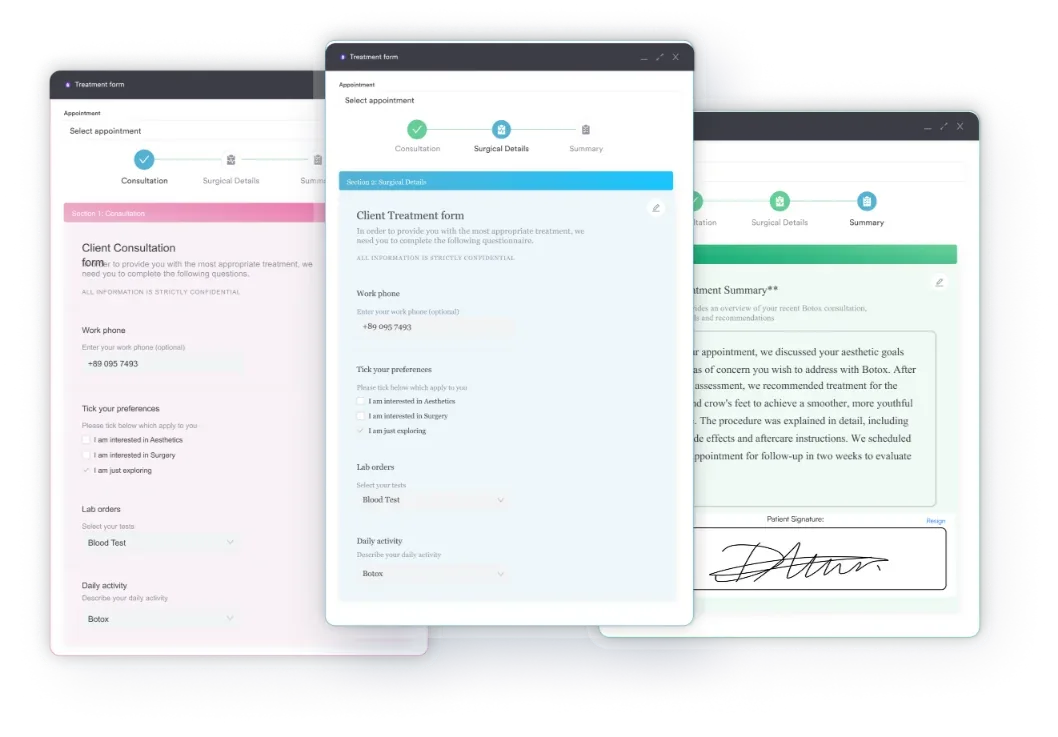
The AAPC’s ICD-10-CM code lookup provides additional coding notes and official guideline references that can help documentation teams identify specific requirements for G90 category codes. Practices using practice management software and dedicated clinical documentation software reduce the risk of incomplete records reaching the billing stage.

Pabau’s claims management software and digital forms help practice teams document complex diagnoses like G90.1 accurately from the first patient touchpoint, reducing claim errors and rework.

For inpatient hospital billing, ICD-10 codes map to Medicare Severity Diagnosis Related Groups (MS-DRGs), which drive reimbursement under the Inpatient Prospective Payment System. G90.1, like most codes in the G90 category, groups under MS-DRG v43.0 assignments for cranial and peripheral nerve disorders.
The neighboring code G90.01 is confirmed to map to MS-DRG 073 (Cranial and peripheral nerve disorders with MCC) and MS-DRG 074 (Cranial and peripheral nerve disorders without MCC).
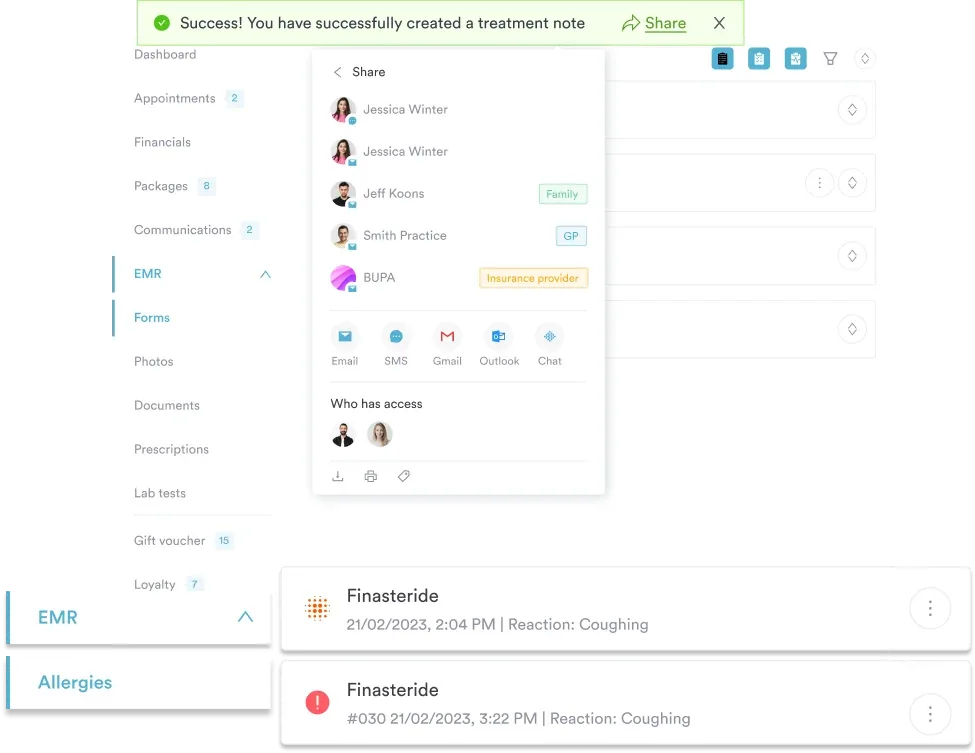
G90.1 is expected to follow the same grouping logic given its category placement, though coders should verify the specific assignment using the ICD List DRG grouper tool for their facility’s fiscal year grouper version. EHR workflows for rare conditions like G90.1 benefit from purpose-built EHR workflows that flag MS-DRG mapping alerts at coding review.
In encounters where familial dysautonomia is the primary reason for the visit, G90.1 should be sequenced as the principal diagnosis. When the visit addresses a complication or manifestation — such as respiratory complications, feeding difficulties, or cardiovascular instability — the complication code takes the principal position, with G90.1 coded as an additional secondary diagnosis.
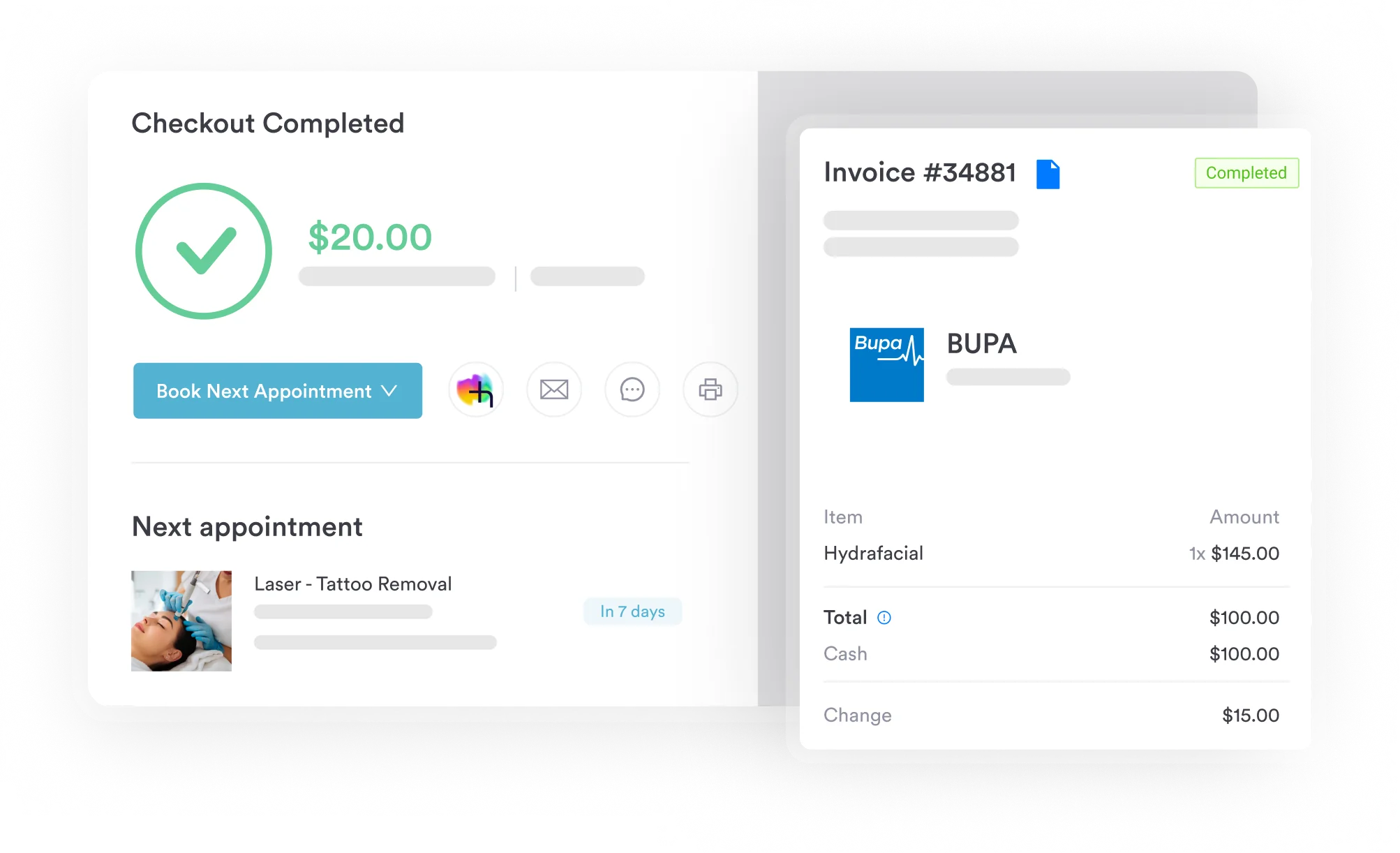
No “Code First” instructions apply to G90.1 itself. However, coders must review any co-occurring conditions to determine whether combination codes or sequencing guidelines from the ICD-10-CM Official Guidelines for Coding and Reporting apply to the secondary codes in the claim. Using patient record management systems with structured problem lists helps clinical teams track the principal versus secondary distinction encounter by encounter. Patients who claim reimbursement themselves need an itemized receipt, which is what a superbill template sets out.
Review the patient’s full encounter note before assigning G90.1 as principal or secondary. If the provider treated a specific complication of familial dysautonomia rather than the underlying condition itself, code the complication first. Sequencing errors are a common audit trigger for rare hereditary neurological diagnoses.
Coders do not diagnose, but understanding the clinical picture behind G90.1 reduces miscoding and supports medical necessity justification when payers question the diagnosis.
Familial dysautonomia is caused by a splicing mutation in the ELP1 gene (formerly IKBKAP), located on chromosome 9q31. This disrupts the production of the elongator protein complex subunit 1, impairing the development and survival of sensory and autonomic neurons.
The condition is autosomal recessive, meaning a child must inherit one defective copy from each parent to develop the disorder. Carrier frequency in the Ashkenazi Jewish population is approximately 1 in 30, with disease prevalence estimated at around 1 in 3,600 births in that community, according to data cited by the National Organization for Rare Disorders (NORD).
When a patient presents with this constellation of features in a child of Ashkenazi Jewish heritage, clinical suspicion should prompt genetic testing. The ELP1 founder mutation accounts for over 99% of cases in this population.
Specialty practices managing these patients benefit from neurology and mental health EMR tools that support longitudinal tracking of complex, multi-system hereditary conditions across encounters.
A consistent coding workflow eliminates the most common G90.1 errors: landing on the non-billable G90.0, defaulting to the unspecified G90.9, or failing to capture supporting secondary codes. EHR integration for complex diagnoses connects clinical documentation to medical billing workflows, reducing manual lookup errors.
Pabau’s claims management software supports structured coding review at the point of claim submission, helping billing teams catch sequencing and specificity issues before they reach the payer.
Familial dysautonomia is a rare hereditary condition, but the coding decision for G90.1 is straightforward once the documentation is in place. The code is billable, specific, and valid for FY2026, covering all encounters where a confirmed diagnosis of familial dysautonomia (Riley-Day syndrome) is the reason for or a secondary factor in the visit.
The most common errors — using the non-billable G90.0 parent code or defaulting to the unspecified G90.9 — are preventable with clear physician documentation and a structured coding workflow.
Pabau’s compliance management tools and digital forms help practices build documentation habits that support clean, defensible claims from the outset. To see how Pabau supports complex ICD-10 coding workflows across specialty and rare-disease practices, book a demo.

Coding overlapping neurological and functional presentations? ICD-10 Code F44.9 (dissociative and conversion disorder) walks through documentation and billing when symptoms lack a confirmed organic cause.
Billing the initial specialist evaluation? CPT Code 99202 (new patient office visit) explains level selection and documentation for a first encounter.
Managing an autonomic crisis inpatient? CPT Code 99291 (critical care services) covers time-based billing for respiratory or cardiovascular emergencies.
Building a defensible documentation trail? ICD-10 renal mass coding guide shows how specificity and clinical detail support clean claims.
Comparing billing platforms? Best medical billing software (US) reviews seven systems for accurate ICD-10 claim submission.
Coding a brain mass of uncertain type? uncertain brain neoplasm coding guide ICD-10 Code D43.2 applies when a brain mass cannot be classified as malignant, benign, or in-situ, with no location specified.
Coding a vitamin B12 deficiency anemia? pernicious anemia coding guide ICD-10-CM code D51.0 identifies pernicious anemia caused by intrinsic factor deficiency, which impairs vitamin B12 absorption.
ICD-10 Code G90.1 is the billable diagnosis code for familial dysautonomia, also known as Riley-Day syndrome or Hereditary Sensory and Autonomic Neuropathy Type III (HSAN III). It is used on HIPAA-covered claims to document a confirmed hereditary disorder of the autonomic nervous system caused by mutations in the ELP1 gene.
Yes. G90.1 is a billable, specific ICD-10-CM code valid for FY2026 (October 1, 2025 through September 30, 2026). No additional digits are needed. This differs from the parent code G90.0, which is non-billable and requires a more specific subcategory such as G90.01 or G90.09.
G90.9 is an unspecified code used when a disorder of the autonomic nervous system has been identified but a specific condition has not been confirmed. G90.1 should be assigned when the documented diagnosis is specifically familial dysautonomia or Riley-Day syndrome. Using G90.9 when G90.1 applies is a coding specificity error and may trigger payer documentation requests.
G90.1 falls under Chapter 6 (Diseases of the nervous system, G00-G99), within the block G89-G99 (Other disorders of the nervous system), and within category G90 (Disorders of autonomic nervous system).
The physician note must explicitly reference familial dysautonomia, Riley-Day syndrome, or HSAN III. Supportive evidence includes ELP1 gene mutation results, documented family history, or characteristic clinical findings such as alacrima, autonomic instability, and sensory deficits. General documentation of autonomic dysfunction alone is insufficient to justify G90.1.
Adjacent billable codes in the G90 category include G90.01 (Carotid sinus syncope), G90.2 (Horner’s syndrome), G90.3 (Multi-system degeneration of the autonomic nervous system), G90.4 (Autonomic dysreflexia), G90.50 (Complex regional pain syndrome I, unspecified), and G90.9 (Disorder of the autonomic nervous system, unspecified). Each requires distinct clinical documentation to differentiate from G90.1.
There is no single code, because dysautonomia is an umbrella term. The code depends on the diagnosis: G90.9 for an unspecified disorder of the autonomic nervous system, G90.1 for familial dysautonomia (Riley-Day syndrome), G90.8 for other specified autonomic disorders, and G90.A for postural orthostatic tachycardia syndrome (POTS). Assign the most specific code the documentation supports.
Autonomic dysfunction documented without a specific named condition is coded G90.9 (disorder of the autonomic nervous system, unspecified). If the record confirms a hereditary form such as Riley-Day syndrome, use the more specific G90.1 instead.