Despina Petrushevska
Nursing care plan for aggressive behavior
A nursing care plan for aggressive behavior is a structured clinical document fo...

2
Last Updated: Oct 26, 2026
Free PDF 6 pages, print-ready Clinician-reviewed
Download your free vegan diabetes meal plan Your weekly vegan diabetes meal plan A structured 7-day plant-based meal plan designed to support stable blood glucose levels in patients managing type 2 diabetes, with breakfast, lunch, dinner, and snack options tailored for vegan diets. Download template Managing type 2 diabetes with a vegan diet is achievable, […]
A structured 7-day plant-based meal plan designed to support stable blood glucose levels in patients managing type 2 diabetes, with breakfast, lunch, dinner, and snack options tailored for vegan diets.
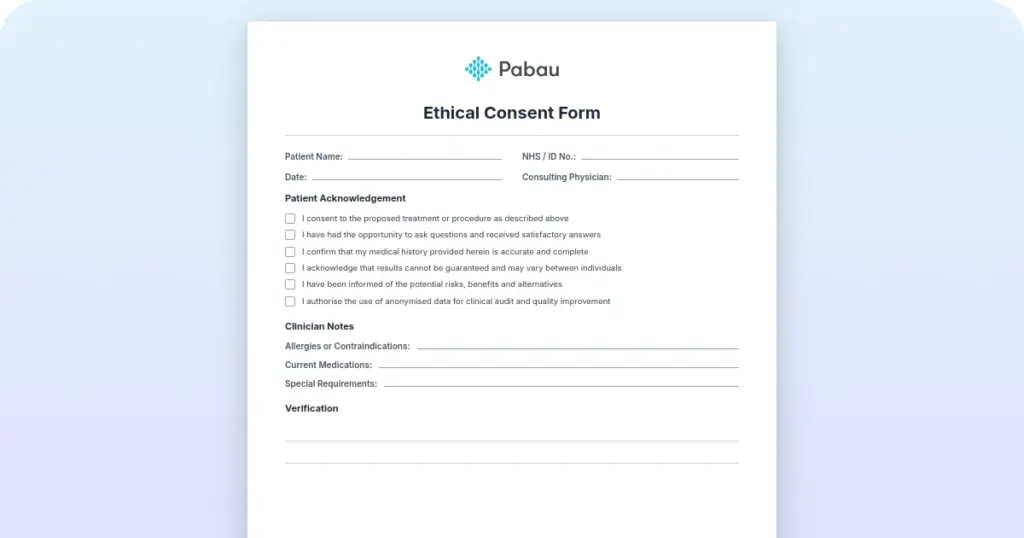
Upload this PDF, or any form you already use, and Pabau's AI Form rebuilds it with tick boxes, text fields and a signature. Attach it to the treatment once, and every patient gets it on time.
AI Form rebuilds the consent, history and aftercare forms you already use. You review each one, then publish.
Patients complete forms on their phone before they arrive, so the front desk stops retyping paper.
Every signed form is versioned and attached to the treatment record, ready when you need it.
Set how long a consent stays valid. Returning patients skip forms they have already signed.
Supports HIPAA and GDPR compliance AES-256 encryption 4.8 on G2 4.7 on Capterra Trusted by 4,000+ practices worldwide

A vegan diabetes meal plan is a plant-based eating guide designed to help people with type 2 diabetes manage blood sugar levels while meeting all nutritional needs from non-animal sources.
Research shows plant-based diets improve HbA1c levels and insulin sensitivity in people with type 2 diabetes. Vegan diets are especially effective, thanks to their high fiber and low glycemic load.
Vegan diabetics must monitor vitamin B12, iron, omega-3 fatty acids, calcium, and vitamin D, as plant-based diets require strategic food pairing and potential supplementation to prevent deficiencies.
Practice management software like Pabau offers digital forms and clinical documentation features that let clinicians share customized meal plans and nutrient-tracking tools directly within patient records.
Managing type 2 diabetes with a vegan diet is achievable, and the research backs it up. Plant-based eating patterns improve blood sugar control, lower cardiovascular risk, and support long-term weight management — three outcomes that matter most for diabetic patients.
This guide gives clinicians a resource to hand directly to patients: a downloadable 7-day meal plan, nutrient-monitoring guidance, snack ideas, and meal-prep strategies that fit the same metabolic health treatment plans practices already run for diabetes and weight management.
A vegan diabetes meal plan combines two evidence-based approaches: vegan nutrition (excluding all animal products including meat, poultry, fish, dairy, and eggs) and diabetes-specific meal planning (focusing on blood-sugar-stable foods). The plan prioritizes plant-based whole foods with low glycemic index values and high fiber content to help maintain stable blood glucose levels throughout the day.
Unlike generic vegan diets, a diabetes-specific plan accounts for macronutrient balance, carbohydrate quality, and micronutrient adequacy — factors that directly affect insulin response and patient outcomes. For clinicians, this resource eliminates guesswork when counseling patients transitioning to plant-based eating while managing a chronic condition.
Yes. Research published in peer-reviewed journals and endorsed by the American Diabetes Association shows that plant-based diets improve glycemic control in people with type 2 diabetes. A the Academy’s position paper confirms that well-planned vegan diets are nutritionally adequate and may reduce HbA1c levels and improve insulin sensitivity.
The mechanism is straightforward. Plant-based whole foods are naturally high in dietary fiber and lower in saturated fat than animal products. Fiber slows carbohydrate absorption, which prevents sharp spikes in blood glucose.
Vegan diets also tend to be lower in overall caloric density, which supports weight loss — a primary goal in type 2 diabetes remission (sometimes called reversal in patient-facing materials). Dietary change remains the first-line clinical recommendation for this kind of metabolic improvement.
This overlap between weight management and glycemic control is why weight-loss practices increasingly build plant-based counseling into their programs. Pairing this meal plan with a weight-loss workout plan gives patients a complete lifestyle intervention to follow at home.
Blood-sugar-friendly plant-based foods form the foundation of a successful vegan diabetes meal plan. Focus on whole foods, minimal processing, and a balance of macronutrients at each meal.
Adequate protein intake is essential for diabetic patients-it supports satiety, helps stabilize blood glucose, and prevents muscle loss during weight reduction. Vegan proteins require strategic combination to ensure complete amino acid profiles.
Fiber is the primary mechanism through which plant-based diets improve blood glucose control. Dietary fiber slows carbohydrate digestion and absorption, preventing postprandial blood glucose spikes. Aim for 25-30 grams of fiber daily.
Certain vegan foods have high glycemic index values and rapid blood glucose impact. These should be limited or avoided in a diabetes-focused meal plan, even though they are technically vegan. Patients managing both diabetes and elevated cholesterol may also benefit from pairing this list with a high-cholesterol diet plan that further limits saturated fat.
This meal plan uses patient education tools to provide structure without rigid restrictions. Each day balances protein, fiber, and healthy fats to maintain stable blood glucose. Portion sizes should be individualized based on patient activity level and medication regimen.
Important disclaimer: Patients on insulin or other diabetes medications must consult their healthcare provider before making significant dietary changes, as reduced carbohydrate intake may require medication adjustment. A stricter vegan ketogenic diet drops legumes and grains, so insulin and sulfonylureas need review before the switch.
Snacks fill the time between meals and prevent blood glucose drops. Focus on protein-fat combinations that provide satiety without rapid glucose spikes.
Vegan diets require attention to six critical micronutrients that are less bioavailable or absent in plant sources.
Counseling point: Recommend annual blood work to assess B12, iron (ferritin, TIBC), vitamin D, and calcium levels. Patients should discuss supplement protocols with their healthcare provider.

Pabau’s digital forms and care plan documentation let you create, customize, and share vegan diabetes meal plans within patient records — keeping all health guidance in one secure location.

A structured meal prep routine reduces barriers and supports adherence to the vegan diabetes meal plan.
A categorized shopping list paired with the 7-day meal plan removes decision-making friction. Print this or embed it in AI-powered clinical documentation so patients can reference it before each shopping trip.
A well-planned vegan diabetes meal plan is a practical, evidence-backed approach to managing type 2 diabetes. Combining plant-based whole foods with mindful macronutrient balance, nutrient monitoring, and structured meal prep helps patients maintain stable blood glucose while meeting their nutritional needs.
Share this downloadable resource with your diabetic patients.

Want a plan built around whole foods? whole food diet plan guides patients toward minimally processed eating with portion and food category guidance.
Thinking about opening a weight loss clinic? starting a weight loss clinic walks through licensing, costs, and technology for a practice add-on or standalone build.
Need another diet template to keep on hand? Our ketogenic diet plan gives clinicians a structured low-carb option for patients who want an alternative to a plant-based approach.
Six key micronutrients need attention: vitamin B12 (supplement essential for all vegans), iron (pair with vitamin C to boost absorption), omega-3 fatty acids (consider algae-based EPA/DHA), calcium (target 1,000-1,200mg daily), vitamin D (supplement in northern climates), and zinc (soak legumes to improve bioavailability). Annual blood work for ferritin, B12, vitamin D, and calcium helps catch deficiencies early.
Combine legumes with whole grains (beans with rice, lentils with barley), include soy-based foods (tofu, tempeh, edamame — all complete proteins), and add seeds and nuts to meals. Protein needs vary by kidney function and activity level, so work with the patient’s care team to set an individualized target — the 1.2-1.6g/kg range is often cited for those without kidney disease.
Yes. Limit refined carbohydrates (white bread, white rice), sugary beverages (fruit juice, sweetened plant milks), processed vegan foods (pastries, ultra-processed meat substitutes), dried fruits, and sweetened vegan yogurts. Stick to whole plant foods: legumes, tofu, vegetables, whole grains, nuts, and seeds.
Build each meal with three components: fiber-rich carbohydrates (legumes, whole grains, vegetables — 50% of the plate), plant-based protein (tofu, tempeh, legumes — 25%), and healthy fat (nuts, seeds, olive oil — 25%). This balance slows carbohydrate absorption and prevents postprandial glucose spikes. Add protein-fat snacks (hummus with vegetables, nuts, tahini with fruit) to maintain satiety between meals.