Journal prompts for mental health
Journal prompts for mental health are guided questions that help people process ...

2
Last Updated: Oct 13, 2026

An emotion wheel worksheet helps clients identify and name emotions with precision, moving beyond basic labels like ‘sad’ or ‘angry’ to explore nuanced feelings.
Plutchik’s eight-primary-emotion model forms the foundation: joy, trust, fear, surprise, sadness, disgust, anger, and anticipation, with secondary emotions derived from combinations.
Affect labeling (naming emotions) reduces amygdala activity and emotional distress, supported by peer-reviewed neuroscience research.
Pabau’s digital forms and client records features help therapists store, assign, and track worksheet usage as part of integrated treatment workflows.
A ready-to-use visual assessment tool that helps clients explore the full spectrum of their emotional experiences, from primary emotions to complex, nuanced feelings. Print-ready A4 and Letter formats for immediate clinical use.
Download templateThe emotion wheel worksheet is a foundational therapeutic tool that turns vague emotional recognition into clinical precision. Therapists, counselors, and coaches use this worksheet to help clients identify, name, and articulate the full spectrum of their emotional experiences with greater clarity and self-awareness.
An emotion wheel worksheet is a visual assessment guide that maps the human emotional landscape in a structured, hierarchical format. The tool moves clients beyond vague emotional labels (“I feel bad”) toward precise emotional identification (“I feel disappointed and betrayed”).
The worksheet serves three clinical functions:
In mental health practice software workflows, the completed worksheet becomes a clinical document stored alongside session notes and treatment plans.
Psychologist Robert Plutchik developed the wheel of emotions in 1980 as a psychoevolutionary model of human affect. His framework identifies eight primary emotions as the foundation of all emotional experience: joy, trust, fear, surprise, sadness, disgust, anger, and anticipation.
Plutchik’s model organizes emotions in concentric rings. The innermost ring contains the eight primary emotions: universal, fundamental responses to key life events. Moving outward, secondary emotions emerge from blending two adjacent primary emotions, and tertiary emotions from three or more combinations.
This hierarchical structure is central to the emotion wheel worksheet: clients start by identifying a primary emotion, then drill down into secondary and tertiary emotions to pinpoint exactly what they are feeling.
While Plutchik’s model is the most widely used, several variants exist to serve different clinical populations and therapeutic approaches.
In a psychology practice platform, completed assessments file straight into the client record.
The power of the emotion wheel worksheet lies in its clinical application. Therapists use it as both an assessment tool and an active skill-building intervention during sessions.
That fifth step often continues as homework between appointments. A core values exercise has the patient rank ten values, then commit to one small action for each before a six-week review.
In DBT and CBT contexts.
Improved Emotional Literacy: Clients expand their emotional vocabulary from 5-10 common words to 30-50+ nuanced terms. This alone reduces emotional avoidance and increases psychological flexibility.
Affect Labeling and Neuroscience: Research by the American Psychological Association supports a landmark UCLA study by Lieberman et al., “Putting Feelings into Words” (2007), showing that naming emotions reduces amygdala reactivity. When clients label an emotion, activity in the prefrontal cortex (rational brain) increases while amygdala activation (threat response) decreases, reducing distress.
Enhanced Self-Awareness: The worksheet teaches clients to pause, observe their inner state without judgment, and develop the capacity for self-reflection. This is foundational to patient engagement strategies that reduce treatment dropout.
Therapy Progress Acceleration: Emotion wheel worksheets are core tools in DBT (Dialectical Behavior Therapy), which emphasizes emotion regulation as a core skill module. Linehan’s DBT Skills Training Manual integrates emotion identification as the first step in any emotion regulation chain.
A key differentiator for modern therapy practices is embedding clinical resources like emotion wheel worksheets into the practice management system itself.
Rather than printing static PDFs.
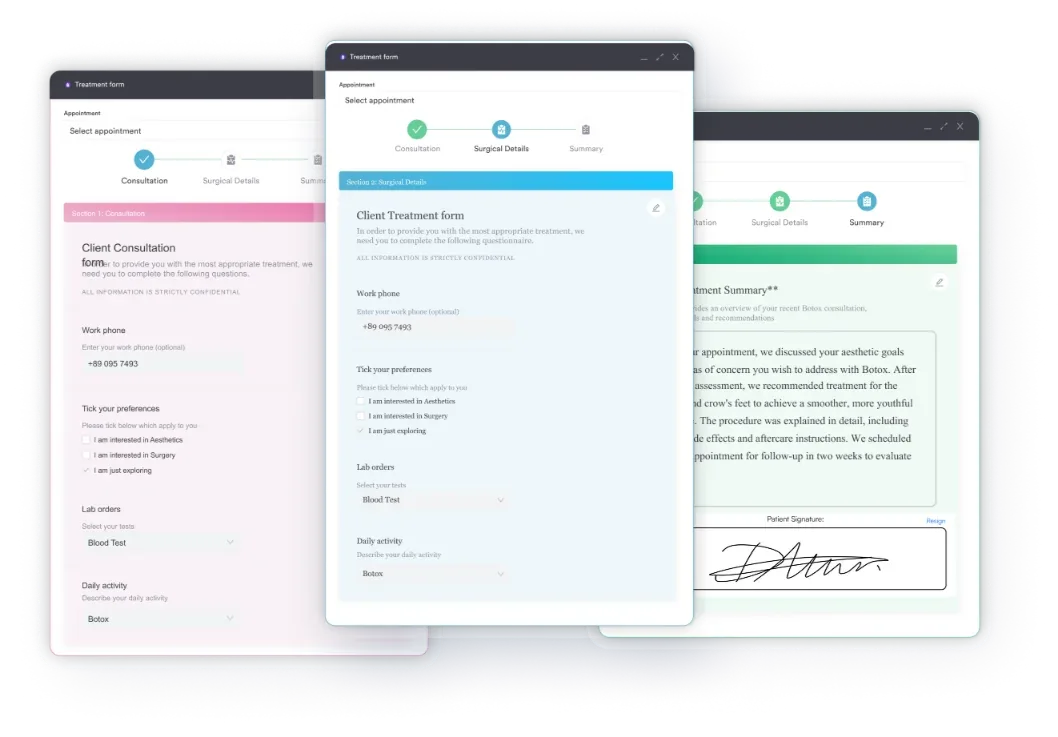
This integration reduces administrative burden — no more hunting for handwritten worksheets in paper files — and creates a continuous record of the client’s emotional progress. Therapists can reference prior emotion wheel completions to identify patterns, celebrate wins, and adjust treatment planning.
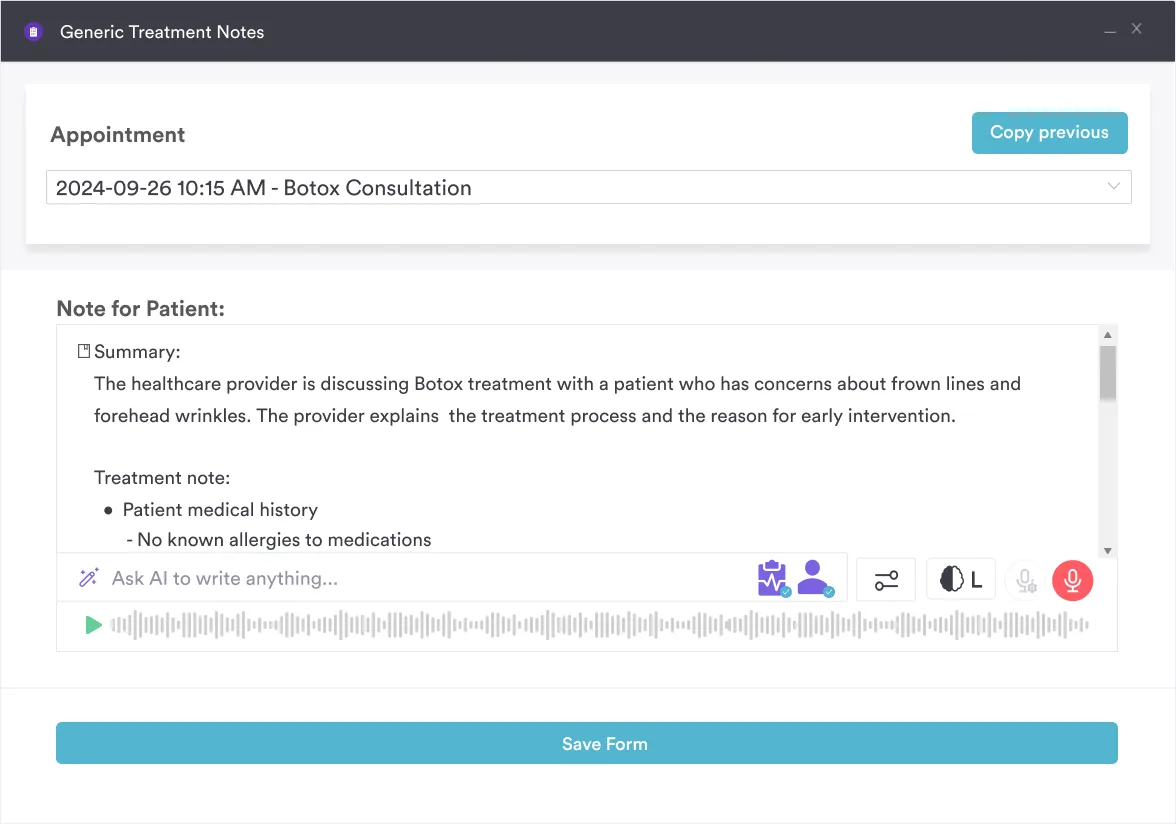
Practical Use Case: A therapist working with a trauma survivor completes an emotion wheel worksheet with the client, identifies “hypervigilance + dread + shame” as the current emotional state, and stores the completed worksheet in the client record.
At the next session three weeks later, the therapist pulls the prior worksheet and compares it to a new completion, showing measurable emotional progress from “dread + shame” down to “caution + sadness.” This validates the client’s effort and motivates continued engagement with treatment.

Assign emotion wheel worksheets, track patient progress, and keep all clinical resources organized in one secure platform.

The emotion wheel worksheet is more than a printable handout. It’s a structured pathway to emotional self-awareness that therapists have relied on for decades. By helping clients move from generic labels to precise emotional identification, the tool reduces distress, builds emotional literacy, and accelerates therapeutic progress across CBT, DBT, and counseling contexts.
Download the free template today and integrate it into your next client session. To streamline worksheet management and patient tracking across your entire practice, book a demo with Pabau and see how practice management software can centralize your clinical resources.

Working with clients who struggle with anxiety? An anxiety triggers worksheet pairs well with the emotion wheel to help clients spot patterns behind their reactions.
Helping clients challenge distorted thinking? The all-or-nothing thinking worksheet targets the cognitive distortions that often accompany intense emotional states.
Supporting couples in session? The couple communication worksheet builds on the same emotional vocabulary clients develop with the emotion wheel.
An emotion wheel worksheet helps therapists and clients identify, name, and distinguish between primary, secondary, and complex emotions during sessions. It teaches emotional literacy, reduces emotional avoidance, and creates a shared language for discussing feelings. These are core skills in CBT, DBT, and general counseling.
Yes. Simplified pediatric versions use colors, emoji faces, and basic emotion labels (happy, sad, angry, scared, surprised, disgusted) for children ages 4-12. School counselors and child psychologists use these versions to help young clients develop early emotional awareness skills before introducing Plutchik’s full eight-primary model in adolescence.
An emotion wheel organizes emotions in a circular, hierarchical structure showing how primary emotions blend to create secondary and tertiary emotions, emphasizing relationships and combinations. An emotions chart is typically a flat list or grid of emotion words, often organized by intensity or category but without the layered blending logic of the wheel.
Yes. Lieberman et al.’s 2007 UCLA neuroscience study showed that affect labeling (naming emotions) reduces amygdala activity, the brain region responsible for threat detection and emotional arousal. Clients who engage in emotion naming show lower physiological stress responses and improved emotional regulation compared to those who don’t label their feelings.
The emotion wheel is a foundational tool in DBT’s Emotion Regulation module. Present it during the first session to teach the eight primary emotions and their secondary combinations. Have group members complete one during check-in to name their current state, then reference it throughout the session when discussing emotion-driven behaviors and coping strategies.