Piercing consent form
A piercing consent form is a signed record that a client understood a piercing&#...

4
Last Updated: Oct 2, 2026

ADHD psychological assessment for adults requires multi-method evaluation combining structured interviews, validated rating scales, and cognitive screening.
The ASRS v1.1, BAARS, and DIVA 2.0 are evidence-based instruments that assess current symptoms, childhood presentation, and functional impairment across life domains.
DSM-5 diagnostic criteria demand documented symptom onset before age 12, persistent symptoms across settings, and clinically significant functional impairment-not just subjective complaints.
Structured documentation in practice management systems ensures HIPAA compliance, supports billing accuracy (CPT 96127-96130), and enables continuity of care across referrals and follow-up appointments.
A comprehensive assessment template covering structured clinical interview sections, validated rating scales (ASRS v1.1, BAARS, DIVA 2.0), DSM-5 diagnostic criteria checklist, developmental history, functional impairment assessment, and documentation guidance for clinical practice.
Download templateAn accurate ADHD psychological assessment for adults is the foundation of evidence-based diagnosis and treatment planning. There is no single test for ADHD, and around 4% of adults live with it, often undiagnosed since childhood and masked by work stress, relationship strain, or co-occurring anxiety. That puts the weight on you to ask the right questions and interpret validated instruments correctly. This guide walks clinicians through the structured interview, rating scales, and documentation workflows that turn assessment data into confident diagnostic decisions. You can download the full ADHD assessment for adults as a ready-to-use PDF from the box above.
An ADHD psychological assessment for adults is a multi-component evaluation designed to determine whether a patient meets DSM-5 diagnostic criteria for Attention-Deficit/Hyperactivity Disorder, and which of the three presentations fits: combined, predominantly inattentive, or predominantly hyperactive-impulsive. A thorough psychological assessment for ADHD differs fundamentally from casual screening. It gathers historical evidence of childhood symptoms, measures current symptom severity across life domains, rules out alternative explanations (anxiety, depression, substance use, sleep disorders), and documents the specific ways ADHD impairs functioning.
The clinical interview remains the cornerstone, supplemented by validated self-report rating scales that quantify inattention, hyperactivity-impulsivity, and executive dysfunction. Clinicians may also use continuous performance tests, computerized attention tasks, or neuropsychological batteries when cognitive or processing deficits are suspected.
The assessment unfolds in distinct phases, each building on the previous one. A structured approach reduces bias, ensures all critical diagnostic domains are covered, and produces documentation that stands up to insurance review and clinical scrutiny.
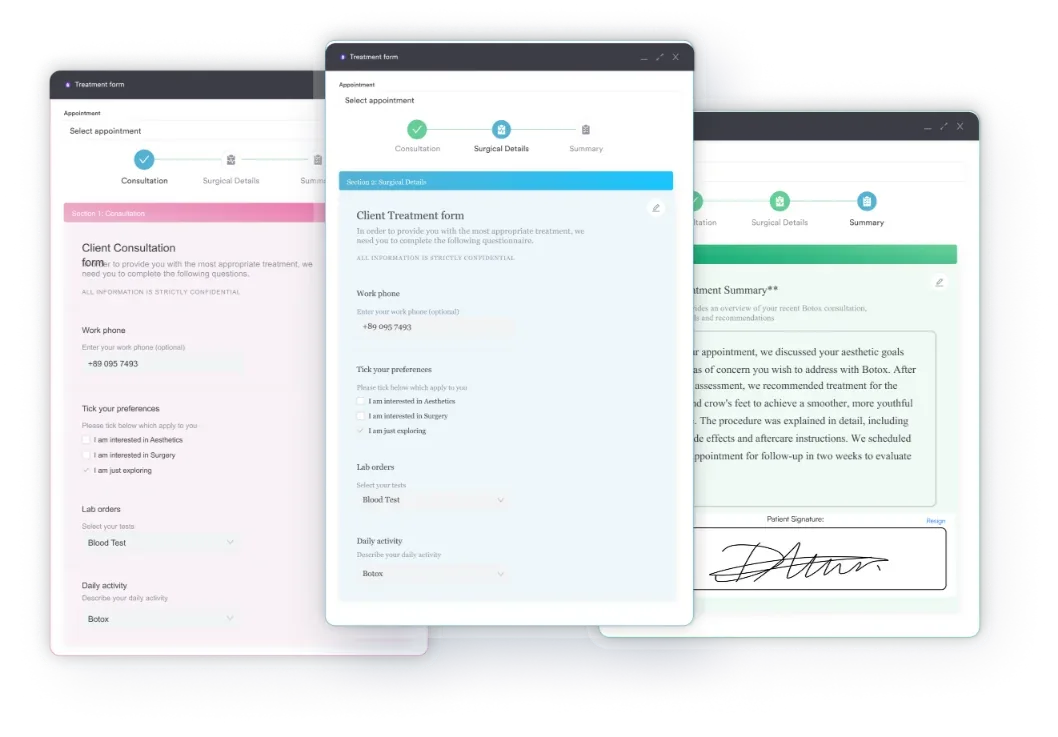
Before the clinical interview, ask patients to complete digital intake forms that gather demographic data, reason for referral, and developmental history. This front-loads information gathering and flags red flags (e.g., “I’ve had trouble focusing since childhood”) that will guide your interview.
The most widely used initial screening tool is the Adult ADHD Self-Report Scale (ASRS v1.1)-an 18-item questionnaire developed in collaboration with the World Health Organization. The ASRS focuses on the six most predictive DSM-5 symptoms and takes under 5 minutes to complete. A positive screen warrants full assessment; a negative screen does not rule out ADHD in every case, but shifts the diagnostic probability downward.
The interview explores four domains: developmental history, current symptom presentation, functional impact, and differential diagnosis. Start with open-ended questions (“Tell me about your focus and attention”), then anchor responses to specific life contexts (work, relationships, self-care). Ask about childhood: “When did you first notice trouble focusing in school? Did teachers comment on restlessness? What about completing homework?”
Critical elements include onset before age 12 (required by DSM-5), symptom presence across multiple settings (work, home, social), and documented functional impairment that cannot be explained by other conditions. A psychiatric evaluation template provides structure for organizing findings into comprehensive clinical records that other providers can reference.
Administer validated ADHD assessment tools for adults that measure symptom severity and functional impairment across life domains:
Interpretation requires comparing raw scores against normative data by age and gender. A score in the clinical range supports diagnosis; scores near the cutoff warrant caution and may justify re-scoring to verify consistency. For a briefer, collateral-friendly option, the Vanderbilt ADHD assessment offers self-report and observer versions that map to DSM criteria.
ADHD diagnosis requires meeting all four DSM-5 criteria. Documentation must explicitly address each one:
Record findings directly in AI-powered clinical note generation systems to ensure consistency and completeness. Documenting assessment findings should follow a template that mirrors DSM-5 structure: Chief Complaint → History of Present Illness (organized by DSM-5 criteria) → Past Psychiatric History → Substance Use → Psychosocial Stressors → Assessment and Plan.
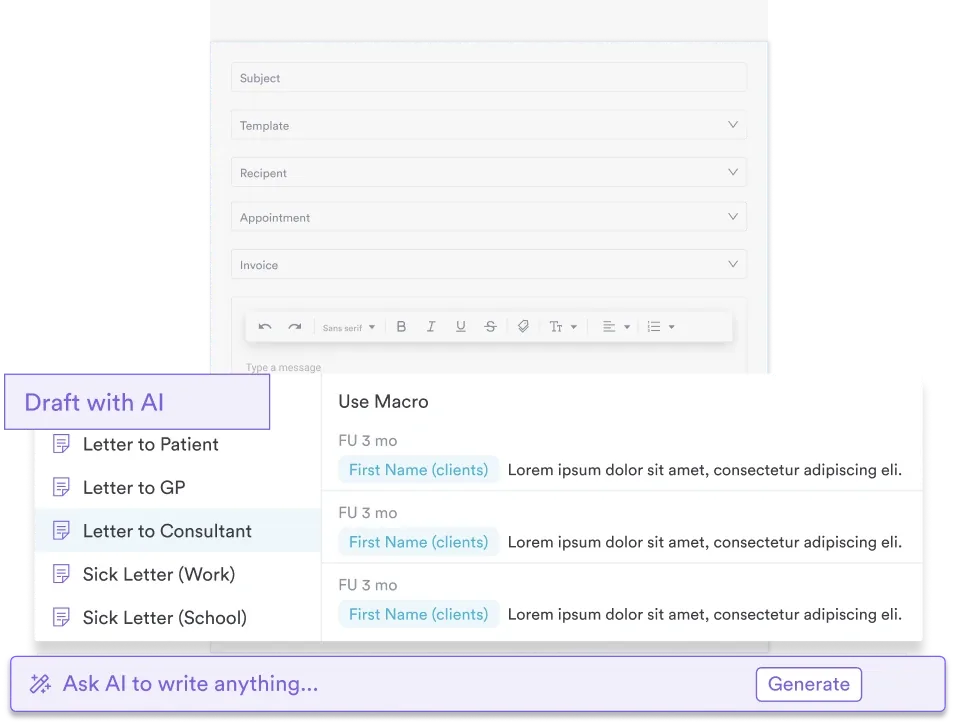
Practice management built for therapists keeps worksheets, notes, and scheduling in one place.
ADHD symptoms overlap with anxiety, depression, sleep disorders, thyroid disease, and trauma. More than 60% of adults with ADHD also have at least one co-occurring condition, most often anxiety, a mood disorder, substance use, or autism, so screening for comorbidity is not optional. Ask directly: “Do you have persistent worry?” “Sleep problems?” “History of trauma or abuse?” Administering a brief depression or anxiety scale (PHQ-9, GAD-7) adds objectivity.
Medical workup may include thyroid function tests, sleep study referral, or substance use screening depending on presentation. Document your reasoning: “Symptoms predate depression onset by 15 years, persist even when mood is stable, and are present in high-stress and low-stress periods, making primary ADHD more likely than secondary to depression.”
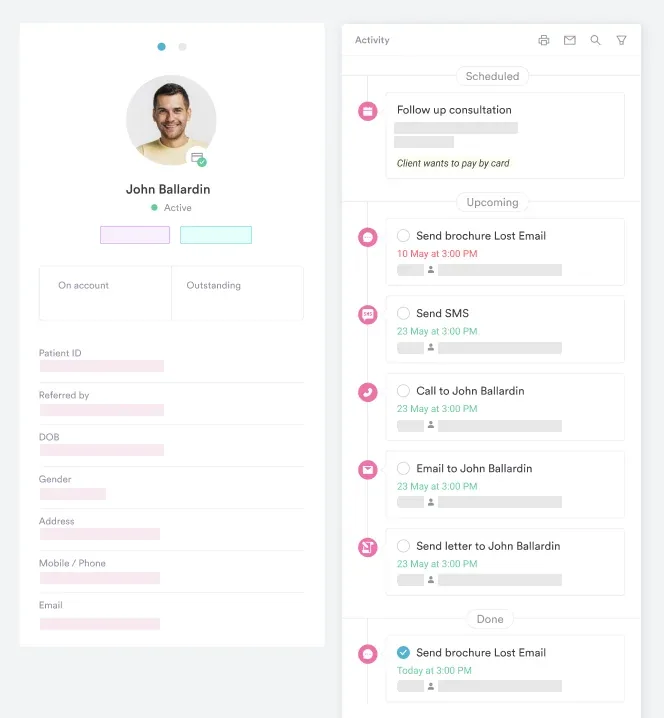
A well-run ADHD evaluation depends as much on workflow as on clinical judgment. Structured workflows reduce assessment time and improve documentation quality. Use your mental health practice management software to store rating scale PDFs, flag when structured patient record management is incomplete, and schedule follow-up. Automated reminders ensure collateral information (family history, school records) is gathered before the appointment.
Billing accuracy hinges on clear documentation. CPT code 96127 covers brief emotional/behavioral screening using standardized instruments (such as the ASRS) and is not a full assessment code. CPT code 96130 covers the first hour of psychological testing evaluation services including interpretation and report writing; CPT code 96131 covers each additional hour. CPT codes 96136 and 96137 apply when a clinician administers and scores the tests directly. Your practice management system should flag which code applies based on time and complexity documented in the note.
Assessment data includes sensitive historical information and rating scale responses. Store completed questionnaires in HIPAA-compliant assessment storage systems that encrypt files, limit access, and log all viewing. Never email completed rating scales unencrypted or leave paper forms on desks. Shred paper records per your state’s records retention schedule (typically 7 years for adults).
If you share assessment results with another clinician (prescriber, therapist), obtain signed consent and remove unnecessary detail. Share the diagnostic impression and relevant symptom severity ratings, not the raw rating scale PDF.
Standard psychological assessment is sufficient for most adult ADHD diagnoses. Refer for neuropsychological testing when cognitive deficits are suspected (e.g., low IQ, learning disorders, history of traumatic brain injury, or medication side effects affecting cognition). Neuropsych batteries assess processing speed, working memory, executive function, and attention span in ways that rating scales cannot.

Pabau’s digital forms and clinical records system help clinicians organize assessment data, track rating scale completions, and generate structured documentation.


Mapping a client’s family history and patterns? Family genogram template maps multiple generations with a standardized symbol legend and space for medical history and substance use patterns.
Need guidance for a mental health emergency? Crisis intervention techniques covers de-escalation techniques to manage mental health emergencies safely, build client trust, and reduce risk.
Comprehensive ADHD assessments typically take 2-4 hours across one or more appointments. Initial intake and rating scales take 60-90 minutes; clinical interview and additional testing may require another 90-180 minutes, depending on complexity and whether neuropsychological testing is needed.
Yes. According to the CDC, ADHD diagnosis can be made by a psychologist, psychiatrist, or primary care provider. Primary care physicians often diagnose ADHD but may refer to specialists for complex cases involving comorbidities or atypical presentations.
No. The ASRS v1.1 is a screening tool, not a diagnostic test. A positive ASRS score signals the need for full assessment including clinical interview, additional rating scales (BAARS, DIVA), and functional impairment documentation. Diagnosis requires integrated evidence from multiple sources.
CPT code 96127 covers brief emotional/behavioral screening using standardized instruments (such as the ASRS) and is a low-reimbursement screening code, not a full assessment code. CPT code 96130 covers the first hour of psychological testing evaluation services (interpretation and report writing); CPT code 96131 covers each additional hour. CPT codes 96136 and 96137 apply when a clinician personally administers and scores the tests. Time and complexity documented in the clinical note determine which codes apply.
Strongly encouraged when possible. A parent or sibling’s account of childhood behavior, family history of ADHD, and developmental milestones adds credibility to the diagnosis. Many clinicians ask patients to bring a family member to part of the assessment or send a questionnaire to a collateral source (with written consent).
A full evaluation runs across one or more appointments and moves through four stages: pre-assessment intake and screening, a structured clinical interview covering developmental and current history, validated rating scales, and a differential workup to rule out anxiety, depression, or sleep disorders. The clinician then documents findings against DSM-5 criteria and discusses the diagnosis and next steps.
Expect questions about when attention or restlessness problems first appeared in childhood, how symptoms show up now at work, at home, and socially, and their specific impact, such as missed deadlines, lost items, or interrupted conversations. Clinicians also ask about family history of the condition and screen for anxiety, depression, sleep, and substance use to rule out other causes.
Psychologists use a multi-method assessment rather than a single test: a structured clinical interview covering developmental and current history, validated self-report rating scales such as the ASRS, BAARS, and DIVA, and functional impairment measures. Findings are then mapped against DSM-5 criteria, including symptom onset before age 12 and impairment across two or more settings.