Journal prompts for mental health
Journal prompts for mental health are guided questions that help people process ...

2
Last Updated: Oct 13, 2026

An anxiety triggers worksheet is a structured clinical tool that helps clients identify and understand the internal and external situations, thoughts, and sensations that provoke anxiety.
The worksheet itself is a one-time, self-assessment checklist: clients rate about 30 common anxiety triggers on a 1-10 intensity scale, then answer two reflection questions about their most frequent triggers and current coping skills.
Anxiety trigger worksheets are effective for teens and adults in individual therapy, group settings, and self-help contexts; they work across CBT, ACT, and exposure-based approaches.
Practice management software like Pabau lets therapists customize anxiety worksheets for in-session or client-portal use, with responses saved directly to the client record for seamless documentation.
A ready-to-use PDF checklist of about 30 common anxiety triggers, each rated on a 1-10 scale in a single sitting, plus two reflection questions on frequent triggers and coping skills. Designed for therapists, counselors, and mental health professionals working with adolescents and adults.
Download templateMost clients know the feeling of anxiety long before they can name what caused it. The racing heart arrives in a crowded store, right before a difficult conversation, or the instant a phone lights up with a notification, but the specific trigger stays just out of view.
An anxiety triggers worksheet turns that guesswork into a clear, shared starting point. By having clients rate a set of common triggers and reflect on the ones that affect them most, you get a concrete map of where anxiety begins, all in a single sitting.
This guide explains what an anxiety triggers worksheet is, when and how to use it with teens and adults across CBT, ACT, and exposure-based work, and includes a free, ready-to-use PDF you can download and bring into your next session.
An anxiety triggers worksheet is a structured assessment tool that helps mental health professionals and their clients identify, document, and understand the specific situations, thoughts, or sensations that provoke anxiety responses. It’s a foundational tool in cognitive behavioral therapy (CBT), acceptance and commitment therapy (ACT), and exposure-based interventions used across psychology practices and other mental health settings. A therapy practice running weekly sessions accumulates history faster than a paper file can carry.
The worksheet provides a quick, structured starting point for exploring anxiety patterns. Rather than trying to recall triggers from memory in session, clients work through a preset checklist of common anxiety-provoking situations, rating how anxious each one makes them on a 1-10 scale.
Two open-ended reflection questions at the end ask which triggers come up most often and how the client is currently coping. That snapshot becomes a fast.
Anxiety triggers fall into two categories: internal and external. Understanding this distinction is central to how the anxiety triggers worksheet operates.
Making this distinction matters because coping strategies differ. An internal trigger often calls for a thought-challenging or grounding technique, while an external one calls for avoidance reduction or situational problem-solving.
Clinicians and clients often benefit from a concrete list of common anxiety triggers to help identify personal patterns. Rather than sorting triggers into clinical categories, the anxiety triggers worksheet lists about 30 everyday triggers in one flat checklist, so clients can scan it and rate what applies to them.
These are just a handful of the roughly 30 preset items on the checklist. The worksheet also includes three blank “Other” lines for anything not already listed, and clients circle a single 1-10 rating next to each trigger.
Clients reviewing the list often recognize patterns they hadn’t previously articulated, which consolidates that self-discovery into one document that informs the rest of treatment.
The core of the anxiety triggers worksheet is a one-time checklist of around 30 common anxiety triggers, covering internal cues (like catastrophic thinking or a racing heartbeat) and external ones (like large crowds or raised voices), plus a few blank “Other” lines for anything not already listed.
Clients work through the list in a single sitting, rating how anxious each preset trigger makes them.
For each trigger, the client circles a single number from 1 to 10. There’s no separate column for date, situation, or coping response. The checklist is designed to be completed once, not filled in repeatedly.
At the end, two open-ended questions ask which triggers come up most often and what coping skills the client is already using. That insight feeds into broader clinical decision-making.
Clients often struggle to articulate what “triggers” them. Clinicians can walk clients through a step-by-step process to build this awareness, whether they’re working from the checklist above or starting from memory in session.
Clinicians can guide this process in session or assign it as homework. Either way, the worksheet becomes a bridge between in-session insight and real-world application.
Once a client has rated their triggers on the checklist, the next step is turning that into a coping plan. The worksheet’s second reflection question already asks what coping skills the client is using and whether they’re working; from there, clinicians and clients can build out a more detailed, personalized coping plan together.
Coping strategies generally fall into three categories, and clinicians can use a client’s highest-rated triggers from the checklist to match the trigger type to an appropriate strategy:
An internal physical trigger responds well to a grounding technique. An anticipatory worry responds better to cognitive restructuring. When the difficulty is managing the emotion once it arrives, an emotional regulation worksheet pairs well with this checklist.
The anxiety triggers worksheet is most effective when integrated into the therapeutic workflow. In CBT, it supports the “functional analysis” phase where therapist and client map the anxiety cycle. In ACT, it informs values-based exposure planning. In exposure therapy, it identifies the hierarchical list of feared triggers to target in vivo.
Best practice is to introduce the checklist early in treatment and complete it together in session, or assign it as homework, so you get a clear picture of the client’s top triggers quickly. Use the two reflection questions to kick off a conversation about coping strategies.
If ongoing symptom tracking between sessions would help, pair the checklist with your own notes or a repeatable digital form. The PDF itself is built for a single sitting, not week-over-week entries.
Anxiety triggers worksheets are equally effective with adolescents when language and examples are age-appropriate. Teens often respond to peer-relatable triggers such as social rejection, academic pressure, peer conflict, or body image concerns. Where sensory overload and social situations dominate a teen’s ratings, an autism spectrum screening questionnaire can add useful context.
Framing the worksheet as self-discovery rather than a clinical form boosts patient engagement. Parental or guardian involvement is recommended for younger adolescents to ensure understanding and support between sessions.
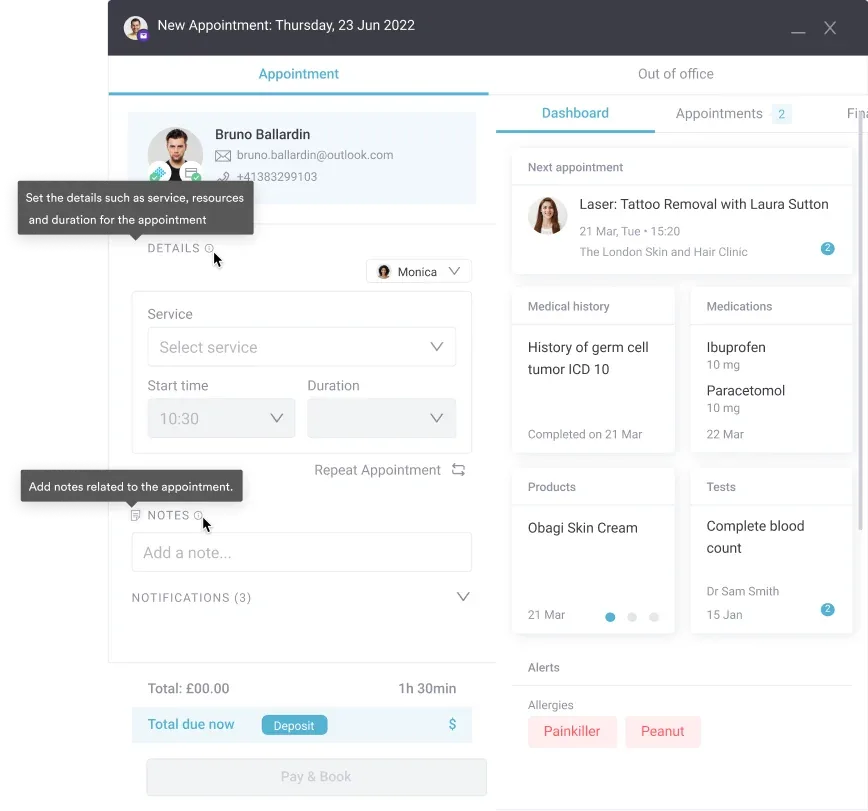
Mental health clinicians often manage multiple worksheets, forms, and assessment tools across a caseload. Pabau’s digital forms builder, part of a broader mental health EMR, lets you upload or customize the anxiety triggers worksheet for in-session completion or client-portal use, with every response saved automatically to the client record alongside clinical notes and treatment plans.
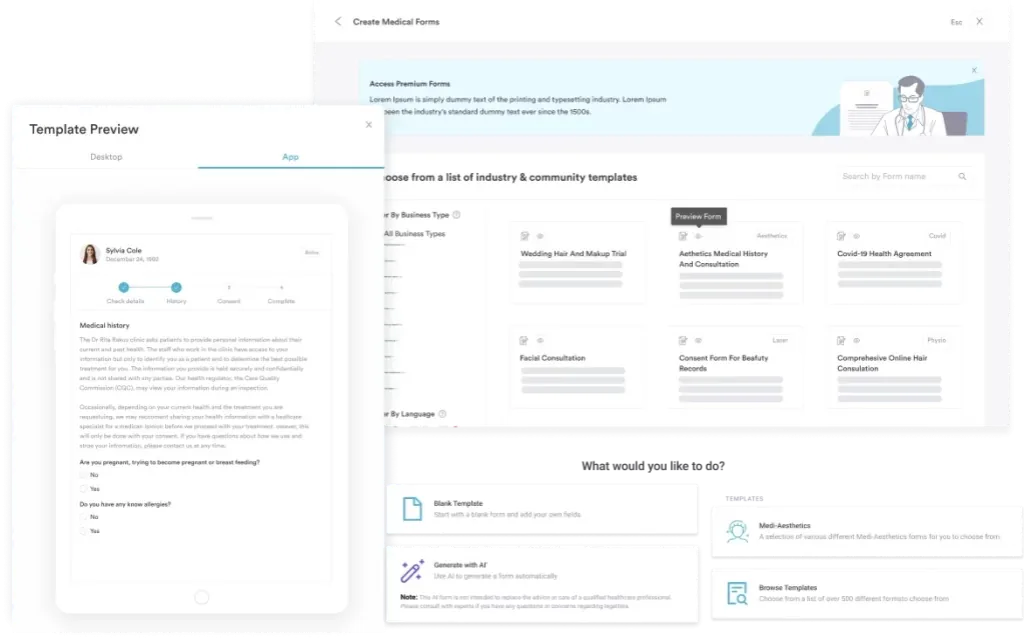

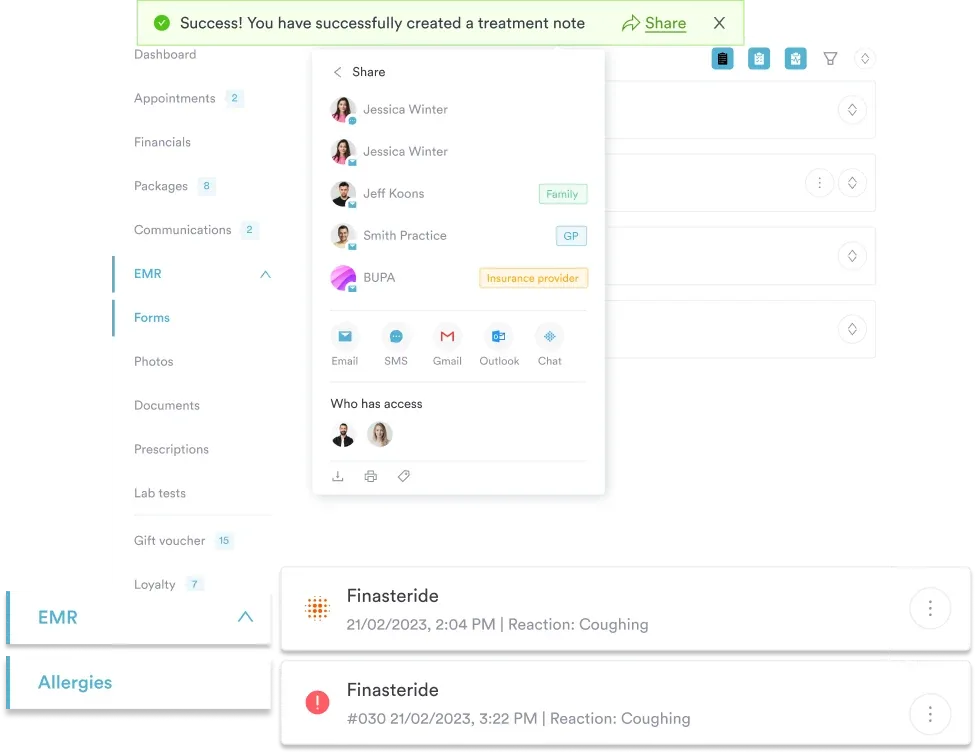
Discover how Pabau’s digital forms and client record integration simplifies anxiety assessment workflows.

The anxiety triggers worksheet turns anxiety management from reactive crisis response into structured pattern recognition. By identifying triggers, rating intensity, and planning coping responses, clients build concrete skills while clinicians gain the insight needed to tailor evidence-based interventions.
Whether used in individual therapy, group settings, or self-help contexts, it anchors anxiety treatment in observable, measurable progress. See how Pabau’s practice management tools can simplify how you deploy and track worksheets like this one.
Anxiety triggers are situations, thoughts, sensations, or environmental cues that provoke an anxiety response. They fall into two categories: internal triggers (thoughts, memories, physical sensations) and external triggers (people, places, situations, sounds). Identifying personal triggers is the first step in anxiety management.
Introduce the checklist early in treatment and complete it together in session, or assign it as homework to complete once before the next appointment. Review the ratings and the two reflection questions together to see which triggers rank highest and how the client is already coping. Use those insights to shape treatment planning; if you want to track symptoms over several weeks, pair this checklist with a separate ongoing log rather than repeating the PDF itself.
Yes. Trigger identification and monitoring are core components of evidence-based CBT protocols for anxiety disorders. The worksheet operationalizes the functional analysis phase of treatment, which is foundational to cognitive behavioral and exposure-based therapies.
Yes, with age-appropriate language and examples. Teens respond well to peer-relatable triggers like social rejection, academic pressure, or peer conflict. Parental or guardian involvement is recommended for younger adolescents (under 16) to ensure understanding and support between sessions.
The checklist is designed to be completed once, as a quick self-assessment snapshot: clients rate around 30 preset triggers on a 1-10 scale in a single sitting, typically in 10-15 minutes. It isn’t built for repeated, week-over-week entries. If ongoing tracking would help a particular client, pair it with a separate log or a repeatable digital form rather than reusing this PDF.
Some anxiety episodes feel sudden or “out of nowhere.” Guide the client to notice the 30 seconds before anxiety spiked: Was there a thought, a physical sensation, a change in the environment, or a time-based cue (deadline, appointment time)? Often a quieter, overlooked internal trigger is the culprit. Use Socratic questioning in session to build trigger awareness over time.