Emotional awareness worksheet
An emotional awareness worksheet is a structured psychoeducational tool that hel...

2
Last Updated: Oct 16, 2026

Step 3 of AA involves making a conscious decision to turn your will and life over to the care of a higher power—a pivotal moment in recovery.
The Step 3 worksheet provides guided reflection questions to explore readiness, surrender fears, and define personal understanding of a higher power.
Counselors and sponsors use this worksheet to structure conversations around control, willingness, and spiritual openness in the recovery journey.
Pabau’s digital forms feature lets therapists store completed Step 3 worksheet responses securely in client records for continuity of care.
A ready-to-use worksheet designed to guide individuals through AA Step 3 with structured reflection questions on higher power, areas of control, surrender, and the decision to turn one’s will over to spiritual care.
Download templateThis AA step 3 worksheet is a guideline for the third step of Alcoholics Anonymous — “Made a decision to turn our will and our lives over to the care of God as we understood Him.” Step 3 represents a fundamental shift from self-reliance to spiritual surrender. This free, downloadable worksheet helps both individuals in recovery and the counselors or sponsors guiding them explore readiness for this decision with structured reflection questions.
An AA step 3 worksheet is a structured therapeutic document used to facilitate Step 3 work in Alcoholics Anonymous and other 12-step recovery programs like Narcotics Anonymous (NA).
The worksheet provides guided reflection questions and writing prompts that help individuals explore the core themes of Step 3: understanding their personal concept of a higher power, identifying areas where self-will has caused problems, and making a conscious decision to surrender control. This worksheet transforms that abstract decision into concrete reflection and written commitment.
The worksheet follows a five-step process designed to deepen understanding and readiness:
The AA Step 3 worksheet is helpful for individuals at different stages of recovery, as well as for the professionals supporting them:
Digital forms sit at the center of practice management software, feeding records, billing, and follow-ups from one entry.
Using a written worksheet instead of verbal conversation alone offers several clinical and practical benefits:
For therapists and addiction counselors. Storing completed worksheets in a secure practice management system ensures that all team members understand the client’s step progress.
Step 3 is often misunderstood. Some individuals fear it means passivity or loss of agency. Others struggle with the language of “God” if they don’t follow a religious tradition.
SAMHSA, the Substance Abuse and Mental Health Services Administration, recognizes 12-step programs as evidence-supported peer recovery approaches. Step 3 is particularly important because it marks the shift from self-directed action (Steps 1-2) to acceptance of help and guidance (Step 3 onward).
The worksheet helps normalize this transition by acknowledging common struggles: fear of losing control, uncertainty about spirituality, and difficulty accepting help after years of relying only on oneself or harmful coping. By addressing these openly, the worksheet reduces the shame individuals often feel and reinforces that Step 3 is a gradual process, not an all-or-nothing moment. Clients who struggle with anger as part of that loss of control can work through an anger meter worksheet alongside this one.
In clinical settings, therapists, counselors, and treatment programs integrate the Step 3 worksheet into broader recovery plans. Best practices include:
Individuals who act on urges before pausing often benefit from pairing step work with a stop think act worksheet. Its stop-and-reflect structure reinforces the same pause that Step 3 asks for.
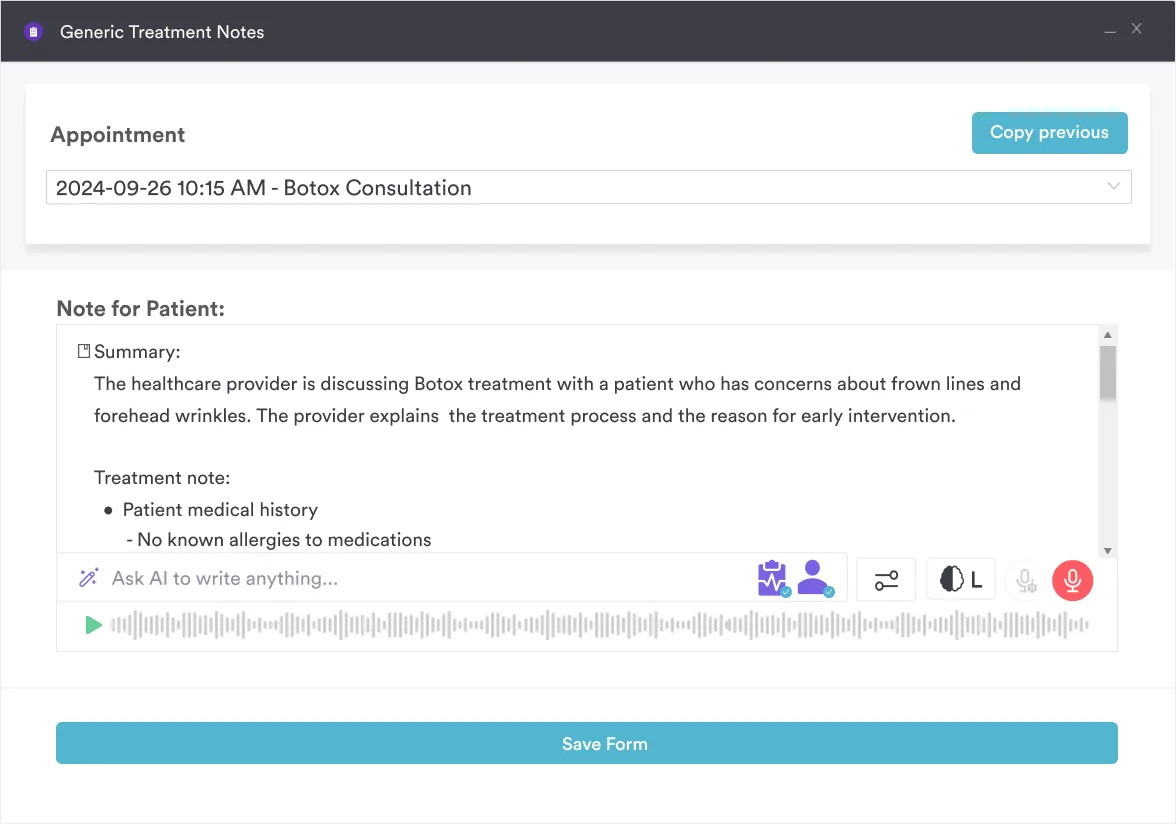
For counselors who want to streamline this workflow, Pabau’s AI medical scribe can assist in documenting session notes about step work.
Sponsors and counselors play a crucial role in helping individuals complete the worksheet meaningfully. Key strategies include:
Book a demo with Pabau to see how practice management software can help therapists and counselors securely store step worksheets and other clinical documents in organized client records.
The AA Step 3 worksheet guides individuals through making a conscious decision to turn their will and life over to a higher power. It provides structured reflection questions on understanding one’s higher power, identifying areas where self-will caused harm, and committing to spiritual surrender as part of the recovery journey.
Yes. Both Alcoholics Anonymous and Narcotics Anonymous use the same 12 steps and the same wording for Step 3. The AA Step 3 worksheet applies equally to both programs and to other 12-step groups.
Step 3 uses the phrase “God as we understood Him” specifically to allow for diverse beliefs. Your higher power can be the AA fellowship itself, a spiritual force, nature, or any concept greater than your own will. The worksheet reflects this inclusive language.
Yes. Addiction counselors, therapists, and treatment programs regularly use step worksheets as clinical tools. Completed worksheets can be stored securely in client records to track recovery progress and support treatment planning.
No. The Step 3 prayer (from page 63 of the Big Book) is a traditional recitation that some individuals use to formalize their Step 3 decision. The worksheet includes questions and reflection exercises that prepare for and deepen that commitment. The prayer may be part of the worksheet, but the worksheet is broader.