Hell’s Itch pain scale
The Hell’s Itch pain scale is a numeric rating system that quantifies the ...

4
Last Updated: Oct 5, 2026

AA Step 3 is the decision to turn your will and life over to a higher power-a central turning point in 12-step recovery.
Step 3 worksheets provide guided reflection questions and a written commitment space that help individuals work through surrender and explore their understanding of a higher power.
Common barriers to Step 3 include fear of losing control, ambiguity about what ‘higher power’ means, and spiritual resistance-all addressable with the right framework.
Clinicians using Pabau’s digital forms can attach the Step 3 worksheet to client records, supporting both independent recovery work and therapeutic follow-up in sessions.
A structured worksheet covering the Step 3 decision, reflection prompts for exploring surrender and higher power concepts, space for written commitment statements, and guidance for working with a sponsor or clinician.
Download templateStep 3 of Alcoholics Anonymous asks individuals to make a fundamental decision:
To turn their will and their lives over to the care of a higher power, however they understand it. This step marks a critical shift from self-reliance alone to trust in something greater-a move that many find both liberating and challenging.
AA Step 3 worksheets provide a structured way to work through this decision. They guide reflection on what surrender means, clarify personal concepts of a higher power, and create written space for commitment. Whether someone is working independently, with a sponsor, or in therapy, these worksheets anchor the Step 3 process in concrete questions and actionable reflection. A private practice seeing clients weekly needs the last note available before the next appointment starts. A private practice seeing clients weekly needs the last note available before the next appointment starts.
This guide covers the meaning of Step 3, how to use the worksheet with a sponsor, common barriers to this step, and how clinicians can integrate Step 3 work into their practice-supporting clients both in recovery and in the therapeutic relationship.
AA Step 3 worksheets are downloadable, printable tools designed to guide individuals through the third step of the 12-step recovery program. They combine the official Step 3 text with reflection questions, the Step 3 prayer, and writing space for personal commitment.
Step 3 itself reads: “Made a decision to turn our will and our lives over to the care of God as we understood Him.” The worksheet unpacks this decision into manageable parts-exploring what surrender means personally, clarifying the reader’s concept of a higher power, and documenting their commitment in writing.
The worksheet fits into the broader 12-step framework as a bridge between Step 2 (belief in a higher power’s ability to restore sanity) and Step 4 (making a searching and fearless moral inventory). Unlike generic self-help tools, Step 3 worksheets are grounded in AA’s specific language and philosophy, making them authentic resources for people in recovery.
The core of Step 3 is a paradox: strength through surrender. Individuals in early recovery often spend years trying to control their drinking, their relationships, their outcomes. Step 3 asks something different-to acknowledge that willpower alone has failed and to place trust in something larger.
Surrender in Step 3 does not mean passivity or defeat. It means shifting from fighting alone to accepting help, from rigid self-reliance to openness to guidance. The worksheet helps clarify this distinction through written reflection, turning an abstract concept into personal language.
Step 3 uses the phrase “God as we understood Him”-a deliberate opening that acknowledges many spiritual frameworks. For some, higher power means a traditional deity. For others, it is the group itself, the force of nature, or universal consciousness.
The worksheet invites individuals to define this concept in their own terms, without judgment. Questions might ask: “What does a higher power mean to you?” or “What evidence have you seen of guidance beyond yourself?” This personalization is crucial-Step 3 cannot be imposed externally; it must be claimed internally.
The Step 3 Prayer is the most commonly used formal expression of the Step 3 decision. Though prayer language may feel unfamiliar to some, it serves as a written, spoken commitment that anchors the decision:
“God, I offer myself to Thee-to build with me and to do with me as Thou wilt. Relieve me of the bondage of self, that I may better do Thy will. Take away my difficulties, that victory over them may bear witness to those I would help of Thy Power, Thy Love, and Thy Way of life. May I do Thy will always.”
Reading or reciting this prayer aloud-especially with a sponsor-often deepens the emotional and spiritual weight of the Step 3 decision.
The heart of any Step 3 worksheet is the reflection questions. These prompts guide individuals to examine their own beliefs, fears, and willingness. Typical worksheet sections include:
Each question creates space for honest self-examination without judgment.
Writing answers-not just thinking them-matters. The act of putting pen to paper (or fingers to keyboard) externalizes internal conflict and creates a record of the decision. Many people keep their completed worksheet as a reference during difficult moments, a reminder of the commitment they made.
AA sponsorship is a relationship between two people in recovery-typically someone with longer sobriety guiding someone earlier in the program. The sponsor’s role on Step 3 is not to impose their own beliefs but to help the sponsee clarify theirs.
A typical Step 3 sponsor meeting might follow this flow:
The sponsor is not a therapist, but sponsorship has profound therapeutic value-especially when the sponsee has also sought professional mental health support.
Step 3 resistance is normal, even expected. Understanding the sources of resistance helps both individuals and supporters address it:
Many people in early recovery have experienced chaos-blackouts, damaged relationships, financial consequences. Surrendering control can feel like inviting more chaos. The worksheet addresses this by asking, “What evidence is there that my own control has worked?” Often, the answer clarifies that surrender is actually a return to safety, not a loss of it.
The word “God” can trigger past religious trauma or simple agnosticism. Step 3 language deliberately opens this door (“God as we understood Him”), and the worksheet should explore the person’s own framework. Some define their higher power as the group, the natural world, or mathematical order-all valid approaches.
Unlike Step 1 (admitting powerlessness), Step 3 requires an active, ongoing choice. The worksheet normalizes questions like “Do I have to be 100% certain?” or “Can I change my understanding later?” The honest answer: yes.
Therapists, counselors, and addiction treatment staff supporting clients in AA often need tools to bridge clinical sessions and 12-step work. The Step 3 worksheet is one such tool.
Rather than asking abstract questions, the therapist and client review the worksheet answers together: “What did you write about your fear of losing control?” This concrete artifact makes the work tangible and trackable in the clinical record.
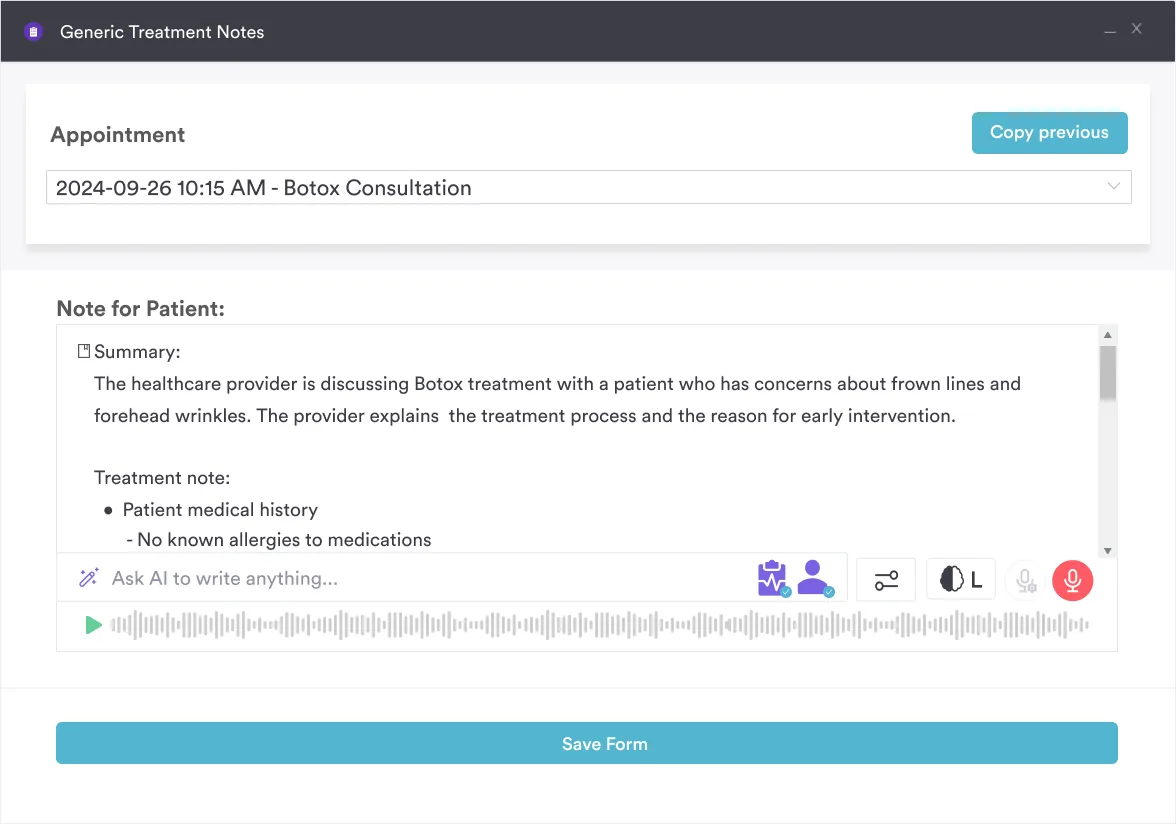
When a client returns to session after working Step 3 independently or with a sponsor, the therapist has context. This supports both clinical documentation standards and the therapeutic alliance, signaling that the clinician takes the client’s 12-step work seriously.
An essential clinician role: remain non-prescriptive about the spiritual content of Step 3. A therapist might say, “I notice you wrote that your higher power is the group. Tell me more about what that means to you”-exploration, not direction.
Step 3 is a decision; Step 4 is action. Once someone has made the commitment to turn their will and life over, Step 4 asks them to “Make a searching and fearless moral inventory of ourselves.”
The transition is natural: with a foundation of trust in a higher power (Step 3), the individual becomes willing to examine themselves honestly (Step 4) without shame.
Many people use a dedicated Step 4 worksheet, which builds on the Step 3 foundation. The willingness cultivated in Step 3 directly enables the moral honesty required in Step 4.
Whether you are working Step 3 independently, with a sponsor, or in therapy, having the right tools and support matters. Pabau’s clinical documentation features help therapists track your progress through all 12 steps, integrating your recovery work into your overall care.
AA Step 3 is where intention becomes commitment. The AA Step 3 worksheet transforms a powerful spiritual concept-surrender-into concrete reflection and written clarity. Whether you are working the steps with a sponsor, in therapy, or both, a structured worksheet creates the space to examine what surrender means personally and to document your decision in writing.
For clinicians, the Step 3 worksheet bridges the gap between 12-step work and clinical care. It gives therapists insight into spiritual readiness, provides documentation anchors, and signals respect for the client’s recovery choices.

Bringing this step work into a group setting? Group therapy informed consent covers what to include, from confidentiality limits to session rules and boundaries.
Supporting clients through recovery taking a toll on you? Therapist burnout signs and prevention covers the signs and causes of burnout, plus practical fixes for boundaries, self-care, and workload.
Screening for other personality patterns in clients? Antisocial personality disorder test is a structured screening tool that helps evaluate behavioral patterns and interpersonal functioning linked to ASPD.
AA Step 3 is the decision to turn your will and life over to the care of a higher power, however you understand it. It marks the shift from trying to control recovery alone to accepting spiritual or communal support.
Yes. Many people work Step 3 independently or with a therapist. A sponsor is the traditional AA path, but the worksheet works in any supportive relationship as long as there is honest reflection and a commitment to the decision.
Higher power is self-defined. It can be God, the group, nature, or any force beyond yourself. Step 3 language (“God as we understood Him”) deliberately leaves room for personal interpretation.
Step 3 is a one-time decision, but it is also a daily practice. Some people complete a Step 3 worksheet in a week; others take months. The depth of reflection matters more than speed.
Yes. Therapists can review and discuss the worksheet with clients, attach it to the clinical record, and use it to support 12-step work. Clinicians should remain neutral about the spiritual content and focus on the client’s willingness and readiness.
Step 4 is the moral inventory. Once you have decided to trust a higher power (Step 3), you are ready to examine yourself honestly (Step 4) without shame or judgment.