Emotional awareness worksheet
An emotional awareness worksheet is a structured psychoeducational tool that hel...

5
Last Updated: Oct 16, 2026

Step 6 is about becoming entirely ready to let go of character defects identified in Step 4’s moral inventory
Character defects include dishonesty, resentment, fear, and selfishness that undermine long-term sobriety
The AA Step 6 worksheet provides structured questions for reflection and sponsor-guided discussion
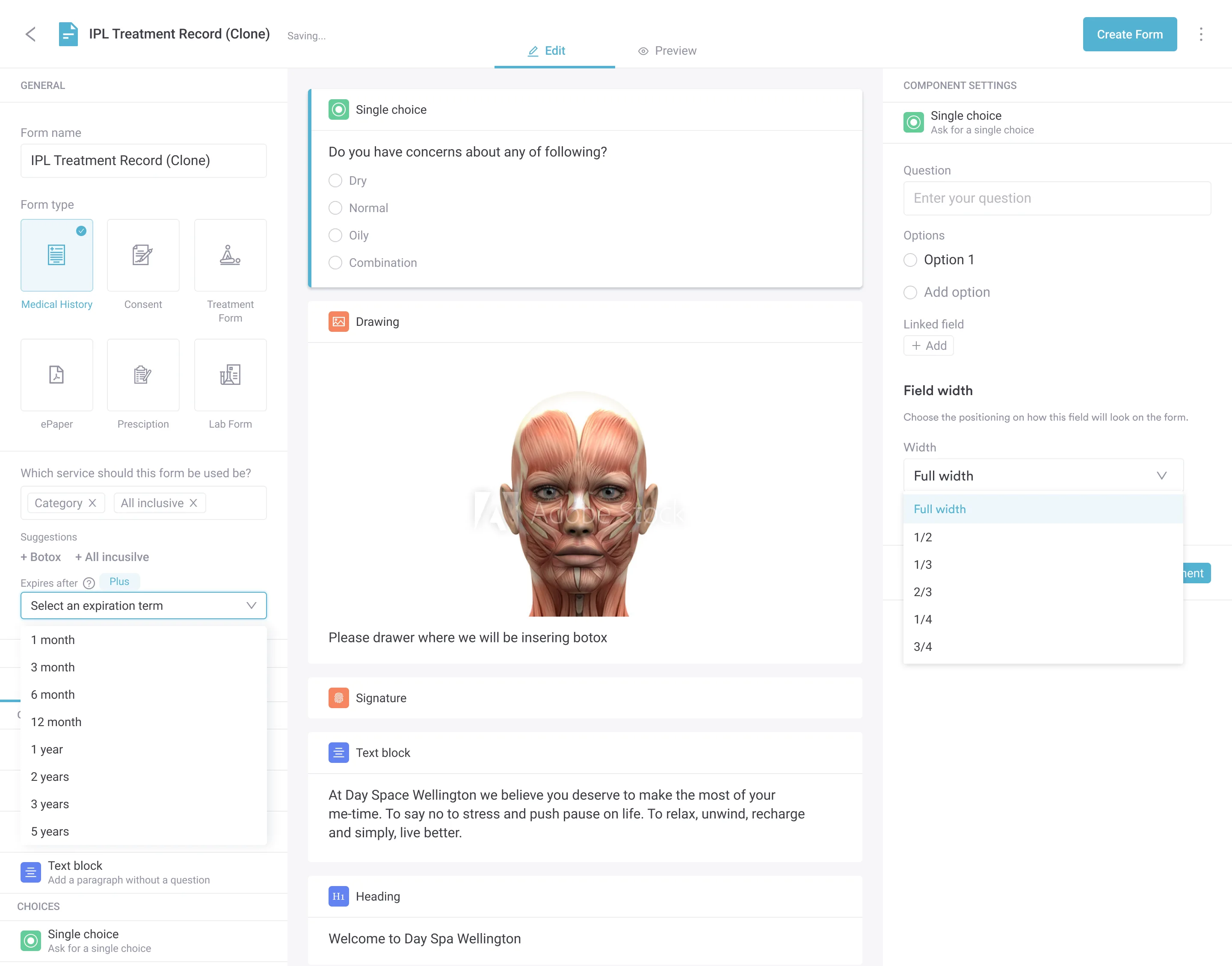
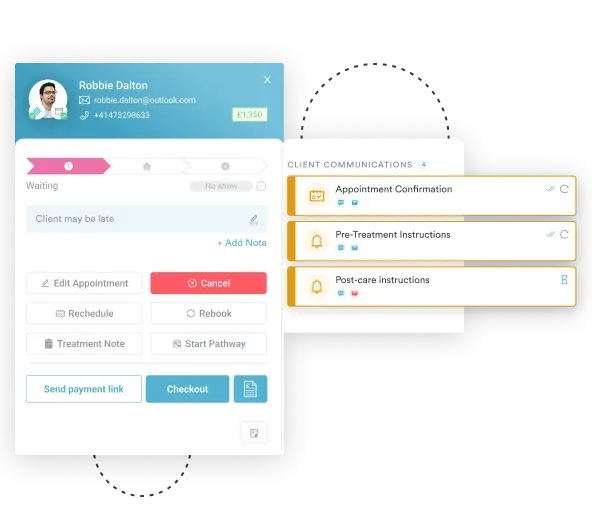
Practice management software like Pabau lets therapists document recovery work with digital forms, so completed worksheets sit in the client record
A structured therapeutic worksheet for Step 6 of Alcoholics Anonymous, covering character defect identification, willingness assessment, and readiness reflection with space for clinical notes.
Download templateThe AA Step 6 worksheet is a clinically aligned tool that helps individuals in Alcoholics Anonymous programs move through one of the hardest steps in recovery. Step 6 reads: “Were entirely ready to have God remove all these defects of character.” It marks the shift from the intellectual acknowledgment of Steps 1 to 5 to the spiritual and emotional readiness of Steps 6 to 12.
The worksheet supports that shift with structured reflection questions, character defect inventories, and space for sponsor-guided exploration.
This worksheet supports both individual self-reflection and clinical documentation of the step work. Addiction counselors, therapists, and clinical supervisors use it to track client progress through character defect identification and willingness building.
For individuals working with a sponsor in AA, the same worksheet becomes a shared conversation tool that deepens recovery.
Step 6 follows Step 5 in the Twelve Steps. After completing Step 5 (admitting the exact nature of wrongs to God, oneself, and another person), individuals move into spiritual willingness work.
The step itself is short: “Were entirely ready to have God remove all these defects of character.” The word “entirely” is key: it points to genuine readiness and willingness to surrender the character patterns that have driven addictive behavior, rather than to perfection or success.
According to AA.org’s official Step 6 guidance, this step differs from Step 7, which asks for the removal of defects. Step 6 is preparatory. It is the inner work of becoming willing. Many individuals struggle here because willingness requires vulnerability and trust in a power greater than themselves.
Structured tools like the Step 6 worksheet provide a framework for honest self-examination.
The worksheet opens with a guided reflection section asking individuals to list the character defects they identified during Step 4 (the moral inventory). Rather than starting a new list, Step 6 builds directly on that prior work, creating continuity across recovery steps.
The defects section includes space to note how each defect has manifested in relationships, work, or self-care, grounding abstract patterns in lived experience.
Next, the worksheet presents readiness assessment questions that explore spiritual willingness and emotional barriers. Sample prompts include: “Are you willing to let go of this defect?”, “What would change if this defect was removed?”, and “What fears arise when you imagine being without this character pattern?”
These are open-ended invitations for journaling and sponsor conversation.
The third section maps character defects to their opposites, a technique drawn from AA’s own Twelve Steps and Twelve Traditions. If dishonesty is the defect, for example, honesty is the opposite asset. This reframing mirrors cognitive tools like the ABCDE CBT worksheet.
Naming the positive quality helps individuals visualize what character growth looks like. This paired approach works well in clinical settings where therapists document client progress across recovery milestones.
Practices using software for managing patients retrieve past forms in seconds during consultations.
Addiction counselors and licensed therapists integrate Step 6 worksheets into individual therapy and group counseling sessions. The worksheet becomes a clinical artifact that documents recovery work, supports treatment planning, and tracks readiness indicators across sessions.
In mental health practices managing addiction treatment, the worksheet data informs case notes and progress summaries required for compliance and insurance documentation.
Before group work, practices typically collect group therapy informed consent, and many begin with a co-occurring screen such as the AC-OK screen to flag overlapping mental health and substance concerns.
Individuals working the steps independently or with a sponsor use the worksheet during sponsor meetings, at home, or in recovery group settings. Having a defined set of questions to explore removes the pressure of “doing it right” and builds confidence through structured guidance.
Common character defects identified in Step 6 include dishonesty, resentment, fear, selfishness, pride, anger, and jealousy. These are behavioral and relational patterns recognized across AA and other twelve-step fellowships such as NA and OA, not psychiatric diagnoses. Related tools like the 12-step codependency worksheet address the overlapping relational patterns these fellowships describe.
For clinicians.
In documentation, that work often sits alongside a formal diagnosis such as alcohol use disorder (ICD-10 F10).
Step 6 worksheets usually pair each defect with the asset that replaces it, since naming the opposite virtue gives the individual something concrete to move toward. Common pairings include:
The worksheet typically provides a starter list of 20-40 potential defects and acknowledges that individuals often recognize defects not on any checklist. Step 4 work usually surfaces these patterns; Step 6 asks individuals to rank them by severity and impact on sobriety.
Naming defects can stir shame, so some clinicians pair the exercise with a brief measure such as the state self-esteem scale. It records how someone feels about themselves in that moment, giving a reference point to revisit later in treatment.
Step 6 and Step 7 are often paired in recovery workbooks and clinical treatment plans. Step 6 builds readiness (“Were entirely ready”); Step 7 requests action (“Humbly asked Him to remove our shortcomings”).
Some addiction programs combine both steps in a single session or worksheet, moving individuals from readiness reflection into a formal request or prayer. Understanding this pairing helps clinicians anticipate the full scope of step work and coordinate care across therapy team members.
Pabau publishes worksheets across the sequence.
A few practices make Step 6 work more effective:
For therapists, digital practice management tools streamline step tracking and client progress documentation. Storing worksheets in a client portal or automated workflow system, rather than paper files, ensures consistent follow-up and accessible records at future appointments.
In outpatient addiction treatment. Individuals may be working the steps in their AA home group, in individual therapy, in a treatment program, or across all three at once.
Readiness work feeds into longer-term planning tools such as a change plan worksheet.
Clinicians benefit from a unified approach to documentation.
The worksheet also connects clinical and peer-support contexts. A therapist might review it with a client, help them deepen their responses, and then encourage them to bring the completed work to their sponsor or recovery group, strengthening both clinical care and peer-support networks.
Many recovery organizations provide free step worksheets as PDFs or printables from AA-aligned sources. The Pabau Step 6 worksheet follows that tradition: it is free, clinically grounded, and built for both individual and professional use.
Some commercial recovery apps charge per step or per feature; this worksheet is available at no cost, supporting broad access to structured recovery tools.
The advantage of a template-based approach is consistency and portability. Clinicians can give the same worksheet to every client and keep documentation consistent, while individuals can print it, save it, or complete it digitally.
For practices managing client data securely. This supports better clinical decisions and long-term care continuity.
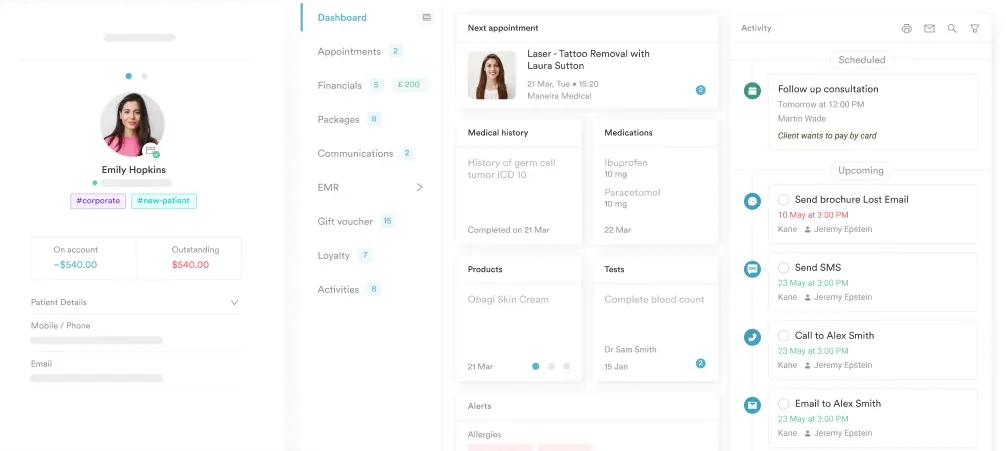
If you run a therapy practice, an addiction treatment program, or a mental health service, step worksheets are one part of a larger clinical system. Book a demo to see how Pabau’s practice management software helps clinicians track recovery milestones, store client documents securely, and integrate peer-support work with clinical care.
The AA Step 6 worksheet is a structured therapeutic tool that guides individuals through becoming entirely ready to have character defects removed, as stated in Step 6 of Alcoholics Anonymous. It includes reflection questions, character defect inventories, and readiness assessment prompts.
Character defects are behavioral and relational patterns such as dishonesty, resentment, fear, selfishness, and pride that have driven addictive behavior and relationship struggles. They are identified during Step 4 (the moral inventory) and addressed in Step 6 (readiness) and Step 7 (the removal request).
Step 6 focuses on becoming entirely ready. Step 7 is the action step, where individuals humbly ask for their character defects to be removed. Step 6 is the inner preparation, and Step 7 is the spiritual request.
Yes. Addiction counselors and therapists integrate the worksheet into clinical practice to document client progress through recovery steps, support treatment planning, and track readiness indicators in session notes and SAMHSA treatment protocols.
Yes. This worksheet is provided free to individuals, sponsors, therapists, and treatment programs as a resource aligned with Alcoholics Anonymous traditions and recovery best practices.