Trauma response test: Free template for clinicians
A trauma response test is a structured screening questionnaire that helps clinic...

3
Last Updated: Oct 15, 2026

Step 7 asks members to humbly request their Higher Power remove shortcomings and character defects.
Humility is the foundation of Step 7, and it is separate from shame or self-deprecation.
The AA Step 7 worksheet guides individuals through reflective questions on flaws, acceptance, and readiness for change.
Clinicians can integrate Step 7 worksheets into treatment plans to support both peer recovery and mental health care.
The free printable gives clinicians a dated record of step work to file alongside therapy notes.
Inside you get ten guided reflective questions, a checklist of common character defects, and space to write your own Step 7 prayer. Print it for yourself, or hand it to a client before their next session.
Download templateStep 7 of Alcoholics Anonymous asks members to humbly ask their Higher Power to remove their shortcomings. It builds on the self-awareness work of Steps 4 through 6, moving from naming a defect to letting it go.
The AA Step 7 worksheet gives that work a shape. It carries guided questions on humility, a checklist of common character defects, and space to draft your own prayer. If you have already worked the Step 6 worksheet, this is where willingness turns into a request.

For therapists, counselors, and treatment providers, the worksheet does a second job. It gives a client’s peer-recovery work a dated record that can sit in the clinical file. That turns a sponsor-led exercise into something a treatment plan can reference.
Step 7 is where reflection becomes a request. The step reads, “Humbly asked Him to remove our shortcomings,” in the twelve steps published by Alcoholics Anonymous.
It follows three steps of preparation. Members take a written inventory in Step 4, admit their wrongs in Step 5, and become ready for change in Step 6. Step 7 is the moment they stop preparing and ask.
Nobody finishes Step 7 flawless. What the step asks for is willingness, humility, and the recognition that change takes both personal effort and spiritual help.
Humility in recovery is honest self-assessment without judgment. You can name a flaw and still hold onto your dignity. Shame does the opposite, and it stalls the step rather than completing it.
Clinicians working with clients through this step can watch for the slide into self-punishment. A client cataloguing their faults with visible distress needs a therapeutic response, not encouragement to press on.
A practice running a mental health EMR can flag that pattern in the client note. It then surfaces at the next session instead of being forgotten.
Every person’s list is their own. A handful of defects show up again and again in recovery literature and in the therapy room. A separate character defects worksheet goes deeper on each one.
Two of these usually deserve their own exercise. Grudges rarely dissolve on their own. For anger that keeps escalating.
Running this form inside a GP practice system keeps clinical documentation in one place.
The worksheet is built for individuals in recovery, usually with a sponsor or therapist alongside them. Five steps get you through it.
A therapist who can see where a client sits in the steps reads their symptom changes differently.
Ten questions sit at the center of the sheet. They are written to slow you down and push past the first answer that comes to mind.
The questions ask for honesty, self-compassion, and a forward look. That combination is what makes behavioral change hold once the step is finished.
The traditional Step 7 prayer appears in AA literature and is often read at the close of the step. Wording varies between groups. One common version reads as follows.
The prayer opens, “My Creator, I am now willing that you should have all of me, good and bad.” It then asks for the removal of “every single defect of character which stands in the way of my usefulness to you and my fellows.”
It ends, “Grant me strength, as I go out from here, to do your bidding. Amen.” The emphasis throughout is willingness, surrender, and service to other people.
Higher Power means something different to every member, and the step leaves room for that. Some read the prayer aloud with a sponsor, and others write a version in their own language.
Clinicians can acknowledge what the prayer does for a client without taking a position on the belief behind it. For an agnostic or secular client, the same request works addressed to the group, to their future self, or to nobody at all.
A sponsor is a more experienced member who guides someone through the steps. For Step 7, that relationship usually covers five things.
That relationship looks a lot like a therapeutic alliance. Clinicians who understand the sponsor’s role can coordinate around it, so treatment and peer recovery pull in the same direction. Recording both in one therapy practice management system stops a clinician duplicating work the sponsor already did.
A therapist can do more with the worksheet than hand it over. Six moves turn it into part of the treatment.
One line in the client note is usually enough. “Completed Step 7 worksheet, naming resentment and pride as primary defects” dates the work and records the outcome.
Filing the finished worksheet as a documented intervention is what connects the two systems of care. It also gives you something concrete to point at when a treatment plan comes up for review.
Finishing Step 7 marks a shift from inward work to relational work. Step 8 reads, “Made a list of all persons we had harmed, and became willing to make amends to them all.”
Clients who have genuinely examined their defects are better placed to take responsibility for the harm those defects caused. The Step 8 worksheet picks up from there.
For a clinician, that transition is worth noting in the record. It marks accountability and readiness, and it usually predicts how the next few sessions will go.
Most practices treat step work as something that happens elsewhere. The client mentions it in session, the therapist notes it in passing, and the sheet itself stays in a folder at home.
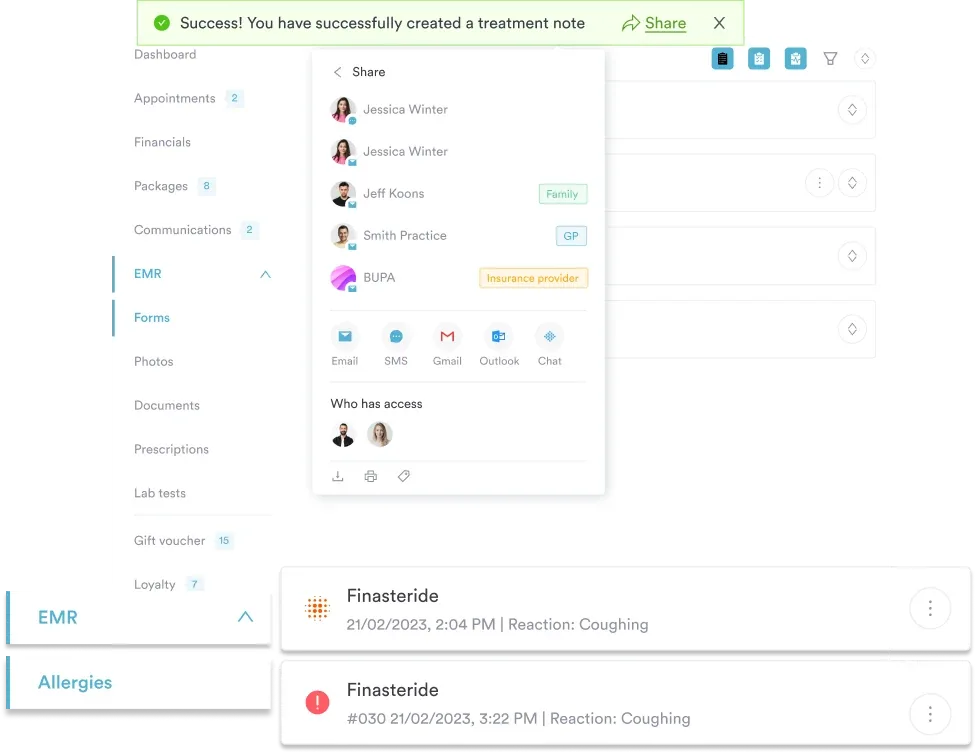
Practice management software like Pabau brings that work into the same file as everything else. You can send the worksheet as a digital form before a session, so the client’s answers land in their record instead of on paper. Treatment notes, forms, and progress against the care plan then sit in one place.
That matters most when somebody else picks up the case. A covering clinician can see that a client finished Step 7 six weeks ago and what came out of it. Nobody has to ask the client to repeat work they have already done.
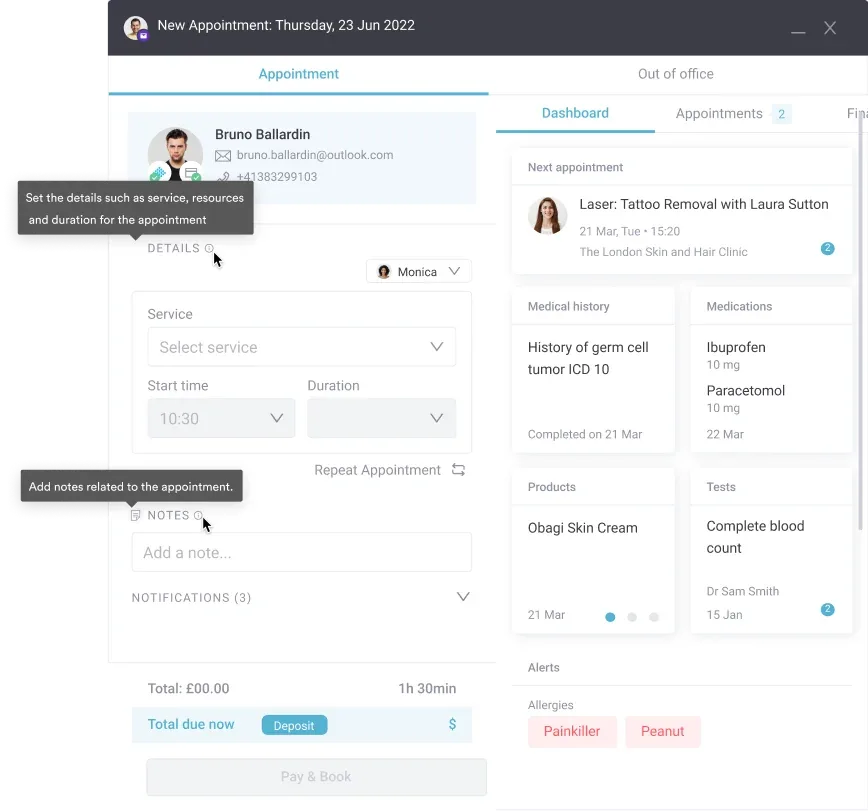

Send the worksheet as a digital form, and the client’s answers file straight into their record. Your treatment notes and their step work then stay in one place.

Step 7 is short to read and slow to work. The worksheet removes nothing on its own. A client who fills it in during ten distracted minutes gets ten minutes of value.
The trade-off worth remembering is time against depth. Give the questions an hour and a sponsor’s attention, and the answers change. That is the difference between a finished sheet and a finished step.
If you support clients through the steps professionally, decide now where the completed sheet lives. A worksheet filed in the client record can be referenced at review, handed to a colleague, and picked up again at Step 8. Book a demo to see how Pabau keeps step work and clinical notes in one client file.

Tracking emotions between sessions? DBT diary card gives clients a daily record of urges, emotions, and the skills they used.
Need to measure anger objectively? Clinical anger scale scores one of the defects that comes up most often in Step 7.
Working on the inner critic? Negative self-talk worksheet helps a client separate honest self-assessment from shame.
Rebuilding after the inventory? Self-esteem worksheet for adults supports clients whose step work has left them raw.
Clarifying what the change is for? Life values inventory maps the values a client wants their new behavior to serve.
Step 7 asks you to humbly request your Higher Power remove your character defects and shortcomings. It is an action step that follows the self-awareness work of Steps 4 through 6.
Yes. This page carries a free, downloadable AA Step 7 worksheet with guided reflective questions, a list of common character defects, and prayer templates. Print it and work through it at your own pace, alone or with a sponsor.
Typical questions explore which shortcomings affect you most, how they harm other people, and specific examples from your life. Others ask about your readiness to change and how you define humility. The sheet here includes ten core prompts.
There is no fixed timeline. Most people spend one to four weeks on Step 7, depending on how deeply they reflect and whether a sponsor is involved. Some finish in days and others take months. Depth of insight matters more than speed.
AA tradition recommends working the steps with a sponsor, but you can complete the worksheet alone. A sponsor adds accountability, perspective, and shared experience that usually deepens the work and prevents self-deception.
Yes. Mental health professionals can build the AA Step 7 worksheet into treatment plans for clients engaged in 12-step recovery. It works as a documented clinical intervention that supports peer recovery and mental health care together.
Step 6 asks whether you are entirely ready to have your defects of character removed, which is a question of willingness. Step 7 is the action, humbly asking for their removal.
Step 8 focuses on making amends to the people you have harmed. It marks a shift from internal character work to relational healing and accountability. Finishing Step 7 prepares you for that outward-facing step.