GLP-1 diet plan
A GLP-1 diet plan is a structured eating framework for patients taking semagluti...

2
Last Updated: Oct 13, 2026

The 30/30/40 (or 40/30/30) diet is a macronutrient-based eating plan with 30% protein, 30% fat, and 40% carbohydrates daily.
This ratio stabilizes energy, supports muscle retention, and helps regulate blood sugar – making it popular for weight management and metabolic health.
The plan requires calculating your daily calorie needs, then converting those calories into grams of each macro for meal planning and portion control.
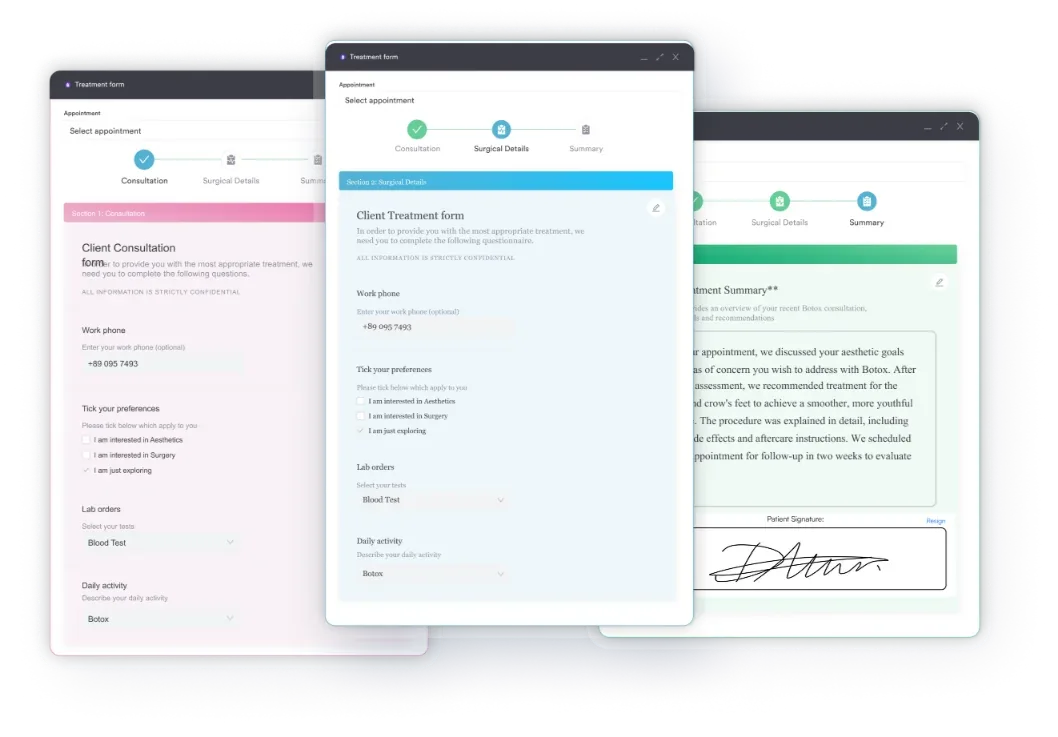
Pabau, practice management software for medical practices, helps practitioners deliver customized macro plans at scale using digital intake forms and automated patient follow-up workflows.
30/30/40 diet plan
A ready-to-use nutrition template covering macronutrient ratios, daily calorie targets, a 7-day meal plan, and a food list – designed for practitioners to share with patients seeking balanced macro-based nutrition.
Download templateThe 30 30 40 diet plan is a structured approach to daily nutrition where 30% of calories come from protein, 30% from dietary fat, and 40% from carbohydrates. Also written as the 40/30/30 diet (carbs/protein/fat), this macronutrient framework originated in Barry Sears’ Zone Diet research and has since become a practical tool for practitioners guiding patients toward sustainable weight management and stable energy.
Unlike restrictive diets, this balanced macro approach allows flexibility in food choices while maintaining consistent metabolic support. Practitioners in weight loss practices, functional medicine, metabolic health, and wellness settings use this framework because it emphasizes nutrition science over food elimination.
The 30 30 40 diet plan (also called the 40/30/30 macronutrient ratio when listed in carbohydrate-first order) divides daily caloric intake into three macronutrient categories. Specifically, the name refers to the percentage of total calories from each: 30% protein, 30% fat, and 40% carbohydrates.
This balanced macro split is well-suited to supporting metabolic health and stable blood sugar control. Practitioners favor the 30/30/40 plan because it avoids the extremes of low-carb or low-fat diets while providing measurable targets for patient accountability.
Individual macro targets depend on total daily calorie needs. To calculate this accurately, follow three steps: determine your baseline metabolic rate, account for activity level, and convert the macro percentages into grams.
In practice.
Success with the 30 30 40 diet plan depends on knowing which foods fit each macro category. Practitioners can share this food list with patients and support patient engagement through the client portal.
Ultra-processed foods, refined carbohydrates, trans fats, and sugary drinks disrupt the macro balance, so limit white bread, sugary cereals, fried foods, soda, candy, pastries, and other highly processed snacks. Some patients arrive asking about eating for their blood type; a blood type diet chart lists what each type is told to eat and avoid.
A sample week demonstrates how to structure meals to hit the 30/30/40 targets consistently. Individual preferences and cultural foods can be substituted while maintaining the macro ratio, so use this template as a starting point, or our 30-day meal plan for a longer format.
The balanced 30/30/40 macro ratio offers several evidence-informed benefits for personalized treatment plans in weight loss and metabolic health settings, and is well-suited to clinical contexts where measurable outcomes matter.
While effective, the 30/30/40 diet has limitations. Tracking macros requires attention and math skills, which may overwhelm some patients, and individual variation in response to the ratio is significant — not all bodies respond identically to the same macro split. The ratio also assumes the goal is loss or maintenance; a patient rebuilding weight after illness needs a weight gain meal plan instead.
Medical conditions such as kidney disease, diabetes, or a history of eating disorders may require clinical modification. Practitioners should screen for contraindications and encourage patient compliance through education, not pressure.
Practitioners delivering nutrition plans at scale benefit from weight loss clinic software that automates intake, distributes templates, and tracks patient progress. Pabau supports this workflow through:
This reduces administrative burden and keeps patients engaged between consultations.
Consistency is the difference between success and abandonment. Simple meal prep strategies help patients sustain the 30 30 40 diet plan week after week.
Practitioners can share these tips via patient engagement strategies, including email reminders and in-app messages through Pabau’s platform.
The 30/30/40 diet plan suits healthy adults seeking weight management and metabolic balance, but certain conditions call for clinical oversight first. Patients should consult a registered dietitian or physician before starting if they have:
Practitioners in functional medicine and wellness settings should screen for these conditions before recommending macro-based nutrition plans. A quick physical exam as part of initial screening can help confirm a patient is a good candidate before macros are assigned. For patients tracking glycemic control, an A1C conversion chart turns a lab result into estimated average glucose, which makes the carbohydrate target easier to explain.

Explore how digital intake forms, automated workflows, and secure client portals simplify nutrition plan delivery and patient compliance tracking.


Want to celebrate patient progress without food? weight loss reward chart pairs every 5 or 10 pounds lost with a non-food reward and its typical cost.
Need to track a patient’s BMI too? women’s BMI chart template records a patient’s height, weight, and BMI at each visit for consistent tracking.
Curious how common GLP-1 use has become? GLP-1 usage statistics rounds up 65 sourced numbers on usage, results, cost, and coverage.
The 30 30 40 diet plan is an evidence-informed, flexible approach to nutrition that practitioners can confidently recommend to patients seeking balanced weight management without food restriction. Ultimately, success depends on three elements: accurate macro calculation matched to individual needs, access to a practical meal plan and food list, and consistent follow-up to track compliance and adjust as needed.
Pabau streamlines this entire process — from intake assessment through ongoing accountability — so practitioners spend less time on admin and more time on patient outcomes. Book a demo today to see how the platform can support your nutrition-based care model.
The 30 30 40 diet plan is a macronutrient-based eating framework where 30% of daily calories come from protein, 30% from fat, and 40% from carbohydrates. It originated from Barry Sears’ Zone Diet research and provides practitioners with a structured tool to guide patients toward balanced, sustainable nutrition while supporting weight management and stable energy.
Calculate your daily calorie needs (body weight × 10 × activity factor), then multiply by each percentage: protein 30%, fat 30%, carbs 40%. Convert calories to grams by dividing by 4 (protein and carbs) or 9 (fat). Example: at 2,000 calories, targets are 150g protein, 67g fat, and 200g carbs daily.
Focus on lean proteins (chicken, fish, eggs, yogurt, legumes), healthy fats (olive oil, avocados, nuts, fatty fish), and complex carbohydrates (whole grains, sweet potatoes, fruits, vegetables). Limit ultra-processed foods, refined carbs, trans fats, and sugary drinks.
Yes, the balanced macro ratio supports weight loss by preserving muscle, maintaining stable blood sugar, and improving satiety. Success depends on maintaining a calorie deficit while hitting macro targets consistently – the framework itself creates structure, but calorie balance drives the outcome.
The names refer to the same diet with different notation orders. 30/30/40 lists protein-fat-carbohydrates first; 40/30/30 lists carbohydrates-protein-fat first. Both mean 40% carbs, 30% protein, 30% fat daily.
Consult a healthcare professional before starting if you have type 1 or type 2 diabetes, kidney disease, active eating disorders, pregnancy, or are breastfeeding. The plan may require modification based on medical conditions and medication interactions.