CPT Code 62284: Injection procedure for myelography
CPT Code 62284: official descriptor and procedure overview The American Medical ...

Last Updated: Oct 19, 2026
C1813 is the HCPCS Level II code for prosthesis, penile, inflatable.
Two questions decide whether a payer pays a C1813 line. The first is which claim form the facility bills on. The second is whether CMS treats the device as separately payable in the current cycle.
Let Pabau's smart automation suggest the right codes, reduce claim denials, and keep your practice compliant—effortlessly.
Automate repetitive tasks and focus on what matters most—your patients.
Reduce coding errors and ensure compliance with the latest regulations.
Clean claims, fewer denials, and faster reimbursements.
Powerful insights and reporting to help your practice thrive.
HIPAA compliant SOC 2 certified GDPR-compliant Trusted by 4,000+ clinics worldwide

HCPCS Code C1813 is a temporary CMS device code for an inflatable penile prosthesis, valid in ASC and hospital outpatient billing for 2026.
Report C1813 with a companion CPT procedure code, usually 54405 or 54410, on the same facility claim.
Missing modifiers, the wrong claim form, and an absent implant log are the three denial triggers billing teams hit most often.
Practice management software with built-in claims management submits C1813 claims electronically and tracks each one through to payment.
HCPCS Code C1813 is the official descriptor for a prosthesis, penile, inflatable. The Centers for Medicare and Medicaid Services (CMS) assigns it as a temporary C-code for outpatient facility billing.
C-codes belong to hospital outpatient departments (HOPDs) and ambulatory surgical centers (ASCs), and physician office claims never report them. Other temporary C-codes, such as C1821 and C1821 and C1764, work the same way.
C1813 captures the cost of the device itself, separately from the surgery that implants it. CMS wants the device code on the same claim as the companion CPT procedure code. That pairing is how the Outpatient Prospective Payment System (OPPS) tracks and pays device cost.
Billers never report C1813 alone. It always sits next to a companion CPT code that describes the implantation surgery. The CPT code covers the procedure. The device code covers the prosthesis. Both appear on the same outpatient facility claim, and descriptors change every year, so check the current AMA CPT codebook before you submit.
CPT 54405 is the usual partner for a new multi-component inflatable prosthesis. CPT 54410 covers replacement of an existing device, and C1813 still applies because a new prosthesis goes in. Some commercial insurers pay replacement procedures under a different methodology, so read the contract before you price the case.
Medical necessity for an inflatable penile prosthesis rests on the ICD-10-CM diagnosis code. Local Coverage Determinations (LCDs) set out which diagnoses support coverage, and erectile dysfunction codes in the N52 category are the most common. Confirm the LCD for your Medicare Administrative Contractor (MAC) jurisdiction before finalizing the claim.
Modifier selection is a frequent source of device-code denials. CMS and commercial payers use modifiers to show the circumstances behind a C1813 line. The table below reflects standard OPPS and ASC practice, so confirm payer-specific rules before submission.
The -KX modifier is the most operationally important of the three. It tells the payer that the medical record meets and documents every LCD criterion. Leaving it off a C1813 claim where an LCD applies is a primary denial trigger. Ask your MAC whether any additional claim-level modifiers apply for 2026.
Medicare pays C1813 under OPPS in hospital outpatient departments and under the ASC payment system in surgical centers. CMS updates rates annually through the OPPS final rule. For the definitive 2026 figure, check the current OPPS Addendum B in CMS’s hospital outpatient payment rules. CMS wage-adjusts amounts by locality and revises them every year.
One question shapes 2026 billing more than any other. If OPPS packages C1813 rather than paying for it separately, reporting it generates no incremental payment. Check the current OPPS Addendum B each year, because device payment status for inflatable prostheses has shifted before. The CMS HCPCS overview sets out the official framework for C-code payment rules.
The setting of service decides how billers process C1813 on the claim. HOPDs and ASCs handle C-code reporting differently, and submitting the code in the wrong setting context is a reliable path to denial.
The AAPC HCPCS code lookup is a useful cross-reference when you are confirming C1813’s current attributes and applicable settings before submission.
Check CMS OPPS Addendum P annually. That addendum lists the device-intensive procedures and confirms whether C1813 carries a device offset for the current year. Skipping it is the fastest way to leave device reimbursement on the table.
Device-intensive procedures attract heightened audit scrutiny, because the stakes per claim are high. Auditors reviewing C1813 claims look for a consistent documentation package, and a missing element routinely triggers a post-payment review or a recoupment demand. Practice management software like Pabau captures the same detail as structured fields. That is why digital intake forms beat a scanned paper packet. Patients who claim reimbursement themselves need an itemized receipt, which is what a superbill template sets out.
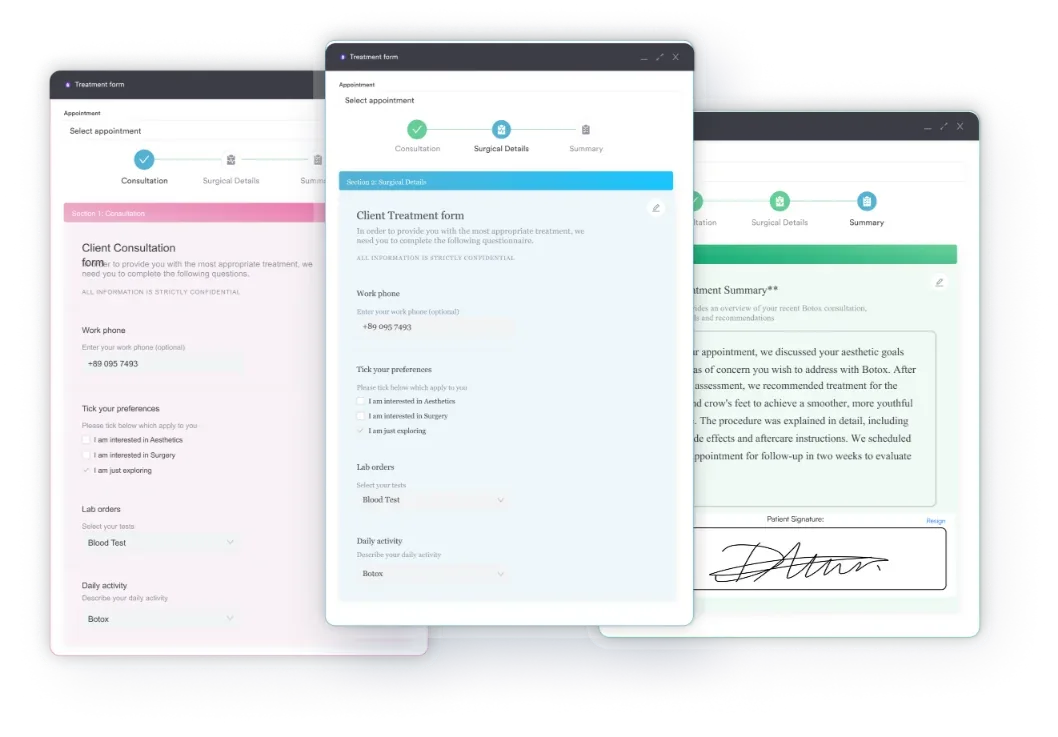
The operative report and the implant log together hold sensitive protected health information (PHI), so they belong somewhere that controls and logs access. Structured templates in a client record system also stop staff from skipping required fields, which is the quiet cause of most incomplete implant records.
C1813 claims fail for predictable reasons. The patterns below cause most denials and recoupments across HOPD and ASC settings. Every one of them is catchable in a clean claim review before submission.
Repeated C1813 errors also attract payer audit attention. Two practices draw OIG attention in device-intensive billing. One is upcoding a higher-cost device than the one implanted. The other is unbundling the component parts of the prosthesis system. Claim scrubbing before submission is the practical control. Wider medical billing compliance and denial management routines keep the pattern from repeating.
Reference tools like AAPC Codify and the CMS lookup pages confirm what a code means. They never touch the claim you actually send. Pabau closes that distance, because claims management sits in the same system as the clinical record, and claims go out electronically through our Claim.MD integration.
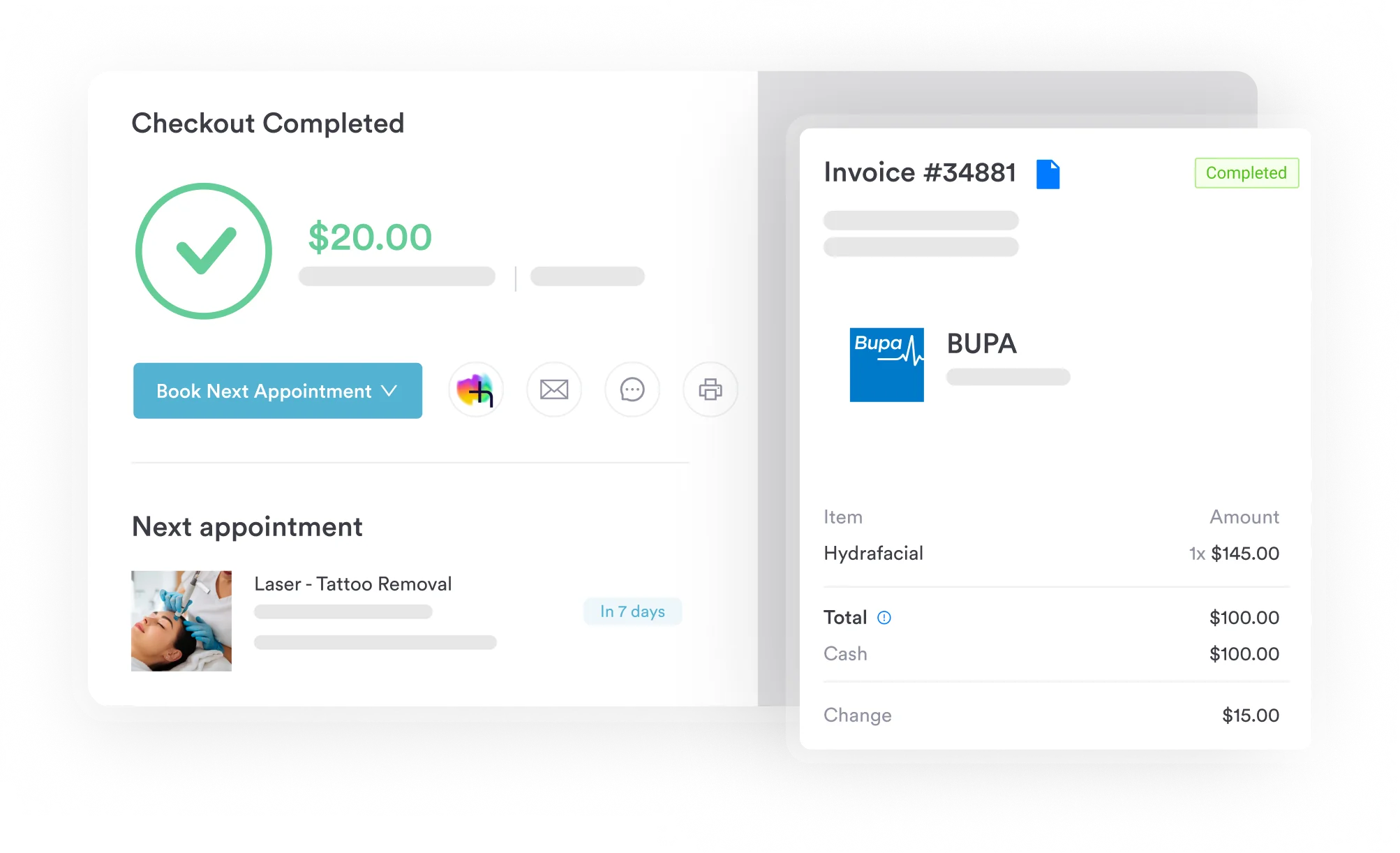
Most facilities build the claim after the fact. A coder reads the operative report, retypes the device details into the billing system, and hopes they caught everything. Structured record templates capture the operative note elements and the implant details at the point of care instead.
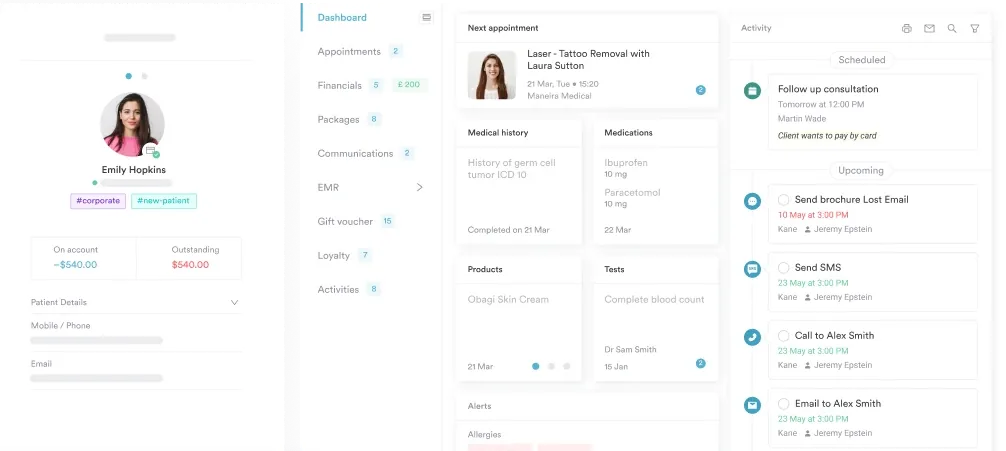
Pabau then submits and tracks the claim to payment in the same place the record lives. Coders still own the C1813 decision. What disappears is the retyping step where device details go astray. That is why EHR integration matters for urology, men’s health, and sexual health practices billing implants at volume.
Build a C1813 checklist into the billing workflow. Confirm the companion CPT code, the ICD-10 diagnosis, and the -KX modifier where an LCD applies. Attach the implant log and record the prior authorization reference for commercial payers. Running it before submission catches most denial triggers before the claim leaves the facility.

Pabau’s claims management submits claims electronically and tracks each one through to payment. Your urology billing team spends less time chasing paperwork and more time on patients.

C1813 rewards facilities that treat the device as part of the claim rather than an afterthought at month end. The code itself is simple. Payment turns on whether the operative note, the implant log, and the modifier all agree.
So build the check into the workflow instead of the appeal. Confirm the payment status for the current cycle. Capture the serial number while the patient is still in recovery, then let the coder work from a complete record. Teams that work this way spend their time on the next case, not last month’s denial.
Book a demo to see how Pabau connects operative documentation to claim submission for device-intensive procedures.

Coding an unspecified arrhythmia? ICD-10 code I49.9 for arrhythmia explains when the unspecified code fits and when a more precise one applies.
Coding a supernumerary teeth claim? ICD-10 code K00.1 for supernumerary teeth covers the tooth types this code includes, from mesiodens to supplemental teeth.
Coding an unspecified salivary condition? ICD-10 code K11.9 for salivary gland disease explains when this code applies before imaging identifies the specific disorder.
Billing another implant-heavy procedure? CPT 22802 walks through the coding and documentation demands of a device-intensive spinal fusion.
HCPCS Code C1813 is a temporary CMS C-code describing a prosthesis, penile, inflatable. Hospital outpatient departments and ambulatory surgical centers use it to report the device cost of an implanted inflatable penile prosthesis. It sits on the claim separately from the companion CPT procedure code.
CPT 54405 (insertion of multi-component inflatable penile prosthesis) is the most common companion code for C1813. CPT 54401 applies for self-contained inflatable devices, and coders use CPT 54410 for removal and replacement of an existing inflatable prosthesis.
The -KX modifier is the most important. It signals that the medical record meets and documents all LCD medical necessity criteria. -GA applies when a signed Advance Beneficiary Notice (ABN) is on file. Always confirm your MAC’s specific modifier requirements, as payer-level rules can vary from CMS baseline guidance.
C1813 is a temporary CMS C-code. CMS assigns temporary C-codes for use in the OPPS and ASC payment systems and reviews them annually. CMS may revise, replace, or consolidate temporary codes. Verify C1813’s current status against the NLM HCPCS API or the official CMS HCPCS code files each fiscal year.
Three errors dominate. The first is submitting C1813 without a companion CPT code. The second is omitting the -KX modifier when an LCD applies. The third is leaving out the implant log with its serial number. Each of these alone can trigger denial. A pre-submission claim checklist covering these three points prevents the majority of C1813 claim failures.