

HCPCS code E0198: Water pressure pad billing guide
HCPCS code E0198 is a water pad for a standard mattress HCPCS code E0198 is the ...

Last Updated: Oct 13, 2026
A4322 is the HCPCS Level II code for irrigation syringe, bulb or piston, each.
Let Pabau's smart automation suggest the right codes, reduce claim denials, and keep your practice compliant—effortlessly.
Automate repetitive tasks and focus on what matters most—your patients.
Reduce coding errors and ensure compliance with the latest regulations.
Clean claims, fewer denials, and faster reimbursements.
Powerful insights and reporting to help your practice thrive.
HIPAA compliant SOC 2 certified GDPR-compliant Trusted by 4,000+ clinics worldwide

HCPCS code A4322 describes an irrigation syringe, bulb or piston, each – a Level II supply code used to bill urological, wound care, and bowel management irrigation supplies
Medicare covers A4322 under LCD L33803 (Urological Supplies) when a physician order and supporting diagnosis code are present; coverage is subject to medical necessity review
Missing modifier KX or submitting without a valid physician order are the two most common reasons A4322 claims are denied by DME MACs
Pabau’s claims management software helps DME suppliers and clinical billing teams track documentation requirements and reduce claim errors for supply codes like A4322
HCPCS code A4322 is the Level II supply code for an irrigation syringe, whether bulb or piston type. The official long description reads: Irrigation syringe, bulb or piston, each. It sits within the urological supplies category of CMS’s HCPCS Level II codes, updated annually.
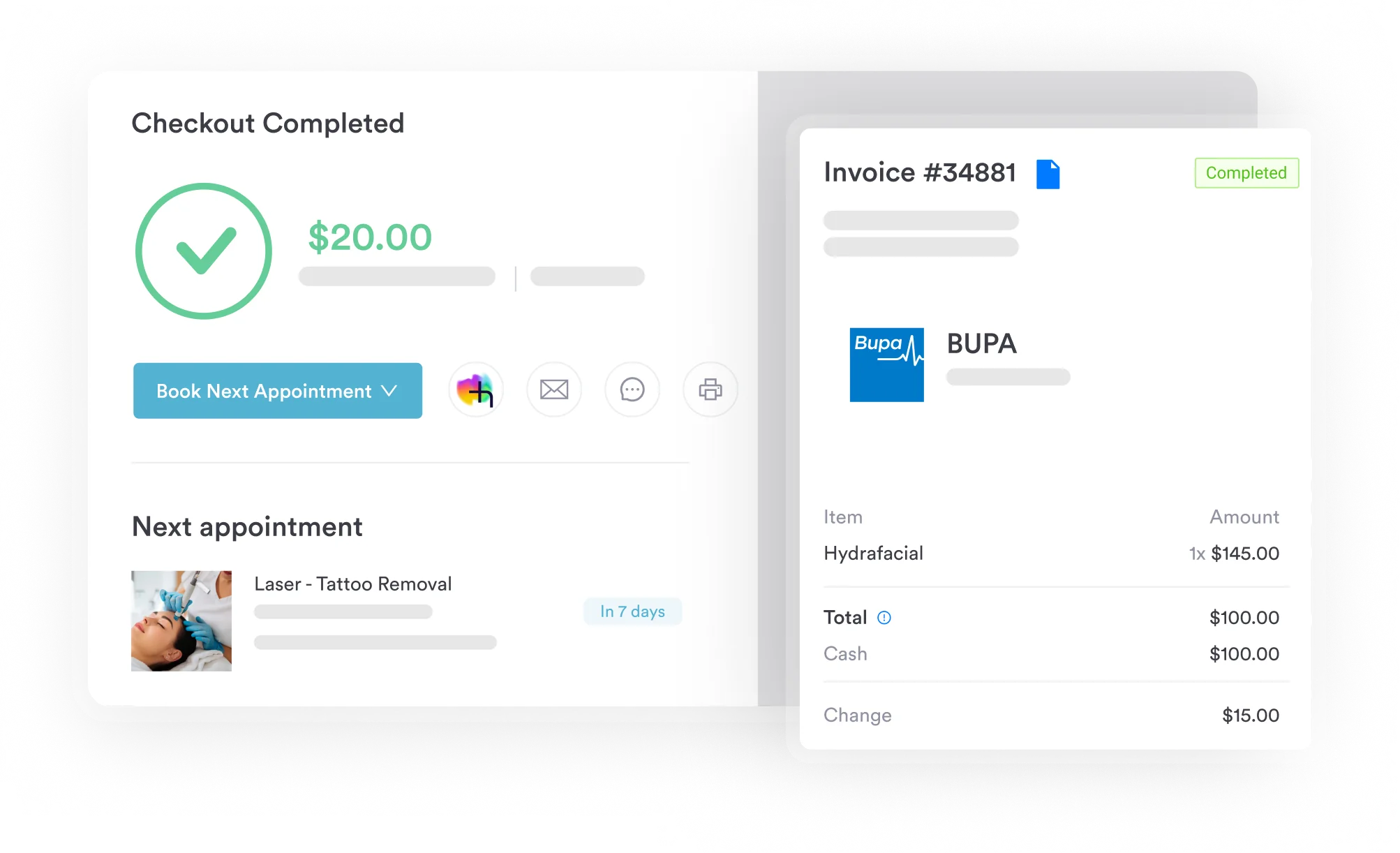
A4322 is billed on a per-unit basis: Each syringe submitted represents one device. The code covers both bulb-type and piston-type irrigation syringes. The device subtype does not require a separate code. Accurate billing starts with software that surfaces the correct modifier and diagnosis code at the point of claim creation, reducing the manual lookup steps that introduce errors.
An irrigation syringe delivers controlled volumes of fluid to clean a wound, flush a urological catheter, or manage a bowel irrigation program.
The bulb type uses a compressible rubber or silicone chamber. The piston type uses a barrel-and-plunger mechanism similar to a standard syringe. Both devices perform the same clinical function, which is why CMS assigns them a single HCPCS code.
Clinical contexts where A4322 is most commonly billed include:
Practices focused on pelvic health or men’s health bill A4322 regularly, since irrigation syringes support the continence and catheter management programs common to both specialties.
For Medicare to cover the supply, the clinical indication must be documented by the ordering physician. Coders should link A4322 to a diagnosis code that reflects the underlying condition requiring irrigation, not a code for the irrigation procedure itself. Consistent standardized medical forms within the practice workflow make this linkage easier to capture and audit.
Medicare Part B covers A4322 as a durable medical equipment (DME) supply under LCD L33803, titled Urological Supplies, administered by DME MACs. Coverage is not automatic. It depends on meeting the medical necessity criteria defined in the LCD. Policy Article A52521 provides additional billing and coverage instructions that supplement the LCD.
Key coverage requirements under LCD L33803 include:
Coverage determinations are made on a claim-by-claim basis. Stating that Medicare “will cover” a specific claim without referencing the LCD criteria or individual patient circumstances overstates the coverage guarantee.
Billing teams handling urological supply codes should review the current effective version of LCD L33803 directly through the AAPC HCPCS code reference or the CMS Medicare Coverage Database. Having HIPAA-compliant documentation workflows in place ensures the required elements are captured before the claim is submitted.
With built-in inventory tracking, every dressing or catheter billed under these codes matches recorded stock movement.
CMS publishes the DMEPOS fee schedule annually. A4322 falls under the DME fee schedule rather than the Physician Fee Schedule (PFS). Allowable rates for DME supply codes vary by geographic region and are adjusted using fee schedule adjustment factors applied to a base rate.
Because DME rates are geographically tiered and updated each fiscal year, billing teams should verify current rates using the official CMS DMEPOS fee schedule rather than relying on third-party rate aggregators, which may not reflect the most recent update. Use the DMEPOS fee schedule page to pull the current allowed amount for A4322 by MAC jurisdiction.
The DMEPOS Competitive Bidding Program has had no active contracts in effect since January 1, 2024. That means there are no competitive-bid pricing differences for A4322 in 2026, and suppliers bill the standard DMEPOS fee schedule rate regardless of area.
CMS has proposed a new round, referred to as Round 2028, to begin January 1, 2028, which is planned to include urological supplies.
Check your DME MAC jurisdiction before billing A4322. Noridian Healthcare Solutions (Jurisdictions A and D) and CGS Administrators (Jurisdictions B and C) are the two current DME MACs, and each maintains jurisdiction-specific fee schedules. A claim submitted with the wrong jurisdiction fee can delay payment by 30 or more days. Confirm your jurisdiction at cms.gov before billing a new supply code.
Modifiers on HCPCS supply code claims tell Medicare whether the item is new, rental, or used, and whether the claim meets the medical necessity threshold documented in the physician order. Applying the wrong modifier or omitting a required one is one of the leading causes of A4322 claim denials.
Modifier applicability is payer-specific. Commercial payers may not require KX or GA. Verify modifier rules against your specific payer contract.
For Medicare, KX is the modifier most likely to trigger payment processing. Omitting it on a claim that otherwise meets LCD criteria is one of the most preventable denial causes.
Review your paperless clinical documentation processes to confirm modifier selection is built into the workflow rather than relying on manual recall.
LCD L33803 and Policy Article A52521 specify the documentation that must exist in the patient record before A4322 is billed to Medicare. Inadequate documentation is the root cause of most urological supply claim audits and post-payment recoupments. The same physician-order and quantity-justification standard applies to other DME supply codes.
Required documentation elements include:
Structured digital intake forms built around LCD requirements reduce the risk of incomplete documentation reaching the billing queue. Each of the five elements above can be mapped to a specific form field or checklist item in the patient record.
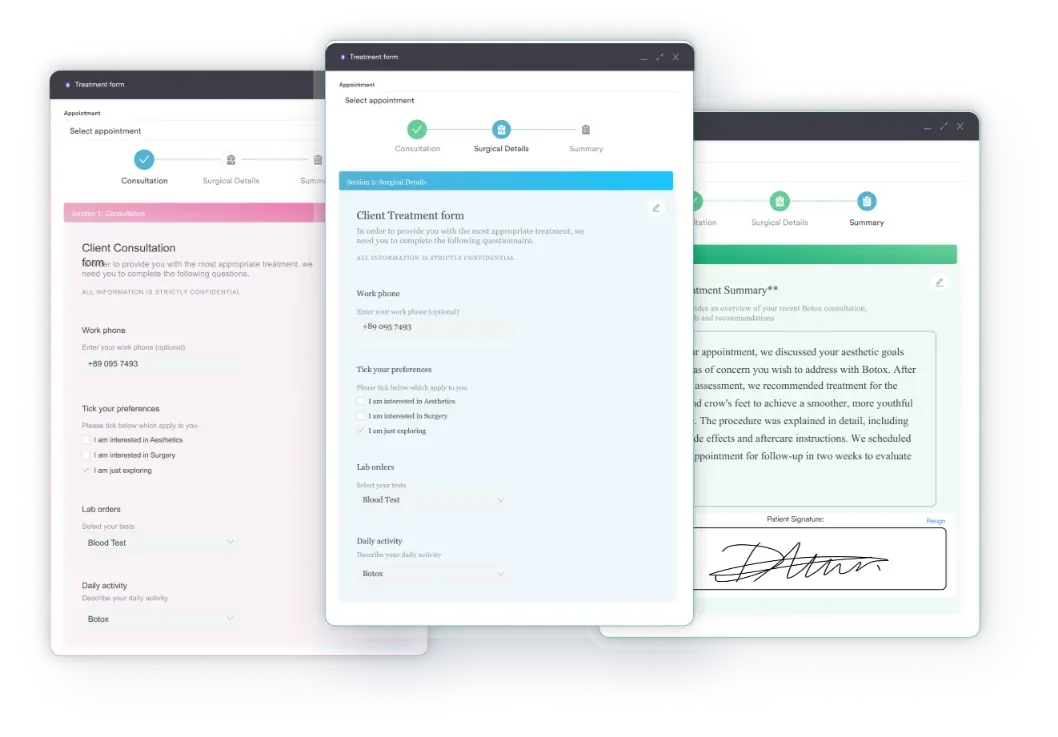
Pabau’s client record management capabilities help practices maintain structured documentation that ties physician orders, diagnoses, and supply quantities to specific encounters, making post-payment audits far easier to respond to.
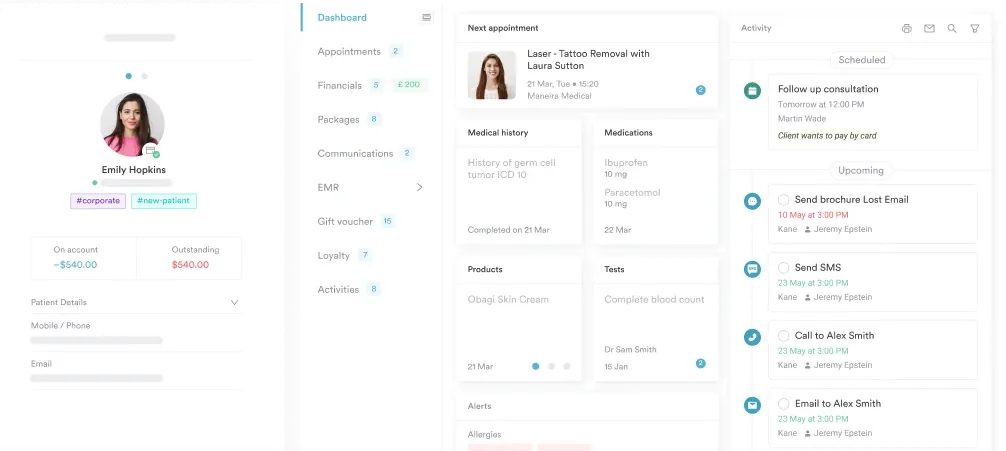

Pabau’s claims management workflows help DME suppliers and clinical billing teams capture the documentation required for HCPCS supply codes like A4322, including physician orders, diagnosis linkage, and modifier selection, within a single platform.

A4322 belongs to a cluster of urological supply codes in the HCPCS Level II A-series. Selecting the correct adjacent code matters when a patient uses multiple supply types. Billing the wrong code for the specific device results in claim edits and requests for additional information. The same adjacent-code decision comes up with other DME supplies.
For a broader reference, the PGM Billing lookup tool allows free searches across the full HCPCS Level II code set.
A common audit finding is billing A4322 for a syringe already included in an irrigation tray kit billed under A4320. Unbundling a component from a kit code is a billing error that can trigger recoupment.
Verify whether a kit code applies before billing A4322 separately. These considerations are similar to those that arise with other procedure code billing references where component bundling rules apply.
A4322 has been an active HCPCS Level II code for several years with no substantive description change. The code remains active for the 2026 billing year.
CMS reviews HCPCS Level II codes through its annual update process. Additions, revisions, and deletions take effect January 1 of each calendar year. There are no pending revisions to A4322 that affect the description or billing rules for 2026 based on currently available CMS guidance. Practices billing in Australia check the current MBS descriptor before submitting, since it is revised on a similar annual schedule.
Billing teams can confirm active status by checking the current HCPCS Level II code file that CMS publishes each January.
Annual updates to Policy Article A52521 may revise quantity limits or coverage language without changing the code itself. Review the current policy article at the start of each calendar year, not just when a denial appears.
Supporting this kind of proactive review is one benefit of using a structured practice management workflow that schedules annual policy reviews as part of the billing team’s operating rhythm.
Add a January calendar reminder to review LCD L33803 and Policy Article A52521 for annual updates. CMS may revise quantity limits or coverage criteria without changing the code number. Missing a policy update mid-year often leads to a batch of denials before the team realizes the rules changed.
The following errors account for the majority of A4322 claim rejections, based on DME MAC guidance and common audit findings across urological supply codes.
Building these checks into a compliance management workflow reduces the time spent on denial appeals. Pre-submission audits that verify modifier presence, diagnosis linkage, and order currency catch most of these errors before the claim leaves the practice.
For teams managing high volumes of urological supply claims, automated pre-claim validation is worth implementing as a standing process, not a reactive fix. Review our billing code reference guides for similar documentation and modifier guidance across other supply codes.
HCPCS code A4322 covers a simple supply, but the billing rules around it create avoidable denial risk. The most preventable errors come down to three things: Missing modifier KX, weak diagnosis code linkage, and outdated or absent physician orders. Getting these right consistently requires structured workflows rather than coder memory.
Pabau’s claims management software helps billing teams capture the documentation elements required by LCD L33803 within the same platform they use for scheduling and records, reducing the manual handoffs where errors enter. To see how it fits a DME or clinical billing workflow, book a demo.

Billing sub-acute residential detox correctly? Sub-acute detox billing guide covers H0010 and the payer and acuity-level mix-ups that cause reimbursement write-offs.
Billing a different HCPCS drug code? HCPCS code J3301 billing guide covers documentation and modifier rules for triamcinolone acetonide injections, following the same DME MAC billing logic.
Billing acute detox in an outpatient setting? Acute detox billing guide covers H0013 and the outpatient-setting detail that billing teams most often get wrong.
HCPCS code A4322 is a Level II supply code that describes an irrigation syringe, bulb or piston, each. It is used by DME suppliers to bill Medicare and other payers for irrigation syringes used in urological care, wound irrigation, and bowel management programs. The code covers both bulb-type and piston-type devices under a single code descriptor.
Medicare reimburses A4322 under the DMEPOS fee schedule, with rates that vary by DME MAC jurisdiction and geographic area. Because rates are updated annually and adjusted for competitive bidding areas, the most accurate source is the CMS DMEPOS fee schedule lookup tool at cms.gov, filtered for the current year and your MAC jurisdiction. Third-party rate aggregators may not reflect the most recent CMS update.
The most common modifiers for A4322 are KX (documentation confirms medical necessity per LCD L33803), GA (ABN issued when coverage is uncertain), GY (item expected to be denied; patient billed directly), and NU (new equipment). Modifier RR (rental) and UE (used equipment) apply in specific circumstances. KX is the modifier Medicare requires to process claims that meet LCD criteria.
LCD L33803, titled Urological Supplies, governs Medicare coverage for A4322. Policy Article A52521 provides supplemental billing instructions for the same code set. Both documents are maintained by DME MACs and are available through the CMS Medicare Coverage Database. Coverage criteria and quantity limits in L33803 must be met before modifier KX can be appended.
Required documentation includes a written physician order specifying the supply, quantity, and clinical indication; an ICD-10-CM diagnosis code covered under LCD L33803; proof of delivery signed by the patient or caregiver; and, for quantities above the LCD’s standard allowance, written medical necessity justification. Renewal orders are required for ongoing supply needs beyond the initial authorization period.
Both device types are covered under HCPCS code A4322. A bulb syringe uses a compressible rubber or silicone bulb to deliver fluid; a piston syringe uses a barrel-and-plunger mechanism. CMS assigns them a single code because they perform the same clinical function. Coders do not need separate codes or modifiers to distinguish between the two subtypes on a claim.
A4322 can be billed alongside other urological supply codes when distinct, separately provided items are involved. However, billing A4322 for a syringe that is already included in an irrigation tray kit billed under A4320 is an unbundling error. Always verify kit contents before billing component supply codes separately, and check LCD L33803 for any quantity or combination limits that apply.



