CCSD code H4430: Examination of rectum under anaesthetic
CCSD code H4430 pays for the examination alone CCSD code H4430 is the UK private...

Last Updated: Oct 20, 2026

CPT code 20650 covers insertion of a wire or pin with application of skeletal traction, and removal of that pin is included.
The code sits in the general introduction or removal subsection of the musculoskeletal system, CPT 20500-20697.
Per CMS 2026 data the total RVUs are 4.79 facility and 7.47 non-facility, which pays roughly $160 and $250 nationally.
The “separate procedure” designation blocks 20650 whenever fracture care or repair is billed for the same anatomic region.
Practice management software like Pabau builds the claim from the patient record, so fewer 20650 lines go out incomplete.
CPT code 20650 covers the insertion of a wire or pin with application of skeletal traction. Removal of that pin is built into the code, so you never bill it twice.
The detail that decides most claims is the phrase “separate procedure” in the descriptor. It means 20650 cannot be billed with fracture care for the same anatomic region. Miss it and the claim comes back as a bundling denial, sometimes months later in a retrospective review.
The sections below run in the order a biller needs them, from what the code covers through to the checks that stop a denial.
Official AMA descriptor: Insertion of wire or pin with application of skeletal traction, including removal (separate procedure).
The code belongs to the musculoskeletal surgery section of the AMA’s CPT code set, which runs from 20000 to 29999. Inside that section it sits in the general introduction or removal range, 20500 to 20697.
Orthopedic surgeons, trauma surgeons, and emergency physicians are the ones billing it, almost always while a patient waits for definitive fixation.
One note on the range. AAPC and CMS both publish it as 20500 to 20705, because the newer drug-delivery device codes were added at the top end. Either way, 20650 sits in the same subsection.
“Including removal” means the pin coming out is already paid for, provided the same provider removes it within the global period. “Separate procedure” is the flag that folds the code into a larger surgical package.
It applies whenever traction forms part of a bigger repair on the same region. When traction is the only thing you did that day, 20650 stands on its own.
Bill 20650 when a clinician drives a Kirschner wire or Steinmann pin into bone and hangs weight from it. That is the whole test.
Pin placement for internal fixation or for an external fixator frame is a different service, even though the hardware looks much the same. The scenarios that qualify usually look like this:
Traction is a holding pattern rather than a repair. The case moves on to definitive fixation, and then often to a physical therapy practice for rehab. Each of those stages carries its own codes, and 20650 covers none of them.
Relative value units, or RVUs, are the figures Medicare and most commercial payers multiply to reach a payment.
The values below come from the CMS 2026 relative value files, January release. They change every year, so pull the current file before you rebuild a fee schedule around them.
The non-facility practice expense more than doubles the facility figure. That is because the practice absorbs the supplies, the equipment, and the clinical staff time when nobody else is billing for them.
Most traction goes in at a hospital or in an emergency department, so the facility column is the one you will usually bill against. Check the place-of-service code before the claim leaves, because a mismatch there is an easy audit flag.
Nationally, Medicare pays around $160 for 20650 in a facility and about $250 in a non-facility setting. Those figures are the 2026 total RVUs multiplied by the conversion factor of 33.4009, before any geographic adjustment.
Use the CMS fee schedule lookup to pull the rate for your own locality.
Your own rate will differ from both numbers. The geographic practice cost index shifts payment by locality, so a practice in a high-cost metro sits well above the national average.
Commercial contracts are often written as a multiple of the Medicare rate, which makes your locality figure the number that matters at the negotiating table.
Run a locality rate check in the CMS lookup every January. Geographic adjustments mean a practice in a high-cost metro can be paid well above the national average for 20650. Confirm your MAC locality before you negotiate a commercial fee schedule off Medicare rates.
Modifier choice is where a 20650 claim is won or lost. The five below cover almost every situation you will meet, though payer policy varies enough that it pays to check the specific plan first.
20650 is not exempt from modifier -51, so expect the multiple-procedure reduction whenever it rides along with other surgery.
Then confirm whether your payer wants -XS or -XU in place of -59. Several MACs are specific about that substitution, and the wrong choice can deny the line outright rather than send it to review.
A 20650 claim needs an ICD-10-CM code that explains why traction was necessary. Payers are specific about which ones qualify, and local coverage determinations can narrow the list further.
These five cover the injuries that most often arrive in traction.
One trap sits in that last row. If the note names a fracture of the body of the calcaneus, S92.001A is the wrong pick. That description belongs to S92.011A or S92.014A, depending on whether the fragment is displaced.
Specificity is the whole game here, so carry laterality and the correct encounter character on every claim. A subsequent-encounter code such as S72.466E belongs on the follow-up visit, not on the day the pin went in.
On the humerus side, S42.452A tells a reviewer tells a reviewer far more than an unspecified upper-end fracture ever will.
The NCCI Policy Manual is blunt about this code. Because of the “separate procedure” designation, 20650 is not reportable with a fracture treatment or repair code for the same anatomic region.
Four bundling rules follow from that:
Two habits keep this out of your denial queue. Run the code pair through claim scrubbing before submission rather than after a rejection. Then learn the denial codes your payers use for bundling, so an appeal starts in week one instead of week four.
Knowing the path helps, because most 20650 problems are created at one step and discovered three steps later. Here is the trip a single line takes:
When the record is complete, that whole trip takes days. When a pin size or a laterality modifier is missing, it takes weeks, because the fix happens after step five instead of before step four. Step one is where the money is really made or lost.
The note has to let an auditor map every element of the descriptor to something in the record. Weak documentation is the usual reason a paid 20650 claim gets recouped later.
Six items belong in every procedure note:
Generic wording is what sinks otherwise valid claims. “Traction applied to fracture” names no pin, no site, and no method, so a reviewer has nothing to match against the code. Write the note so an auditor can point at each phrase in the descriptor and find it on the page.
Most 20650 rejections are catchable in about five minutes. Work down this list before the claim goes out:
Three mistakes come up again and again. The first is billing 20650 for a pin placed without traction. The second is billing it a second time when the pin comes out. The third is leaving the diagnosis unspecified when the operative note already names the fracture pattern.
The codes either side of 20650 look similar on a claim form and behave nothing alike.
The arthrocentesis codes at the front of the range, 20600 through 20611, are the ones sports medicine practices bill most often. They get mixed up with 20650 on knee and hip claims.
The pair that causes most trouble is 20670 and 20680. When a pin placed under 20650 comes out at a later encounter, outside the global period, bill the superficial or deep removal code instead.
Never bill 20650 twice, because the descriptor needs both the insertion and the traction to be satisfied.
Further up the range, 20700 covers a different service altogether, so it is not a fallback when traction is what you did. The AAPC’s CPT code search carries the full descriptor for each of these.
Most 20650 denials trace back to something missing from the claim rather than something wrong with the coding. A pin size that never reached the note.
A laterality modifier nobody added. Practice management software like Pabau closes those loops by building the claim from the patient record instead of from a blank form.
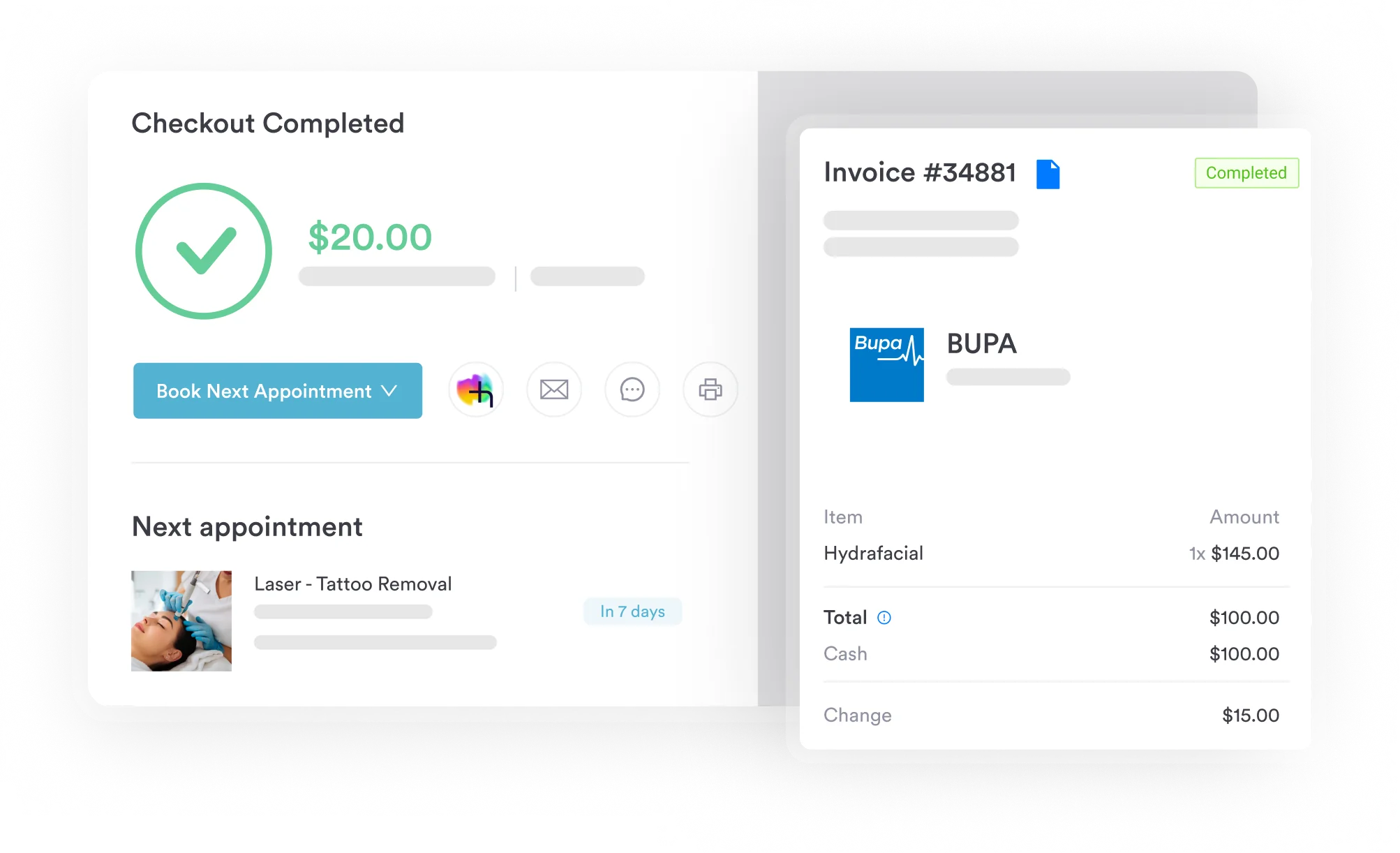
Pabau’s claims management software pre-fills claim fields straight from the record, so the diagnosis, the provider, and the date of service arrive already populated.
Built-in CPT and ICD-10 lookup libraries let a coder find 20650 or the matching fracture code without leaving the claim. A completeness check then flags the required fields that are still empty, before anything is transmitted.
From there the Claim.MD integration submits CMS-1500 and 837P claims to US payers and pulls remittance files back in automatically.
Denial reason codes land against the claim in Pabau, so your biller works one queue instead of logging into payer portals one at a time. For an orthopedic or trauma team billing traction all year, that is hours back every week.

Pabau builds each claim from the patient record, with CPT and ICD-10 lookup libraries and a completeness check before submission. Fewer missing fields means fewer denials to rework.

Skeletal traction is a small procedure with a big denial problem, and nearly all of it comes down to one phrase in the descriptor. If traction was part of fixing the fracture, 20650 does not belong on the claim. If traction was the service, it does, with a side attached and a note that names the pin. If the encounter included an assessment and a plan, the evaluation and management component needs its own documentation.
The practices that stop losing money here do not get better at appeals. They get better at the five minutes before submission, when a missing pin size or an empty modifier field is still cheap to fix. Build that check into the workflow and the denial queue shrinks without anyone chasing it.
Book a demo to see how Pabau pre-fills a CMS-1500 from the patient record. It also flags the empty fields before your next 20650 claim goes out.

Coding a distal femur fracture? S79.141A covers the Salter-Harris growth-plate injury that sits at the same site traction pins use.
Humerus shaft fracture on the claim? S42.332G walks through the displaced oblique pattern and the seventh characters that track healing.
Need the forearm equivalent? S52.042Q explains an open ulna fracture with malunion, where the encounter character does most of the work.
Billing other musculoskeletal surgery? 20924 sets out the tendon graft descriptor, its 2026 RVUs, and the modifiers that apply.
Documenting a complication near the pin site? S75.092A covers femoral artery injury on the left side and how to code the encounter.
No. 20650 needs a wire or pin driven through bone, so Buck’s traction and other skin setups do not qualify. This family has no separate code for skin traction. It stays part of the fracture care or evaluation service you bill that day.
The surgeon bills 20650 for the professional service, and the hospital bills its own facility charge on a separate claim. That split is why the facility rate looks lower than the office rate. The room, the staff, and the supplies are being paid for elsewhere.
Yes, when a physician places the pin and applies traction there. Bill it with place-of-service 23 and expect the facility rate. Document the same elements you would in an operating room, because the setting does not lower the documentation bar.
Many adopt the NCCI edits directly, while others run their own bundling logic on top. Check the plan’s policy before you rely on modifier -59 to separate traction from fracture care. An edit that clears with Medicare can still deny with a commercial payer.