



HCPCS code E0198: Water pressure pad billing guide
HCPCS code E0198 is a water pad for a standard mattress HCPCS code E0198 is the ...

Last Updated: Oct 13, 2026

CPT code 00910 covers anesthesia for transurethral procedures, including urethrocystoscopy, in the urinary system
Reimbursement is calculated using the formula: (Base Units + Time Units) x Conversion Factor, with CMS assigning the base unit value
Modifier selection is the most common billing error: AA, QZ, QK, QX, and AD each carry different reimbursement percentages
Pabau’s claims management software helps anesthesia billing teams track time units, apply modifiers accurately, and reduce claim denials
Wrong modifier selection on a single anesthesia claim can cut reimbursement by 50% or eliminate it entirely. For CPT code 00910, the stakes are especially high because billers must track time units, apply the correct supervision modifier, decide whether a qualifying circumstance add-on applies, and document everything to CMS standards, all before submitting a single claim.
This reference covers every billing element for CPT code 00910: the official descriptor, base unit value, the anesthesia reimbursement formula, 2026 Medicare rates, all applicable modifiers, qualifying circumstance add-ons, documentation requirements, adjacent codes in the 00900 series, and the most common errors that trigger denials.
CPT code 00910 is listed in the anesthesia section of the AMA’s CPT code set under procedures on the urinary system. The official descriptor reads: Anesthesia for transurethral procedures (including urethrocystoscopy); not otherwise specified.
The code sits within the 00900 to 00952 range, the official CPT section for anesthesia for procedures on the perineum, which spans anorectal, genital, vaginal.
CPT code 00910 sits specifically within the transurethral and urinary subset of that range, as the baseline, catch-all entry for transurethral work not captured by a more specific adjacent code.
Because the descriptor includes “not otherwise specified,” this code is explicitly a catch-all. If a more descriptive adjacent code exists for the specific transurethral procedure performed, that code takes precedence over 00910.
The primary procedure named in the descriptor is urethrocystoscopy, a diagnostic or therapeutic endoscopic examination of the urethra and bladder performed through the urethral opening. It’s a routine part of care across pelvic health practices. Beyond that named example, transurethral procedures covered under this code generally include:
Scope boundary to watch: Use 00910 only when no more specific code in the 00900 series applies. Transurethral resection of the prostate (TURP), calculus destruction, and cystolithotomy all have dedicated adjacent codes.
TURP in particular is a frequent procedure in men’s health practices, where a dedicated code (00914) applies instead of the catch-all 00910. Billing 00910 when a specific code exists is a common source of denials and payer audits. An authorization request approved for one code does not cover a different code billed on the day.
Supply codes such as HCPCS code A4311 for an insertion tray without a drainage bag are billed separately by the facility or the proceduralist. They sit outside the anesthesia code itself and shouldn’t be bundled into the 00910 claim.
Anesthesia billing does not follow the standard fee schedule model used for most CPT codes. Instead, CMS calculates payment using a formula that combines a procedure-specific base unit value with time units recorded during the case.
Verify the current base unit value for 00910 against the CMS anesthesia base unit file or the ASA Relative Value Guide before billing, as values are confirmed annually. Not every RVU lookup tool carries anesthesia-specific base units, so the CMS file remains the primary source to verify against.
The anesthesia reimbursement formula, as defined in the CMS Medicare Claims Processing Manual (Chapter 12), is:
For a 30-minute urethrocystoscopy, if the base unit value were 5 and the conversion factor $23.00 (illustrative only), payment would be: (5 + 2) x $23.00 = $161.00. The 2026 conversion factor and base unit value must be pulled from the CMS fee schedule for your locality.
The same base-unit-plus-time-unit logic applies to other anesthesia codes.
CMS updates the anesthesia conversion factor annually as part of the Medicare Physician Fee Schedule (MPFS) Final Rule, typically published in late fall of the preceding year. Use the CMS Physician Fee Schedule lookup tool to retrieve the current 2026 locality-adjusted conversion factor for your practice’s geographic area before calculating expected reimbursement.
Key points for 2026 billing:
Always verify the exact 2026 rate with your MAC (Medicare Administrative Contractor) or payer contract before quoting expected reimbursement to practice leadership.
Modifier selection is where most CPT code 00910 claims go wrong. Each modifier reflects a different anesthesia provider relationship, and each carries a different reimbursement percentage under Medicare. Missing or misapplying a modifier is the leading cause of anesthesia claim denials.
QK and QX always pair together: when a medically directed CRNA performs the case, the anesthesiologist bills QK and the CRNA bills QX. Both modifiers must appear on separate claims from separate providers. Submitting only one modifier from a medically directed case triggers a mismatch denial.
Qualifying circumstance codes are add-on codes that report unusual conditions making anesthesia significantly more difficult. They are reported in addition to 00910, not instead of it.
Payer acceptance of these add-ons varies. Some commercial plans and Medicaid programs bundle 99100 and 99135 into the base anesthesia payment rather than paying them separately. Check individual payer policies before billing these codes to avoid recurring denials.
Flag qualifying circumstance eligibility at pre-authorization. When scheduling a transurethral case for a patient over 70 or with a documented emergency, tag the case in your scheduling system so coders know to evaluate 99100 or 99140 before claim submission. Catching this at scheduling costs nothing; catching it post-payment means a corrected claim and a delay in reimbursement.
CMS and most commercial payers require a consistent documentation set for all anesthesia claims. Missing even one element is enough for an auditor or payer to request a refund. Where a code carries an evaluation and management component, documented complexity sets the level billed.
The AAPC CPT code reference details the specific documentation standards expected for anesthesia claims under Medicare.
For qualifying circumstance add-ons, the record must include specific language: emergency status for 99140, the patient’s age for 99100, or the deliberate hypotension technique and rationale for 99135. General references to complexity without this detail will not survive audit.
Correct code selection between 00910 and its neighbors in the 00900 series is a frequent source of undercoding and overcoding errors.
When none of these adjacent codes precisely describe the transurethral procedure performed, CPT code 00910 is the appropriate selection. Do not use a more specific adjacent code if the procedure performed does not match its descriptor exactly.
Anesthesia billing errors cost practices revenue and create audit exposure. These are the five most common mistakes seen on CPT code 00910 claims, along with how to avoid each one. Practice management software like Pabau, through its claims management software, flags modifier mismatches and incomplete time documentation before claims leave the practice.
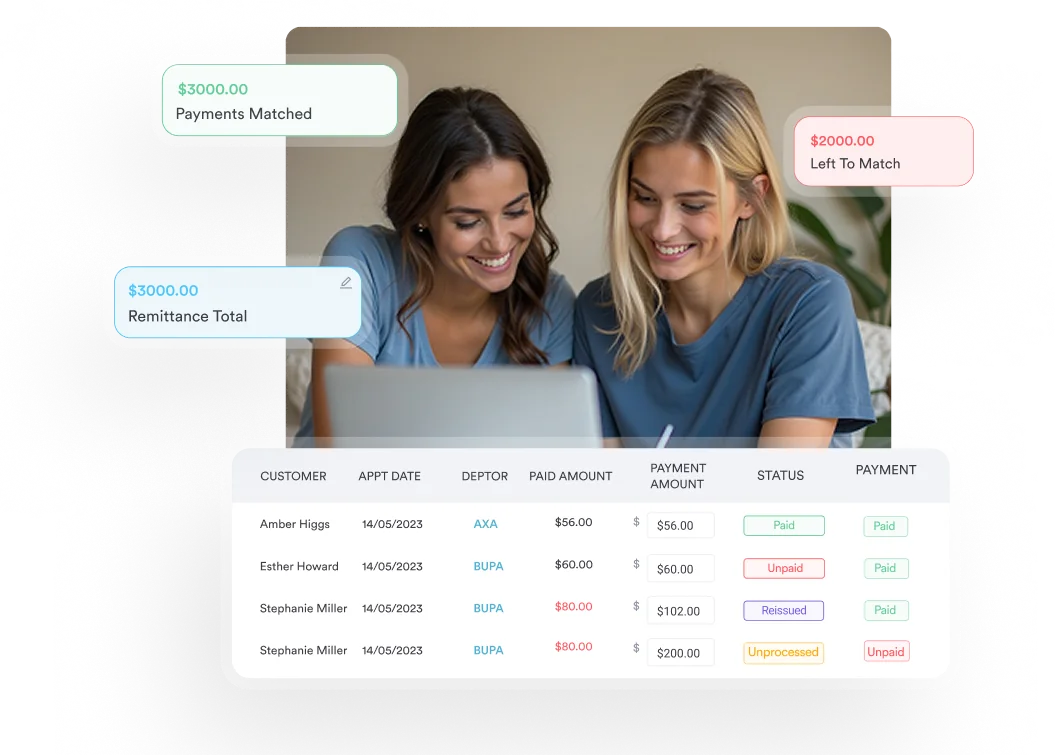
Build a charge entry checklist specific to CPT code 00910. It should include: modifier selected and reason documented, anesthesia start and stop time confirmed in the record, qualifying circumstance evaluated, adjacent code crosswalk reviewed, and surgical vs. anesthesia claim separation verified. Running five checks per case takes less than two minutes and prevents the majority of denial categories.
The variables in anesthesia billing compound quickly: base units, time units, modifier selection, qualifying circumstance eligibility, documentation completeness, and payer-specific rules on add-on codes. Practice management platforms that integrate charge capture with clinical documentation reduce the number of manual handoffs where errors typically occur.
Pabau’s claims management tools support anesthesia-heavy practices by connecting documentation workflows directly to billing. When time is recorded in the clinical record, it flows through to the claim without re-entry.
Modifier rules can be built into the workflow so the correct modifier is prompted based on the provider type recorded for the case. This is especially relevant for practices managing both anesthesiologist and CRNA providers under one billing entity, where QK/QX pairing errors are most common.
For practices managing high-volume transurethral anesthesia caseloads, Pabau also supports HIPAA-compliant digital anesthesia record templates through its digital forms feature, prompting providers through pre-anesthesia evaluation, intraoperative documentation, and post-anesthesia notes in a structured format that maps to claim requirements.


Pabau connects clinical documentation to claim submission, so time units, modifiers, and qualifying circumstances are captured at the point of care, not reconstructed after the fact.

Transurethral anesthesia billing is deceptively detail-intensive. CPT code 00910 looks simple as a catch-all descriptor, but the modifier rules, add-on code logic, time documentation requirements, and adjacent code crosswalk create multiple points where a claim can fail before it reaches adjudication.
Practices that standardize their approach to these five variables, modifier selection, time capture, adjacent code review, qualifying circumstance evaluation, and documentation completeness, see measurably fewer denials and faster payment cycles.
Pabau’s claims management software brings these checks into the clinical workflow rather than leaving them to a post-service billing review. To see how it works for anesthesia and procedure-heavy practices, book a demo.

Need another anesthesia-specific CPT reference? CPT code 01464 covers anesthesia for the popliteal space and knee joint, using the same base-unit-plus-time-unit formula as 00910.
Worried a code you’re using has been retired? CCSD code 0142T explains why some CPT codes get deleted and how to avoid billing one that’s no longer valid.
Billing anesthesia for a vascular case? CPT code 00770 covers anesthesia for the great vessels of the chest, another time-based anesthesia code with its own base unit value.
CPT code 00910 is used to bill anesthesia services for transurethral procedures, including urethrocystoscopy, when no more specific adjacent code in the 00900 to 00952 range applies. It covers diagnostic and therapeutic transurethral procedures performed through the urethral opening under anesthesia.
The base unit value for CPT 00910 is assigned by CMS and should be verified against the current CMS RVU file for the applicable fiscal year. Base units reflect the procedure’s complexity and are combined with time units and the conversion factor to calculate the total allowed amount.
Applicable modifiers include AA (anesthesiologist personally performed), QZ (CRNA without medical direction), QK (medical direction of two to four concurrent cases), QX (CRNA with medical direction), AD (supervision of more than four concurrent cases), G8, and G9. The correct modifier depends on the provider type and the supervision arrangement for the specific case.
Yes, qualifying circumstance codes 99100 (extreme age), 99140 (emergency), and 99135 (controlled hypotension) may be reported as add-on codes alongside CPT code 00910 when the documented clinical conditions are present. Some payers bundle these add-ons into the base anesthesia payment, so verify individual payer policy before billing.
Reimbursement is calculated using the formula: (Base Units + Time Units) x Conversion Factor. Base units are CMS-assigned for the procedure; time units equal one unit per 15 minutes of documented anesthesia time; the conversion factor is a locality-adjusted dollar value published annually by CMS in the Medicare Physician Fee Schedule Final Rule.
Required documentation includes a pre-anesthesia evaluation note, an intraoperative anesthesia record with start and stop times, vital signs, drugs and doses, a post-anesthesia note, a medical necessity statement, and clear documentation of the provider supervision arrangement to support modifier selection. Missing any element creates audit exposure.
The 2026 Medicare rate for CPT code 00910 varies by geographic locality and is calculated using the CMS-published anesthesia conversion factor for 2026 multiplied by the total anesthesia units for the case. Use the CMS Physician Fee Schedule lookup tool to retrieve the current locality-specific conversion factor for your practice area.



