

HCPCS code E0198: Water pressure pad billing guide
HCPCS code E0198 is a water pad for a standard mattress HCPCS code E0198 is the ...

Last Updated: Oct 13, 2026
Billable Code Specific Code
S52.514M is the billable ICD-10-CM code for nondisplaced fracture of right radial styloid process, subsequent encounter for open fracture type I or II with nonunion.
Four qualifiers therefore have to appear in the chart. Those are laterality, displacement status, open fracture type, and healing status. Miss any one of them, and the claim fails.
The full official description is: Nondisplaced fracture of right radial styloid process, subsequent encounter for open fracture type I or II with nonunion. According to the CDC/NCHS ICD-10-CM official tool, the code sits in the 2026 edition of ICD-10-CM, effective October 1, 2025.
It is billable and valid for claim submission. Its parent code is S52.51 (fracture of radial styloid process), which sits inside the wider S52 category for forearm fractures.
Let Pabau's smart automation suggest the right codes, reduce claim denials, and keep your practice compliant—effortlessly.
Automate repetitive tasks and focus on what matters most—your patients.
Reduce coding errors and ensure compliance with the latest regulations.
Clean claims, fewer denials, and faster reimbursements.
Powerful insights and reporting to help your practice thrive.
HIPAA compliant SOC 2 certified GDPR-compliant Trusted by 4,000+ clinics worldwide

ICD-10 code S52.514M describes a nondisplaced fracture of the right radial styloid process at a subsequent encounter. The original open type I or II fracture has progressed to nonunion.
S52.514M is a billable, specific ICD-10-CM code in the 2026 edition, effective October 1, 2025. Use it only at follow-up visits where a physician has confirmed nonunion.
S52.514G is a different code. On this fracture series, G means subsequent encounter for a closed fracture with delayed healing, which is a common mix-up.
The 7th character encodes three things at once. Those are encounter type, open fracture severity, and healing status. Picking the wrong letter is a frequent denial trigger.
Practice management software like Pabau helps orthopedic and physical therapy practices track subsequent encounter codes. It also flags missing nonunion documentation and reduces denials on complex fracture billing.
The 7th character carries the most weight in the S52.514 series. Choosing M rather than E, G, or K changes what the payer sees. It says healing has stopped and the patient is now managed for an established complication after an open fracture.
According to the CMS ICD-10-CM coding guidelines, the 7th character on a traumatic fracture code encodes three dimensions at the same time. Those are encounter type, fracture openness with its Gustilo classification, and healing status. For the S52.514 series, the full 7th character set runs as follows.
One rule from the ICD-10-CM Official Guidelines governs the whole subsequent-encounter group. Characters D through S apply once the patient has moved past the active treatment phase, even when a different provider is now treating them. The letter M does not mark a time threshold. It marks a physician’s clinical statement of nonunion.
S52.514G means subsequent encounter for a closed fracture with delayed healing. It describes neither an open fracture nor a nonunion. Coders reach for G anyway. The letter sits early in the extension list, and “delayed healing” sounds like healing that has failed.
The two states are clinically distinct. Delayed healing means union is still under way, just slower than the expected timeline. Nonunion means union has stopped and will not resume without intervention. Each state gets its own 7th character, and each one splits again by fracture openness.
So a documented nonunion after an open type I or II fracture is S52.514M. The same nonunion after a closed fracture is S52.514K. Delayed healing after that same open fracture is S52.514H. Reading the descriptor in full, rather than reaching for a remembered letter, prevents the whole class of error.
The radial styloid process is the bony projection at the lateral distal end of the radius, just proximal to the wrist. It anchors the brachioradialis tendon and the radial collateral ligament. Fractures here usually follow high-energy wrist trauma or a fall on an outstretched hand.
Nondisplaced means the fracture fragments stay in anatomic alignment despite the break. Nondisplaced radial styloid fractures are often managed without surgical reduction, though an open wound still needs urgent debridement. Displacement status is a required coding element. If the record documents displacement on the right side, the correct code is S52.511M rather than S52.514M. A rejected electronic claim never reaches adjudication, so it does not appear in denial reporting. Where a payer still requires a paper claim, the practice needs the current revision of the form.
Practices treating these patients often use physical therapy EMR platforms to track rehabilitation progress alongside orthopedic coding workflows.
ICD-10 code S52.514M applies only to open fractures classified as Gustilo-Anderson type I or type II. The surgeon has to state the type in the operative or clinical note. Coders cannot infer the classification from a wound description alone.
For a closed fracture, the parallel set of characters is A, D, G, K, P, and S instead. Openness is decided at the time of injury. It never changes at a later encounter.
Nonunion occurs when a fractured bone fails to heal within the expected timeframe and shows no radiographic sign of progressive healing. Clinical thresholds vary. Nonunion is generally considered once healing has not occurred by six months post-fracture. Some orthopedic literature cites shorter windows for smaller bones such as the radial styloid.
The key coding rule: Nonunion must be explicitly stated by the treating physician. The same principle governs nonunion codes elsewhere in the injury chapter. Never infer a healing complication from elapsed time or an imaging description without an explicit clinical statement.
7th character M is supported by an operative report stating “failed union”, or by a clinic note reading “fracture nonunion confirmed”. A note saying only “healing slower than expected” does not support it. That wording points to delayed healing, which is character H for an open type I or II fracture.
Flag any radial styloid fracture encounter beyond 90 days post-injury that has no documented healing progress. Pull the chart for a physician review and an explicit statement of healing status before you assign a subsequent encounter code. Ask the physician to use the words nonunion, delayed healing, or malunion. That one documentation step prevents most 7th character selection denials.
Every element of the S52.514M descriptor has to appear in the clinical documentation before the code goes on a claim. Missing one qualifier creates audit risk. Practices using structured digital clinical forms can build these checkpoints directly into intake and progress note workflows.
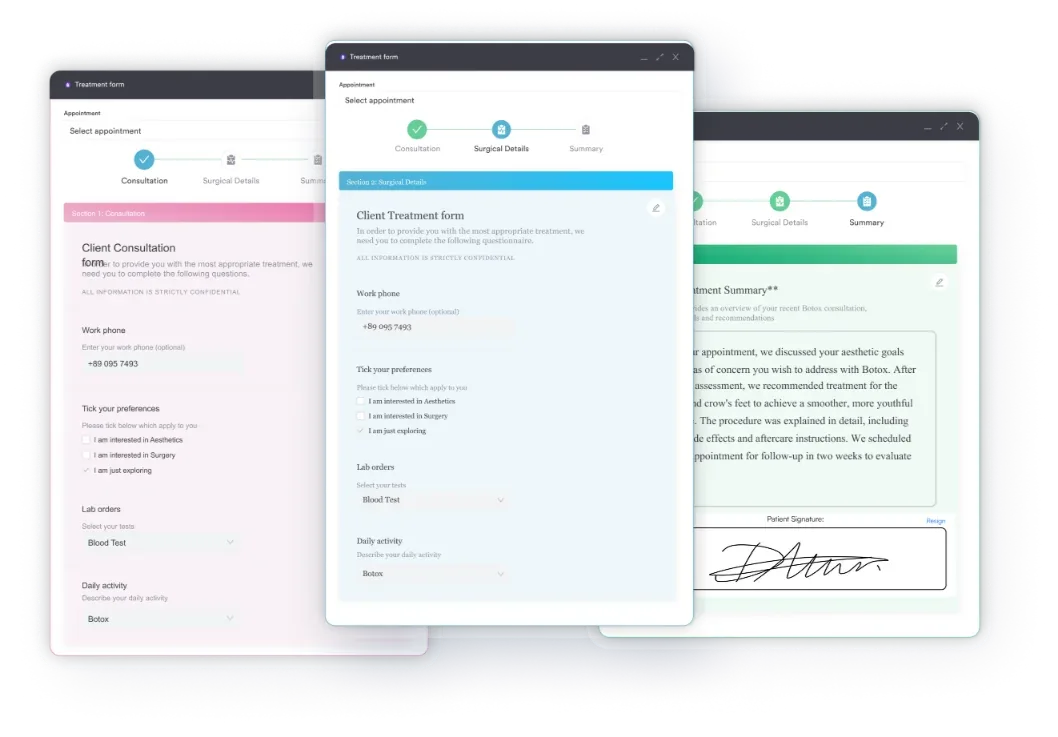
The complete documentation checklist for ICD-10 code S52.514M:
Orthopedic and sports medicine practices tracking rehabilitation milestones benefit from platforms built for sports medicine software workflows. Progress note templates there can prompt clinicians for the exact language that supports subsequent encounter coding. Building those prompts into digital client records keeps documentation audit-ready at every follow-up.
ICD-10 code S52.514M sits within the S52.51 parent code for radial styloid process fractures. Knowing the sibling structure prevents laterality, displacement, and healing-status errors. The same laterality and encounter pattern repeats across the rest of the radius series, including S52.529D.
Two errors dominate this series. One is using S52.514A (initial encounter, closed fracture) when the fracture was open. The other is holding on to an initial encounter code after active treatment ends.
The AAPC’s ICD-10-CM code reference makes the point plainly. “Initial encounter” does not mean the first visit with this provider. It means active treatment is being given for the condition. Once the patient moves to monitoring, rehabilitation, or complication management, a subsequent encounter code applies.
The same principle runs through neighboring upper limb codes such as S53.442D. The 7th character reflects clinical reality at that specific encounter, rather than the history of the fracture’s treatment.
Quick decision guide for the S52.514 series:
Four errors account for most of the rework on this code. Each one is visible in the chart before the claim goes out.
Subsequent encounter fracture codes carrying nonunion need strong documentation to clear payer review. Nonunion adds clinical complexity and often signals further intervention, so payers scrutinize these claims more heavily than routine follow-up codes.
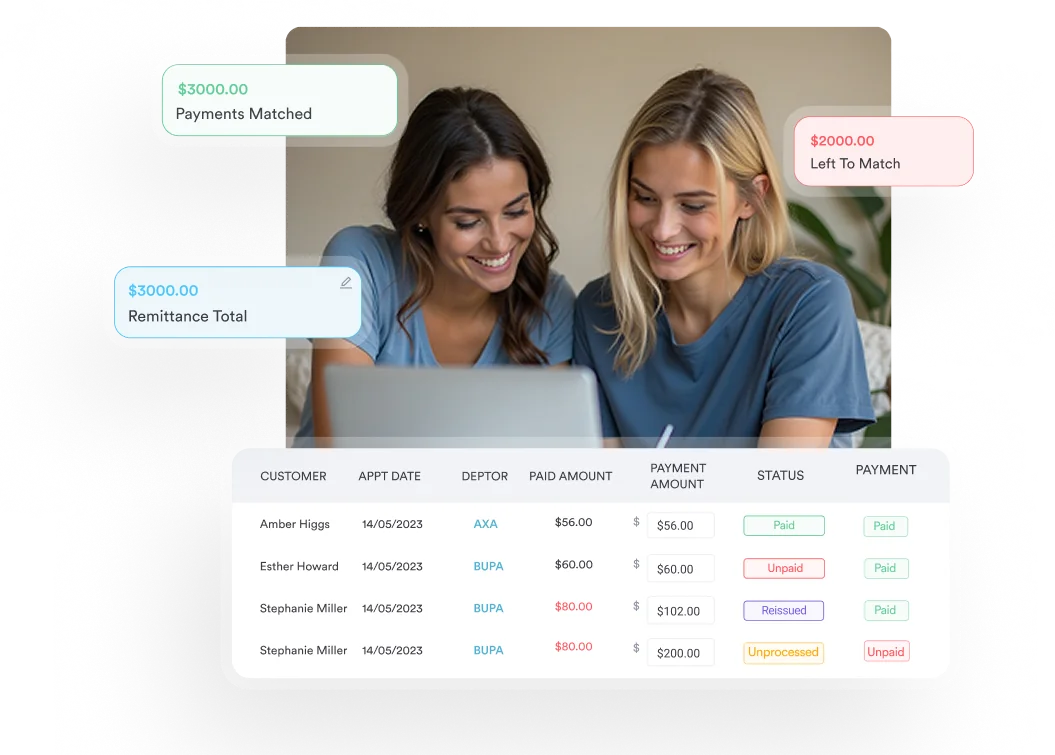
Key billing considerations for ICD-10 code S52.514M:
Practices managing complex fracture coding often fold these prompts into their broader compliance and revenue cycle processes. Debridement of the original open fracture is reported with CPT code 11010, which often sits earlier in the same patient record.
Practices billing UK private insurers work from a different system, where a diagnostic test is invoiced under a CCSD code such as XR580. CCSD diagnostic test codes sit in their own schedule, and each insurer sets its own fee rather than a national rate.
Always pair S52.514M with the primary procedure code for the nonunion management visit. A diagnosis code with no matching procedure code for that level of complexity is a common trigger for additional documentation requests. Build a superbill template that links each nonunion diagnosis code to its usual companion CPT codes.
In most practices, the 7th character is chosen after the visit, from whatever the clinician happened to write. The coder reads a note that says “not healing well”, picks a letter, and finds out months later that the payer disagreed. By then the chart is closed and the physician has moved on.
Practice management software like Pabau moves that decision forward into the visit itself. Follow-up templates for fracture care can require a healing status field. The clinician then records nonunion, delayed healing, or malunion in the note rather than in free text.
Laterality, displacement, and the original Gustilo type carry forward from the initial encounter record, which means the coder is not reconstructing them from memory.
Because clinical records and billing sit in one system, the diagnosis on the claim is the diagnosis in the note. Coding teams see the supporting documentation next to the code, catch a missing nonunion statement before submission, and spend far less time on appeals. Every Pabau subscription includes these documentation and billing tools.

Pabau connects clinical documentation to billing, so subsequent encounter fracture codes are supported by the note before the claim goes out. Orthopedic, sports medicine, and physical therapy teams catch missing detail early and appeal less.

S52.514M is correct only when four facts are confirmed in the chart. The fracture is on the right and it is nondisplaced. The original open fracture was Gustilo type I or II. A physician has documented nonunion at this subsequent encounter. Denials in this series usually trace back to one of those four being absent.
The trap worth remembering is the 7th character itself. G, H, K, M, and N all sit close together in the list. Each one describes a different combination of wound type and healing status. Reading the full descriptor before you assign the code costs seconds. Reworking a denied claim costs considerably more.
Practices that build those checkpoints into the note, rather than the claim scrub, catch the problem where it starts. Pabau ties the clinical documentation to the code before the claim goes out. Book a demo to see how orthopedic and physical therapy teams cut fracture coding denials.

Coding a nonunion on the other side of the wrist? S52.532N walks through the left radius Colles’ fracture with nonunion, including the documentation payers expect.
Need the malunion equivalent of this code? S52.356R covers malunion after an open radius fracture, and shows how the healing-status character shifts.
Still confusing sequela with a subsequent encounter? S56.529S explains how the sequela character works on a forearm injury after treatment ends.
Grafting a high-complexity site like the face? CPT code 15276 is the add-on code for each additional 25 square centimeters of skin substitute graft on the face or hands.
ICD-10 code S52.514M is a billable diagnosis code for a nondisplaced fracture of the right radial styloid process. It applies at a subsequent encounter, after an open fracture classified as Gustilo-Anderson type I or type II has failed to unite. The treating physician must document the nonunion. The code sits under the S52.51 parent series in the 2026 ICD-10-CM edition, effective October 1, 2025.
Yes. S52.514M is a billable, specific ICD-10-CM code that can be used on claims for reimbursement. It is valid in the 2026 ICD-10-CM edition, which took effect on October 1, 2025. It is not a header or a non-billable parent code.
They describe different fractures and different healing states. S52.514G means subsequent encounter for a closed fracture with delayed healing. S52.514M means subsequent encounter for an open fracture of type I or II with nonunion. Delayed healing means union is slow but still progressing. Nonunion means union has stopped. Check both the openness of the original fracture and the documented healing status before choosing.
S52.514A covers the initial encounter for a closed nondisplaced fracture of the right radial styloid process during active treatment. S52.514M applies at a follow-up encounter after an open type I or II fracture has failed to heal. The differences are encounter type, fracture openness, and healing status.
The 7th character M means subsequent encounter for an open fracture classified as Gustilo-Anderson type I or type II, with nonunion. It tells the payer that active treatment has ended and the patient is in follow-up care. It also confirms the original wound was an open fracture of lesser severity, not type III. Nonunion must be stated explicitly in the record. Coders cannot assign M based on elapsed time alone.
The record must confirm five elements. The fracture is on the right side. It is nondisplaced. The original fracture was open and classified as Gustilo-Anderson type I or type II by the treating surgeon. This is a subsequent encounter rather than active initial treatment. The physician has explicitly documented nonunion. Missing any element is grounds for payer denial or audit recoupment.
The closest neighbors sit inside the S52.514 series. S52.514B is the initial encounter for an open type I or II fracture. S52.514E covers routine healing and S52.514H covers delayed healing. S52.514K is the closed fracture nonunion code, and S52.514Q is the open type I or II malunion code. S52.515M is the same presentation on the left side, and S52.511M is the displaced right-sided equivalent.



