



HCPCS code E0198: Water pressure pad billing guide
HCPCS code E0198 is a water pad for a standard mattress HCPCS code E0198 is the ...

Last Updated: Oct 13, 2026

“CCSD code 0142T” isn’t a real CCSD code. It’s US CPT Category III code 0142T, deleted effective January 1, 2012, and it was never part of the UK CCSD schedule
0142T sat inside a small family of codes, 0141T through 0143T, that covered pancreatic islet cell autotransplantation performed as part of a total pancreatectomy with islet autotransplantation, known as TP-IAT
In the US, that procedure is billed today under CPT 48160. Some payers have historically referenced HCPCS codes G0341 to G0343 or S2102, or the unlisted-procedure code 48999, but this varies by payer rather than following one fixed rule
There’s no automatic CCSD equivalent for 0142T. UK practices handling pancreatic work at this level need to map to the current CCSD narrative for the procedure performed and confirm it with the insurer, because CCSD and CPT are entirely separate coding systems
If you’re here for CCSD code 0142T, here’s the twist: there isn’t one. It’s not a CCSD code, and it never has been. What you’ve actually found is a retired US billing code: CPT 0142T. It’s quietly made its way into a UK search.
That crossover is easy to miss and expensive to ignore. Put a US code on a UK insurer’s claim and it simply won’t validate. Payment stalls before it even starts. Here’s what 0142T actually covered, why it disappeared back in 2012, and what UK practices should reach for instead.
CPT Category III codes are the American Medical Association’s holding bay for new and emerging procedures. The AMA assigns a temporary four-digit-plus-“T” code while a treatment builds up enough evidence to earn a permanent Category I code.
The AMA’s CPT Editorial Panel reviews them roughly every six months and can delete them, renew them, or promote them. Most Category III codes disappear within a few years. Either the technology never took hold, or a permanent code eventually took over.
0142T belonged to a tight family of three: 0141T, 0142T, and 0143T. The AMA introduced all three in 2006. They described pancreatic islet cell autotransplantation carried out as part of a total pancreatectomy, split out by surgical approach. 0141T covered a percutaneous approach, 0142T an open procedure through the portal vein, and 0143T the laparoscopic version.
All three described the same underlying idea. After removing a diseased pancreas, the surgical team isolates the patient’s own insulin-producing islet cells. The team then infuses those cells back into the patient, usually into the liver via the portal vein.
That way, the patient doesn’t also develop surgical diabetes. Clinicians now generally call this combination total pancreatectomy with islet autotransplantation, or TP-IAT. Surgeons turn to it as a last resort for chronic or recurrent pancreatitis. They reach for it only after pain management and less invasive options fail. It doesn’t remove the diabetes risk entirely.
Published outcome series report roughly a quarter of patients reaching full insulin independence a year after surgery. For the right patient, though, the procedure can meaningfully reduce the severity of that risk.
The AMA’s CPT Editorial Panel deleted all three codes effective January 1, 2012. AAPC’s code lookup for 0142T confirms this. Multiple US payer medical policies repeat it too, still referencing the deletion when they explain why the codes no longer appear on their non-covered lists.
Those payers include Premera, BCBS Mississippi, BCBS Florida, Blue Cross NC, and Maryland Physicians Care. TRICARE’s policy manual has also historically listed 0142T under the label “PANCREATIC ISLET CELL TRANSP.” None of that history touches the UK CCSD schedule.
CCSD is an entirely separate coding system. A different organization runs it, for a different insurance market.
The confusion has a simple root cause. CCSD and CPT solve the same basic problem: describing a procedure so an insurer can price and pay it. But they serve two completely different healthcare markets, and they don’t talk to each other.
The Clinical Coding and Schedule Development (CCSD) organization maintains CCSD codes for the UK private healthcare sector. Bupa, AXA Health, Vitality, and Aviva all build their fee schedules on top of it. CPT is the AMA’s system for the US market, covering Medicare, Medicaid, and US commercial payers.
A code being active, deleted, or renamed in one system has zero bearing on the other. When 0142T disappeared from CPT in 2012, nothing happened to any CCSD code. There was never a CCSD code tied to it to begin with.
It doesn’t help that the two systems’ code formats look superficially similar at a glance. CPT Category III codes are four digits plus a trailing “T.”
CCSD codes typically take a letter-prefix-plus-digits format, something like W8520. The exact structure isn’t fully public as it sits behind the CCSD organization’s own technical documentation, along with what any given letter or digit signifies. Neither format tells you which system you’re looking at, not without checking the source. And a short alphanumeric string pasted into a shared spreadsheet years ago rarely comes with a label attached.
Before you take a code from a clinical paper, a payer PDF, or an old internal spreadsheet and put it on a UK invoice, check which coding system it actually belongs to. US CPT and HCPCS codes sometimes creep into shared reference documents that get passed around a practice for years without anyone re-checking them. If a code doesn’t appear in the current CCSD schedule or your insurer’s own portal, don’t guess. It may not be a CCSD code at all.
It helps to see the whole path a UK private claim takes. That’s where a stray US code like 0142T actually causes damage. It doesn’t sit in a filing cabinet, but rather shows up partway through a live claim.
A practitioner completes the procedure and records it in the patient’s notes. Someone on the billing side then assigns the CCSD code, or codes, that match the procedure. In a smaller practice, that’s often the practitioner themselves. The billing team checks that code against the current CCSD schedule, not memory or last year’s invoice.
The billing team submits that code, along with the patient’s policy details and any required pre-authorization reference. Submission is usually electronic, through Healthcode or a similar clearing service, though a handful of smaller payers still take paper. The insurer’s own system then validates the code against its accepted list and fee schedule.
Practice management software like Pabau plugs into exactly this step. It integrates directly with Healthcode for CCSD claim submission, pre-submission validation, and live status tracking. It flags an unrecognized or outdated code before it reaches the insurer.
That’s well before a rejection would land three weeks later. That’s the point where a stray code like 0142T would get caught. If it ever found its way onto an invoice by mistake, this is where it stops. It isn’t in the CCSD schedule, isn’t in Healthcode’s code set, and isn’t in any UK insurer’s portal. It simply won’t validate.
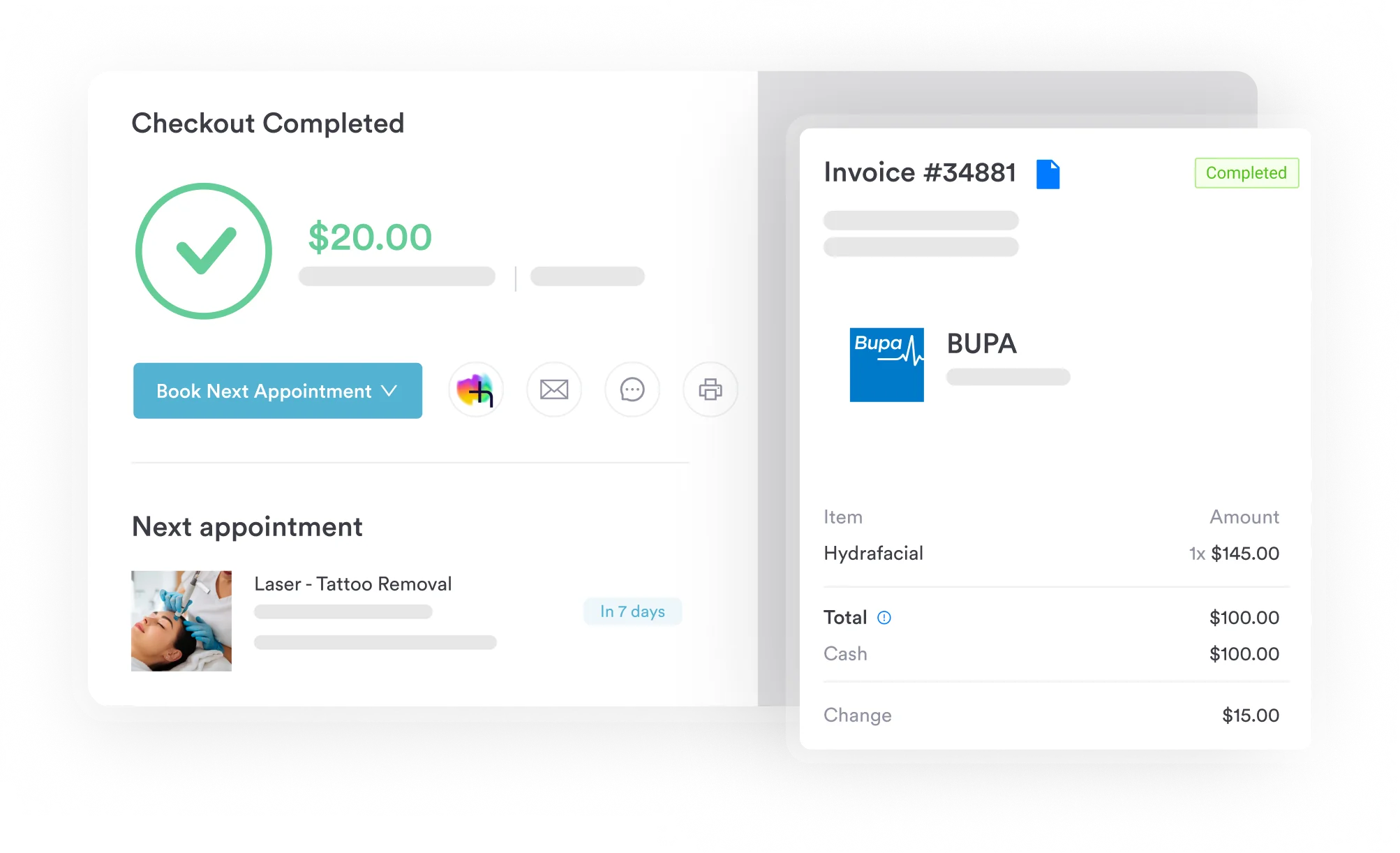
Our guide to managing a practice covers the operational side that sits behind clean CCSD billing.
Say a patient needs the same underlying procedure 0142T used to describe: a total pancreatectomy with islet autotransplantation for severe chronic pancreatitis.
In the US, the surgical team bills CPT 48160 for the combined procedure today. The billing office already knows not to reach for 0141T, 0142T, or 0143T, as those codes have been gone since 2012. If a payer’s system doesn’t recognize 48160 for some reason, the fallback is 48999, the unlisted-procedure code. Billing teams submit it with supporting notes and a fee negotiated against a comparable listed procedure.
In the UK, there’s no single CCSD narrative that packages TP-IAT as one line item. It’s rare enough here that CCSD hasn’t needed to create one.
The practical route is to code the pancreatic resection itself against the closest current CCSD narrative for a major pancreatic procedure. Treat the islet autotransplantation component as an additional item to agree directly with the insurer. Ideally, get that agreement through pre-authorization before surgery, rather than as a surprise line on the invoice afterward.
That’s the same shape of workaround US payers use when they fall back on an unlisted-procedure code. Name the closest listed procedure, document what’s different about this case, and get the insurer to agree the extra before you bill it.
The lesson carries over neatly to any procedure that doesn’t have a tidy code in either system. Don’t guess and don’t reuse an old reference. Flag it early, and get it priced before treatment, not after.
Every major UK private health insurer bases its billing and reimbursement on the CCSD schedule. But each layers its own fee schedule, unbundling rules, and submission process on top. Verify acceptance and pricing directly with each insurer before invoicing, since individual insurer schedules can exclude or modify specific codes.
Run through this before an invoice goes out, not after it comes back queried.
0142T is a retired US CPT code for part of a pancreas procedure, not a CCSD code. It has no place on a UK private insurer invoice. The procedure it once described is still very much a real one. US surgical teams bill TP-IAT under CPT 48160 today.
If your UK practice deals with pancreatic work at that level, the same rule applies as with any unfamiliar code: check it against the current CCSD schedule and your insurer’s own portal before you submit, not after.

Pabau integrates directly with Healthcode for CCSD claim submission, pre-submission validation, and live status tracking, so UK private practices catch an outdated or non-native code before it ever reaches the insurer.


Billing durable medical equipment instead? HCPCS code E0144 guide covers billing the enclosed four-sided walker with a posterior seat as durable medical equipment.
Need a heavy-duty walker billing code? HCPCS code E0147 guide covers billing the heavy-duty walker with a multiple braking system and variable wheel resistance.
Want to understand Bupa fee schedule requirements? Bupa procedure codes and fee schedule breaks down the fee structure UK private practitioners need to know before submitting insurer invoices.
It isn’t used for anything under CCSD, because it was never a CCSD code. “0142T” is US CPT Category III code 0142T. It used to cover the open, portal-vein approach to pancreatic islet cell autotransplantation, performed as part of a total pancreatectomy with islet autotransplantation (TP-IAT). The AMA deleted it from the CPT code set effective January 1, 2012.
The AMA deleted CPT code 0142T, along with its companion codes 0141T and 0143T, effective January 1, 2012. In the US, teams bill the underlying procedure today under CPT 48160. There’s no automatic CCSD replacement, because 0142T was never a CCSD code to begin with.
CPT and CCSD codes can look superficially similar: both are just short alphanumeric strings tied to a procedure. US clinical literature on rare procedures like TP-IAT often circulates in the UK. It rarely comes with a clear label on which coding system its codes belong to. Checking the current CCSD schedule directly, rather than relying on a code found in a US source, avoids the mix-up.
Bupa, AXA Health, Vitality, and Aviva all build their billing on the CCSD schedule. So do WPA, Healix, Allianz Care, and Cigna UK. Each insurer layers its own fee schedule and submission rules on top of the base CCSD code set. It’s worth confirming acceptance and pricing with the specific insurer before invoicing.
The Clinical Coding and Schedule Development organization maintains CCSD codes for the UK private healthcare market. They typically take a letter-prefix-plus-digits format, such as W8520. The American Medical Association maintains CPT codes for the US healthcare market. Permanent codes use a five-digit numeric format; temporary Category III codes use four digits plus “T.” UK private insurers work from CCSD, not CPT.
Identify the closest current CCSD narrative for the procedure you performed. Contact the insurer directly about any component it doesn’t cover, ideally before treatment rather than after you submit the claim. It’s the same problem US payers solve with an unlisted-procedure code like CPT 48999 when nothing on the list fits.



