HCPCS code G0257: Unscheduled or emergency dialysis billing guide
HCPCS code G0257: Official descriptor and code overview HCPCS code G0257 is defi...

Last Updated: Oct 27, 2026

CPT code 00162 describes anesthesia for radical surgery on the nose and accessory sinuses, part of the head anesthesia range 00100-00222.
The ASA-assigned base unit value for CPT 00162 is 7, used in the reimbursement formula: (Base Units + Time Units + Modifying Units) x Conversion Factor.
Physical status modifiers P1-P6 and CRNA modifiers QX, QY, QZ are required on every claim. Missing or incorrect modifiers are the leading cause of denial.
Pabau’s claims management software links clinical documentation directly to CPT codes, reducing the documentation errors that trigger anesthesia claim denials.
CPT code 00162 is the anesthesia code for radical surgery on the nose and accessory sinuses, part of the head anesthesia range 00100-00222. It carries 7 ASA base units, reflecting the added complexity of radical resection compared with routine nasal and sinus procedures.
This reference covers the official descriptor, ASA base units, and the full reimbursement calculation for CPT code 00162. It also covers applicable modifiers, ICD-10 crosswalk codes, documentation requirements, and the billing errors most likely to get your claim rejected.
Whether you code anesthesia daily or are verifying a specific claim, you’ll find the details you need here. The American Medical Association (AMA) maintains the CPT code set and publishes the authoritative descriptor for every code in this range.
Official descriptor: Anesthesia for radical surgery on the nose and accessory sinuses.
CPT code 00162 falls within the head anesthesia range 00100-00222, which covers anesthesia services for all procedures performed on the head. “Radical surgery” in this context means extensive tissue removal or reconstruction, not simply endoscopic sinus surgery.
Functional endoscopic sinus surgery (FESS) typically uses adjacent codes. CPT code 00162 applies when the procedure involves radical resection of nasal structures or multiple accessory sinuses.
The procedure code fee schedules for anesthesia services are built on a base-unit system published in the ASA Relative Value Guide (ASA RVG). Each code in the head anesthesia range carries a specific base unit value that reflects the complexity and risk of the procedure.
CPT code 00162 carries 7 base units per the ASA Relative Value Guide. For context, here is how it compares to adjacent codes in the same head anesthesia series.
The 2-unit jump between CPT 00160 (5 units) and CPT code 00162 (7 units) reflects the added surgical complexity. Coders sometimes default to 00160 out of habit. Selecting the wrong code costs the practice roughly 29% of its base-unit reimbursement on every claim.
Anesthesia reimbursement follows a unit-based formula governed by the CMS Physician Fee Schedule, not a flat fee.
The formula: (Base Units + Time Units + Modifying Units) x Conversion Factor = Reimbursement
CMS and most commercial payers use 15-minute increments as the standard time unit. One time unit equals one 15-minute block of anesthesia time. Document start time and stop time precisely in the anesthesia record. Vague entries (“approximately 2 hours”) are a common audit trigger.
Suppose a radical sinus resection runs 90 minutes. Here is the calculation at a sample Medicare conversion factor of $21.50. Rates vary by MAC jurisdiction, so verify your region’s current factor via the FastRVU 2026 RVU lookup.
Medicare conversion factors differ by MAC jurisdiction and update each January. Always confirm your region’s current rate before projecting annual revenue for procedures billed under CPT code 00162.
Every anesthesia claim requires at least two modifier types: a provider role modifier (who delivered the anesthesia) and a physical status modifier (patient health status). Missing either is a guaranteed denial.
Physical status modifiers reflect the patient’s overall health at the time of anesthesia. They do not affect Medicare reimbursement directly, but many commercial payers build physical status unit values into their fee schedules. Omitting the modifier is a claim error regardless of payment impact.
Qualifying circumstance codes are add-ons billed alongside CPT code 00162 when specific conditions apply. Each adds modifying units to the formula and requires supporting documentation.
Payers require a supporting diagnosis code that documents the medical necessity for radical nasal or sinus surgery. The ICD-10-CM codes below represent the most common crosswalk diagnoses for this procedure. Verify against the current CDC/NCHS ICD-10-CM tool before submitting, as the code list updates annually.
Code to the highest specificity available. Using J32.9 (unspecified) when a more specific chronic sinusitis code exists (J32.0-J32.4) is a medical necessity red flag for payers reviewing radical surgery claims.
Always document whether the procedure is radical versus standard in your pre-op assessment and operative note. Payers that receive a 00162 claim for what looks like a routine FESS may request medical records. The operative report must clearly support “radical surgery” as the descriptor, not simply sinus surgery.
Incomplete documentation is the second-most common reason anesthesia claims are denied, behind modifier errors. Maintaining HIPAA-compliant medical office billing records is a prerequisite, but anesthesia services carry additional documentation requirements beyond the standard clinical note.
Every claim for CPT code 00162 should be supported by the following records.
Good documentation habits extend to anesthesia pre-op forms that capture the clinical context for the modifier selected. Practices that use standardized templates catch missing documentation before claims submission rather than after a denial letter arrives.
Anesthesia claims have a higher denial rate than most CPT categories because they combine time-based billing, supervision modifiers, and physical status reporting in a single claim. These are the errors that coders encounter most often with CPT code 00162 and similar anesthesia head procedure codes.
The most persistent billing errors in anesthesia coding share a root cause: clinical documentation and billing systems that do not talk to each other. A coder working from a paper anesthesia record cannot verify start times, modifier choices, or physical status classifications without tracking down the original clinician. That gap is where claims go wrong.
Pabau’s claims management software links the clinical record directly to the billing workflow. Pre-op assessments, intraoperative notes, and post-anesthesia evaluations are all stored in the same system as the claim, so coders can verify documentation before submission rather than after a denial.
Using HIPAA-compliant billing workflows built around structured digital records reduces the documentation errors that trigger rejections on anesthesia claims like CPT code 00162.
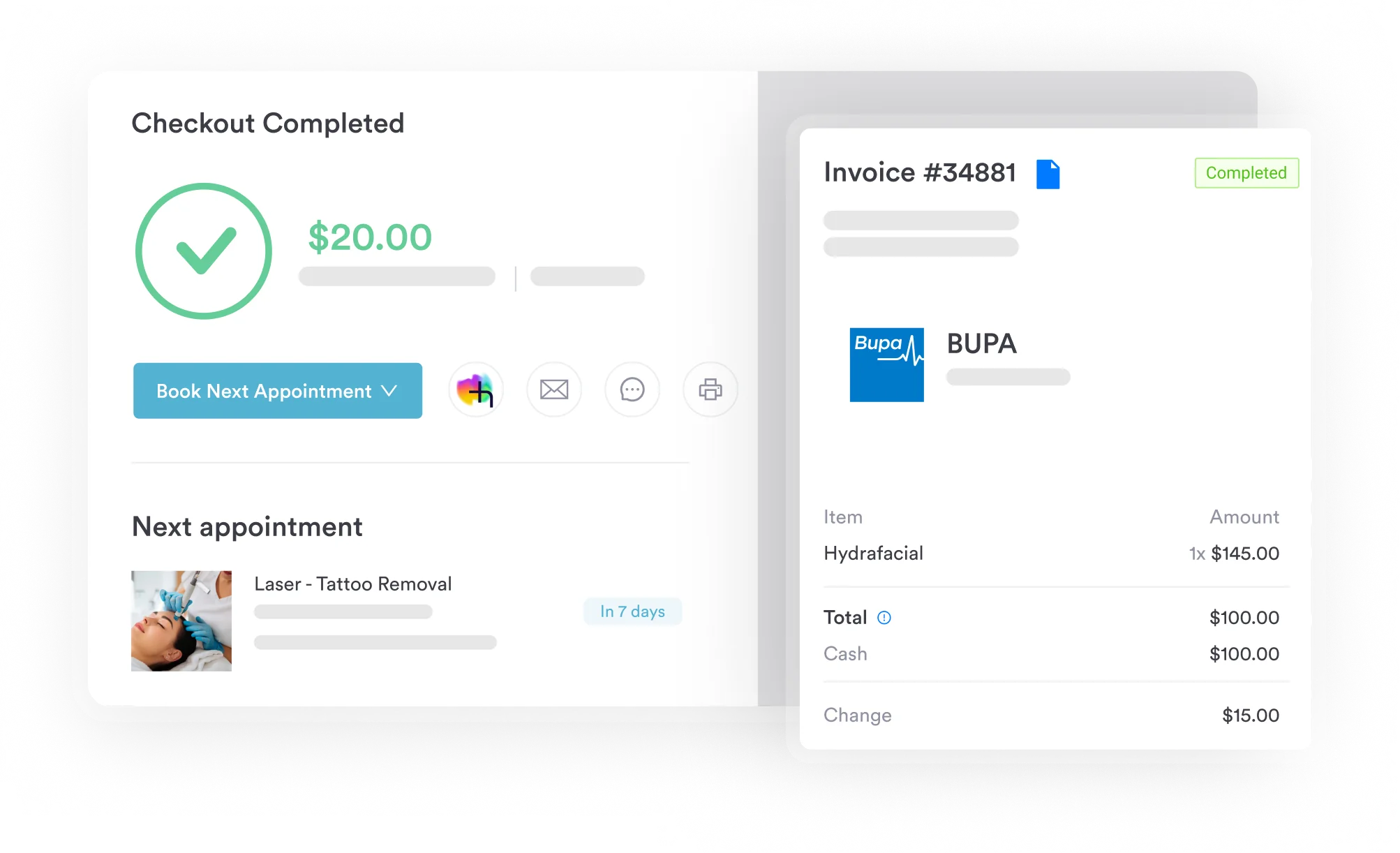
Practices managing practice management software features alongside clinical operations benefit from seeing billing analytics alongside patient records.
Pabau’s reporting surfaces denial patterns, such as repeated missing modifier errors or incorrect time-unit calculations, at the practice level so teams can correct systemic issues rather than addressing each claim individually.
The digital intake forms within Pabau also support structured pre-operative documentation that feeds directly into the billing record.
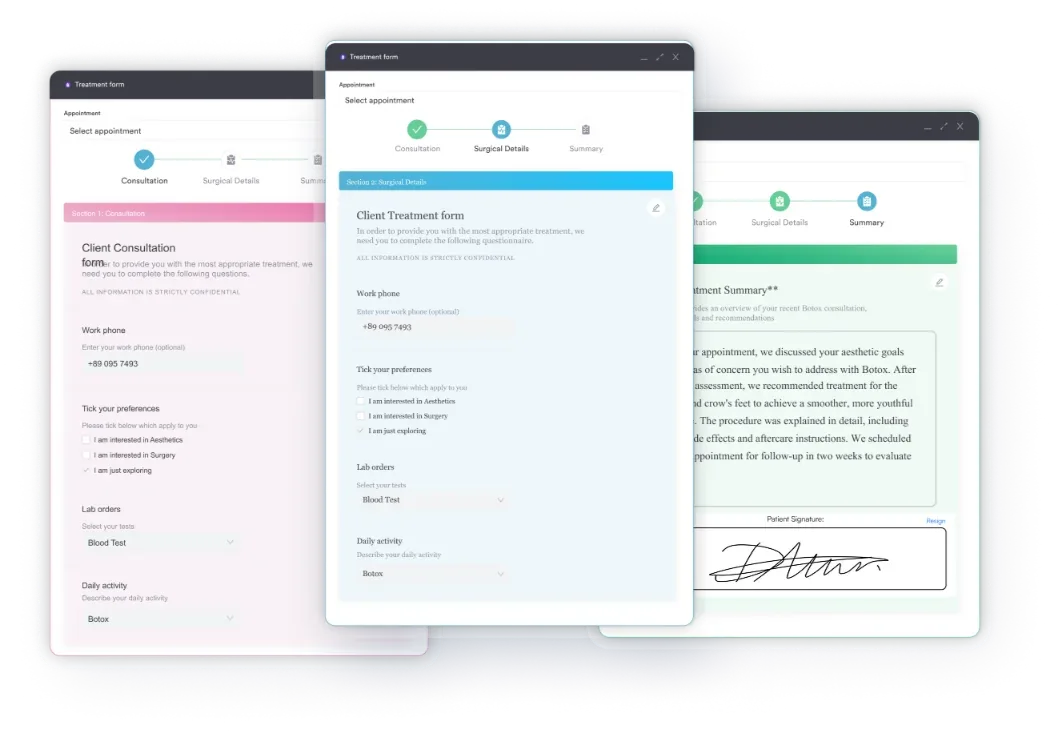

Pabau links clinical notes, modifier selection, and claim submission in one platform so your team catches billing errors before they become denial letters.

Understanding where CPT code 00162 sits within the broader head anesthesia range (00100-00222) helps coders select the right code when the operative report does not use the word “radical” explicitly. The AAPC Codify CPT lookup provides the full code range with descriptors and can help confirm selection.
The same base-unit and time-unit formula applies to other codes in this range, such as CPT 00104 for electroconvulsive therapy, and extends to anesthesia codes for other anatomical regions.
Anesthesia billing follows this same structure across specialties.
When reviewing an operative report that describes extensive ethmoid or maxillary resection alongside nasal work, check whether two codes may be appropriate or whether one radical code covers the full procedure. Unbundling anesthesia codes across sinus structures that were addressed in a single surgical encounter is a common NCCI edit trigger.
CPT code 00162 carries 7 ASA base units and applies specifically to radical nasal and sinus surgery – not routine sinus procedures. Getting the code right starts with the operative note, but it does not end there. Accurate modifier pairs, precise time documentation, and the correct ICD-10 crosswalk diagnosis all determine whether the claim pays on first submission. Batch submissions group many claims into one claim file, and one malformed record can hold up the batch. The visit level rests on documented history, examination and medical decision making, not on the minutes spent.
Pabau’s billing transaction management connects clinical documentation to the claims workflow, so anesthesia billing teams have the records they need at the point of submission rather than chasing them after a denial. To see how Pabau handles anesthesia billing documentation end to end, book a demo.

Coding case management for substance use disorders? HCPCS code H0006 billing guide covers Medicaid billing for substance use case management, including assessment, care planning, and referral services.
Billing for long-term residential behavioral care? HCPCS code H0019 billing guide covers per diem billing for long-term residential behavioral health stays and what the code excludes.
Want to understand how anesthesia coding fits into broader procedure code structures? ADHD screening CPT guide shows how CPT time-based and evaluation codes are structured for specialty billing workflows.
CPT code 00162 is used to bill anesthesia services for radical surgery on the nose and accessory sinuses. It covers procedures involving extensive resection of nasal structures or multiple sinus compartments, as distinct from routine functional endoscopic sinus surgery, which typically uses adjacent codes in the 00160 range.
CPT code 00162 carries 7 base units per the ASA Relative Value Guide. This is higher than adjacent codes 00160 and 00164 (5 and 4 units respectively), reflecting the greater complexity and risk of radical nasal and sinus surgery.
Every claim for CPT code 00162 requires both a provider role modifier (AA for personal performance, QK/QX for physician direction of a CRNA, QZ for independent CRNA practice) and a physical status modifier (P1 through P6). Qualifying circumstance add-ons (99100, 99135, 99140) may also apply when documented.
Reimbursement uses the formula: (Base Units + Time Units + Modifying Units) x Conversion Factor. For CPT code 00162 with 7 base units, a 90-minute procedure yields 6 time units (90 minutes / 15), totaling 13 units before any modifying additions. Multiply by your MAC jurisdiction’s current conversion factor to estimate payment.
Medicare anesthesia conversion factors vary by MAC jurisdiction and update each January. There is no single national rate; each MAC sets its own. Verify your region’s current rate through the CMS Physician Fee Schedule search or the FastRVU RVU lookup tool before projecting reimbursement for CPT code 00162.
When a CRNA performs anesthesia under physician direction, the physician bills with modifier QK and the CRNA bills with modifier QX on separate claims for the same service. If the CRNA practices independently in an opt-out state, modifier QZ applies. Mismatched modifier pairs between the two claims are a leading cause of denial on CRNA-performed anesthesia services.