

CPT Code 30801: Superficial turbinate ablation billing guide
CPT Code 30801: Official descriptor and procedure overview The American Medical ...

Last Updated: Nov 27, 2026
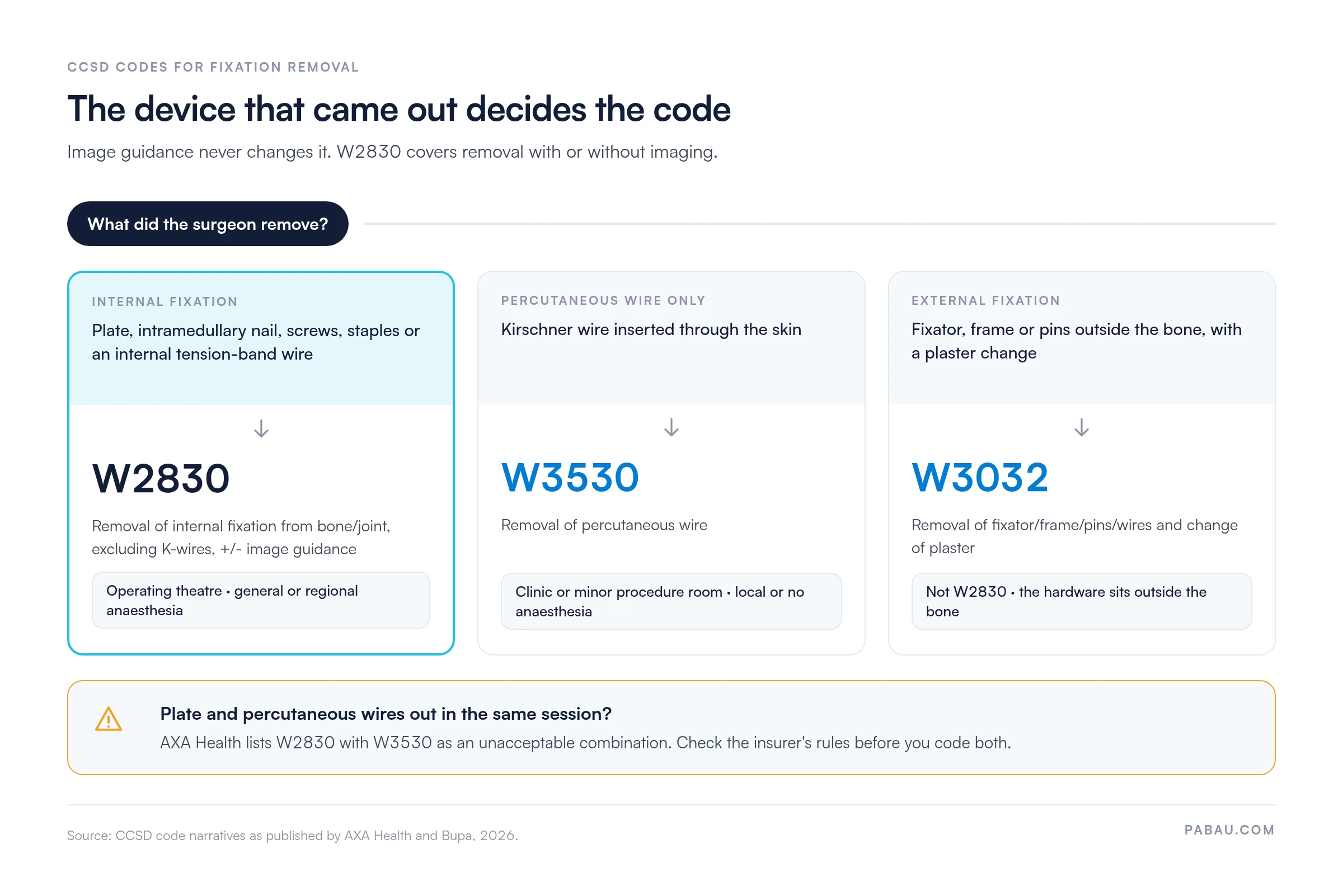
W2830 is the CCSD code for removal of internal fixation from bone or joint, excluding K-wires, with or without image guidance. It covers plates, intramedullary nails, screws and staples taken out once the bone no longer needs them.
Removal of a percutaneous K-wire is coded W3530 instead. AXA Health lists the two codes as an unacceptable combination, so a session that removes both needs the insurer's rules checked first.
Let Pabau's smart automation suggest the right codes, reduce claim denials, and keep your practice compliant—effortlessly.
Automate repetitive tasks and focus on what matters most—your patients.
Reduce coding errors and ensure compliance with the latest regulations.
Clean claims, fewer denials, and faster reimbursements.
Powerful insights and reporting to help your practice thrive.
HIPAA compliant SOC 2 certified GDPR-compliant Trusted by 4,000+ clinics worldwide

CCSD Code W2830 covers removal of internal fixation from bone or joint, such as plates, nails, screws and staples, with or without image guidance.
Removal of a percutaneous K-wire is coded W3530, and AXA Health lists W2830 and W3530 as an unacceptable combination.
Image guidance does not change the code, but the operative note should record that it was used and why.
Most major UK private insurers require pre-authorisation before an elective W2830 procedure, and proceeding without it usually leads to full claim denial.
Pabau, a practice management platform, tracks pre-authorisation status, stores operative notes and flags incomplete claims before submission.
CCSD Code W2830 is the CCSD code for removal of internal fixation from bone or joint, excluding K-wires, with or without image guidance. AXA Health’s chapter 16 code list files it under fractures and fixation devices, with that narrative and an intermediate complexity rating. UK private medical insurers use the schedule to pay orthopaedic and trauma surgeons working in independent hospitals.
The procedure is the planned surgical removal of hardware implanted to stabilise a fracture, osteotomy or joint repair. Once the bone has healed, the surgeon may take the device out because of pain, impingement, infection, prominent metalwork or patient preference. The approach, anaesthetic and setting can vary, and the code stays the same.
Two parts of the descriptor settle most billing questions. The first is the K-wire exclusion, because removal of a percutaneous Kirschner wire is coded W3530. The second is the “+/- image guidance” clause. W2830 covers guided and unguided removal alike, so fluoroscopy does not change the code, but the operative note should record it.
CCSD codes are maintained by the CCSD Group and updated periodically. The group is made up of four insurers: Bupa, Vitality, AXA Health and Aviva. Confirm that W2830 is current before billing, particularly after a new schedule release.
Internal fixation removal under W2830 is an elective operation performed under general or regional anaesthesia. The surgeon reopens the original wound or makes a new incision over the implant.
The soft tissue is then dissected to expose the hardware, which is extracted with the matching instruments. Cannulated screws placed under W1912, for pinning of the femoral head, are one example of hardware removed this way. Fixation left after a scaphoid non-union repair under CCSD procedure W3200 comes out under W2830 too, unless it is a K-wire. The same applies to screws left after a wedge-graft reconstruction under W3202.
Clinical indications documented in the operative note typically include one or more of the following:
Image guidance, by fluoroscopy or intraoperative imaging, is used selectively. It is most common when removing intramedullary nails, confirming that every screw is out, or working around complex anatomy. Because W2830 accommodates guided and unguided removal, the imaging choice affects what the note must record and leaves the code alone.
The procedure is most often performed as a day case in the independent sector. The setting on the consultant’s claim has to match the hospital’s facility claim. A day case billed against an inpatient facility code creates a mismatch, and the insurer rejects the claim.
W2830 applies to rigid internal fixation devices implanted within bone or at a joint, with one explicit exclusion: K-wires and percutaneous wires. The table below summarises device scope.
How a wire was placed decides its code. A wire implanted inside the bone as part of a tension-band construct is internal fixation, so its removal falls under W2830. A Kirschner wire inserted percutaneously, often protruding through the skin and removed in a minor procedure, is W3530.
W3530 covers removal of a percutaneous wire, and W2830 covers other internal fixation removed from bone or joint. Each fixation element takes one of the two codes, never both. AXA Health goes further and lists the pair as an unacceptable combination on the same claim.
When a plate and percutaneous wires come out in the same session, check the insurer’s rules before coding both. AXA Health will not accept the pair together. Record each device removed, and its type, so the insurer can see what the fee covers. The chart below sets out the three removal codes side by side.
No. W2830 covers removal of internal fixation with or without image guidance under a single code. The “+/- image guidance” clause means the code stays the same when fluoroscopy is used during the operation.
What does change is the documentation standard. When image guidance is used, the operative note must confirm:
A note that says only “removal of IM nail under fluoroscopy” gives no reason for the imaging. If an insurer audits the claim and finds the guidance was not clinically indicated, it may treat a separately billed imaging code as upcoding. The W2830 line itself does not change, but any imaging code needs its own justification.
Whether a separate imaging code can be billed alongside W2830 depends on the insurer’s unbundling policy. Bupa and AXA Health both publish unbundling guidance with their CCSD schedules. Check the relevant schedule before submitting the procedure and imaging together.
Insurers assess a W2830 claim against the operative note. A note that leaves out a required field invites a request for further information or an outright rejection.
A complete operative note for a W2830 claim should include:
A structured operative note template prompts for each of these fields at the point of entry. In Pabau, orthopaedic teams build procedure-specific templates, so a field cannot be skipped before the note supports a claim.
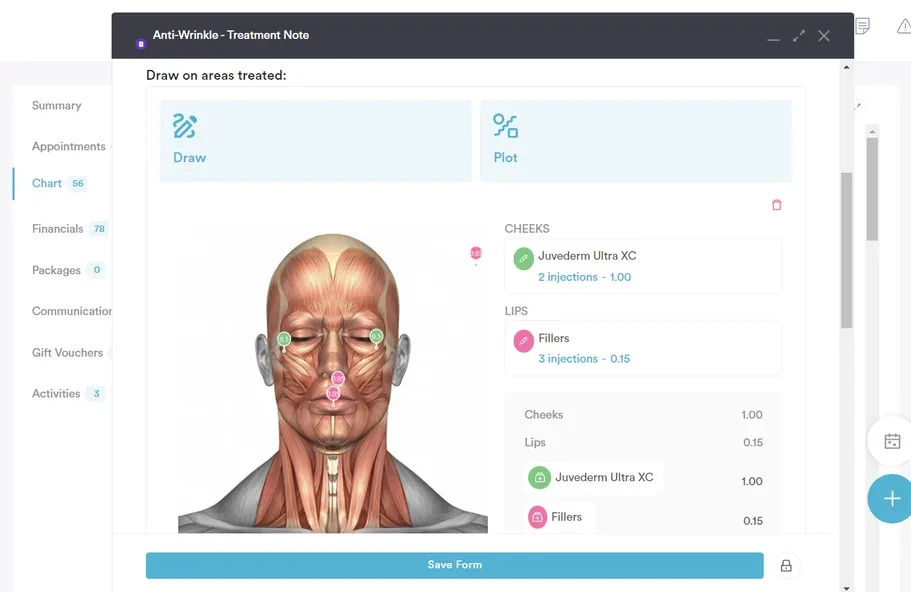
Create a W2830 operative note template that prompts for device type, laterality, anaesthetic, setting and image guidance. A complete first submission avoids the insurer information requests that hold up payment.
Most major UK private insurers require pre-authorisation before elective orthopaedic procedures including W2830. Proceeding without authorisation where it is required typically results in full claim denial, regardless of clinical necessity or coding accuracy.
Submit the pre-authorisation request well before the planned date. Keep the authorisation reference and include it on the invoice. Insurers do not accept “clinical urgency” after the fact for a planned metalwork removal with no emergency element.
W2830 denials follow a consistent pattern. Billing teams that know the causes can build checks into submission and stop chasing rejections afterwards.
The K-wire error and a missing pre-authorisation can both be caught at the point of coding, before the claim needs an appeal. The duplicate-billing check matters when the original fixation, such as W1940 for a small bone, and the removal fall close together. Each episode needs its own admission record.
W2830 sits within a cluster of orthopaedic procedure codes that commonly appear in the same billing context. Knowing the adjacent codes reduces the risk of under-coding, over-coding, or missing a separately billable procedure.
An infected implant often comes out with debridement of the bone. AXA Health lists W1800 as an unacceptable combination with W2830, so check before billing both. External fixators come out under W3032 instead, with the plaster change included. Adjusting an Ilizarov frame or its rings, rather than removing it, is coded CCSD W3020. On a short bone, the frame may have gone on under W2580 after a closed reduction.
The licensed CCSD Schedule of Procedures groups codes by specialty chapter, so related orthopaedic codes sit together. Our UK private billing reference indexes the CCSD code pages, and our Bupa CCSD codes guide explains how Bupa applies the schedule.
Before submitting any multi-code claim alongside W2830, review the insurer’s unbundling guidelines. Bupa, AXA Health and Aviva all publish unbundling rules. They set out which code combinations are accepted and which fall inside the primary procedure fee.
A clean W2830 claim needs three things in order. The operative note is complete, the pre-authorisation is confirmed, and the coded claim matches the hospital’s submission. When dictation, a pre-authorisation spreadsheet and invoices sit in separate tools, one of the three is easily missed.
Pabau’s medical billing software keeps those steps in one place. Orthopaedic billing teams can:
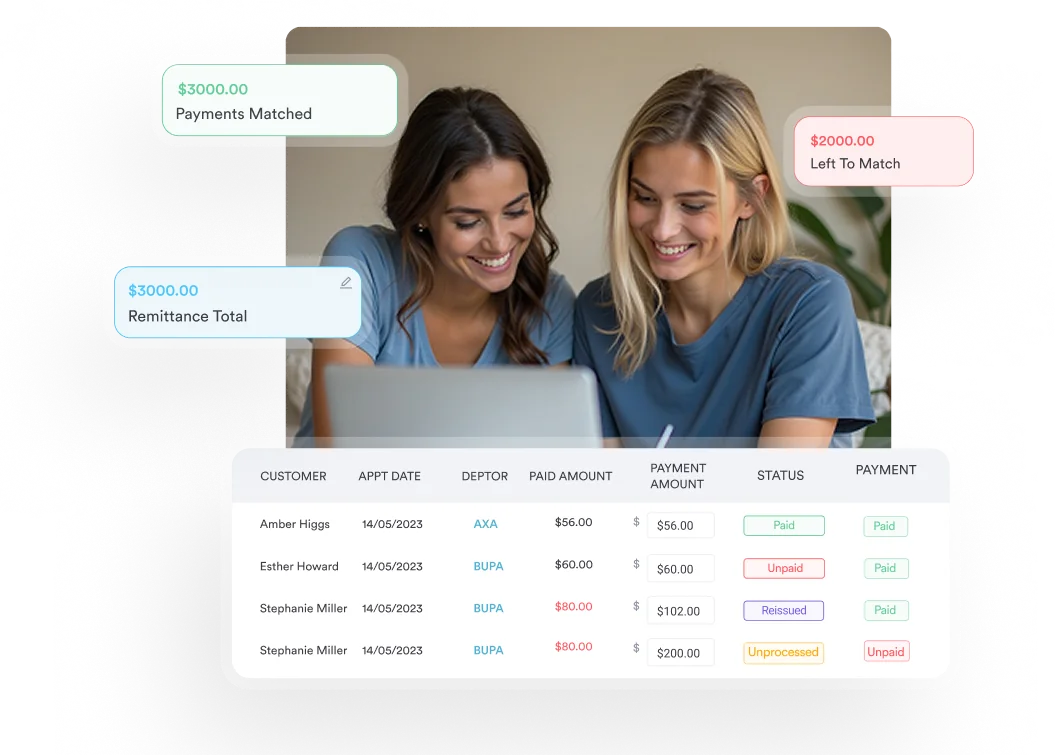
For orthopaedic and sports medicine practices with a high volume of metalwork removals, the gain is less re-work. Each rejected claim means gathering information, re-coding and resubmitting. A documentation check before submission catches those errors before they become denials.
Patient records that link operative notes, pre-authorisation references and submitted claims also make audits simpler. If an insurer queries a W2830 claim six months later, the evidence sits in one record. Nobody has to search the dictation service, the secretary’s inbox and the billing spreadsheet.
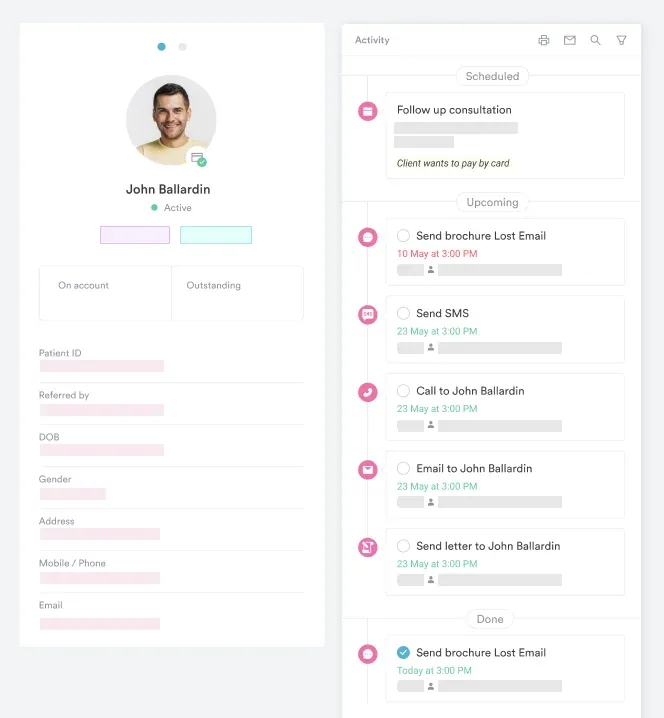

Pabau helps UK orthopaedic practices track pre-authorisation status, store operative documentation, and submit cleaner claims with fewer rejections.

Code the device, not the size of the operation. If the note names a plate, nail, screw or staple, W2830 applies, and percutaneous wires belong to W3530. When both come out together, read the insurer’s combination rules before the claim goes in.
Pre-authorisation is the other decision made before the patient arrives. Secure it and put the reference on the invoice, and the claim carries what the insurer checks first. Book a demo to see how Pabau tracks pre-authorisation and operative notes for UK orthopaedic practices.

Looking to reduce claim rejections across your practice? Pabau claims management software gives private practices a centralised system for submission tracking, insurer responses, and re-submission workflows.
Removing traction pins rather than internal fixation? CCSD code W2930 covers removal of skeletal traction from bone.
Coding the original external fixation? CCSD code W3010 covers external fixation of bone.
CCSD Code W2830 covers removal of internal fixation from bone or joint, excluding K-wires, with or without image guidance. It applies to rigid implants including bone plates, intramedullary nails, screws, and staples that were previously implanted to stabilise a fracture or repair. K-wire and percutaneous wire removal is specifically excluded and billed under W3530.
W2830 applies to removal of internal fixation devices (plates, nails, screws, staples) from bone or joint in an operating theatre setting. W3530 applies specifically to removal of percutaneous (K) wires, which is typically performed in a clinic or outpatient setting under local or no anaesthesia. The two codes are mutually exclusive for any single fixation element removed.
No. K-wire removal is explicitly excluded from the W2830 descriptor. Percutaneous Kirschner wires must be billed under W3530. Billing W2830 when only K-wires came out is a coding error, and the insurer can reject the claim for it.
Image guidance is included within the W2830 code descriptor via the “+/- image guidance” clause, meaning one code covers both guided and unguided removal. No separate W2830 variant exists for image-guided cases. When fluoroscopy or intraoperative imaging is used, the operative note must say so and state the clinical reason. That record protects the claim if a separate imaging code is also submitted.
Yes, for most UK private insurers including Bupa, AXA Health, Aviva, and Vitality Health. Pre-authorisation must be obtained before the procedure date for elective admissions. Proceeding without it typically results in full claim denial regardless of clinical necessity or accurate coding. Always retain the authorisation reference number and include it on the invoice.
The operative note must give the clinical indication for removal and describe the device type and size removed. It also records the anatomical site and laterality, the anaesthetic type, the setting (day case or inpatient), and whether image guidance was used. Missing any of these fields gives the insurer grounds to request further information or reject the claim on medical necessity grounds.




