CPT Code 30801: Superficial turbinate ablation billing guide
CPT Code 30801: Official descriptor and procedure overview The American Medical ...

Last Updated: Nov 27, 2026
CCSD code XR650 is the UK private billing code for percutaneous pyelolysis, a kidney procedure performed through the skin. The XR prefix trips people up, because it looks like shorthand for X-ray. However, the CCSD schedule places it in Chapter 17, section 17.12, under Urinary. AXA Health’s published Chapter 17 schedule lists it there as percutaneous pyelolysis.
That placement matters at invoice time. A diagnostic X-ray takes an IM code from Chapter 36, so confusing the two sends a claim straight back. Each insurer also sets its own cover rules and fees. So start by confirming the descriptor, then build a record that answers an insurer’s questions.

CCSD lists code XR650 as percutaneous pyelolysis, in Chapter 17, section 17.12 (Urinary).
XR-prefixed CCSD codes sit in the interventional radiology chapter, while diagnostic X-rays use IM codes from Chapter 36.
CCSD writes the codes and narratives but doesn’t set fees, so each insurer decides cover and payment.
CCSD’s XR650 page lists unacceptable combinations, including M2600, so check every same-day pairing before you invoice.
Confirm the descriptor in the CCSD schedule, which needs a login, or with the insurer before you bill.
CCSD stands for Clinical Coding & Schedule Development. The CCSD Group is made up of representatives from four major UK private medical insurers. It publishes one schedule of procedure codes and narratives that insurers and hospitals share.
XR650’s narrative is short: percutaneous pyelolysis. Pyelolysis means freeing the renal pelvis, where urine collects inside the kidney, from surrounding scar tissue. Percutaneous means the consultant works through a puncture in the skin rather than an open incision.
The treating consultant bills the code to the patient’s insurer. Here’s the code at a glance, as the CCSD schedule and AXA Health’s published schedule showed it when we checked.
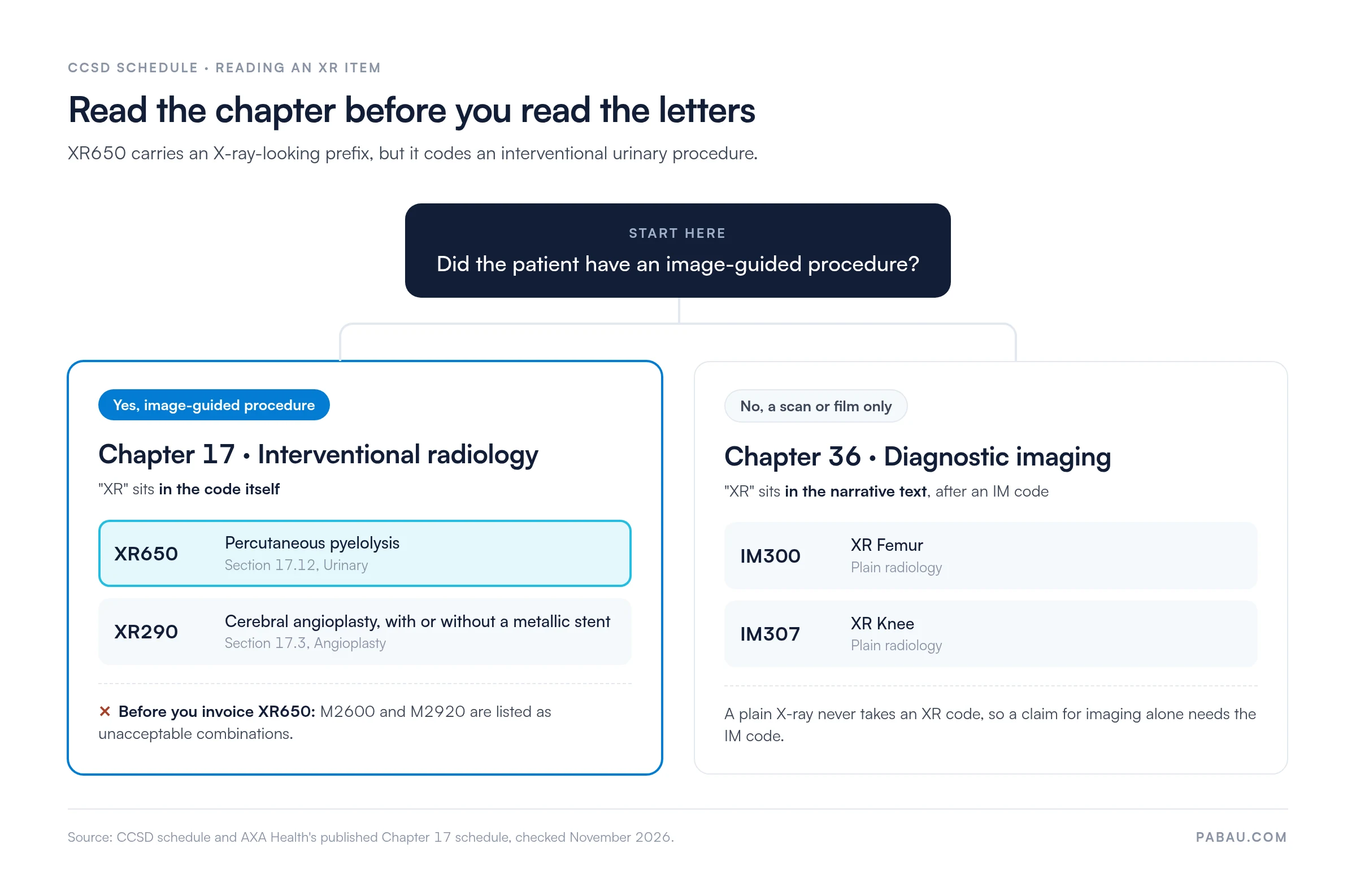
XR-prefixed codes live in Chapter 17 of the CCSD schedule, interventional radiology. These are procedures done under image guidance, such as XR290, cerebral angioplasty with or without a metallic stent. XR650 sits in that chapter’s urinary section.
Diagnostic imaging works differently. Plain X-rays are coded in Chapter 36 with an IM prefix, and their narratives start with “XR”. For example, IM300 reads “XR Femur” and IM307 reads “XR Knee”. That shared pair of letters is where most mix-ups begin. The same overlap has misled some coding references, which list XR290 as extra plain film views.
So read the chapter before you read the letters. If the patient had an image-guided procedure, look in Chapter 17. If they only had a scan or film, look in Chapter 36. The diagram below walks through that one question.
Other Chapter 17 codes follow the same pattern, and our CCSD code guides cover them one code at a time.
No. The CCSD schedule has no dental chapter, and XR650 sits in the urinary section of Chapter 17. Some web pages, including an earlier version of this one, described it as a periapical radiograph code. That description doesn’t match CCSD’s own listing.
If you’re billing dental radiographs, use the procedure list your dental insurer or plan publishes. Never borrow a CCSD code for them.
CCSD attaches coding principles to many codes, including “unacceptable combinations”. These are codes that shouldn’t be billed together for the same procedure. CCSD’s XR650 page lists two.
Treat that list as a floor. CCSD says its principles aren’t exhaustive, and the schedule is non-binding. Applying a code is a commercial decision each insurer makes. So when the notes show other same-session work, ask the insurer how it wants the episode coded.
Insurers rarely question a code on its own. They question whether the record supports it. For XR650, your notes should show the following.
Image guidance adds one more duty. Where it uses ionising radiation, the Ionising Radiation (Medical Exposure) Regulations 2017 require each exposure to be justified and authorised beforehand. Keep that justification in the record, because it shows the imaging was clinically needed.
CCSD doesn’t publish fees, and it doesn’t decide cover. Each insurer chooses whether to recognise XR650 and what to pay for it. That makes the insurer your only reliable fee source. AXA Health, for example, lists XR650 at Xmajor complexity with a procedure fee of £800.
Before treatment, call the insurer or check its code search. Bupa, for instance, runs a public procedure code search. Confirm that the code is recognised, that pre-authorisation is in place and what fee you’ll be paid.
If your fee is higher than the insurer’s, a shortfall falls to the patient. Tell them in writing before treatment, and only where your agreement with that insurer allows it. Ignore fee figures on third-party websites, which are often out of date.
Here’s an illustrative case. A consultant plans percutaneous pyelolysis on a patient’s left kidney. The practice calls the insurer, confirms XR650 is recognised and gets a pre-authorisation reference.
After the procedure, the note records the indication, the left side and the approach. The billing team then spots a same-session therapeutic nephroscopic procedure on the ureter. CCSD lists that code, M2600, as an unacceptable combination with XR650.
Rather than invoice both, the team phones the insurer and asks how to code the episode. The answer goes in the record with the date and the name of the person they spoke to. The claim then goes out once, coded the way the insurer agreed.
On paper, the referral, consent, procedure note and authorisation end up in different places. Then an insurer query arrives, and someone spends an afternoon pulling them together.
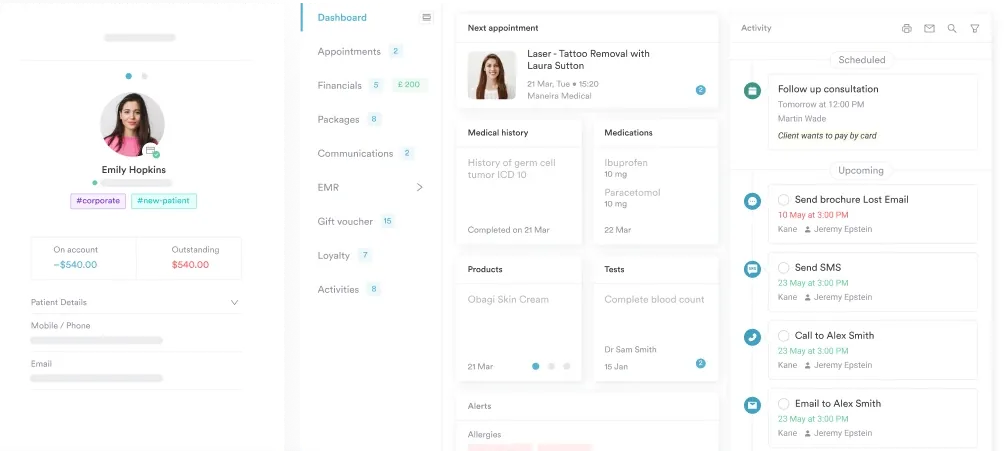
Pabau, a practice management platform for private practices, keeps those documents on one patient record. Your team can record the indication, the side treated and the imaging justification as the consultant writes the note. The pre-authorisation reference sits on the same record, ready for the invoice.
When the claim is ready, claims management in Pabau sends UK insurance claims through its Healthcode and Bupa connections. Your team can then follow each claim from one place instead of chasing separate portals.
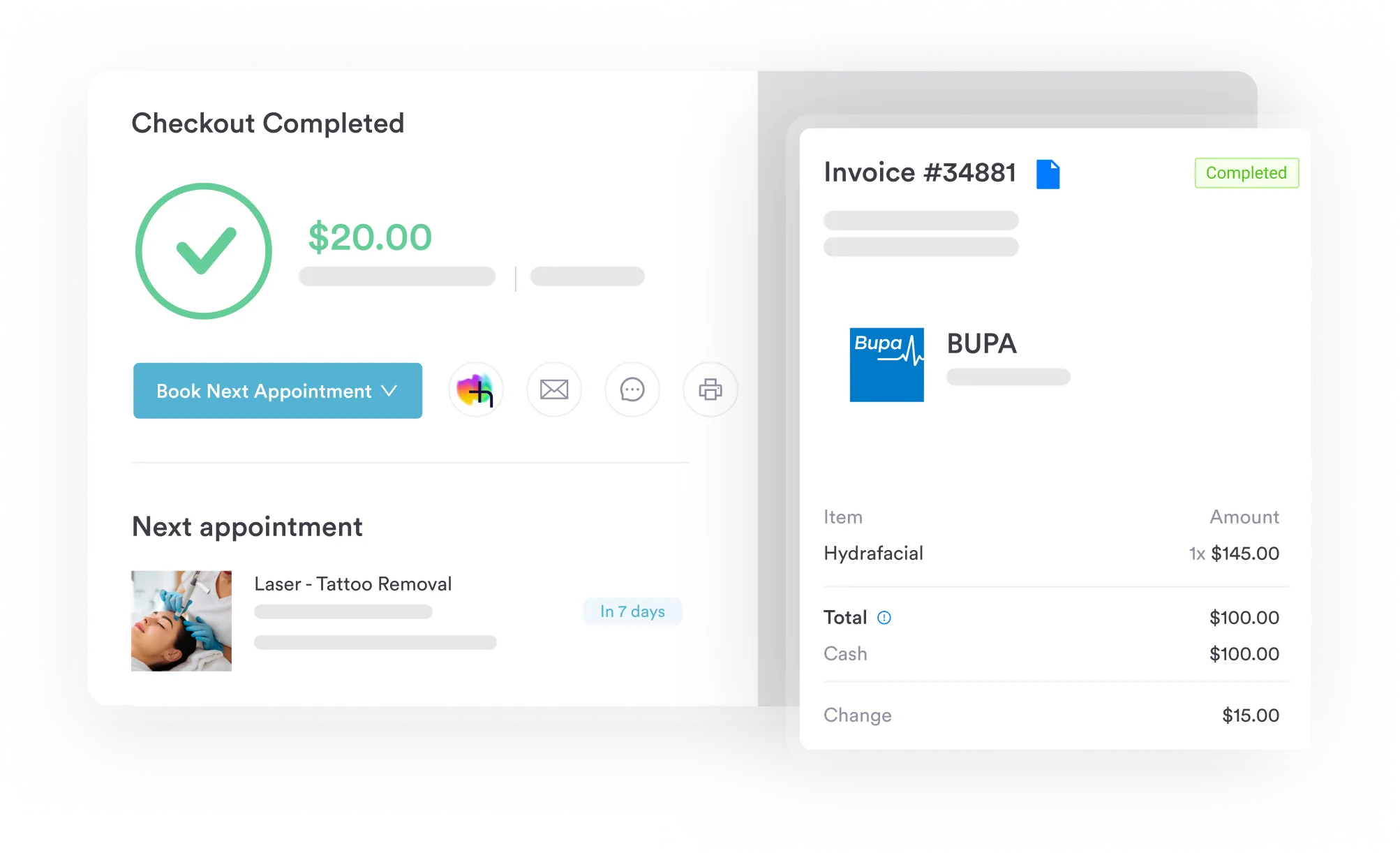

Pabau keeps procedure notes, consent and authorisation references on one patient record. UK claims go to insurers through Healthcode and Bupa, so queries take minutes to answer.

XR650 is an interventional urinary code, and most billing trouble starts when it’s treated as an X-ray. Get the chapter right, confirm the narrative and check the listed pairings, and the claim has little left to trip over.
The one habit worth building is a phone call before treatment. Ask the insurer to confirm the code, the authorisation and the fee, then note the answer in the record.
Book a demo to see how Pabau keeps procedure notes, authorisations and insurer claims on one patient record.

Billing another Chapter 17 procedure? CCSD code XR565 covers percutaneous biliary stricture dilatation and how it’s claimed.
Coding image-guided feeding tube placement? CCSD code XR585 walks through percutaneous gastrostomy billing for UK insurers.
Working with spinal interventional codes? CCSD code XR510 explains fluoroscopically guided discectomy billing.
Need the bigger picture on insurer codes? Bupa CCSD codes explains how Bupa uses the CCSD schedule for private claims.
Register for a login on the CCSD website, ccsd.org.uk. Searching the schedule needs an account, and CCSD publishes licence fee information for organisations that use it.
CCSD publishes changes within 10 working days of each Working Group meeting. Each change carries a recommended adoption date, usually two months after publication. Recheck XR650 after each release.
Yes. CCSD accepts code requests through its website. Requests must arrive by a cut-off date ahead of each Working Group meeting to be considered there.
Ask the insurer which code it uses for the procedure, and get the answer in writing. If it won’t cover the procedure, agree self-funding with the patient before treatment.