CPT Code 62284: Injection procedure for myelography
CPT Code 62284: official descriptor and procedure overview The American Medical ...

Last Updated: Oct 19, 2026

CCSD code 0632G covers endoscopic dilatation of the oesophagus — a procedure to widen a narrowed section of the gullet, performed using an endoscope rather than open surgery.
The procedure is typically carried out by a gastroenterologist or upper gastrointestinal (upper GI) surgeon, most often to treat strictures caused by reflux, prior surgery, or radiotherapy.
Major UK private medical insurers, including Bupa, AXA Health, Aviva, Allianz Care, and Vitality Health, reference CCSD codes as the industry standard for procedure billing.
Practice management software like Pabau supports CCSD-coded billing workflows for UK private healthcare providers, helping gastroenterology and upper GI teams reduce coding errors before submission.
CCSD code 0632G is the code for endoscopic dilatation of the oesophagus, a procedure used to widen a section of the oesophagus (the gullet) that has narrowed, most often because of a stricture.
The procedure is carried out endoscopically, meaning the specialist passes a flexible scope down the oesophagus rather than operating through an open incision. It’s typically performed by a gastroenterologist or an upper gastrointestinal (upper GI) surgeon.
This code sits within the CCSD Schedule of Procedures, the industry-standard coding framework for UK private healthcare billing. Because the full schedule requires member login at ccsd.org.uk, practices should verify the exact current narrative for 0632G directly on the CCSD portal.
Alternatively. The guidance below reflects the publicly available clinical and billing context for the procedure at the time of publication.
The CCSD (Clinical Coding and Schedule Development Group), administered by Grant Thornton UK LLP, maintains the schedule on behalf of the UK private healthcare sector. All major insurers, including Bupa, AXA Health, Aviva, Allianz Care, and Vitality Health, reference CCSD codes when processing procedure claims.
Using the correct code for each clinical episode, backed by complete documentation, is the single most controllable factor in reducing claim denials.
Oesophageal strictures are areas where the oesophagus has narrowed, making swallowing difficult or painful. The most common causes are chronic acid reflux (GORD), scarring from previous surgery or radiotherapy, achalasia, eosinophilic oesophagitis, and, less commonly, caustic injury.
Left untreated, a stricture can lead to food impaction, weight loss, and malnutrition. Patients often first raise reflux symptoms with a GP or a functional medicine practice long before a stricture is confirmed on endoscopy.
Endoscopic dilatation treats the narrowing directly. Under sedation, the specialist passes an endoscope into the oesophagus, identifies the stricture, and widens it using either a balloon dilator inflated across the narrowed segment or a graduated bougie passed over a guidewire.
The procedure is usually carried out as a day case, and more than one session is often needed for tighter or recurrent strictures.
CCSD code 0632G applies specifically to this endoscopic dilatation procedure. It does not cover:
Upper airway endoscopy sits outside this group as well. An outpatient examination of the pharynx and larynx is coded under E3680. That code applies only when the scope is the sole procedure billed for the visit.
Using a diagnostic endoscopy code when a therapeutic dilatation was performed under-codes the episode and understates the clinical complexity involved. Applying 0632G to a diagnostic-only procedure is the reverse problem: Overcoding, which creates compliance risk for the practice.
For a full overview of how CCSD codes work across UK private healthcare, see the Bupa CCSD codes guide.
Each major UK private medical insurer (PMI) publishes its own fee schedule based on CCSD codes. Fees vary by insurer, policy type, and specialist recognition, so the figures below are indicative only. Always verify current rates directly with each insurer before raising invoices.
Acceptance of any specific code and the applicable fee must be confirmed with each payer directly, since schedules are updated annually and sometimes mid-year.
Bupa is the largest UK private medical insurer and the most commonly referenced user of CCSD codes. Claims should be submitted via the Bupa provider portal or Healthcode.
Before submitting a 0632G claim, verify the code is listed in Bupa’s current schedule using the Bupa code search tool, and confirm the treating consultant is recognised for gastroenterology or upper GI surgery.
AXA Health’s fee schedule draws a clear line between sedation for the procedure itself and separately billable anaesthesia. Anaesthesia fees are payable only for care of an unconscious or semi-conscious patient during surgery, not for standard conscious sedation.
Most 0632G procedures are carried out under conscious sedation, so anaesthesia should not be coded separately unless a general anaesthetic was genuinely required. This distinction is a frequent cause of claim reductions on oesophageal endoscopy invoices. Contrast that with CCSD code C5910, where the anaesthetist bills a separate CCSD anaesthesia code on the same theatre case.
Vitality Health uses the CCSD schedule as the basis for its fee structure. Check the recognised fee for 0632G using the Vitality fee finder before invoicing.
Allianz Care publishes a CCSD-based national fee schedule and typically requires pre-authorisation for elective interventional procedures like oesophageal dilatation. Confirm the authorisation number before the procedure date and include it on the invoice.
Check your insurer recognition file before submitting any oesophageal endoscopy claim. If the treating consultant isn’t listed under the correct specialty (gastroenterology or upper GI surgery) on the insurer’s recognition database, the claim will be deferred regardless of how accurately CCSD code 0632G is coded. Update recognition records at least once a year and whenever a consultant changes insurer panel status.
Solid systems for managing a private practice make it far easier to match CCSD codes to what insurers actually reimburse.
Insufficient clinical documentation is the most common reason insurers query or reject oesophageal endoscopy claims. Most insurers expect to see the following in the patient record before a 0632G claim is authorised.
CQC-registered providers in England must retain clinical records in line with CQC fundamental standards, which require records to be accurate, complete, and stored securely. The widely followed baseline for adult private healthcare records is eight years, a standard set by the NHS Records Management Code of Practice and endorsed by the GMC for private doctors.
For CQC inspection readiness, procedure notes and consent should be stored within the practice management system and linked directly to the billing episode.

Pabau helps UK private healthcare providers manage CCSD-coded claims, patient records, and documentation in one system. See how it works for your practice.

UK private healthcare claims are submitted electronically via Healthcode, the sector’s primary electronic data interchange (EDI) platform. Healthcode acts as the hub between practice management systems and insurer back-ends, validating code structure before claims reach the payer. A claim rejected at the Healthcode validation stage never reaches the insurer at all, so CCSD code format errors are caught early.
The CCSD technical guide defines the business rules that govern how codes are structured in a Healthcode message. Key submission requirements for CCSD code 0632G include:
Practices using claims management software with built-in CCSD code validation can flag formatting errors before a claim file is generated, reducing rework time considerably.
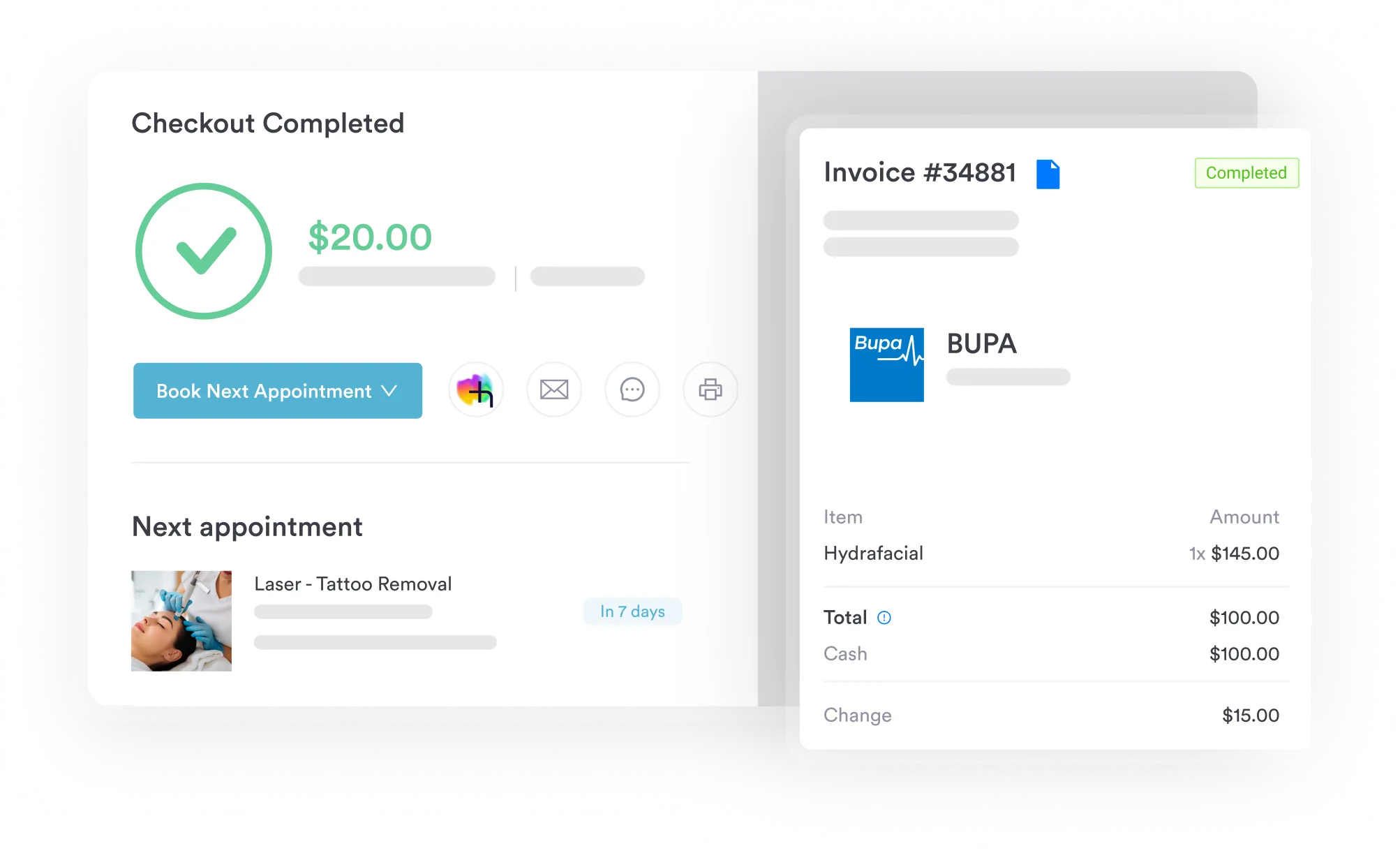
Flag any oesophageal endoscopy claim that also includes a biopsy or histology charge. Some insurers treat a limited number of biopsies as bundled within the main dilatation fee. Check the individual insurer’s fee schedule notes before adding histology as a separate line item, as unbundling triggers queries across Bupa, AXA Health, and other CCSD-based schedules.
The CCSD schedule groups oesophageal and upper GI endoscopic procedures together. When coding episodes involving multiple procedures or staged treatment, selecting the correct related code alongside CCSD code 0632G matters for both clinical accuracy and insurer acceptance.
The same approach rule runs through other chapters of the schedule. CCSD code A6740 covers cubital tunnel release only when the surgeon works through an endoscope, and the open release carries its own code. CCSD code C6012 behaves the same way in the eye chapter, applying only when the operative note records microcatheter cannulation of Schlemm’s canal.
When multiple oesophageal procedures are performed in the same session, review the CCSD Technical Guide’s bundling rules before applying secondary codes, and check each insurer’s own unbundling policy, since this varies between payers.
Good clinical record management ensures each treatment episode links correctly to its billing code, making audits and insurer queries straightforward to respond to.
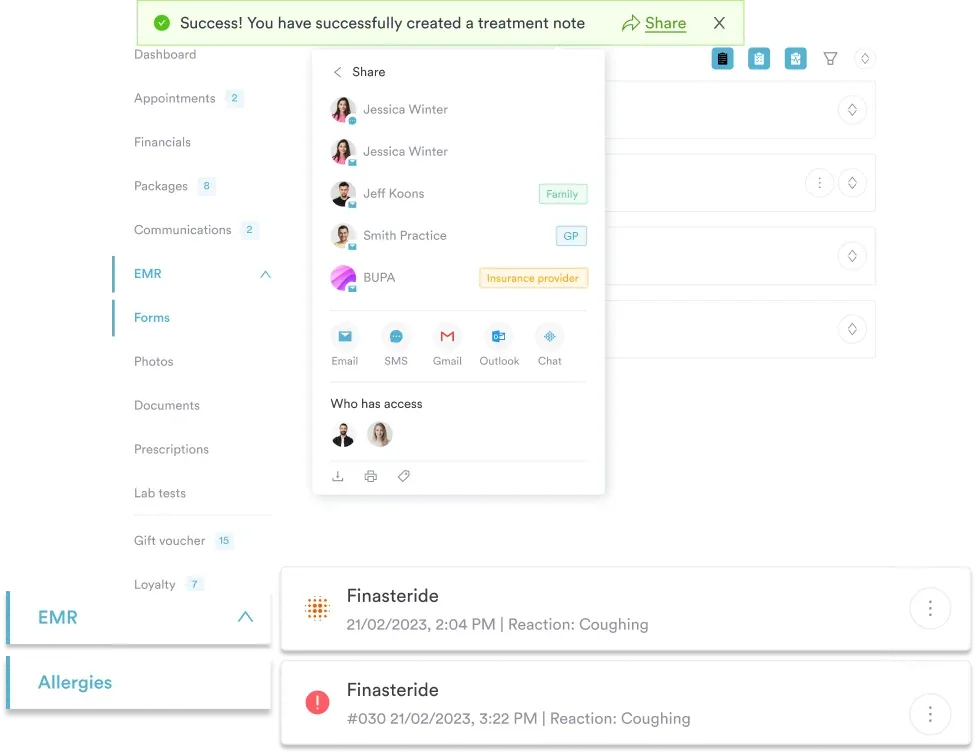
UK private healthcare practices billing CCSD code 0632G and related oesophageal codes need a practice management system that handles the administrative load without adding compliance risk.
Manually tracking authorisation references, consultant recognition status, and code-level documentation across multiple insurers is where billing errors compound.
Pabau, practice management software built for UK private healthcare providers, keeps its claims management capability, patient records, and insurer references in one place.
That means the documentation required to support a 0632G claim is available at the point of billing rather than chased retrospectively. Practices with multiple consultants across multiple locations can standardise CCSD coding workflows to reduce variation between sites.
For specialists leaving the NHS for private work, getting CCSD billing right from the outset prevents the cash flow disruption that denied claims cause. Pabau’s structured onboarding walks new private practices through the billing setup they need before their first claim is submitted.
Billing CCSD code 0632G accurately depends on three things: The correct code narrative verified against the current CCSD schedule, complete clinical documentation that meets each insurer’s requirements for oesophageal endoscopy, and an electronic submission workflow that validates code structure before claims leave the practice. Errors in any one of these areas delay payment and create administrative rework.
Pabau’s practice management platform supports CCSD-coded billing workflows for UK private healthcare providers, keeping documentation, claims, and consultant recognition data in one auditable system. To see how Pabau handles private healthcare billing for gastroenterology and upper GI practices, book a demo with the team.

Billing an injectable drug administration? HCPCS code J3357 covers ustekinumab subcutaneous injection billing, including dosage reporting and payer documentation requirements.
Coding a minor wound presentation? ICD-10 code S90.812D explains how to document a left foot abrasion for a subsequent encounter.
Need a maternity-related diagnostic code? ICD-10 code O90.9 covers unspecified complications of the puerperium.
Reviewing evaluation and management billing? CPT code 99211 breaks down documentation and 2026 reimbursement rates for low-level office visits.
CCSD code 0632G covers endoscopic dilatation of the oesophagus, a procedure to widen a narrowed section of the oesophagus using a balloon dilator or bougie passed via endoscope. It’s typically performed by a gastroenterologist or upper GI surgeon to treat strictures caused by reflux, prior surgery, radiotherapy, or other conditions. The full CCSD narrative is available to registered members via the schedule portal at ccsd.org.uk.
A CCSD code identifies a specific medical procedure for billing purposes in the UK private healthcare sector. All major private medical insurers, including Bupa, AXA Health, Aviva, Allianz Care, and Vitality Health, use CCSD codes to process procedure claims and determine fee schedules. The codes are maintained by the Clinical Coding and Schedule Development Group, administered by Grant Thornton UK LLP.
All major UK private medical insurers accept CCSD codes: Bupa, AXA Health, Aviva, Allianz Care, Vitality Health, WPA, Healix, and Cigna UK all base their procedure fee schedules on the CCSD Schedule of Procedures. Each insurer maintains its own fee schedule, so reimbursement rates differ even for the same CCSD code.
UK private healthcare claims are submitted via Healthcode, the sector’s electronic data interchange platform. Your practice management system generates a claim file containing the CCSD code, consultant recognition number, authorisation reference, date of service, and invoice amount. Healthcode validates the structure before the claim reaches the insurer, so format errors are caught at the gateway stage.
Using an incorrect CCSD code triggers an insurer query, which pauses payment until the practice provides clarification or resubmits. Repeated coding errors can result in a formal audit of the practice’s billing records. For oesophageal endoscopy, the most common error is billing a diagnostic OGD code when a therapeutic dilatation under CCSD code 0632G was actually performed, or the reverse.