

ICD-10 Code S42.444P: Medial epicondyle fracture, right humerus
ICD-10 Code S42.444P: full descriptor and code validity ICD-10 Code S42.444P car...

Last Updated: Oct 13, 2026
Billable Code Specific Code
O90.9 is the billable ICD-10-CM code for complication of the puerperium, unspecified.
Let Pabau's smart automation suggest the right codes, reduce claim denials, and keep your practice compliant—effortlessly.
Automate repetitive tasks and focus on what matters most—your patients.
Reduce coding errors and ensure compliance with the latest regulations.
Clean claims, fewer denials, and faster reimbursements.
Powerful insights and reporting to help your practice thrive.
HIPAA compliant SOC 2 certified GDPR-compliant Trusted by 4,000+ clinics worldwide

ICD-10 code O90.9 is the billable terminal code for complication of the puerperium, unspecified, valid for 2026 reimbursement.
O90.9 carries Maternity Dx (ages 12-55) and Female Dx restrictions that must be verified before claim submission.
O90.8 is a non-billable subcategory that requires a fifth character: use O90.89 when a specific complication is documented but lacks its own code, or O90.81 for postpartum anemia; reserve O90.9 only when no specificity is clinically possible.
Practice management software like Pabau helps obstetric and postpartum care teams flag unspecified codes for documentation review before submission.
Puerperium complications account for a meaningful share of postpartum readmissions, and accurate coding starts with knowing exactly when each code applies.
ICD-10 code O90.9 means “complication of the puerperium, unspecified.” It is classified under ICD-10-CM Chapter 15: Pregnancy, childbirth and the puerperium, within the O85-O92 block titled “Complications predominantly related to the puerperium.” The parent code O90 covers complications of the puerperium not elsewhere classified. O90.9 is the only terminal, billable code within O90 that represents an unspecified complication. A clearinghouse submission report arrives before the payer remittance, and it is the first place a format problem shows. Keeping a code lookup current matters more than keeping it comprehensive.
The puerperium refers to the period beginning immediately after delivery and continuing for six weeks postpartum. Any complication arising during this window that the provider cannot or does not further specify falls under O90.9.
Most unspecified codes carry auditing risk, and O90.9 is no exception. Before submitting a claim, coders should confirm all five of the details in the table below.
According to the Centers for Medicare and Medicaid Services (CMS), unspecified codes remain billable when greater specificity is genuinely not achievable from available clinical documentation. Submitting O90.9 when a more specific O90.x code is supportable by the record reflects a documentation shortfall, not a coding choice, and increases audit exposure.
The most common coding question around ICD-10 code O90.9 is whether to use it or a more specific sibling code. The O90 category contains nine distinct subcodes before reaching the unspecified terminal. Understanding each one keeps claims defensible.
O90.89 vs O90.9: the critical distinction. O90.8 itself is a non-billable subcategory that requires a fifth character before it can be reported. O90.89 applies when the provider identifies and documents a specific complication that simply lacks its own dedicated code within the O90 range, and O90.81 applies when that documented complication is postpartum anemia.
O90.9 applies when the type of complication genuinely cannot be determined from the clinical record. Coders should not default to O90.9 simply because O90.89 feels vague. Query the provider if documentation is unclear before choosing the unspecified code.
Before assigning ICD-10 code O90.9, run a quick chart review: does the provider note name any specific finding (wound issue, organ involvement, mood change, thyroid status)? If yes, query before coding. Payers increasingly flag unspecified puerperium codes for medical necessity review, and a one-line provider addendum can shift the code to a more defensible O90.x subcategory.
Maternity care runs on a fixed visit schedule, so patient scheduling software keeps every antenatal appointment in sequence.
ICD-10 code O90.9 is only supportable when clinical documentation confirms that a puerperium complication exists but provides insufficient detail to assign a more specific code. Lean documentation is the leading reason obstetric claims get reopened.

Meeting the minimum documentation threshold for O90.9 requires the following elements, all present in the same encounter note:
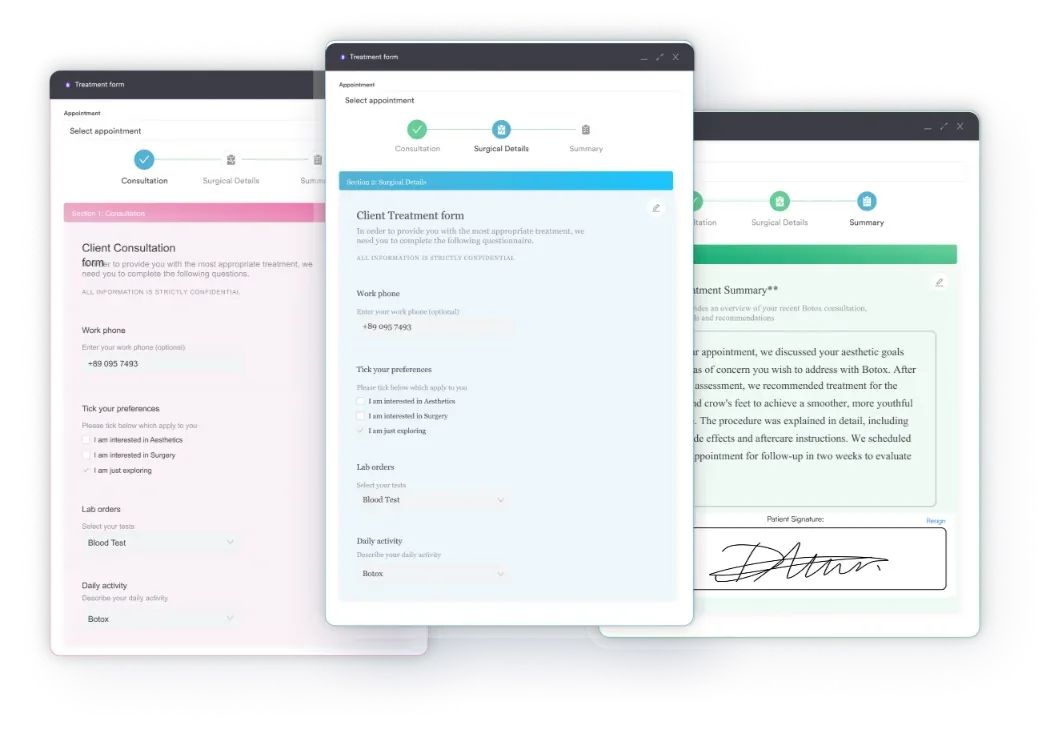
Postpartum care teams using digital intake forms can build delivery date capture and complication screening directly into the encounter workflow, reducing the risk of missing the documentation elements that support or rule out O90.9. Structured templates also help postpartum care documentation standards stay consistent across providers and sites.
Chapter 15 codes take sequencing priority over codes from other chapters when the obstetric condition is the main reason for the encounter. ICD-10 Official Guidelines specify that when a pregnant or postpartum patient is admitted for a complication, the Chapter 15 code is the principal diagnosis.
O90.9 may appear as a secondary code when the encounter is primarily for another condition but a postpartum complication is also managed. Accurate sequencing affects MS-DRG assignment and reimbursement level.
Unspecified codes signal incomplete documentation to payers, and obstetric codes attract more scrutiny than most. Coders should confirm payer-specific rules before submission, not after the denial lands. The CDC/NCHS ICD-10-CM web tool provides the authoritative tabular list and index for verifying code applicability each fiscal year.
The WHO ICD-10 browser provides the international classification context, while CMS ICD-10 codes guidance governs US billing rules and annual update files. Both should be cross-referenced when O90.9 appears in a complex postpartum encounter.

Pabau helps obstetric and postpartum care teams build structured documentation workflows, catch unspecified codes before submission, and manage claims from a single platform.

ICD-10 code O90.9 sits within a broader network of obstetric and puerperal diagnosis codes. Knowing the adjacent codes helps coders navigate complex postpartum encounters where multiple conditions are documented. Practices using reproductive health software that handles postpartum episodes will encounter several of these codes together.
For legacy data analysis, historical claim review, or conversion mapping, O90.9 converts approximately to two ICD-9-CM codes. The conversion is approximate, not exact: ICD-9 and ICD-10 classification hierarchies do not align perfectly for obstetric codes.
When mapping historical ICD-9 data for population health reports or payer audits, verify the clinical context of each encounter rather than applying a one-to-one substitution. ICD List provides a free ICD-9-to-ICD-10-CM crosswalk tool for reference.
Hemorrhagic puerperium conditions typically map to O90.2 or other Chapter 15 hemorrhage codes rather than O90.9, so a separate crosswalk check is required for those cases.
Run historical puerperium data through ICD-9 to ICD-10 crosswalk tools at the subcategory level, not just the category level. 674.9x maps to O90.9 only when the original ICD-9 encounter lacked specificity. If the ICD-9 record documented a specific complication type, a more specific O90.x subcode is the correct ICD-10 equivalent.
Postpartum care settings that regularly encounter O90.9 can reduce audit risk with a few structural workflow changes. The goal is to prevent unspecified coding from becoming the path of least resistance when documentation is thin.
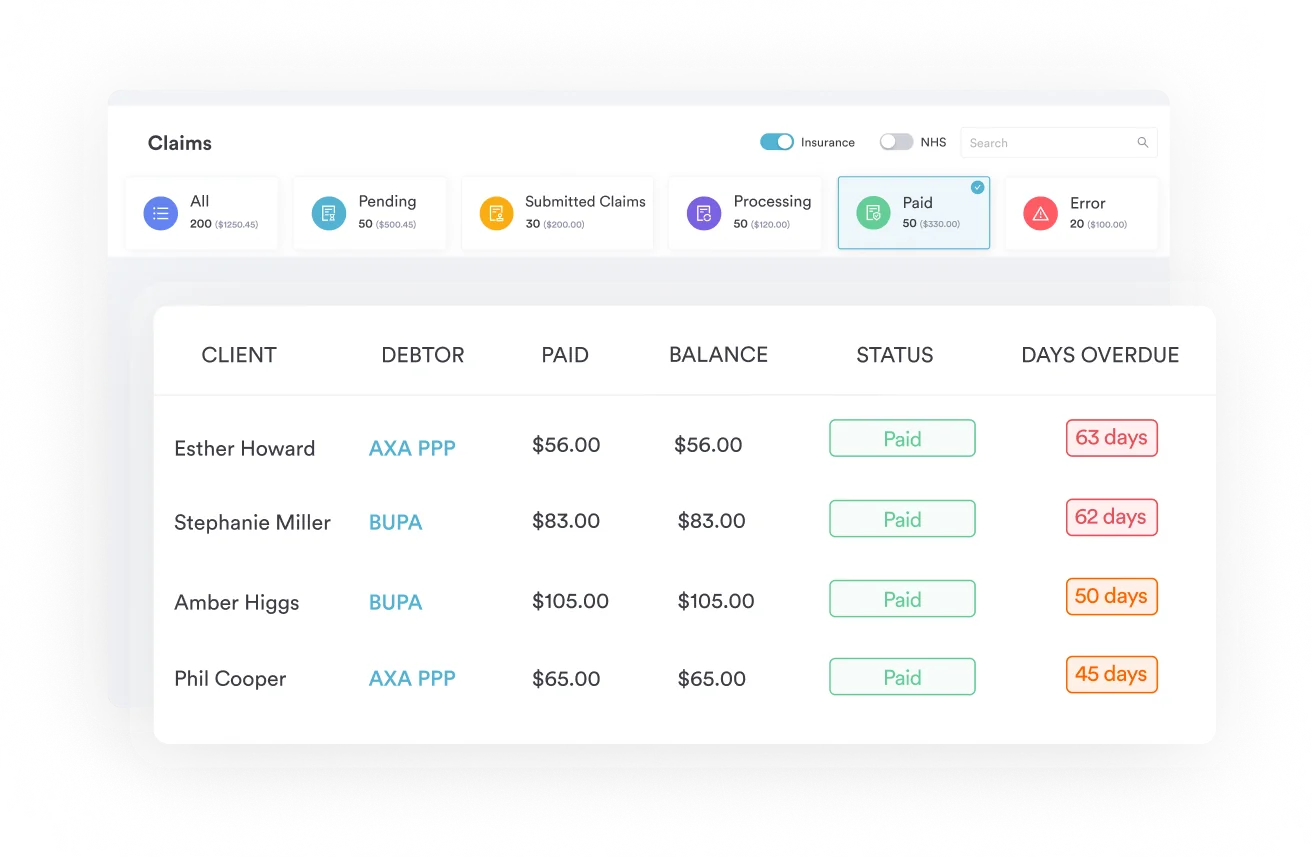
Practices using automated clinical workflows can route postpartum encounters that carry unspecified codes to a documentation review queue, ensuring a second set of eyes before submission. This step alone catches most correctable instances of O90.9 in practices where structured note-taking is not yet consistent.
ICD-10 code O90.9 is a legitimate but high-scrutiny code. Use it when a puerperium complication is confirmed and genuinely cannot be specified further, not as a default when documentation is incomplete. The difference between defensible O90.9 coding and an avoidable denial is usually a single provider query or a more structured intake process.
Pabau’s claims management software helps postpartum care teams build the documentation and review workflows that keep ICD-10 code O90.9 coding accurate and audit-ready. To see how Pabau supports obstetric and women’s health practices, book a demo.

Billing a KRAS mutation test? CCSD code 0006G for KRAS analysis covers the UK billing code for KRAS mutation analysis, the test that shapes targeted cancer treatment decisions.
Billing a natural killer cell panel? CCSD code 0008B for NK assay covers the billing code for the NK assay full panel, ordered to investigate recurrent miscarriage.
Billing a genetic cancer risk test? CCSD code 0011G for FAP analysis explains the billing code for FAP genetic analysis of the APC gene and its insurer rules.
ICD-10 code O90.9 is used to report a complication of the puerperium that cannot be further specified from available clinical documentation. It applies only to female patients aged 12 to 55 years and covers the six-week postpartum period. Coders should assign O90.9 only when a more specific O90.x code is not supportable by the medical record.
Yes, O90.9 is a billable and specific ICD-10-CM code valid for FY 2026 reimbursement. However, many commercial payers and Medicaid managed care plans flag unspecified codes for additional documentation review. Submitting O90.9 without a clinical note that supports why specificity was not achievable increases denial and audit risk.
O90.8 is a non-billable subcategory that requires a fifth character before it can be reported. Its billable children are O90.89 (other complications of the puerperium, not elsewhere classified), used when a specific complication is documented but lacks its own dedicated code, and O90.81 (anemia of the puerperium), used when postpartum anemia is documented. O90.9 is for situations where the complication type genuinely cannot be determined from the clinical record. Use O90.89 or O90.81 when the provider names a specific complication; use O90.9 only when the complication remains uncharacterized after provider query.
It means a clinically confirmed problem arising during the six-week postpartum period that the provider has not characterized as a specific type, such as wound disruption, cardiomyopathy, renal failure, or thyroiditis. The unspecified designation reflects a documentation limitation, not a less serious clinical picture.
O90.9 converts approximately to ICD-9-CM 674.92 (unspecified complications of puerperium, delivered, with mention of postpartum complication) and 674.94 (unspecified complications of puerperium, postpartum condition or complication). The conversion is approximate because ICD-9 and ICD-10-CM classifications do not align exactly for obstetric codes.




